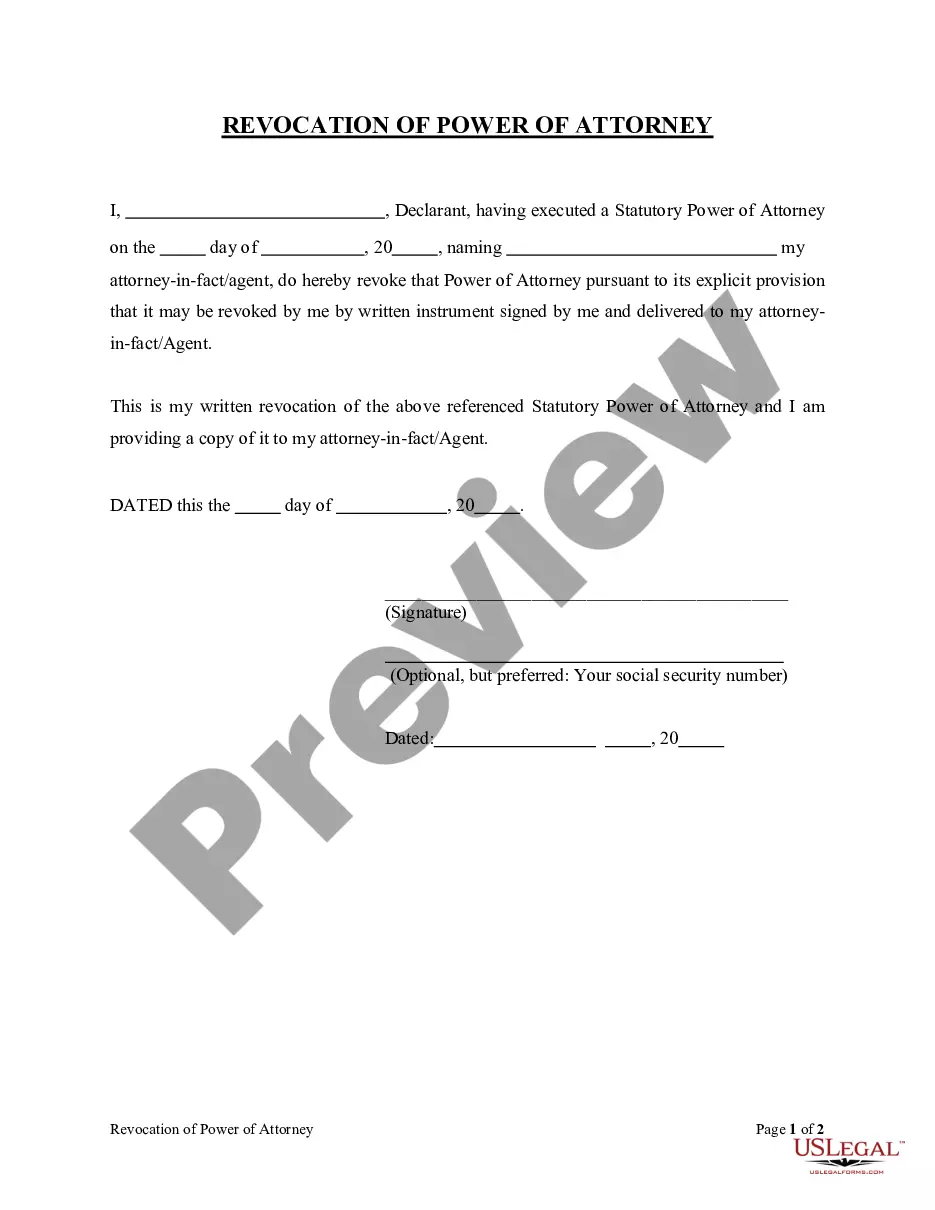
Arbitration Case In India In San Bernardino
Description

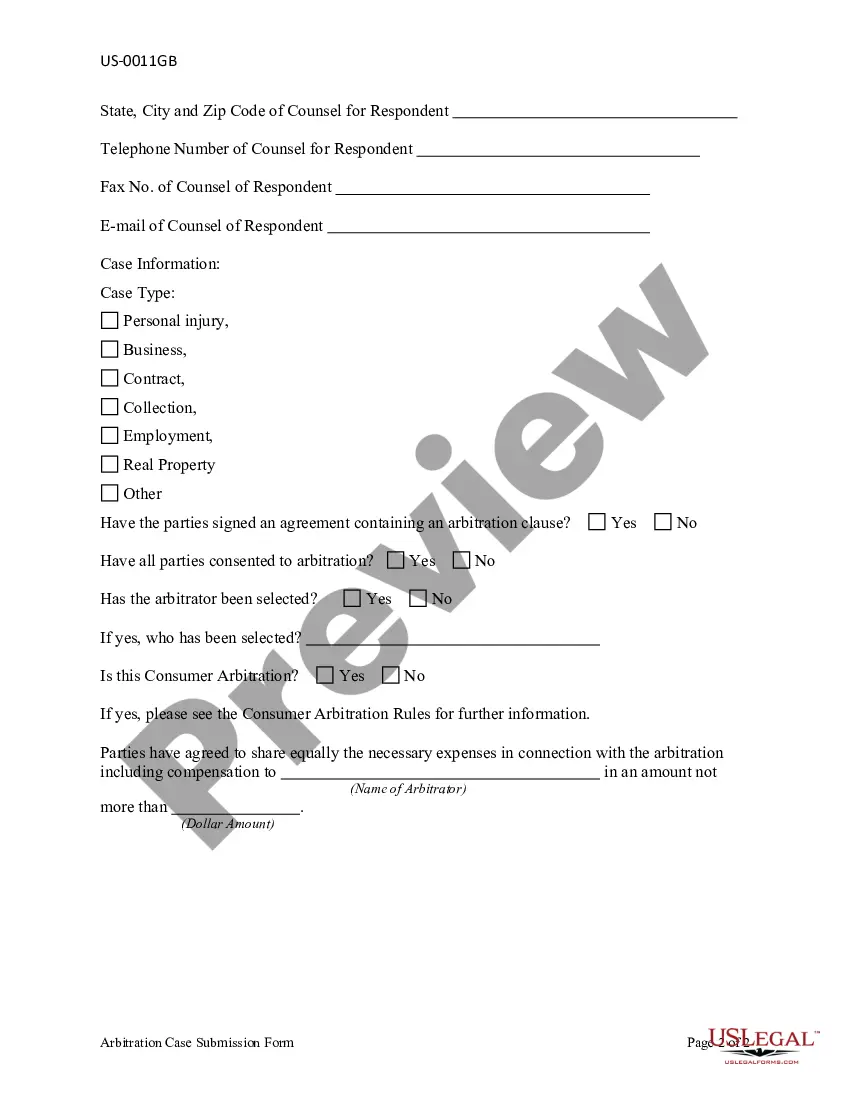

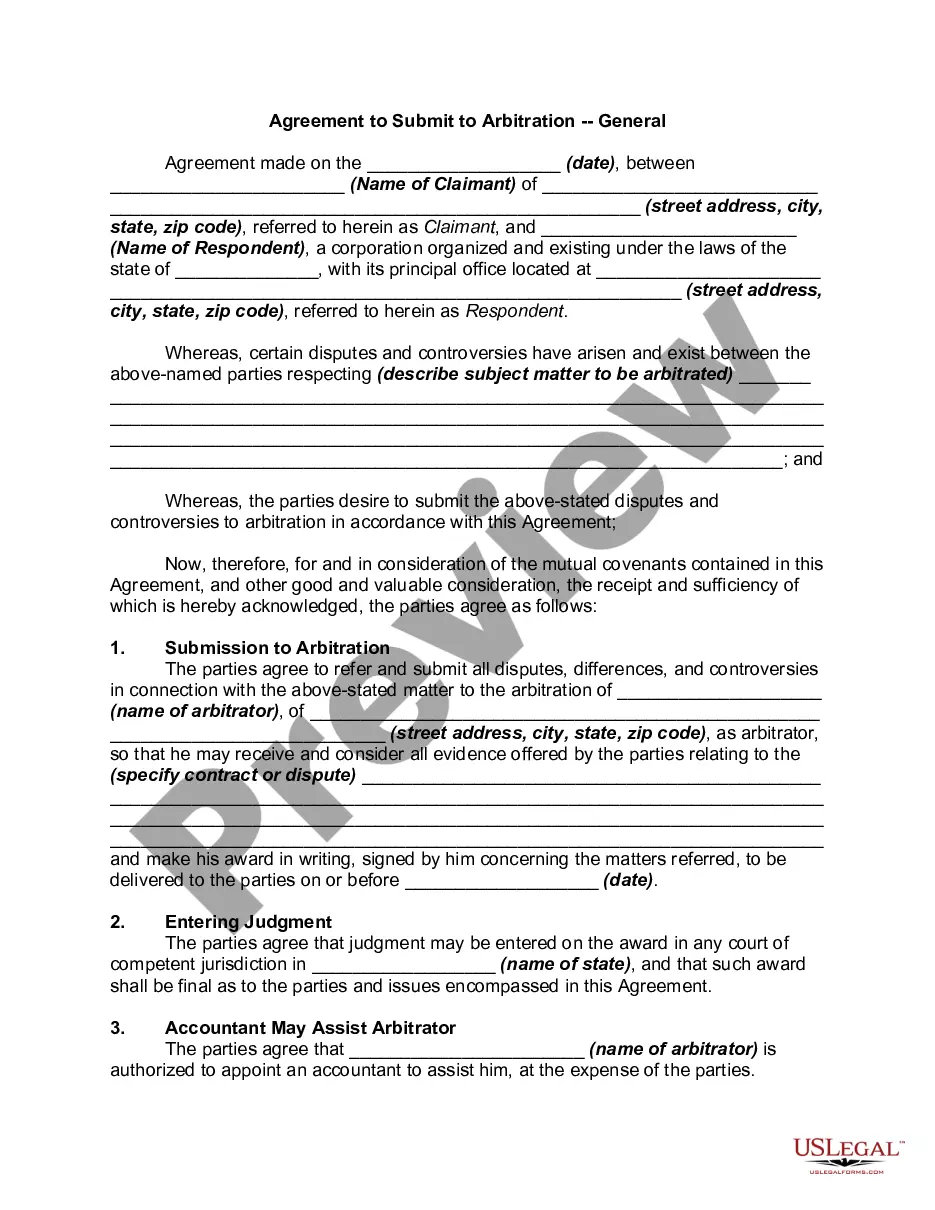

Get your form ready online
Our built-in tools help you complete, sign, share, and store your documents in one place.
Make edits, fill in missing information, and update formatting in US Legal Forms—just like you would in MS Word.
Download a copy, print it, send it by email, or mail it via USPS—whatever works best for your next step.
Sign and collect signatures with our SignNow integration. Send to multiple recipients, set reminders, and more. Go Premium to unlock E-Sign.
If this form requires notarization, complete it online through a secure video call—no need to meet a notary in person or wait for an appointment.
We protect your documents and personal data by following strict security and privacy standards.

Make edits, fill in missing information, and update formatting in US Legal Forms—just like you would in MS Word.

Download a copy, print it, send it by email, or mail it via USPS—whatever works best for your next step.

Sign and collect signatures with our SignNow integration. Send to multiple recipients, set reminders, and more. Go Premium to unlock E-Sign.

If this form requires notarization, complete it online through a secure video call—no need to meet a notary in person or wait for an appointment.

We protect your documents and personal data by following strict security and privacy standards.
Looking for another form?


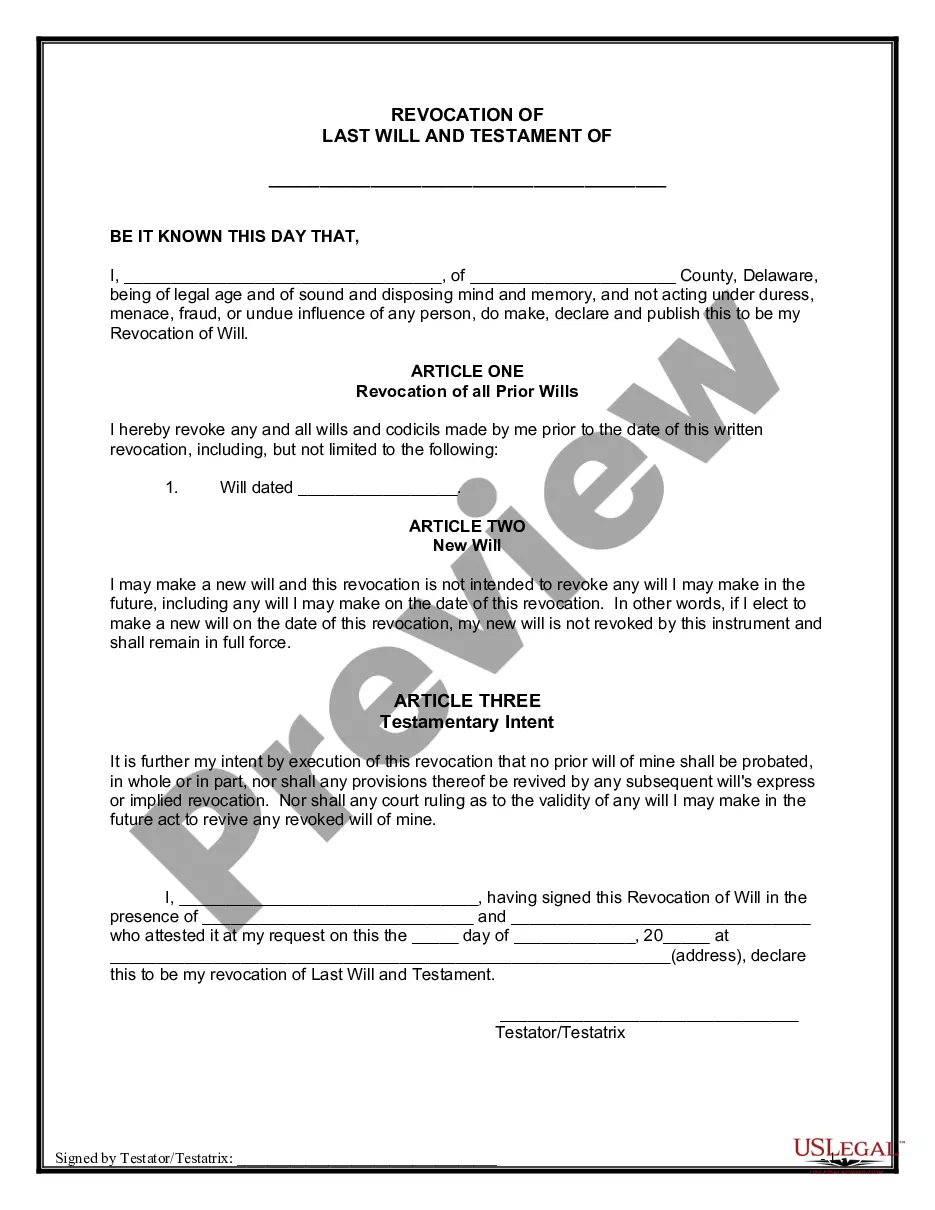






Form popularity
FAQ
How to Use Arbitration Awards Online. You can search for awards by Case ID, Keyword, Name, Date of Award (by date range), Forum, Document Type, Panel Composition, or a combination of search parameters. Awards can be viewed online, printed, or downloaded as text-searchable PDF files.
During the arbitration hearing, each side lays out their points and presents the evidence they have. But unlike the typical courtroom setting, the procedures are different, and the arbitration proceedings stay confidential.
In the Dispute Resolution Digital Library you will find: extracts from awards rendered by ICC arbitral tribunals; tools for finding where ICC awards have been published; articles providing comment and analysis on law and practice; reference documents, including the annual Statistical Report on ICC Arbitration;
Arbitration sessions are open to the public as are most court proceedings. Mediations, however, are private and confidential and are not open to the public. If an arbitration hearing is converted to mediation with the consent of the parties, only the litigants will be allowed to remain in the hearing room.
Often, rules and awards are also available via the arbitral bodies' website. Westlaw's International Arbitration Materials provides access to cases, awards, rules, conventions, legislation, model laws, and more for practicing U.S. lawyers.
(5) Failing any agreement referred to in sub-section (2), in an arbitration with a sole arbitrator, if the parties fail to agree on the arbitrator within thirty days from receipt of a request by one party from the other party to so agree the appointment shall be made, upon request of a party, by 1the Supreme Court or, ...
Arbitrators and mediators also play an important role in protecting personal confidential information. They have a duty to: Keep confidential all information obtained in connection with an arbitration or mediation. Transport and store, of case materials in a manner that preserves the confidentiality of the information.
The Act incorporates specific timelines to ensure efficiency: Section 9(2) requires arbitral proceedings to commence within 90 days of an interim measure; Section 11(4), (13) mandate court appointment of an arbitrator if not appointed within 30 days and disposal of such applications within 60 days; Section 13(2) ...
A party has 90 days within which to refer that dispute to arbitration from the earlier of the date on which conciliation remains unresolved, or the 30-day conciliation period has expired.
Arbitration is similar to going to court, but faster, cheaper and less complex than litigation. If the case settles, an arbitration will last around one year. If the case goes to hearing, an arbitration typically takes 16 months.