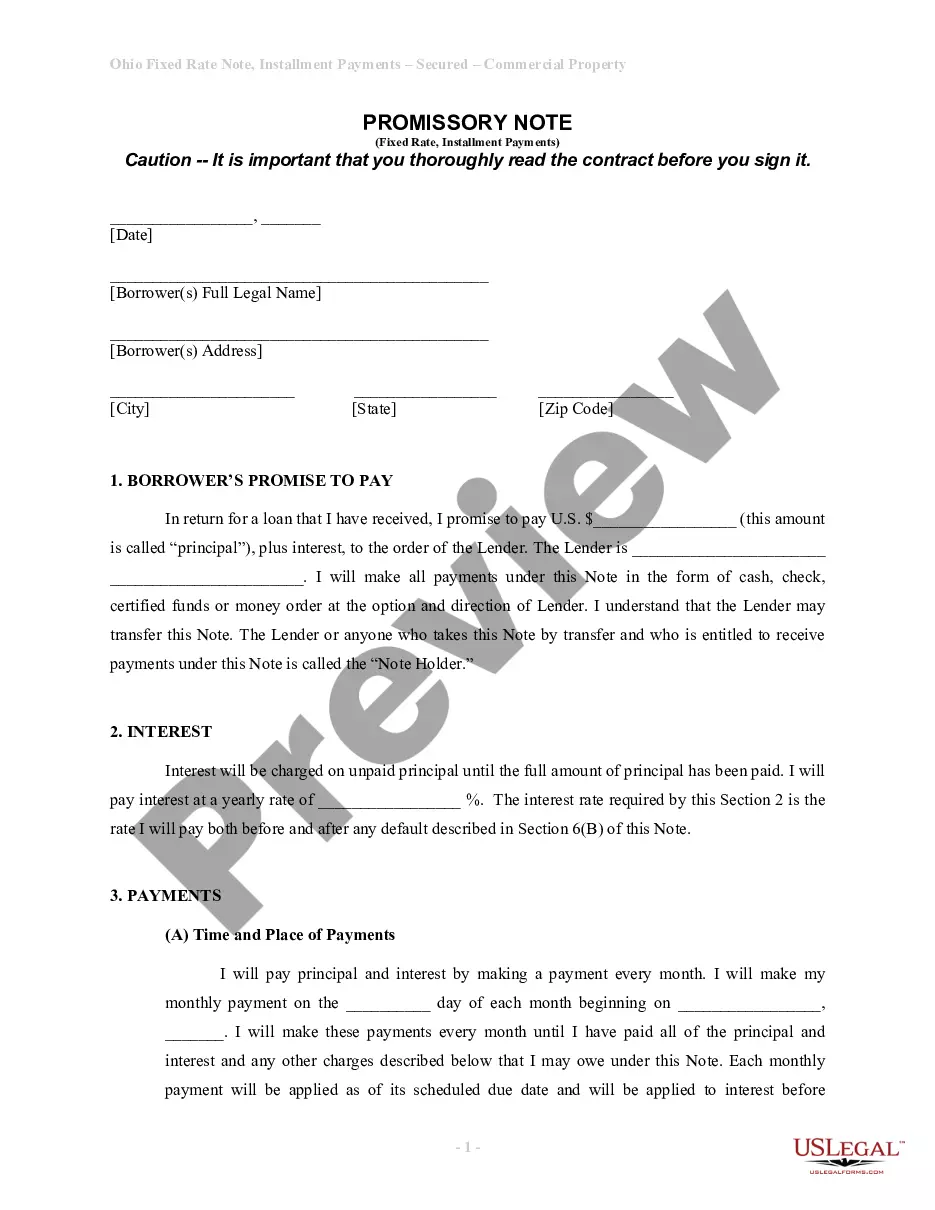
Arbitration Proceedings Format In Orange
Description



Get your form ready online
Our built-in tools help you complete, sign, share, and store your documents in one place.
Make edits, fill in missing information, and update formatting in US Legal Forms—just like you would in MS Word.
Download a copy, print it, send it by email, or mail it via USPS—whatever works best for your next step.
Sign and collect signatures with our SignNow integration. Send to multiple recipients, set reminders, and more. Go Premium to unlock E-Sign.
If this form requires notarization, complete it online through a secure video call—no need to meet a notary in person or wait for an appointment.
We protect your documents and personal data by following strict security and privacy standards.

Make edits, fill in missing information, and update formatting in US Legal Forms—just like you would in MS Word.

Download a copy, print it, send it by email, or mail it via USPS—whatever works best for your next step.

Sign and collect signatures with our SignNow integration. Send to multiple recipients, set reminders, and more. Go Premium to unlock E-Sign.

If this form requires notarization, complete it online through a secure video call—no need to meet a notary in person or wait for an appointment.

We protect your documents and personal data by following strict security and privacy standards.
Looking for another form?




Form popularity
FAQ
Much like the opening statement in a trial, your arbitration statement should lay out what the “evidence” – the written material – will show regarding the proper credit on the project. The Arbitration Statement is not established fact, just your assessment of the material.
Definition of Code of Arbitration Procedure The Code of Arbitration Procedure is the FINRA bylaw that provides for a forum for dispute resolution relating to industry matters. All industry participants must arbitrate a public customer must agree to arbitration in writing.
There are typically seven stages of the arbitration process: Claimant Files a Claim. Respondent Submits Answer. Parties Select Arbitrators. Parties Attend Initial Prehearing Conference. Parties Exchange Discovery. Parties Attend Hearings. Arbitrators Deliberate and Render Award.
To give you an idea of the process that arbitration typically involves, the American Arbitration Association describes artibtration as having five main steps: Filing and initiation. Arbitrator selection. Preliminary hearing. Information exchange and preparation. Hearings. Post hearing submissions. Award.
“Procedure” code is a catch-all term for codes used to identify what was done to or given to a patient (surgeries, durable medical equipment, medications, etc.). Understanding and identifying the codes relevant to one's study question is a key part of analyzing claims data.
What does it mean to invoke arbitration? Either Party to a contract in which there is an Arbitration clause can either himself or through an authorised agent may invoke Arbitration so as to refer the dispute to arbitration, as per provisions of the arbitration clause.
The Code of Arbitration Procedure is the FINRA bylaw that provides for a forum for dispute resolution relating to industry matters. All industry participants must arbitrate a public customer must agree to arbitration in writing.
An Arbitrator should perform duties diligently and conclude the case as promptly as the circumstances reasonably permit. An Arbitrator should be courteous to the Parties, to their representatives and to the witnesses, and should encourage similar conduct by all participants in the proceedings.
Unlike litigation, arbitration is generally less formal, more confidential, and can be tailored to the specific needs of the parties. This makes it particularly attractive in complex commercial disputes, where the nuances of the industry and the need for specialised knowledge are paramount.