Arbitration Case In Court In Nassau
Description



Get your form ready online
Our built-in tools help you complete, sign, share, and store your documents in one place.
Make edits, fill in missing information, and update formatting in US Legal Forms—just like you would in MS Word.
Download a copy, print it, send it by email, or mail it via USPS—whatever works best for your next step.
Sign and collect signatures with our SignNow integration. Send to multiple recipients, set reminders, and more. Go Premium to unlock E-Sign.
If this form requires notarization, complete it online through a secure video call—no need to meet a notary in person or wait for an appointment.
We protect your documents and personal data by following strict security and privacy standards.

Make edits, fill in missing information, and update formatting in US Legal Forms—just like you would in MS Word.

Download a copy, print it, send it by email, or mail it via USPS—whatever works best for your next step.

Sign and collect signatures with our SignNow integration. Send to multiple recipients, set reminders, and more. Go Premium to unlock E-Sign.

If this form requires notarization, complete it online through a secure video call—no need to meet a notary in person or wait for an appointment.

We protect your documents and personal data by following strict security and privacy standards.
Looking for another form?

Form popularity
FAQ
Questionable Fairness The process of choosing an arbitrator is not always an objective one. There are cases when the arbitrator could be biased because it has a business relationship with one party or is selected by an agency from a pool list. In those situations, impartiality is lost.
The arbitrator's final decision on the case is called the “award.” This is like a judge's or jury's decision in a court case. Once the arbitrator decides that all of the parties' evidence and arguments have been presented, the arbitrator will close the hearings. This means no more evidence or arguments will be allowed.
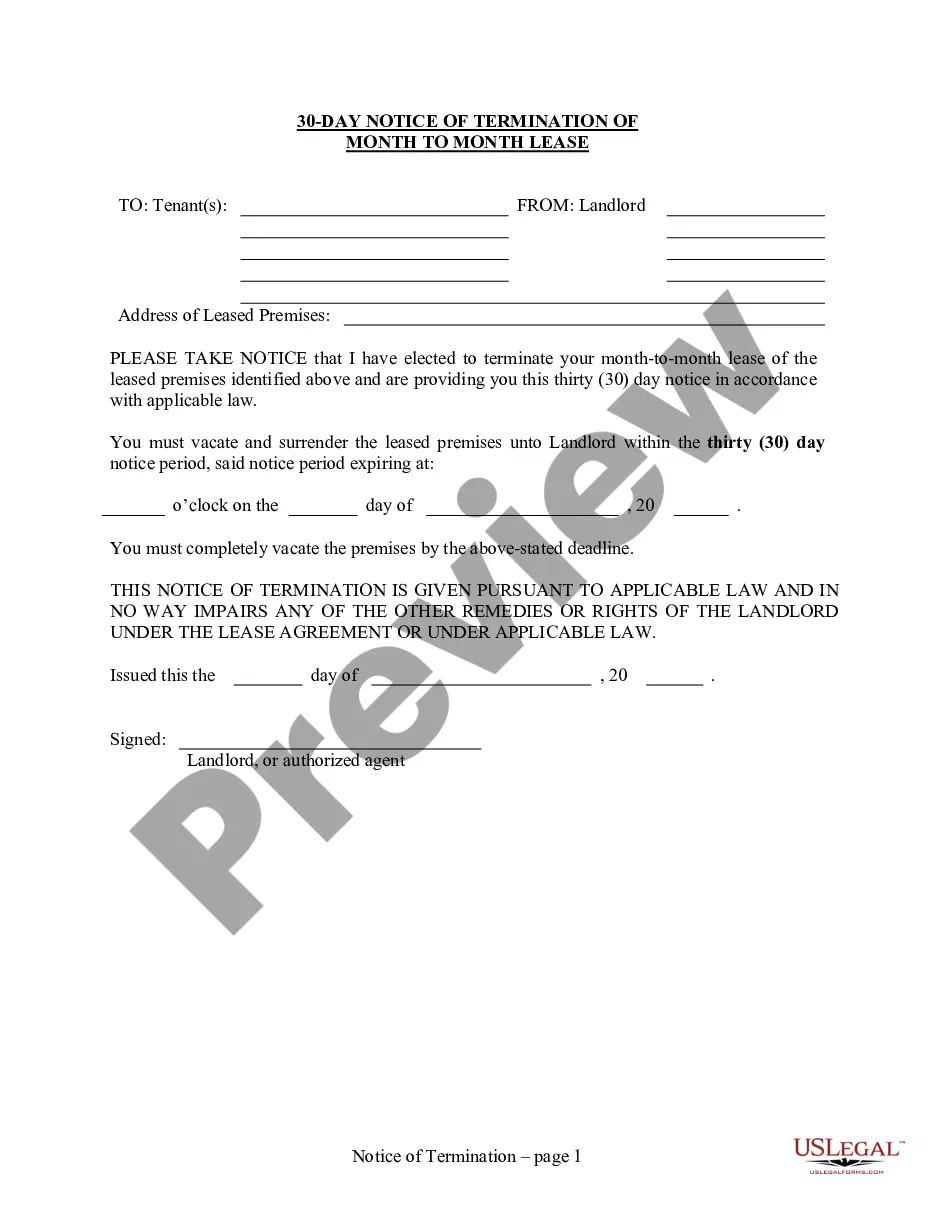
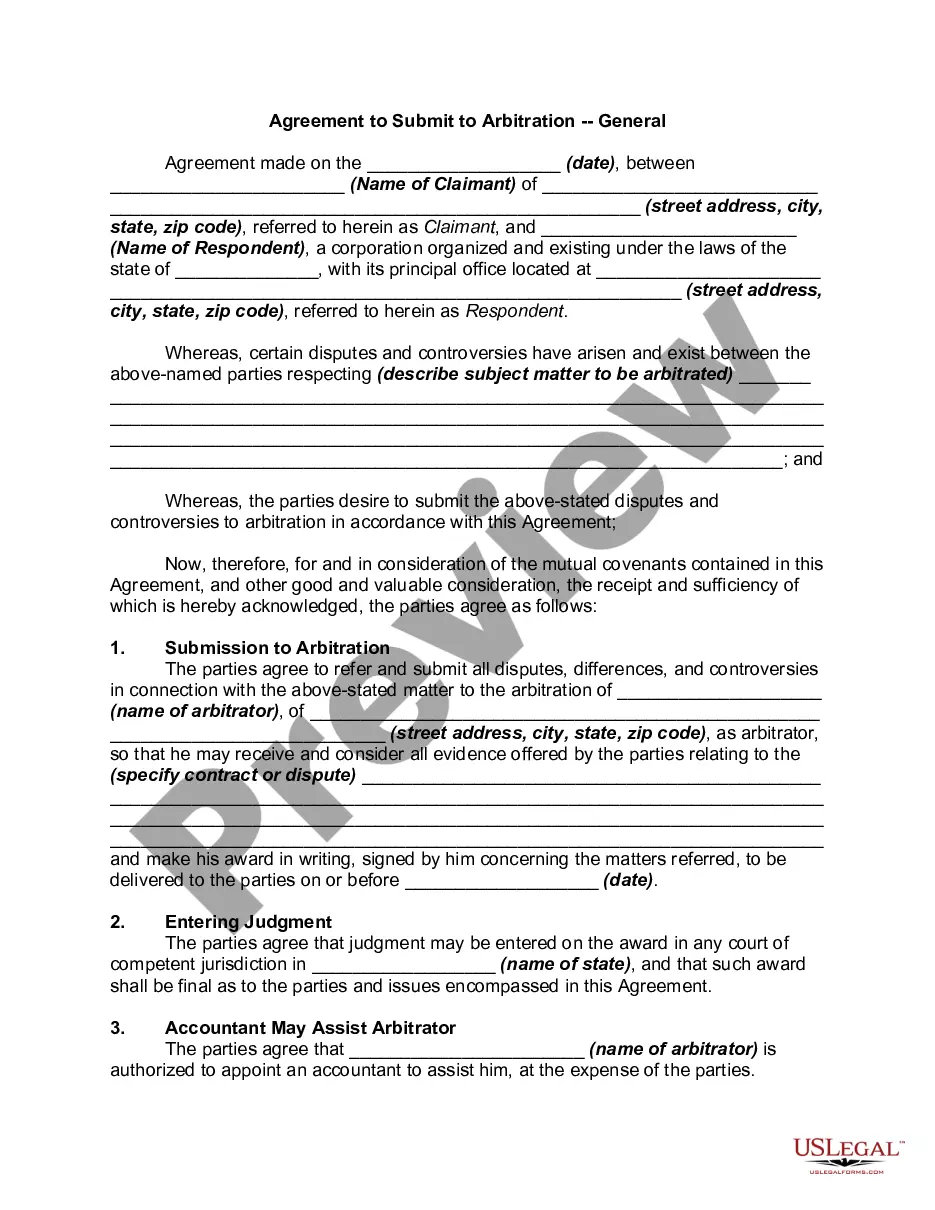
Most general civil cases valued at $50,000 and under may be ordered to judicial arbitration or to civil, court-ordered mediation (Local Rule 3210 (pdf )). Eligible case types include personal injury, business, contracts, collections, employment, and certain real property matters.
Arbitration is a process used to handle disputes outside of the court system. This form of alternative dispute resolution often provides a better option to a lengthy and expensive courtroom battle. Arbitration is performed out of court and the dispute is resolved by an impartial third party known as an arbitrator.
This law provides that arbitration agreements are generally valid and enforceable. The major exception to this provision is that the arbitration agreement is not enforceable if it violates the general law of contracts – which applies to all contracts under the law of the state that governs the agreement.
The arbitrator listens to both sides, looks at the evidence you've sent in and decides what the outcome should be. In some cases, the arbitrator may choose to have several meetings with you both. When the arbitrator makes a decision, this is called an award and it's legally binding.
Arbitration is a form of alternative dispute resolution (ADR) that offers parties involved in a legal dispute an alternative to traditional courtroom litigation. Unlike litigation, where disputes are resolved in court, arbitration takes place in a private setting, typically chosen by the parties involved.
Alternative dispute resolution (ADR) refers to the different ways people can resolve disputes without a trial. Common ADR processes include mediation, arbitration, and neutral evaluation. These processes are generally confidential, less formal, and less stressful than traditional court proceedings.
While parties are not required to have an attorney to participate in arbitration, arbitration is a final, legally-binding process that may impact a party's rights. As such, parties may want to consider consulting an attorney at any time before, during, or after the arbitration.
Arbitration is a procedure in which a dispute is submitted, by agreement of the parties, to one or more arbitrators who make a binding decision on the dispute. In choosing arbitration, the parties opt for a private dispute resolution procedure instead of going to court.