Withdraw Arbitration Case In Minnesota
Description

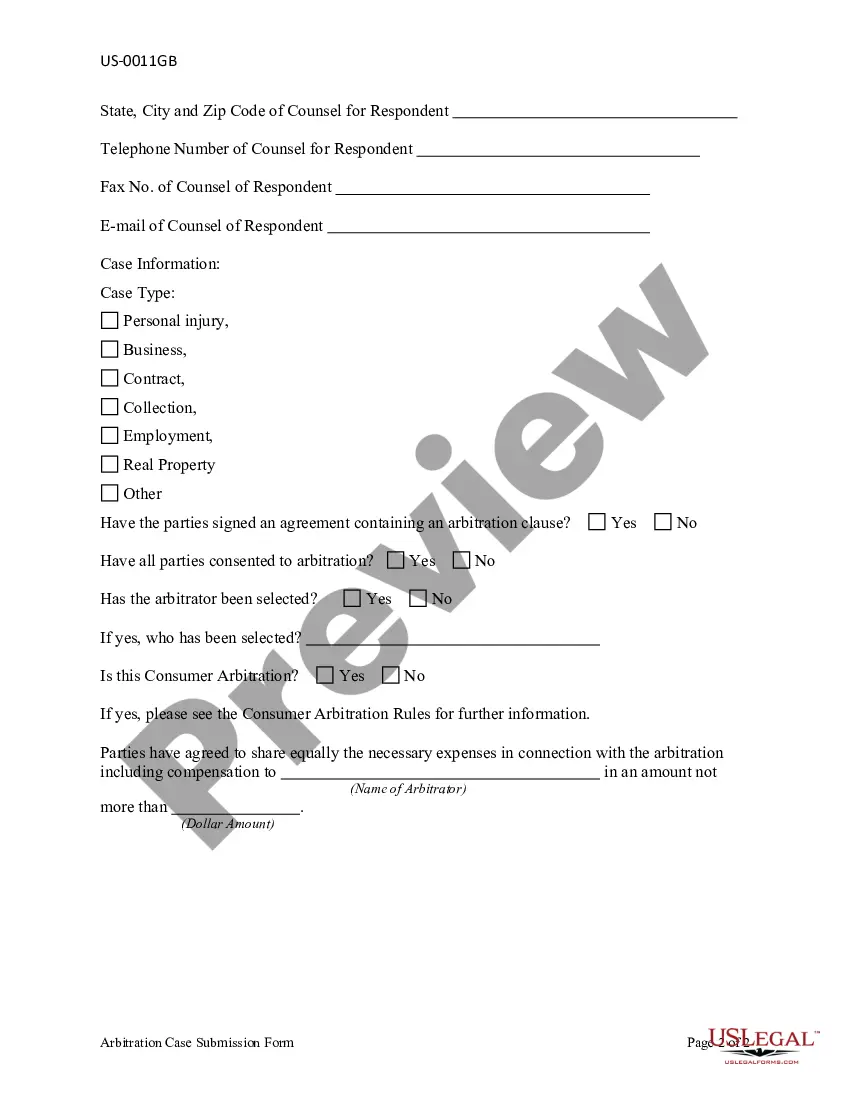

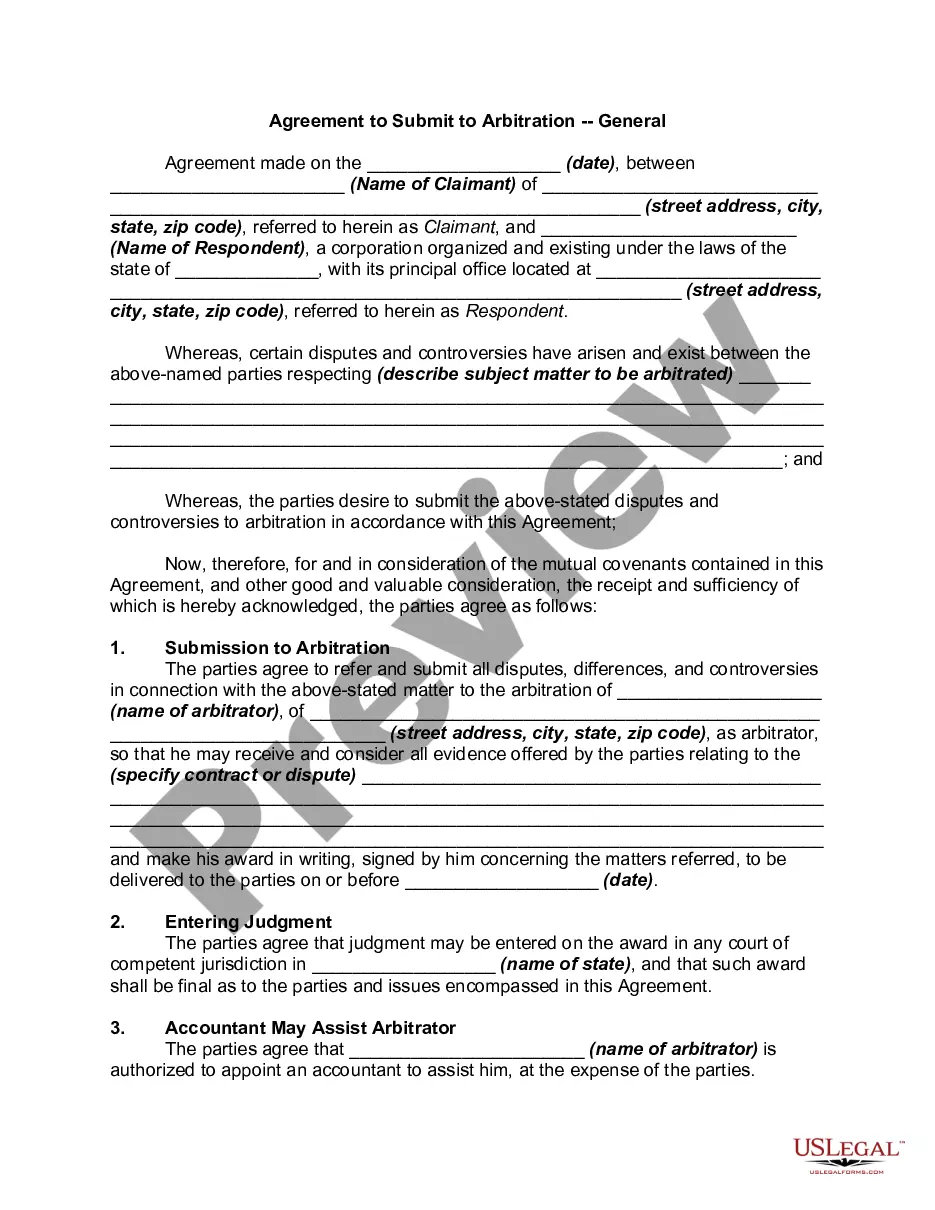

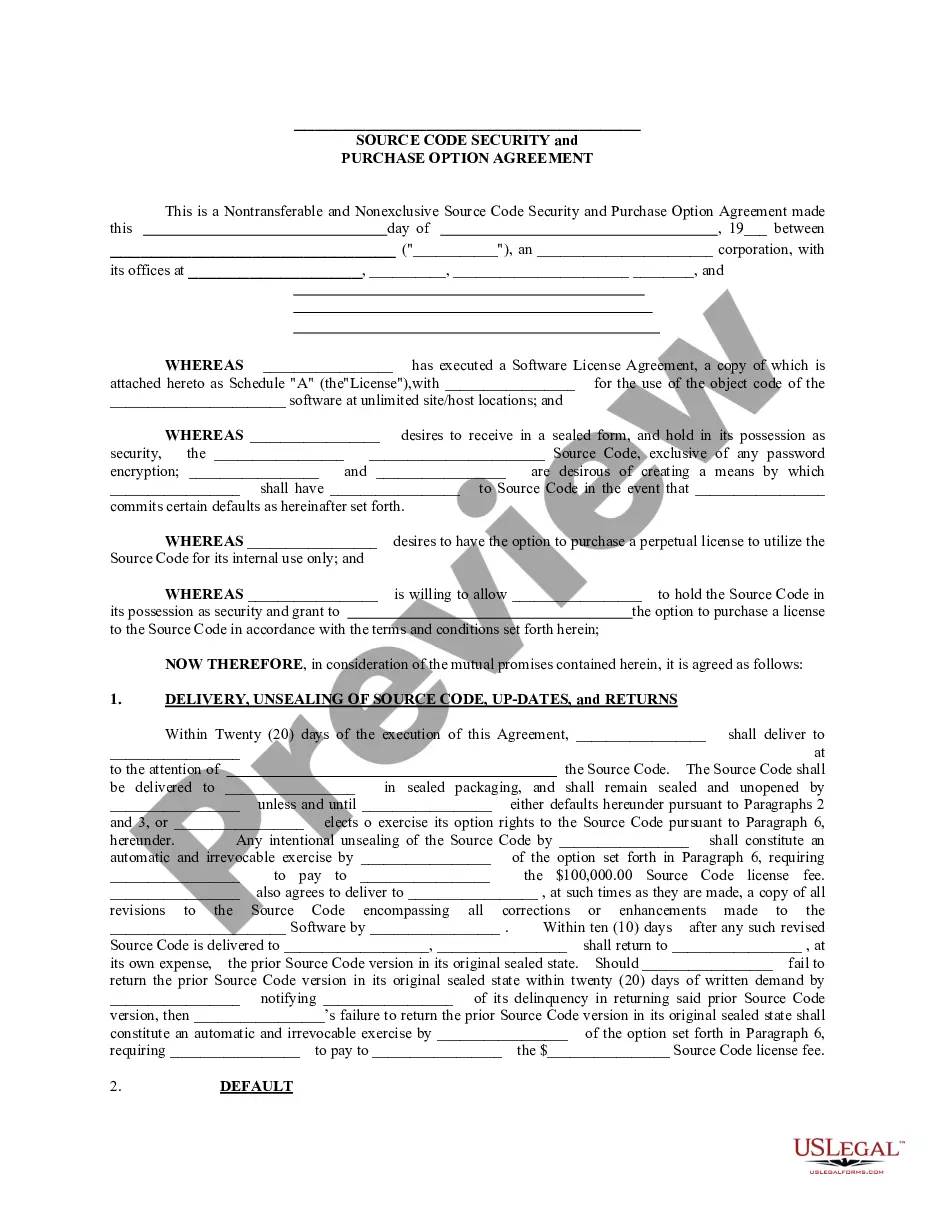
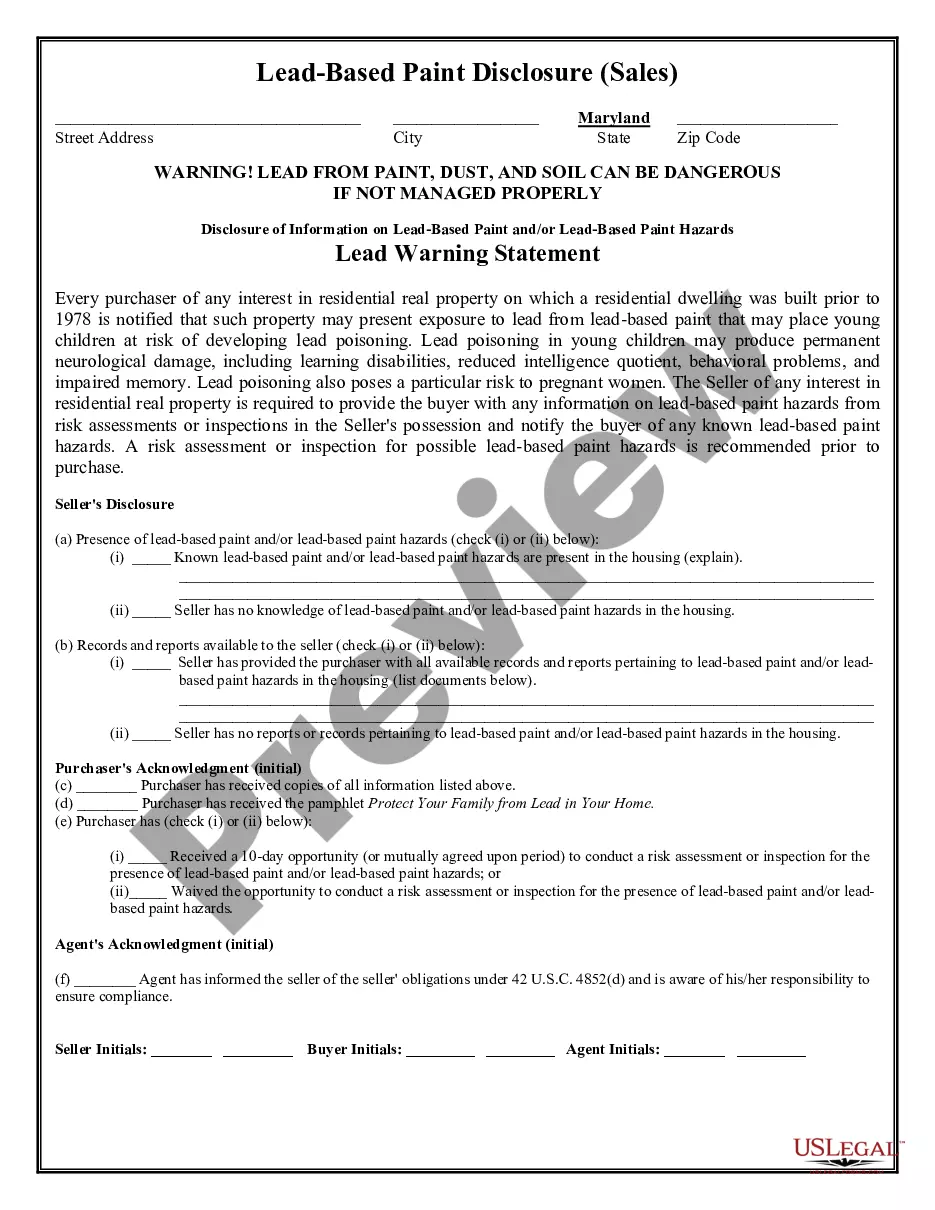
Get your form ready online
Our built-in tools help you complete, sign, share, and store your documents in one place.
Make edits, fill in missing information, and update formatting in US Legal Forms—just like you would in MS Word.
Download a copy, print it, send it by email, or mail it via USPS—whatever works best for your next step.
Sign and collect signatures with our SignNow integration. Send to multiple recipients, set reminders, and more. Go Premium to unlock E-Sign.
If this form requires notarization, complete it online through a secure video call—no need to meet a notary in person or wait for an appointment.
We protect your documents and personal data by following strict security and privacy standards.

Make edits, fill in missing information, and update formatting in US Legal Forms—just like you would in MS Word.

Download a copy, print it, send it by email, or mail it via USPS—whatever works best for your next step.

Sign and collect signatures with our SignNow integration. Send to multiple recipients, set reminders, and more. Go Premium to unlock E-Sign.

If this form requires notarization, complete it online through a secure video call—no need to meet a notary in person or wait for an appointment.

We protect your documents and personal data by following strict security and privacy standards.
Looking for another form?






Form popularity
FAQ
Once registered, the request for arbitration can no longer be withdrawn and a claimant seeking to withdraw from the proceedings will need to seek the “discontinuance” of the proceedings. It should be noted the Additional Facility Rules do not contain an analogous provision.
The written procedure usually consists of an exchange of a statement of claim and a statement of defense. The parties may agree on the number and sequence of written pleadings and the time limits for their submission.
In ICSID proceedings, a request for arbitration can be unilaterally withdrawn only before its registration. Once registered, the request for arbitration can no longer be withdrawn and a claimant seeking to withdraw from the proceedings will need to seek the “discontinuance” of the proceedings.
Interpleader. Persons having claims against the plaintiff may be joined as defendants and required to interplead, in an action brought for that purpose, when their claims are such that the plaintiff is or may be exposed to multiple liability.
Parties in arbitration may submit written motions in limine prior to a hearing, but it is just as effective in arbitration to raise such motions orally because the arbitrators are sophisticated enough to recognize matters that should not be admitted.
Motions to Dismiss. (1) Motions to dismiss a claim prior to the conclusion of a party's case in chief are discouraged in arbitration. (2) Motions under this rule must be made in writing, and must be filed separately from the answer, and only after the answer is filed.
(1) The arbitral proceedings shall be terminated by the final arbitral award or by an order of the arbitral tribunal under sub-section (2). (c) the arbitral tribunal finds that the continuation of the proceedings has for any other reason become unnecessary or impossible.
(1) The arbitral proceedings shall be terminated by the final arbitral award or by an order of the arbitral tribunal under sub-section (2). (c) the arbitral tribunal finds that the continuation of the proceedings has for any other reason become unnecessary or impossible.
But, in the absence of an agreement between all parties to end the proceedings, can a claimant unilaterally withdraw from an arbitration that it has commenced? The short answer is yes. No set of institutional rules prevents a party from abandoning claims it has raised in an arbitration.