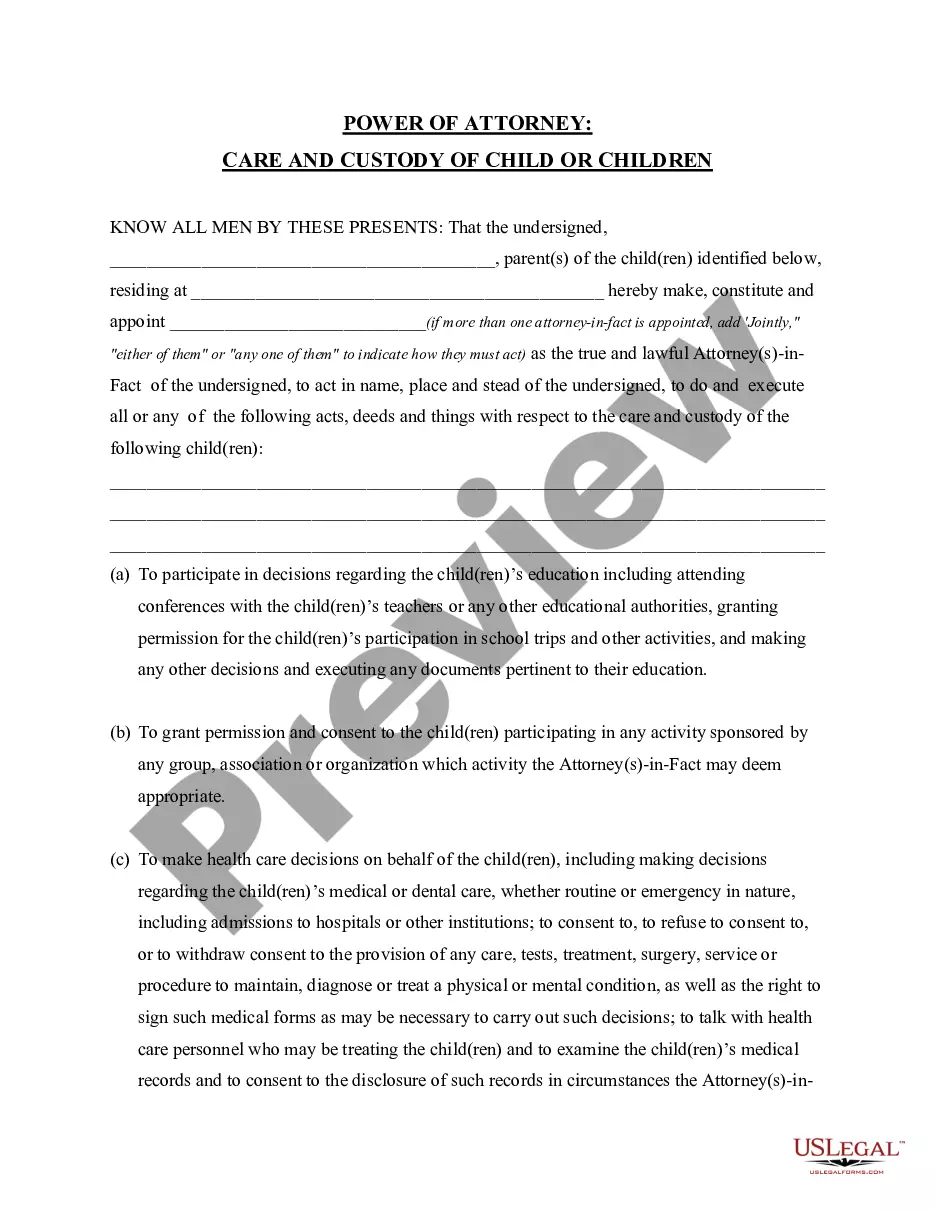
Arbitration Case In The News In Kings
Description

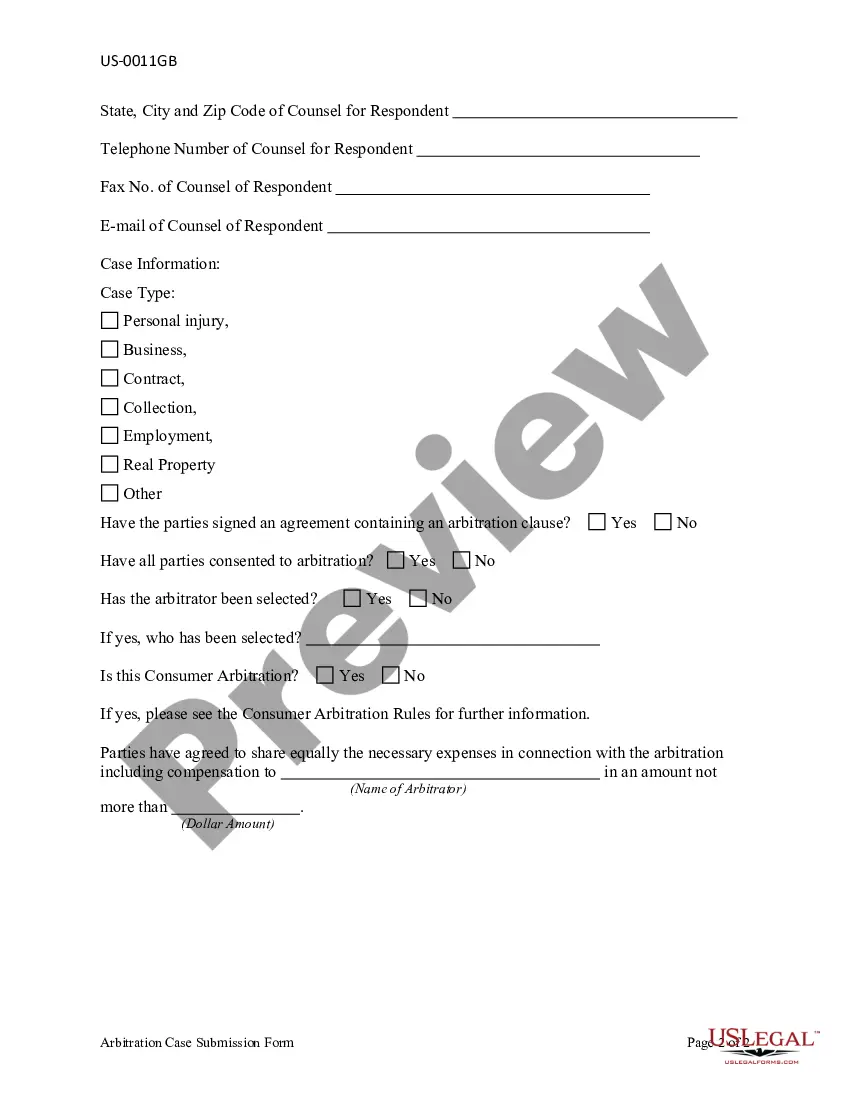

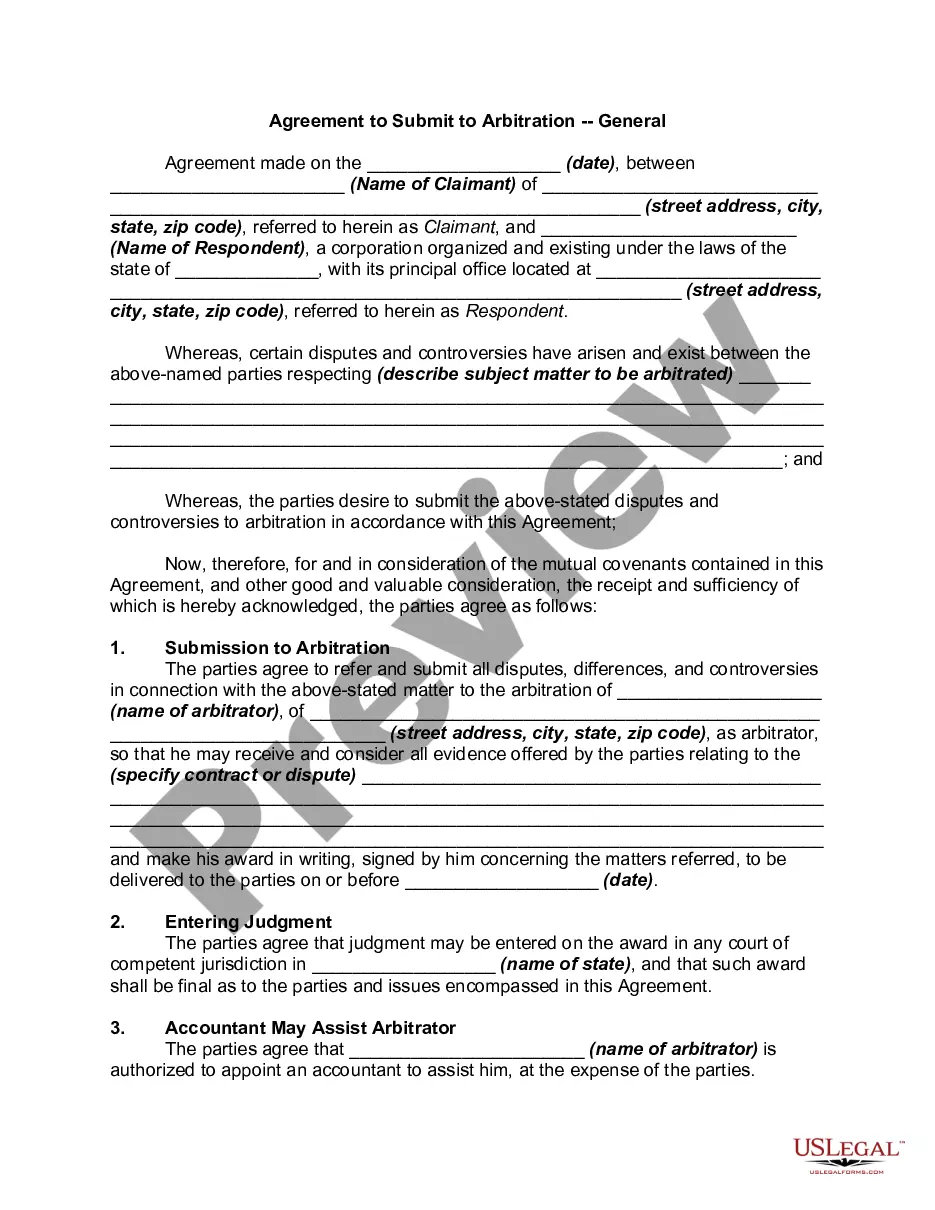

Get your form ready online
Our built-in tools help you complete, sign, share, and store your documents in one place.
Make edits, fill in missing information, and update formatting in US Legal Forms—just like you would in MS Word.
Download a copy, print it, send it by email, or mail it via USPS—whatever works best for your next step.
Sign and collect signatures with our SignNow integration. Send to multiple recipients, set reminders, and more. Go Premium to unlock E-Sign.
If this form requires notarization, complete it online through a secure video call—no need to meet a notary in person or wait for an appointment.
We protect your documents and personal data by following strict security and privacy standards.

Make edits, fill in missing information, and update formatting in US Legal Forms—just like you would in MS Word.

Download a copy, print it, send it by email, or mail it via USPS—whatever works best for your next step.

Sign and collect signatures with our SignNow integration. Send to multiple recipients, set reminders, and more. Go Premium to unlock E-Sign.

If this form requires notarization, complete it online through a secure video call—no need to meet a notary in person or wait for an appointment.

We protect your documents and personal data by following strict security and privacy standards.
Looking for another form?






Form popularity
FAQ
A primary objective of court-ordered arbitration programs is to reduce time to disposition. A number of factors influence a pro- gram's ability to achieve this goal, including the court's scheduling rules and procedures and the effect of arbitration on settlement behavior.
Yes. The Federal Arbitration Act, or FAA, was passed in 1925 in response to a variety of court decisions that held arbitration agreements unenforceable. This law provides that arbitration agreements are generally valid and enforceable.
There are typically seven stages of the arbitration process: Claimant Files a Claim. Respondent Submits Answer. Parties Select Arbitrators. Parties Attend Initial Prehearing Conference. Parties Exchange Discovery. Parties Attend Hearings. Arbitrators Deliberate and Render Award.
Instead, if a party wins in the arbitration and the other party does not do what the award says, the winning party may go to court to “confirm” the arbitration award.
File online using the New York Insurance ADR Center online version of the Arbitration Request form (AAA Form AR1). Upload documents stored on your desktop. In addition, the successful submission of a case in ADR Center immediately generates a case number that will assist the filer with tracking the status of the case.
A legislatively mandated or court administered scheme for the resolution of pending court cases (usually valued at under $50,000), utilizing informal rules of evidence and procedure in a non-binding, advisory arbitration process that is ordered by the court at an early stage of a lawsuit.
If the parties to an arbitration reach a mutual settlement, they can either terminate the arbitration proceedings or request the arbitrator to record their settlement as an arbitral award. The settlement agreement can then be enforced as a binding agreement between the parties.
After the opening statement, the claimants present evidence, that is, the details of their case. For example, they present witnesses and introduce any relevant documents. If the arbitrators did not swear a witness in at the beginning of a hearing, they will administer the oath before that person testifies.
Parties are encouraged to file their Requests electronically using ICC Case Connect. Via the Request form, claimant(s) will be invited to supply key information in relation to their Request, and to upload their Request and any relevant annexes.
A claimant will typically start arbitration by sending a document known as a “request for arbitration” or a “notice to arbitrate” to its opponent.