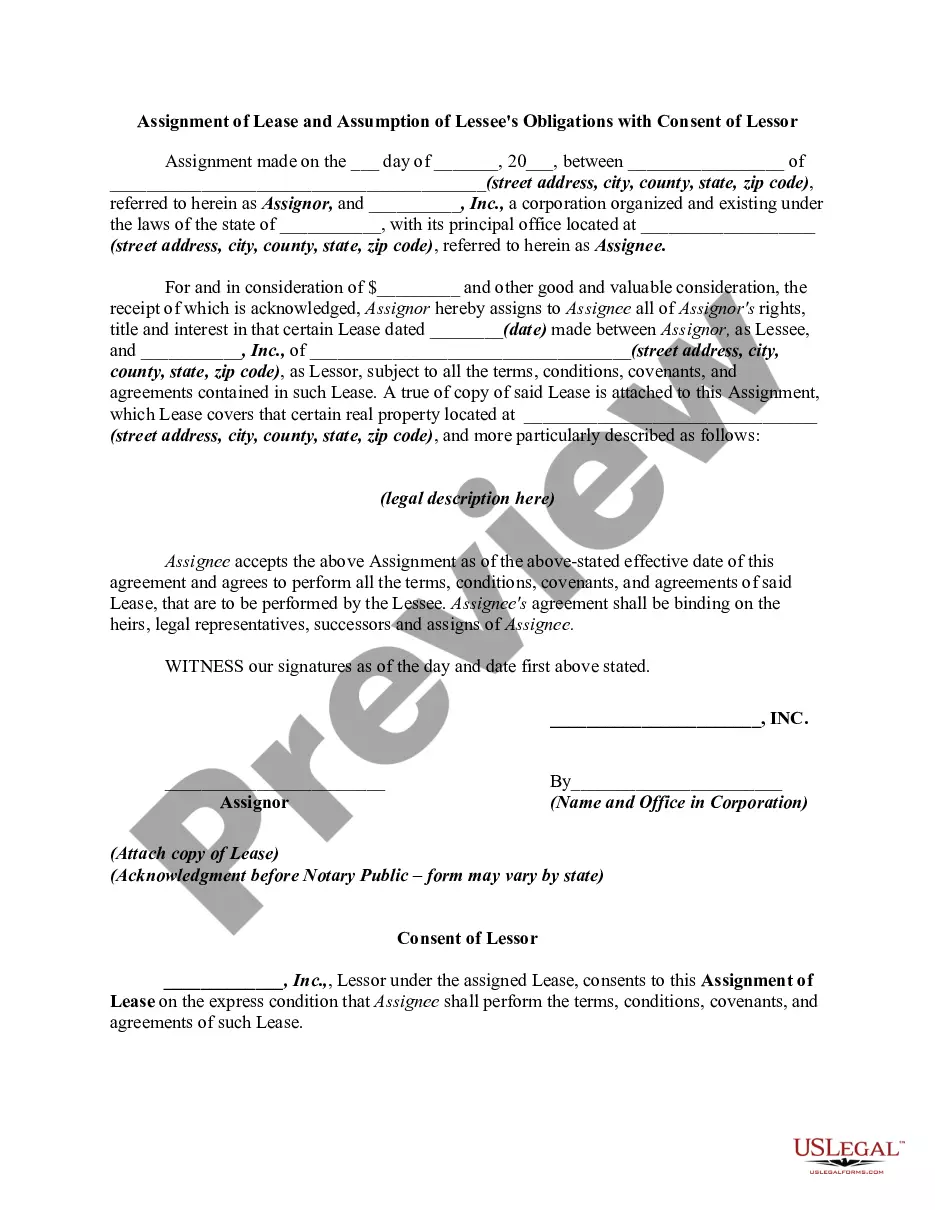
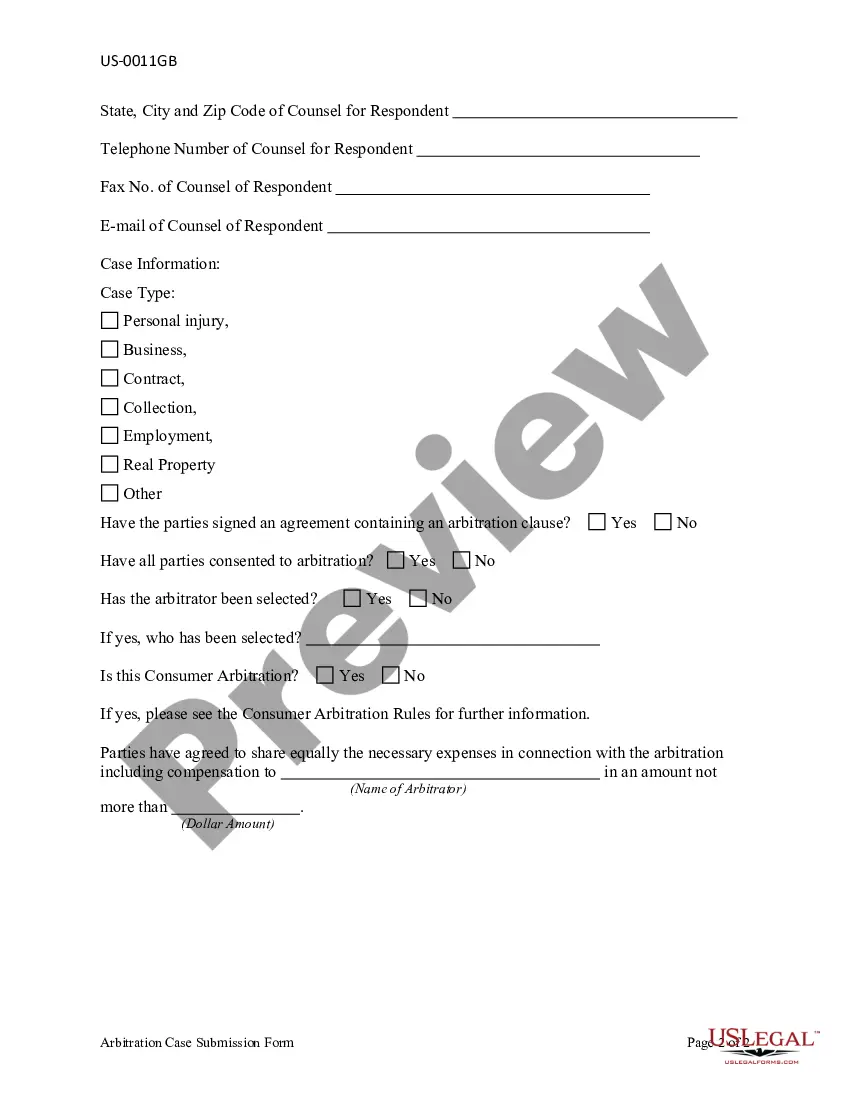
Withdraw Arbitration Case In Chicago
Description




Get your form ready online
Our built-in tools help you complete, sign, share, and store your documents in one place.
Make edits, fill in missing information, and update formatting in US Legal Forms—just like you would in MS Word.
Download a copy, print it, send it by email, or mail it via USPS—whatever works best for your next step.
Sign and collect signatures with our SignNow integration. Send to multiple recipients, set reminders, and more. Go Premium to unlock E-Sign.
If this form requires notarization, complete it online through a secure video call—no need to meet a notary in person or wait for an appointment.
We protect your documents and personal data by following strict security and privacy standards.

Make edits, fill in missing information, and update formatting in US Legal Forms—just like you would in MS Word.

Download a copy, print it, send it by email, or mail it via USPS—whatever works best for your next step.

Sign and collect signatures with our SignNow integration. Send to multiple recipients, set reminders, and more. Go Premium to unlock E-Sign.

If this form requires notarization, complete it online through a secure video call—no need to meet a notary in person or wait for an appointment.

We protect your documents and personal data by following strict security and privacy standards.
Looking for another form?

Form popularity
FAQ
In the absence of an agreement to postpone or where there is fewer than seven (7) days before the arbitration hearing, an application for postponement must be made in writing (see Rule 31) and the Commission will decide whether to postpone the matter. Postponement is not a right, but an indulgence.
But, in the absence of an agreement between all parties to end the proceedings, can a claimant unilaterally withdraw from an arbitration that it has commenced? The short answer is yes. No set of institutional rules prevents a party from abandoning claims it has raised in an arbitration.
(1) Unless the agreement otherwise provides, an arbitration agreement shall not be capable of being terminated except by consent of all the parties thereto. (c) order that the arbitration agreement shall cease to have effect with reference to any dispute referred.
Some contracts give you the right to opt out of the forced arbitration clause within a certain period of time, often 30 to 60 days, after signing the agreement by notifying the company that you wish to opt out. Check your contract for the deadline and for specific instructions for opting out.
Under federal and state laws, there are only a few ways to challenge an arbitrator's award. The Federal Arbitration Act (“FAA”) and some state laws provide the reasons why an award can be vacated (thrown out), modified (changed), or corrected. Those reasons are very limited in general.
India Code: Section Details. (1) The arbitral proceedings shall be terminated by the final arbitral award or by an order of the arbitral tribunal under sub-section (2). (c) the arbitral tribunal finds that the continuation of the proceedings has for any other reason become unnecessary or impossible.
(1) The arbitral proceedings shall be terminated by the final arbitral award or by an order of the arbitral tribunal under sub-section (2). (c) the arbitral tribunal finds that the continuation of the proceedings has for any other reason become unnecessary or impossible.
But, in the absence of an agreement between all parties to end the proceedings, can a claimant unilaterally withdraw from an arbitration that it has commenced? The short answer is yes. No set of institutional rules prevents a party from abandoning claims it has raised in an arbitration.
Some contracts give you the right to opt out of the forced arbitration clause within a certain period of time, often 30 to 60 days, after signing the agreement by notifying the company that you wish to opt out. Check your contract for the deadline and for specific instructions for opting out.
India Code: Section Details. (1) The arbitral proceedings shall be terminated by the final arbitral award or by an order of the arbitral tribunal under sub-section (2). (c) the arbitral tribunal finds that the continuation of the proceedings has for any other reason become unnecessary or impossible.