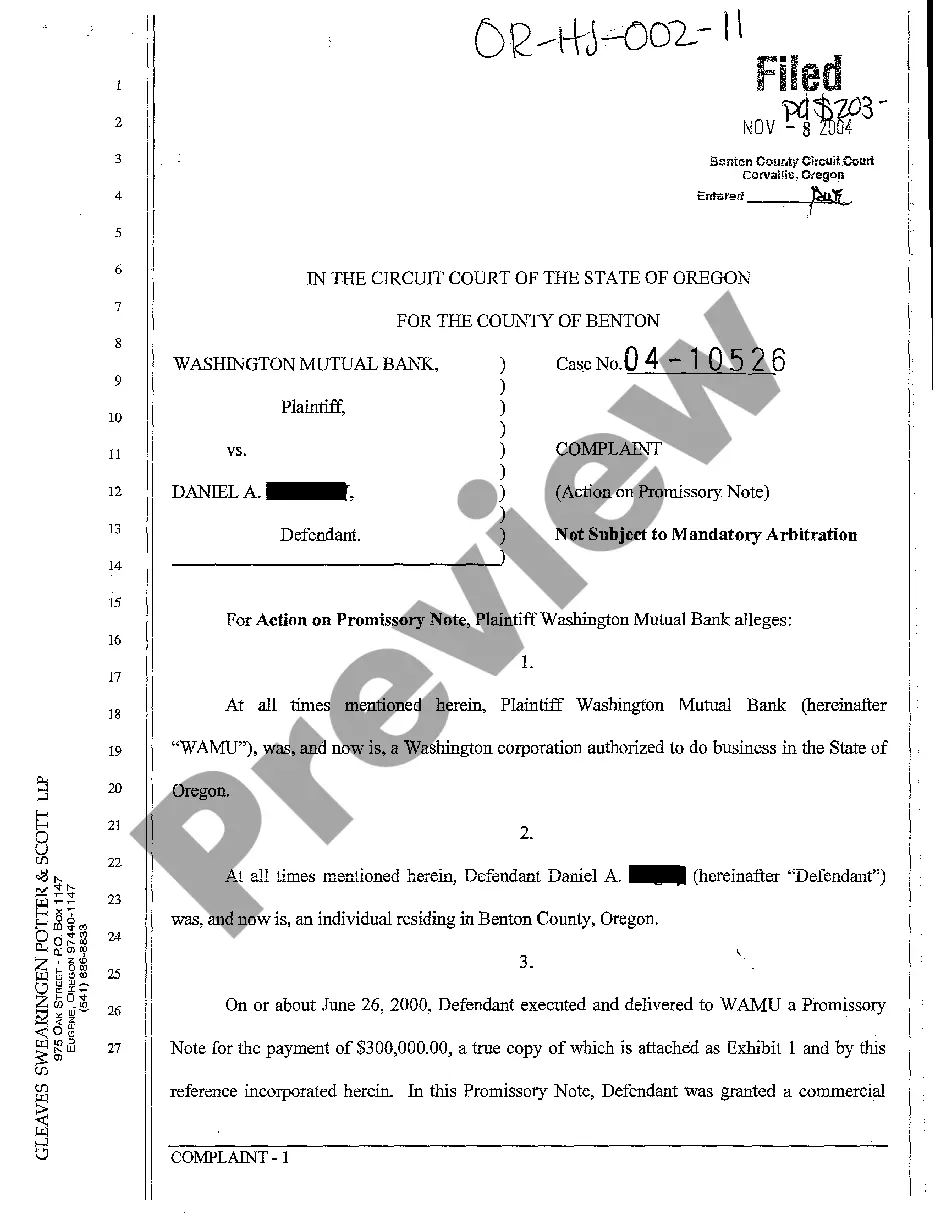
Arbitration Proceedings Format In Alameda
Description



Get your form ready online
Our built-in tools help you complete, sign, share, and store your documents in one place.
Make edits, fill in missing information, and update formatting in US Legal Forms—just like you would in MS Word.
Download a copy, print it, send it by email, or mail it via USPS—whatever works best for your next step.
Sign and collect signatures with our SignNow integration. Send to multiple recipients, set reminders, and more. Go Premium to unlock E-Sign.
If this form requires notarization, complete it online through a secure video call—no need to meet a notary in person or wait for an appointment.
We protect your documents and personal data by following strict security and privacy standards.

Make edits, fill in missing information, and update formatting in US Legal Forms—just like you would in MS Word.

Download a copy, print it, send it by email, or mail it via USPS—whatever works best for your next step.

Sign and collect signatures with our SignNow integration. Send to multiple recipients, set reminders, and more. Go Premium to unlock E-Sign.

If this form requires notarization, complete it online through a secure video call—no need to meet a notary in person or wait for an appointment.

We protect your documents and personal data by following strict security and privacy standards.
Looking for another form?





Form popularity
FAQ
The arbitrator will explain the process. Each side may present an uninterrupted opening statement setting forth its position as to the facts and the law. After opening statements, the parties present their evidence and witnesses. The arbitrator swears in the witnesses and makes rulings on the admissibility of evidence.
Mediation does not impose a solution and it is not binding until the parties reach and sign a settlement agreement. If a settlement cannot be reached, the parties are welcome to continue with the arbitration process. Unlike an arbitrator, a mediator has no power to decide a dispute.
How arbitration, mediation and conciliation are different from each other? Mediation and conciliation both are an informal process. Whereas, arbitration is more formal as compared to them. In mediation, the mediator generally sets out alternatives for the parties to reach out an agreement.
Arbitration is like the court process as parties still provide testimony and give evidence similar to a trial but it is usually less formal. In mediation, the process is a negotiation with the assistance of a neutral third party. The parties do not reach a resolution unless all sides agree.
About the arbitration process Arbitration can be a much more formal and structured process than mediation or conciliation. In some ways it is more similar to court, because at the end of the session the arbitrator makes a binding decision.
Mediation does not impose a solution and it is not binding until the parties reach and sign a settlement agreement. If a settlement cannot be reached, the parties are welcome to continue with the arbitration process. Unlike an arbitrator, a mediator has no power to decide a dispute.
Probably the easiest first step is to begin by reaching out to arbitrators and other neutrals who you know and ask them for advice and honest feedback about how you would be received by other advocates. All an arbitrator has is their reputation and it's good to know what yours is.
Lastly, arbitration involves an arbitrator, who is a neutral professional, whose role is to hear the parties and make a final decision. Arbitration is a more formal process than negotiation and mediation, because the decision is usually final.
Arbitration is a procedure, much like a trial but less formal. Instead of a decision being made by a judge or jury, an arbitrator hears the evidence and makes a decision.
Unlike litigation, arbitration is generally less formal, more confidential, and can be tailored to the specific needs of the parties. This makes it particularly attractive in complex commercial disputes, where the nuances of the industry and the need for specialised knowledge are paramount.