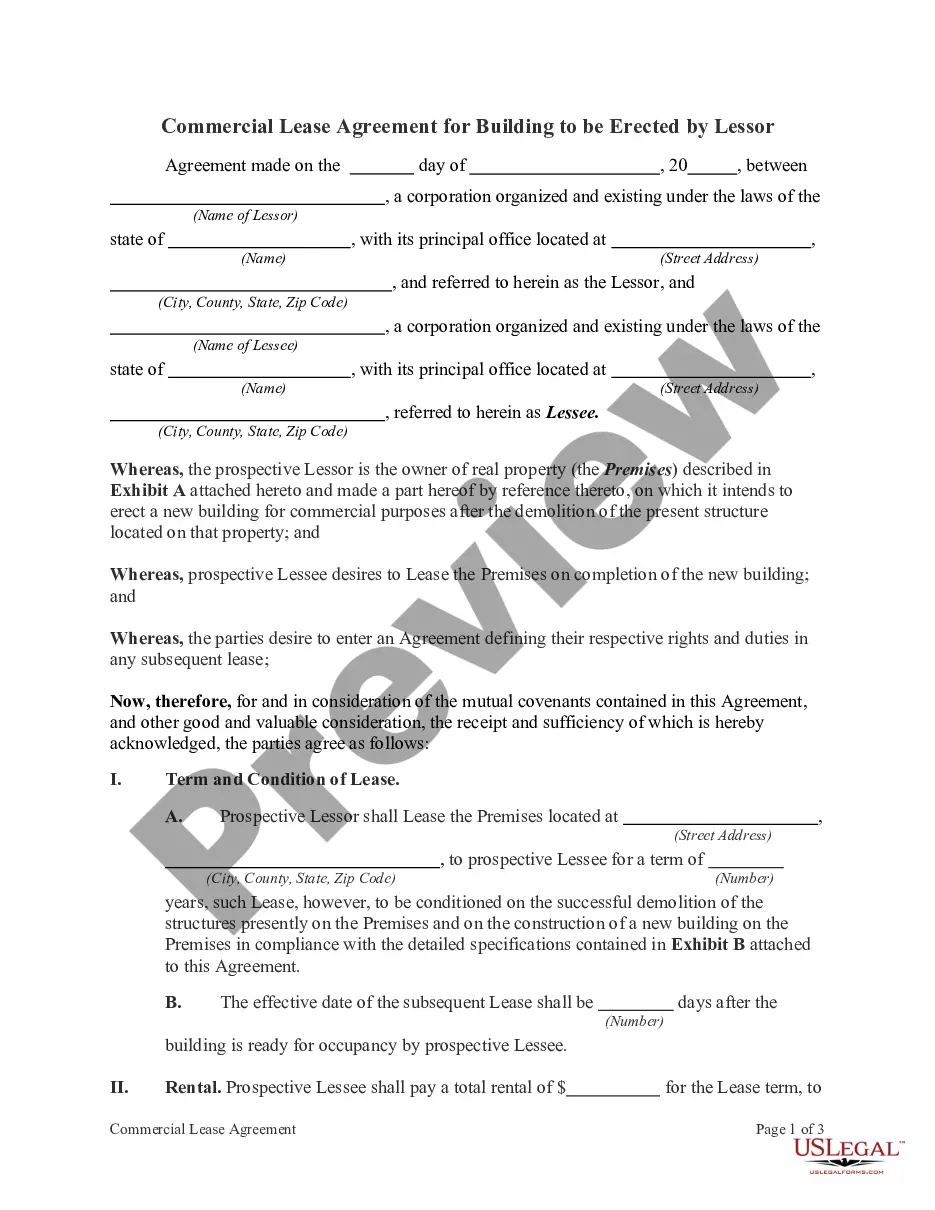
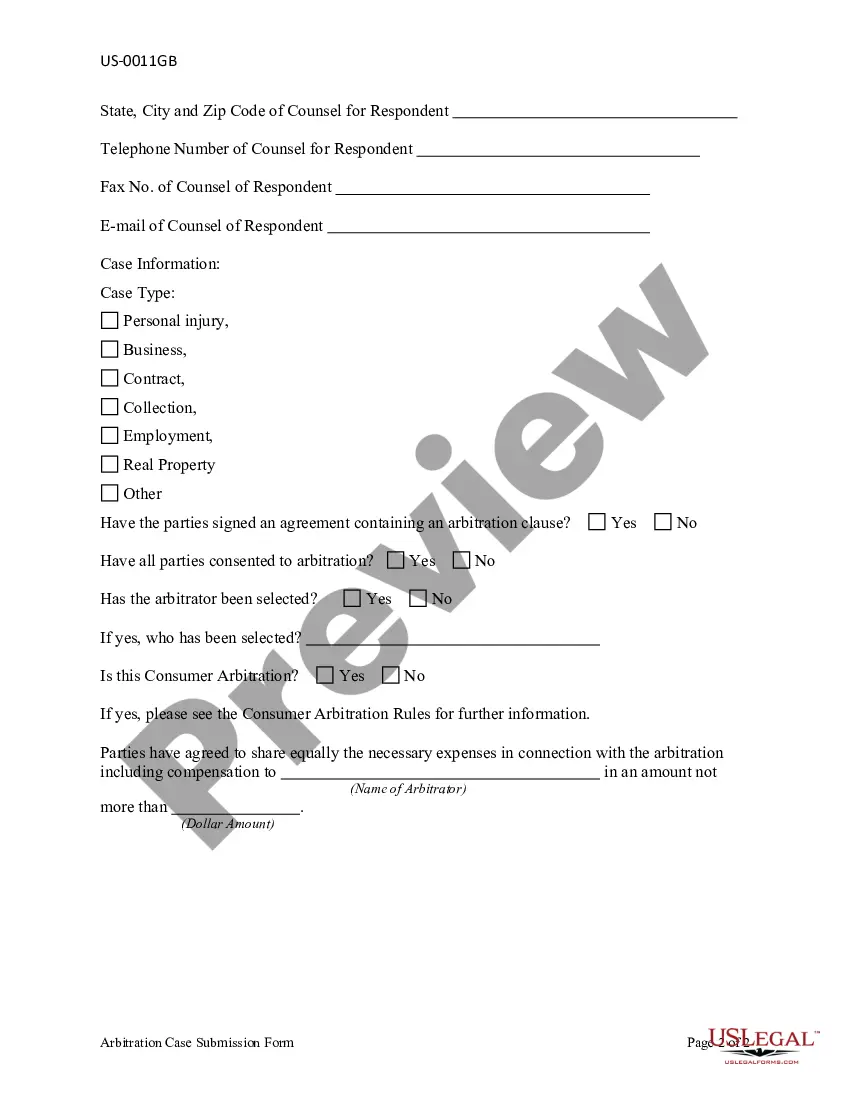
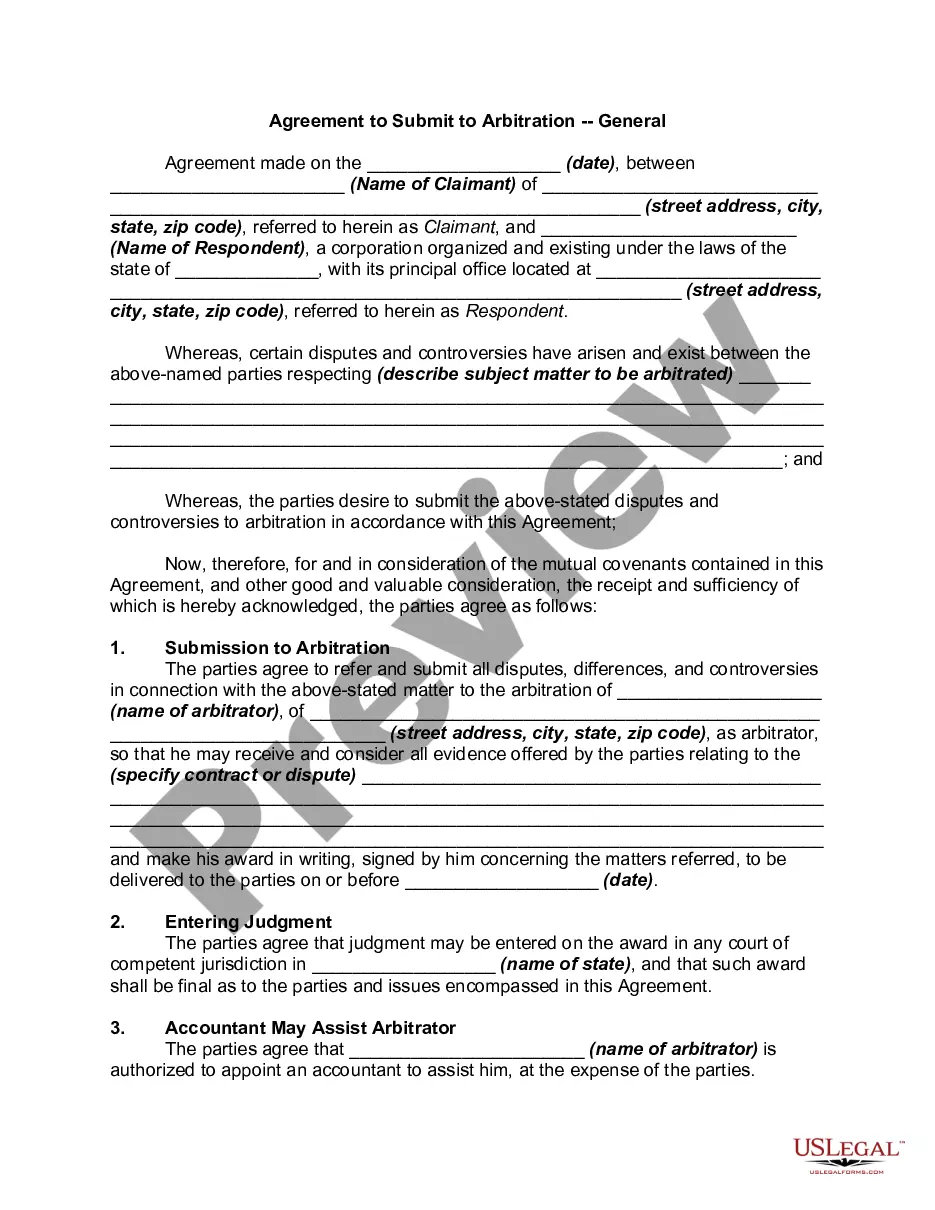
Arbitration Case Examples In Alameda
Description



Get your form ready online
Our built-in tools help you complete, sign, share, and store your documents in one place.
Make edits, fill in missing information, and update formatting in US Legal Forms—just like you would in MS Word.
Download a copy, print it, send it by email, or mail it via USPS—whatever works best for your next step.
Sign and collect signatures with our SignNow integration. Send to multiple recipients, set reminders, and more. Go Premium to unlock E-Sign.
If this form requires notarization, complete it online through a secure video call—no need to meet a notary in person or wait for an appointment.
We protect your documents and personal data by following strict security and privacy standards.

Make edits, fill in missing information, and update formatting in US Legal Forms—just like you would in MS Word.

Download a copy, print it, send it by email, or mail it via USPS—whatever works best for your next step.

Sign and collect signatures with our SignNow integration. Send to multiple recipients, set reminders, and more. Go Premium to unlock E-Sign.

If this form requires notarization, complete it online through a secure video call—no need to meet a notary in person or wait for an appointment.

We protect your documents and personal data by following strict security and privacy standards.
Looking for another form?









Form popularity
FAQ
These cases range from breach of contract or licensing agreements, business torts, and franchise to construction and infrastructure disputes in companies from start-ups to the Fortune 500 in a variety of industries.
Arbitration has four types of functions: resolving contractual disputes between management and labor, addressing interests of different parties in bargaining situations such as public sector labor relations, settling litigated claims through court-annexed programs, and resolving community disputes.
Most general civil cases valued at $50,000 and under may be ordered to judicial arbitration or to civil, court-ordered mediation (Local Rule 3210 (pdf )). Eligible case types include personal injury, business, contracts, collections, employment, and certain real property matters.
Arguments should flow easily from the relevant facts and applicable law. Avoid exaggerating the strengths of your case as well as disparaging the opposing side. Remember that professionalism and credibility are critical to persuasiveness.
Disputes involving joint ventures, construction projects, partnership differences, intellectual property rights, personal injury, product liabilities, professional liability, real estate securities, contract interpretation and performance, insurance claim and Banking & non-Banking transaction disputes fall within the ...
No. In many cases, if your contract states that all claims must be pursued through arbitration, then you can't sue in court. You must use arbitration. If your contract does not specify arbitration, you can go to court, but not after you've gone through binding arbitration.
Cases that are $50,000 or less must go into arbitration. Examples include a personal injury case from an automobile accident, a disagreement about a contract, or some other type of case that doesn't involve criminal charges.
FINRA requires investors and other parties to file their arbitration claims via the DR Portal—except for investors representing themselves, who have the option to file by mail. If you are new to the DR Portal, please create an account. Login to the DR Portal and select “File a New Arbitration Claim” in the left column.
Parties are encouraged to file their Requests electronically using ICC Case Connect. Via the Request form, claimant(s) will be invited to supply key information in relation to their Request, and to upload their Request and any relevant annexes.
A claimant will typically start arbitration by sending a document known as a “request for arbitration” or a “notice to arbitrate” to its opponent.