Irs Publication 783 With Scope For Sale In Washington
Description

Get your form ready online
Our built-in tools help you complete, sign, share, and store your documents in one place.
Make edits, fill in missing information, and update formatting in US Legal Forms—just like you would in MS Word.
Download a copy, print it, send it by email, or mail it via USPS—whatever works best for your next step.
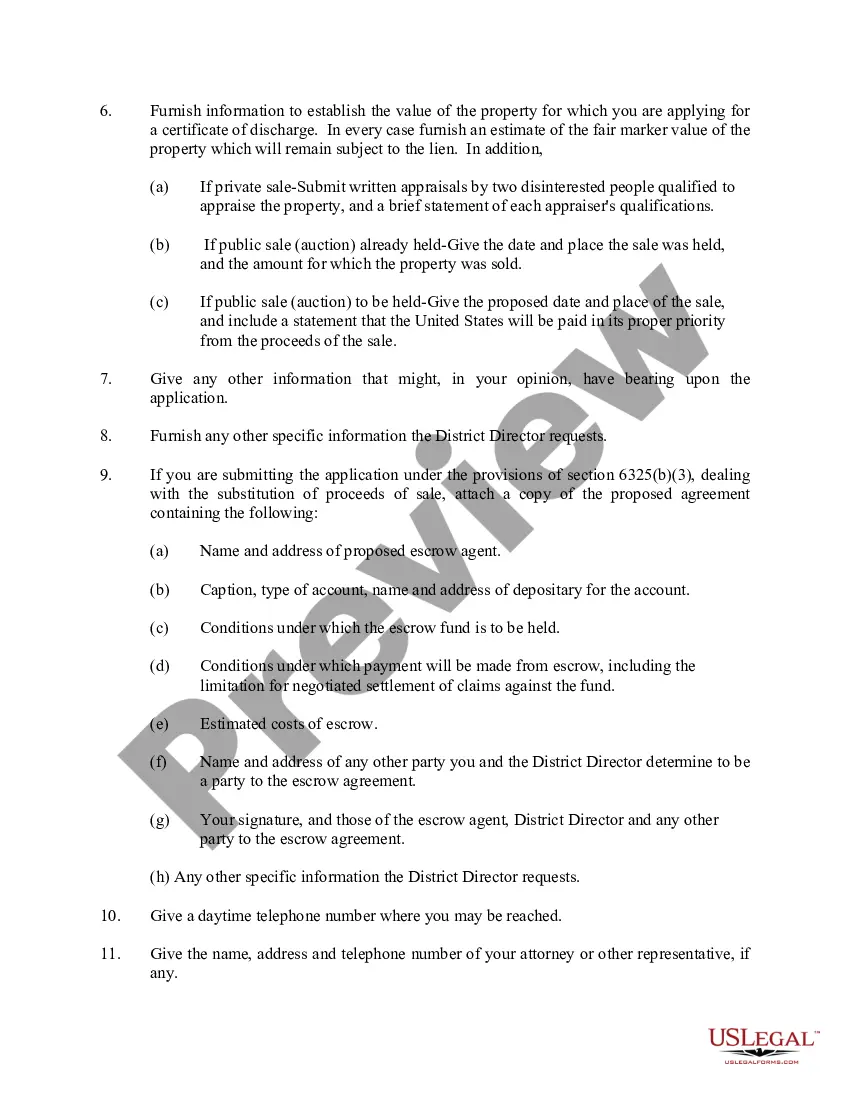
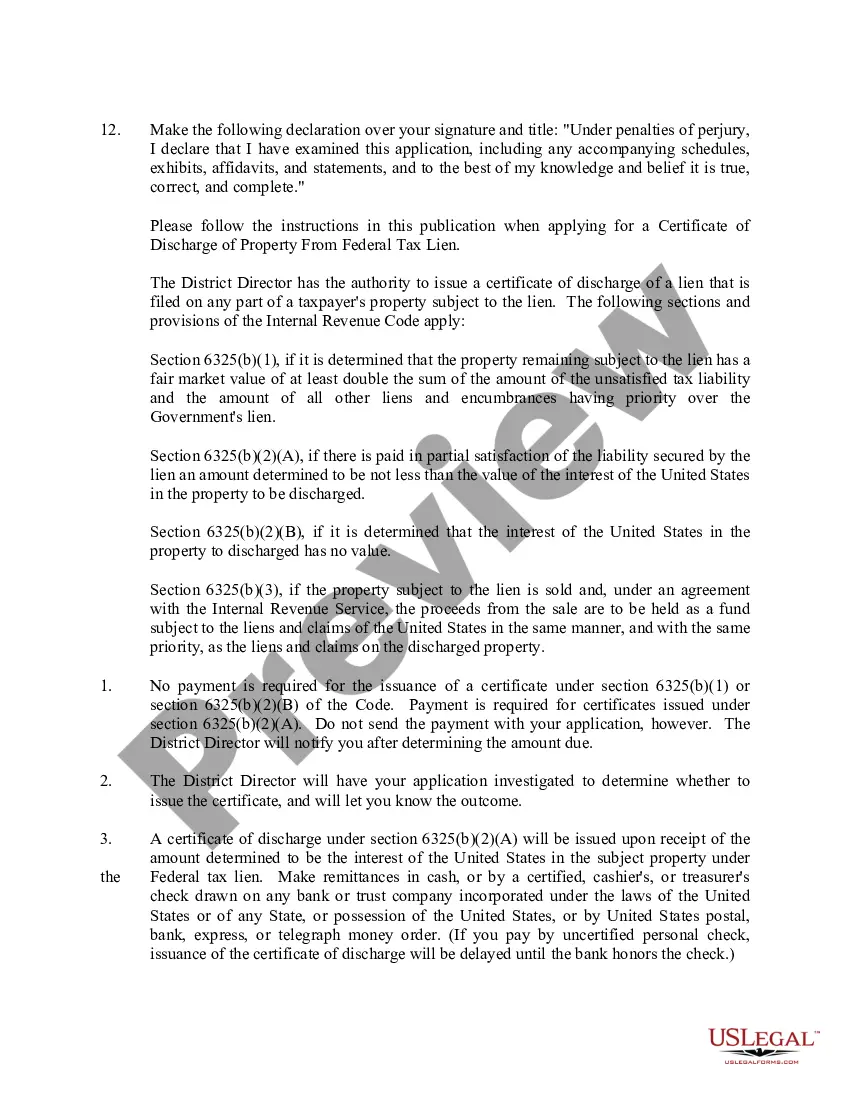
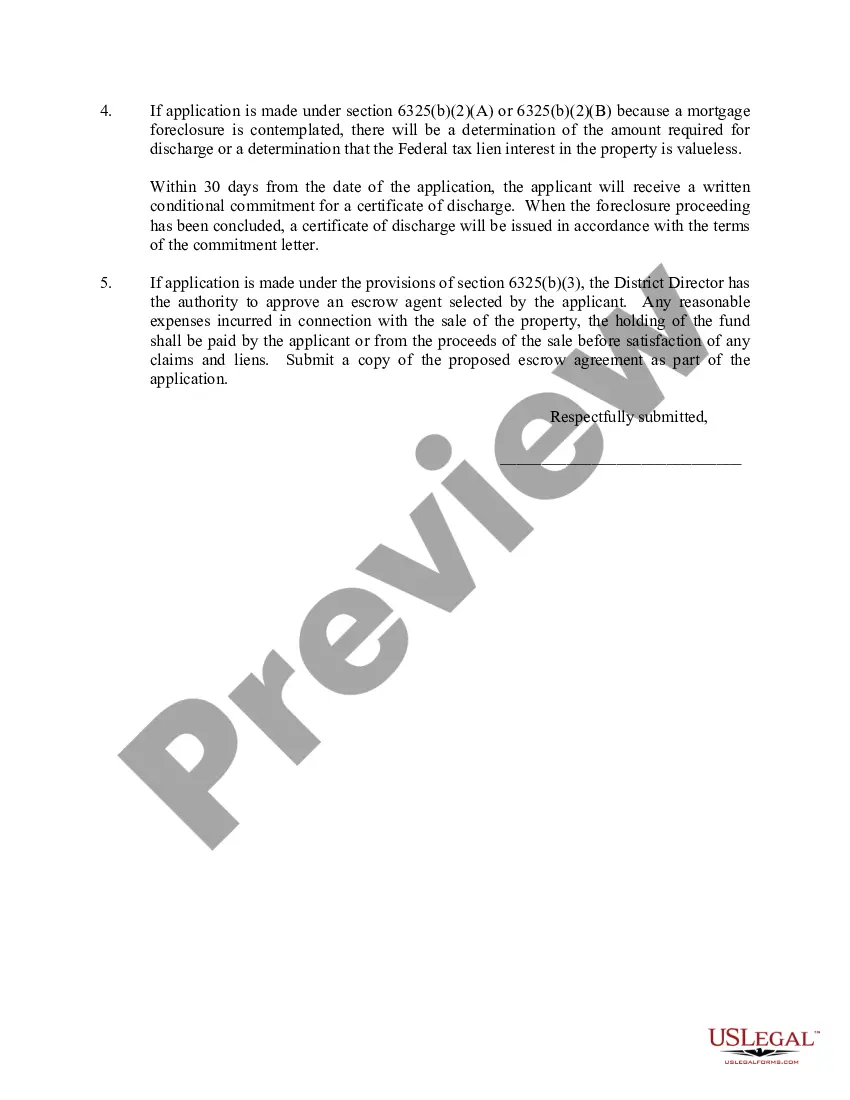
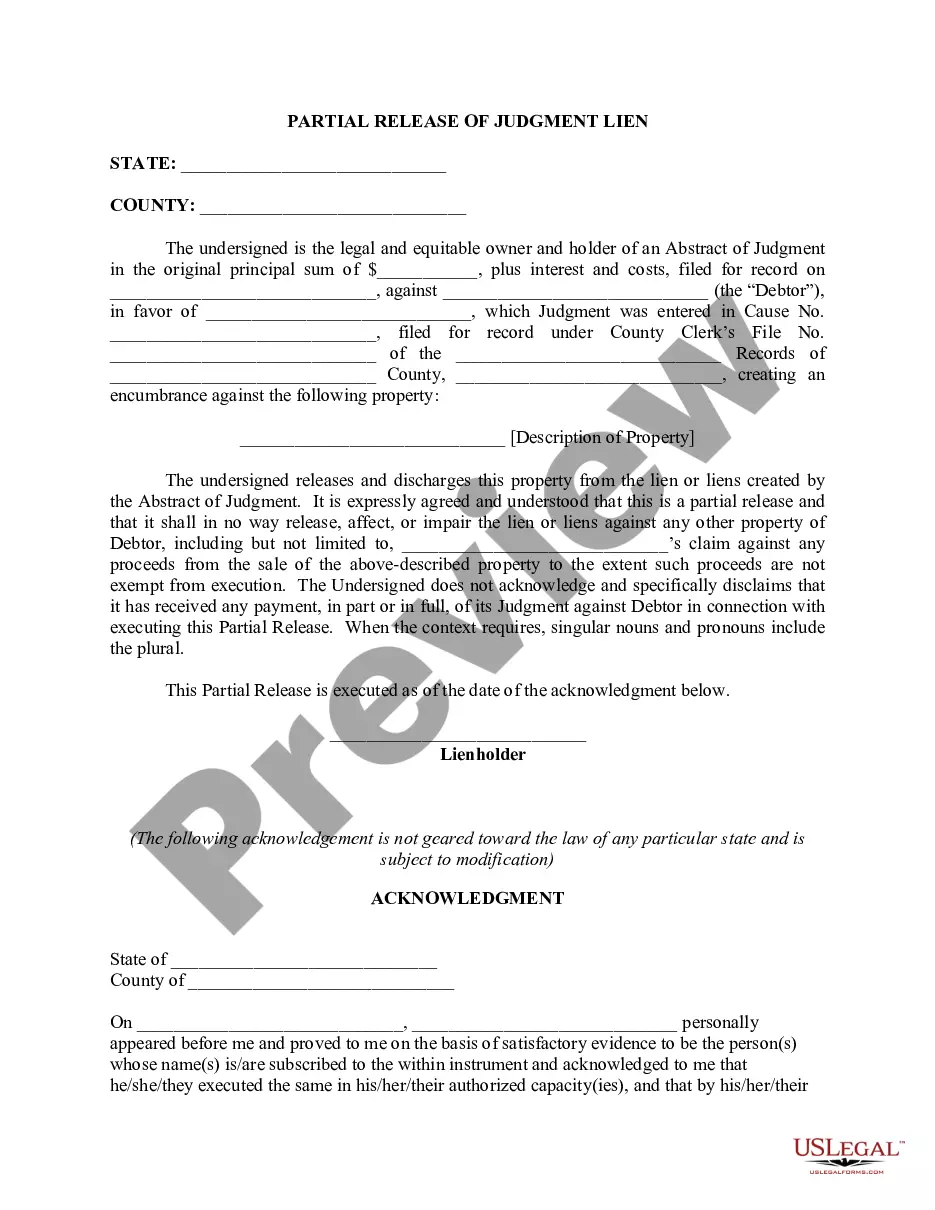
Sign and collect signatures with our SignNow integration. Send to multiple recipients, set reminders, and more. Go Premium to unlock E-Sign.
If this form requires notarization, complete it online through a secure video call—no need to meet a notary in person or wait for an appointment.
We protect your documents and personal data by following strict security and privacy standards.

Make edits, fill in missing information, and update formatting in US Legal Forms—just like you would in MS Word.

Download a copy, print it, send it by email, or mail it via USPS—whatever works best for your next step.

Sign and collect signatures with our SignNow integration. Send to multiple recipients, set reminders, and more. Go Premium to unlock E-Sign.

If this form requires notarization, complete it online through a secure video call—no need to meet a notary in person or wait for an appointment.

We protect your documents and personal data by following strict security and privacy standards.
Looking for another form?





Form popularity
FAQ
Use Form 8949 to report sales and exchanges of capital assets. Form 8949 allows you and the IRS to reconcile amounts that were reported to you and the IRS on Forms 1099-B or 1099-S (or substitute statements) with the amounts you report on your return.
You'll need to use the federal Schedule 3 form to report any capital gain (or loss) you have from the disposition (sale or transfer) of a capital property – specifically, shares, bonds, debts, land, or buildings – and if you want to claim a capital gains reserve .
You'll use Schedule D to report capital gains and losses from selling or trading certain assets during the year. Capital assets include personal items like stocks, bonds, homes, cars, artwork, collectibles, and cryptocurrency. You need to report gains and losses from selling these assets.
For tax purposes, when you sell an investment for more than you bought it, you realize a capital gain. This gain is taxable, and the tax rate depends on the length of time you hold the stock before selling it. Short-term capital gain: A short-term capital gain occurs when you sell assets you owned for one year or less.
You must report all 1099-B transactions on Schedule D (Form 1040), Capital Gains and Losses and you may need to use Form 8949, Sales and Other Dispositions of Capital Assets. This is true even if there's no net capital gain subject to tax. You must first determine if you meet the holding period.
What is a Tax Lien Sale? A public auction, mandated by state statute, of tax liens. Tax liens are sold for the amount of delinquent taxes, interest charges and related fees due to a County. A tax lien does NOT convey ownership to a property.
If there is a federal tax lien on your home, you must satisfy the lien before you can sell or refinance your home. There are a number of options to satisfy the tax lien.
These forms and publications are available on the Internet, on CD-ROM, through fax on demand, over the telephone, through the mail, at local IRS offices, at some banks, post offices, and libraries, and even at some grocery stores, copy centers and office supply stores.
IRS routine access procedures Use the Get Transcript tool. Send a completed Form 4506-T. In addition to the tax return and account transcripts available through the Get Transcript tool, you may also request wage and income transcripts and a verification of non-filing letter. Call. Individuals: 800-908-9946.