Asamblea Acta With English Translation In Florida
Description

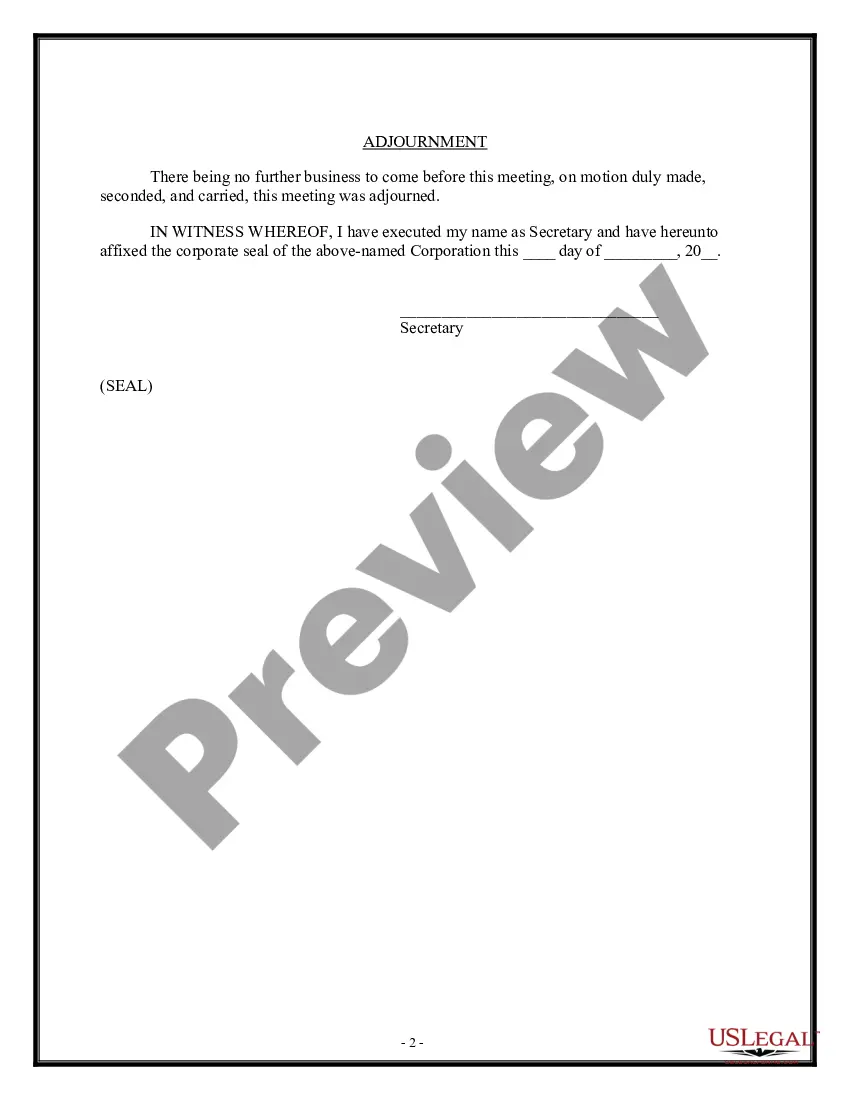
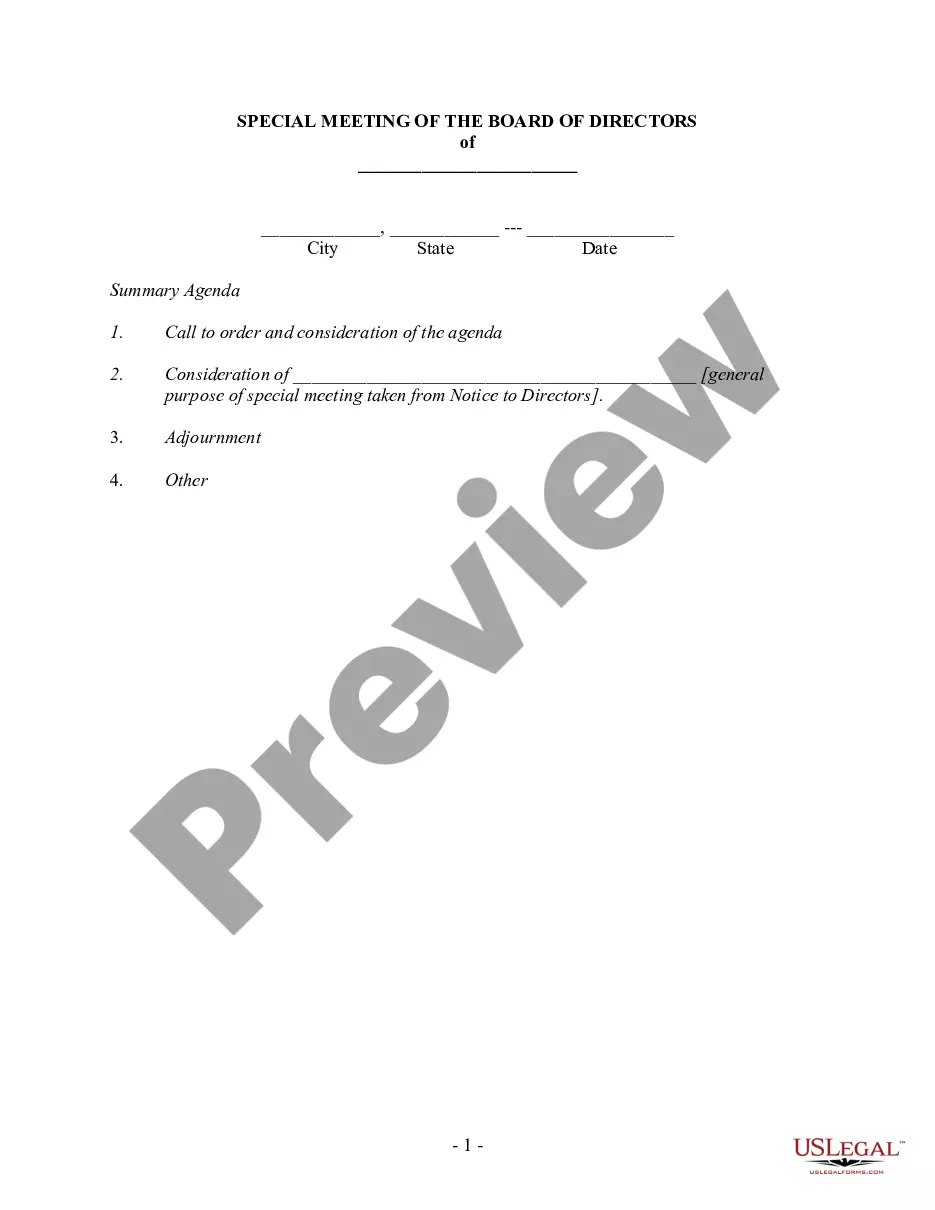

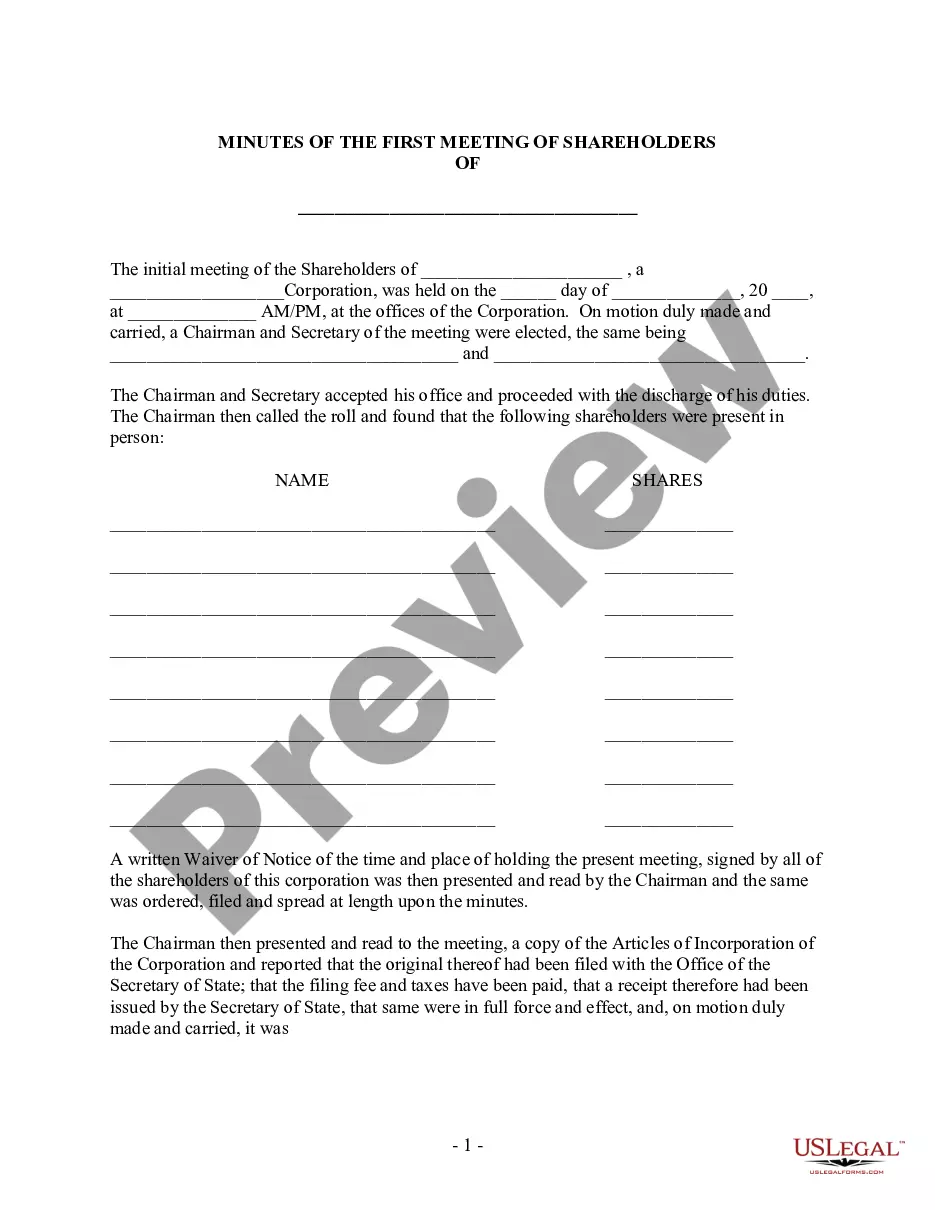
Get your form ready online
Our built-in tools help you complete, sign, share, and store your documents in one place.
Make edits, fill in missing information, and update formatting in US Legal Forms—just like you would in MS Word.
Download a copy, print it, send it by email, or mail it via USPS—whatever works best for your next step.
Sign and collect signatures with our SignNow integration. Send to multiple recipients, set reminders, and more. Go Premium to unlock E-Sign.
If this form requires notarization, complete it online through a secure video call—no need to meet a notary in person or wait for an appointment.
We protect your documents and personal data by following strict security and privacy standards.

Make edits, fill in missing information, and update formatting in US Legal Forms—just like you would in MS Word.

Download a copy, print it, send it by email, or mail it via USPS—whatever works best for your next step.

Sign and collect signatures with our SignNow integration. Send to multiple recipients, set reminders, and more. Go Premium to unlock E-Sign.

If this form requires notarization, complete it online through a secure video call—no need to meet a notary in person or wait for an appointment.

We protect your documents and personal data by following strict security and privacy standards.
Looking for another form?





Form popularity
FAQ
In your browser, go to Google Translate. At the top, click Documents. Choose the languages to translate to and from. To automatically set the original language of a document, click Detect language.
Apostille is a method of certifying a document for use in another country. La apostilla es un método para certificar un documento para su uso en otro país.
Etymology. From Spanish florida (“flowery”), often referring to a place's abundance of flowers. The state's name specifically is a shortening of la Florida (“the flowery one”) or Pascua Florida (“flowery Easter”). It is the oldest surviving European-given place-name in the US.
To translate a birth certificate, turn to certified translation services, local university language departments, or established online platforms.
In the United States, any individual or company can certify a translation. The translator does not need to be certified or accredited by an organization such as the American Translators Association. This means that you or a family member could certify your translations.
You or a family member may generally translate your own documents if you can certify that you are competent in both languages. (Ultimately, this is up to the discretion of the USCIS officer.)
Notarizing a translated document is relatively straightforward. The translator will sign their translation in front of the notary public, who will then notarize it. The notary usually requests an ID from the translator so they can verify their identity.
Steps to Translate a Birth Certificate Legally 1 – Find a Certified Translation Service. 2 – Submit the Original Document. 3 – Translation Process. 4 – Certification and Notarization. 5 – Submission to Authorities.
To certify a translation, a professional translator (or an accredited translation agency) must provide a signed & stamped statement of truth stating that it is a true and accurate representation of the original document you provided.
Notarised translations have been certified by a notary While certified translations must be completed by an official translator or equivalent, and have a focus on quality, notarised translations have more of a focus on following official procedures.