Resignation Letter Gracefully With No Reason In Utah
Description
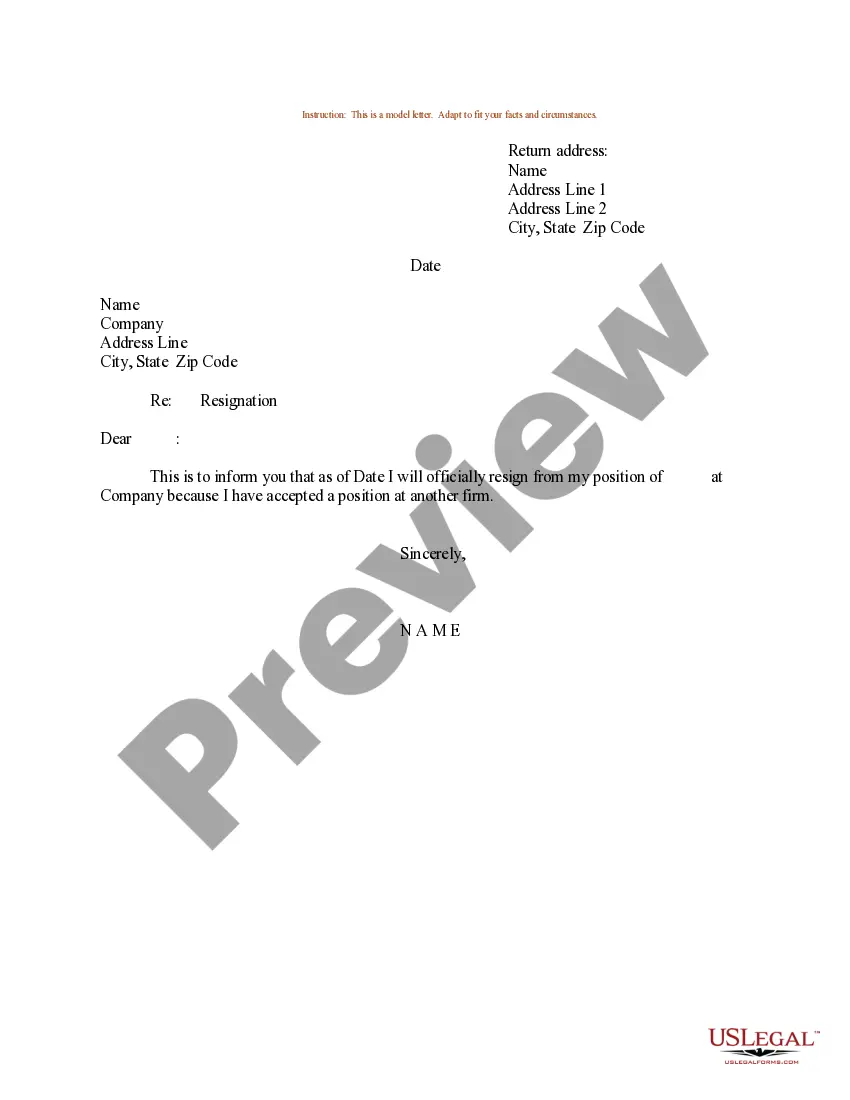
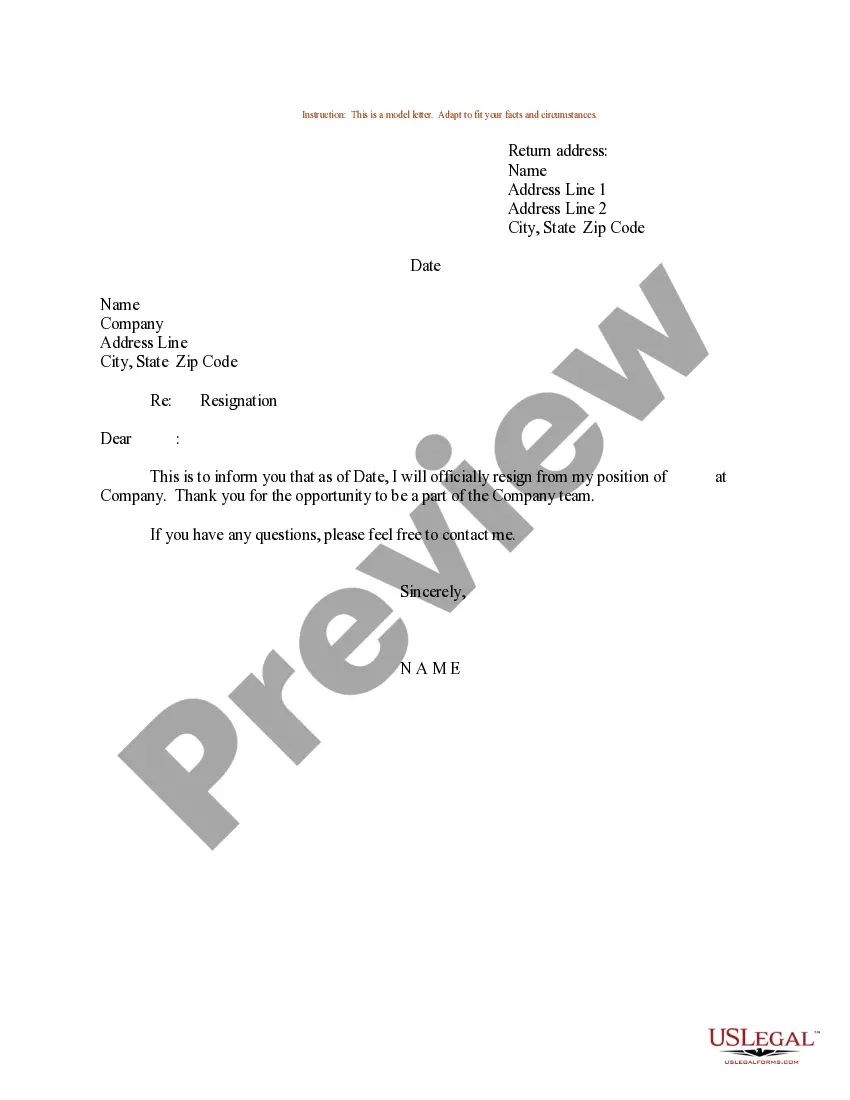

Get your form ready online
Our built-in tools help you complete, sign, share, and store your documents in one place.
Make edits, fill in missing information, and update formatting in US Legal Forms—just like you would in MS Word.
Download a copy, print it, send it by email, or mail it via USPS—whatever works best for your next step.
Sign and collect signatures with our SignNow integration. Send to multiple recipients, set reminders, and more. Go Premium to unlock E-Sign.
If this form requires notarization, complete it online through a secure video call—no need to meet a notary in person or wait for an appointment.
We protect your documents and personal data by following strict security and privacy standards.

Make edits, fill in missing information, and update formatting in US Legal Forms—just like you would in MS Word.

Download a copy, print it, send it by email, or mail it via USPS—whatever works best for your next step.

Sign and collect signatures with our SignNow integration. Send to multiple recipients, set reminders, and more. Go Premium to unlock E-Sign.

If this form requires notarization, complete it online through a secure video call—no need to meet a notary in person or wait for an appointment.

We protect your documents and personal data by following strict security and privacy standards.
Looking for another form?





Form popularity
FAQ
How to write an emergency resignation letter Talk to your manager first. If possible, tell your manager or leader in person, or over the phone that you must leave due to an emergency. Use the business letter format. Maintain an optimistic and grateful tone. State the date. Provide necessary details only.
While employers can offer financial incentives for voluntary resignations, they cannot pressure or coerce employees into accepting such offers. If a company pressures an employee to accept a financial incentive to resign, people may consider it forced resignation.
You may have been forced out because of harassment, discrimination, or another unlawful act, but you will need to find evidence to prove your claim. Evidence may include emails or other communications, witness statements, or prior claims of harassment.
Dear Recipient's Name, I am writing to resign from my position at Company Name, effective immediately. I appreciate the opportunities during my time here but have decided this is the best course for my personal and professional well-being. I appreciate your understanding.
Just write: I (your name) tender my notice of resignation effective (2 weeks into the future). Thank you ( your name) That's it, nothing more. If your leaving, just go. Anything more will be unproductive.
A constructive discharge claim can arise from an employer's continuous patterns of harassment, discrimination, or clear hostility. Unpleasant working conditions are not enough to constitute a constructive discharge. Instead, the conditions must be so bad that a reasonable employee would feel compelled to resign.
Do you have to give a reason for resignation? You are not contractually obligated to provide a reason about why you are quitting your job. You do not have to do so if you do not want to. However, if you're on good terms with your boss or colleagues, you could always tell them in person over a casual conversation.
How to write an immediate resignation letter Include the date you plan to leave. Explain the situation clearly and concisely. Be positive and professional. Express gratitude. Include any questions you have. Include your contact information. Proofread your letter. Send your letter to your employer and HR.
Now remember, you don't need to disclose the reason why you're leaving if you don't want to. A great manager is going to understand why you are leaving, especially if you do decide to share that information.
How to write a resignation letter when you're unhappy with management Start with a date and time. Use a formal address. Detail the exact date you plan to leave. Explain your reason for resigning. Express your gratitude. Discuss transitioning your responsibilities. Request a recommendation letter for future employers.
