Resignation Letter With One Month Notice In Salt Lake
Description

Get your form ready online
Our built-in tools help you complete, sign, share, and store your documents in one place.
Make edits, fill in missing information, and update formatting in US Legal Forms—just like you would in MS Word.
Download a copy, print it, send it by email, or mail it via USPS—whatever works best for your next step.
Sign and collect signatures with our SignNow integration. Send to multiple recipients, set reminders, and more. Go Premium to unlock E-Sign.
If this form requires notarization, complete it online through a secure video call—no need to meet a notary in person or wait for an appointment.
We protect your documents and personal data by following strict security and privacy standards.

Make edits, fill in missing information, and update formatting in US Legal Forms—just like you would in MS Word.

Download a copy, print it, send it by email, or mail it via USPS—whatever works best for your next step.

Sign and collect signatures with our SignNow integration. Send to multiple recipients, set reminders, and more. Go Premium to unlock E-Sign.

If this form requires notarization, complete it online through a secure video call—no need to meet a notary in person or wait for an appointment.

We protect your documents and personal data by following strict security and privacy standards.
Looking for another form?







Form popularity
FAQ
Here are the a few steps to help you write a one month's notice in a professional manner: Review your employment contract. Begin with today's date. State your name and job title. Find out the recipient of your notice. Add a subject line. Add a salutation. Make a statement of resignation. Explain the reason for resignation.
The obligation is to provide at least one month's notice, so you can provide more notice if you want. If you're explicit in your letter of resignation that you are providing advance notice and give a final working day, they can't interpret you letter of resignation as one month from the date of the letter.
Resign with One Month's Notice Rules For most permanent staff, a one-month notice is quite standard. But for contract workers, it can be different — some may only need to give two weeks, while others might need more, depending on the job and company. This notice period helps both sides.
Let's recap on how to write a one-month notice resignation letter: Add contact information. Greet your manager or supervisor. State your intent to resign and last day of work. Provide a general reason about your decision. Share positive feedback. Show appreciation.
How to Serve Notice Period Step-by-Step Process Read Your Employment Contract. Plan Your Resignation Date. Submit a Formal Resignation Letter. Communicate With Your Manager. Ensure Smooth Handover. Maintain Professionalism. Request for Experience/Relieving Letter.
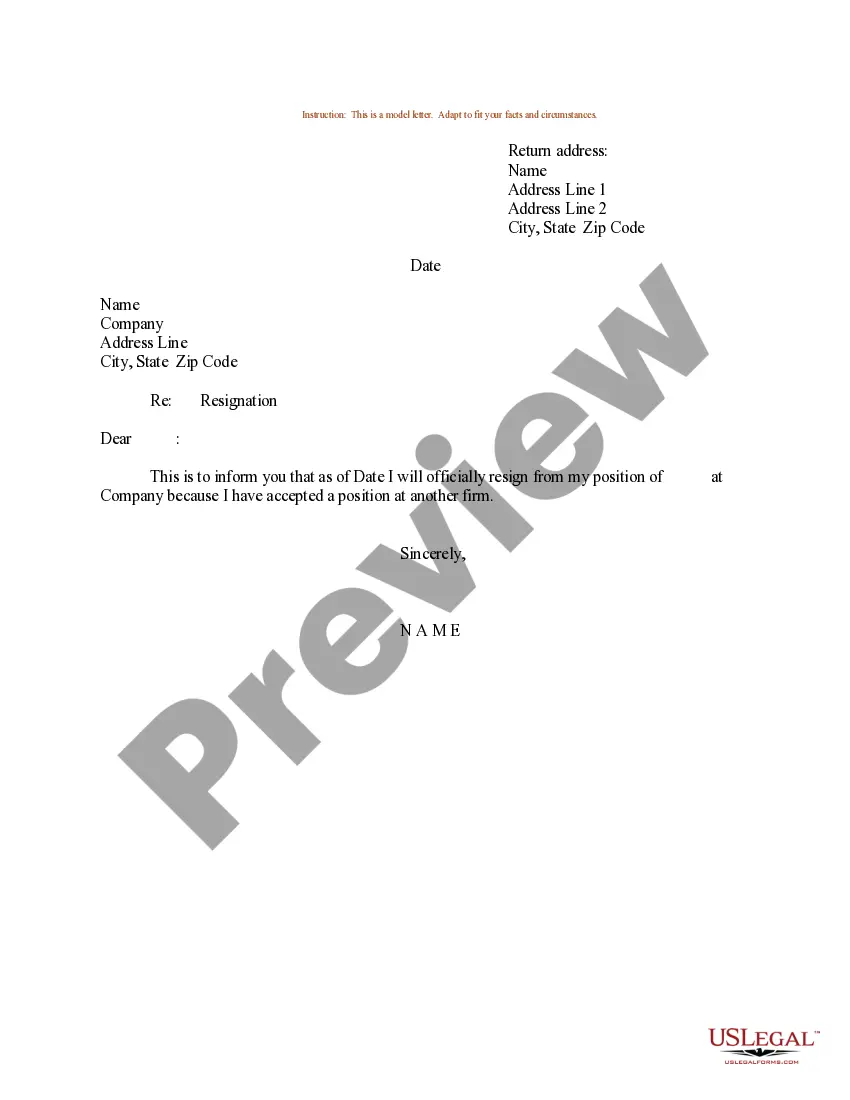
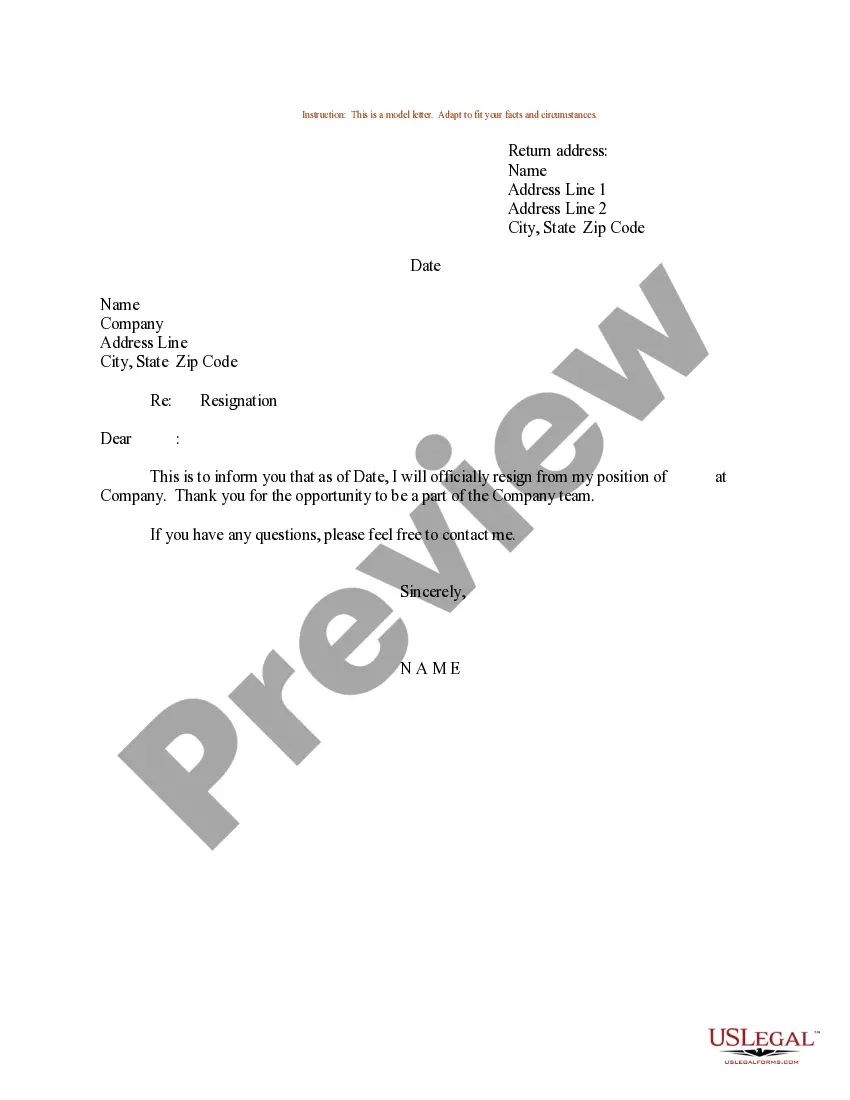
Sample of one month's notice in employment Dear Employer, This letter is to inform you that I will be leaving my current position as Position Title at Company Name on February 15, 2025. I have enjoyed my time here and have appreciated the opportunity to work with such a talented group of people.
If you're in the US, you can certainly give a 1 month notice, but your employer can choose to accept it immediately or at any time ahead of the stated date.
Since a refusal to work a notice period is a breach of contract, you may be able to take legal action against your employee. While it is not easy to prove, you could, for example, take the employee to court for damages to your business. This should, however, always be a last resort.
Yes! It certainly is okay to leave a job after a month if the job doesnt give you the kind of exposure you expected or if you dont like the work culture or maybe the timings are not working for you .
1-Month Notice Resignation Email I am writing to formally resign from my position at Company Name, effective one month from today, Date of Last Working Day. Your support and guidance throughout my time at Company Name means a lot. I really appreciate the growth opportunities I've received during my time here.

