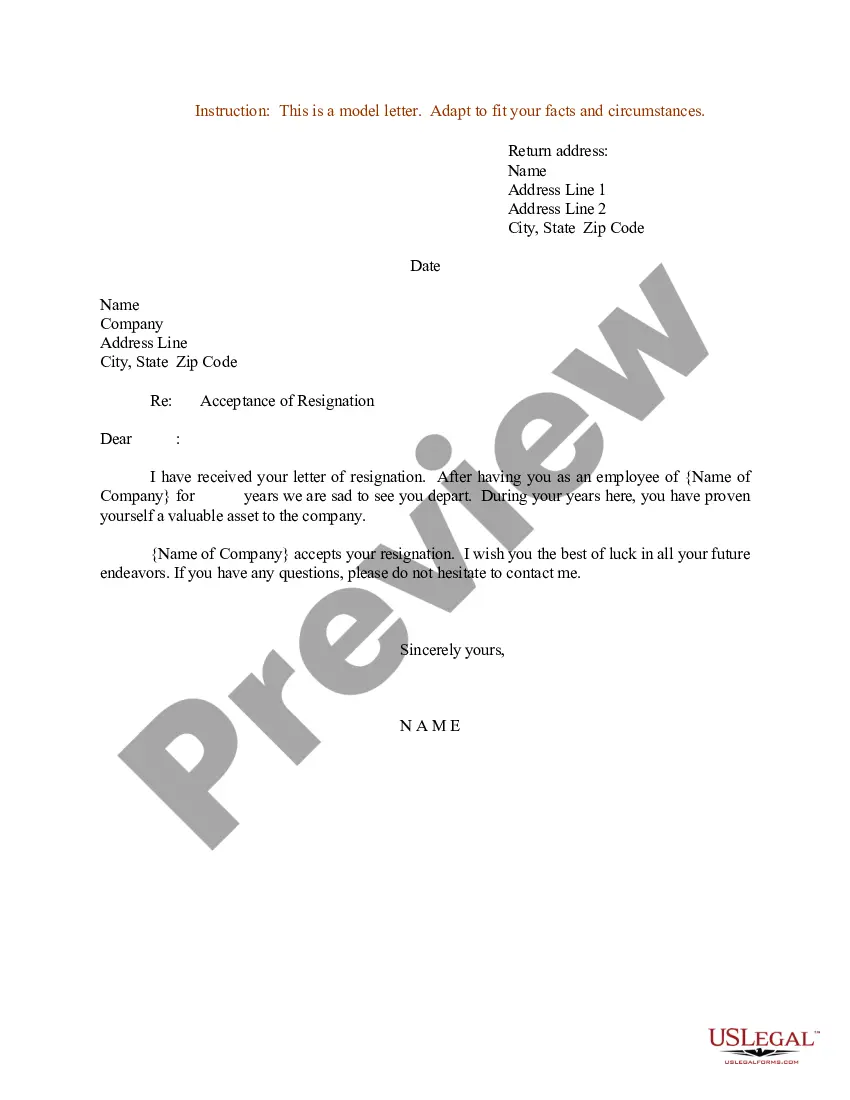
Resignation Letter With Reason
Description
Get your form ready online
Our built-in tools help you complete, sign, share, and store your documents in one place.
Make edits, fill in missing information, and update formatting in US Legal Forms—just like you would in MS Word.
Download a copy, print it, send it by email, or mail it via USPS—whatever works best for your next step.
Sign and collect signatures with our SignNow integration. Send to multiple recipients, set reminders, and more. Go Premium to unlock E-Sign.
If this form requires notarization, complete it online through a secure video call—no need to meet a notary in person or wait for an appointment.
We protect your documents and personal data by following strict security and privacy standards.

Make edits, fill in missing information, and update formatting in US Legal Forms—just like you would in MS Word.

Download a copy, print it, send it by email, or mail it via USPS—whatever works best for your next step.

Sign and collect signatures with our SignNow integration. Send to multiple recipients, set reminders, and more. Go Premium to unlock E-Sign.

If this form requires notarization, complete it online through a secure video call—no need to meet a notary in person or wait for an appointment.

We protect your documents and personal data by following strict security and privacy standards.
Looking for another form?
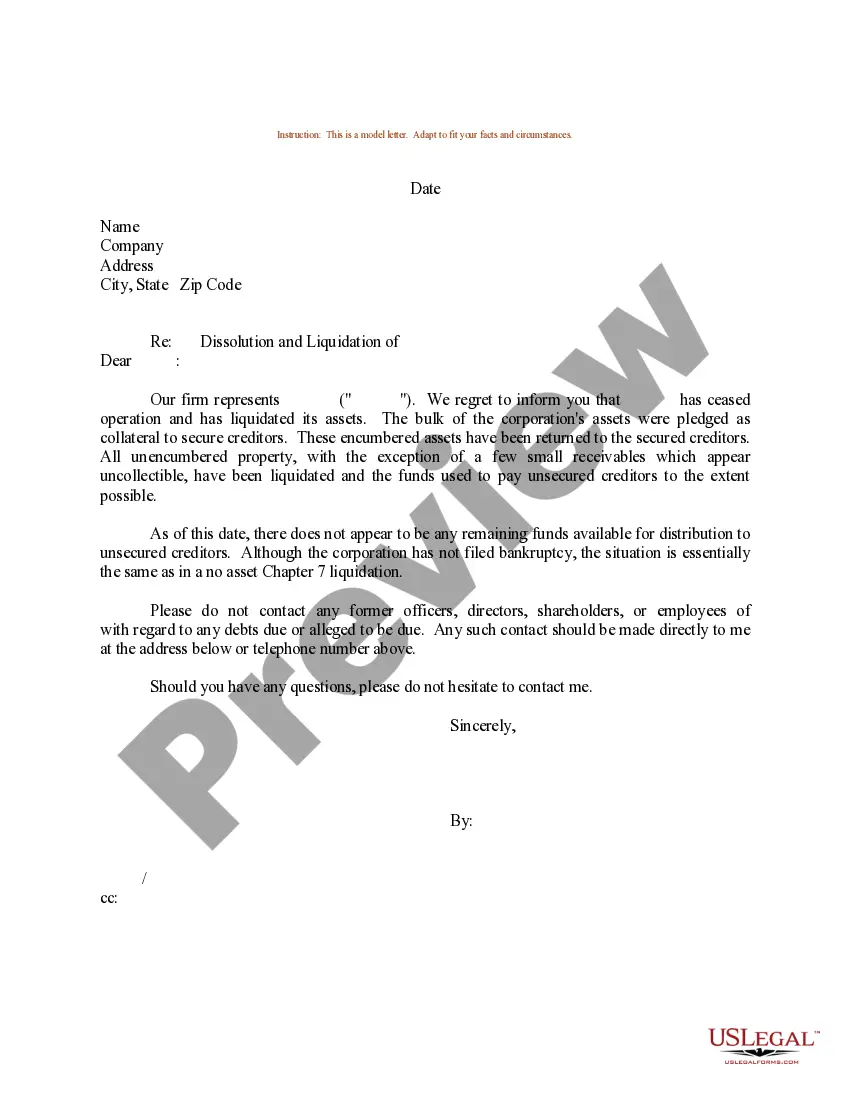
How to fill out Sample Letter For Acceptance Of Resignation - Expression Of Sadness By Employer Because Of Departure?
Whether for commercial reasons or personal matters, everyone must deal with legal circumstances at some stage in their life.
Filling out legal documents requires meticulous care, starting with selecting the right template.
With an extensive US Legal Forms catalog available, you don’t have to waste time searching for the right template across the web. Utilize the library’s easy navigation to find the correct template for any occasion.
- Acquire the template you require by employing the search field or catalog exploration.
- Review the document’s details to ensure it applies to your situation, jurisdiction, and region.
- Click on the form’s preview to inspect it.
- If it is the incorrect document, return to the search tool to find the Resignation Letter With Reason template you need.
- Download the template when it suits your requirements.
- If you have an existing US Legal Forms account, click Log in to access previously saved templates in My documents.
- In the case you do not possess an account yet, you can acquire the document by selecting Buy now.
- Select the suitable pricing choice.
- Complete the profile registration form.
- Choose your payment method: you can utilize a credit card or PayPal account.
- Pick the document format you prefer and download the Resignation Letter With Reason.
- Once it is saved, you can fill out the form using editing software or print it to complete it by hand.
Form popularity
FAQ
To write a simple resignation letter, start by addressing your supervisor, stating your intention to resign, and providing your last working day. Next, you can include your reason for leaving and express gratitude for the experiences gained. Utilize platforms like UsLegalForms to find templates and guidance to ensure your resignation letter with reason is professional and effective.
Personal circumstances, such as family commitments or health issues, often prompt individuals to resign. You might need to prioritize your well-being or care for a loved one. By stating your reason in your resignation letter with reason, you convey honesty and clarity about your decision.
A common reason to resign is to pursue a new job opportunity that aligns better with your career goals. For example, you may want to move to a different city or join a company that offers more growth potential. Including a clear reason in your resignation letter can help you maintain professionalism and demonstrate your intentions.
While you are not legally required to explain why you are resigning, doing so can promote transparency and goodwill. Giving a brief explanation can help maintain a positive rapport with your employer. Should you choose to provide a detailed reason, your resignation letter with reason can be a helpful tool.
To effectively tell your reason for resignation, choose a private setting for the conversation. Be honest yet tactful, and prepare to briefly explain your reasoning while keeping it positive. This can also be supported with a resignation letter with reason, which provides a written record of your thoughts.
A valid reason for a resignation letter can include various factors such as new job opportunities, personal commitments, or concerns about workplace culture. Taking time for personal growth is also a valid reason. Including your reason in a resignation letter with reason can help clarify your motivations and maintain professionalism.
When stating your reason for resignation, be straightforward and clear in your communication. You can say something like, 'I have decided to resign due to personal reasons that require my attention,' or 'I am pursuing an opportunity that aligns better with my career goals.' Incorporating your resignation letter with reason as part of this dialogue can add clarity.
The best answer to why you resigned is one that is honest yet positive. Emphasize aspects such as pursuing a better opportunity, wanting to grow in your career, or needing a change for personal reasons. When transitioning, you can also reference your resignation letter with reason, which outlines your thoughts more clearly.
To write a job resignation letter with reason, start by stating your intention to resign clearly and professionally. Mention the specific reasons for your departure, keeping a positive tone. Lastly, express gratitude towards your employer for the experiences gained; this helps maintain a good relationship even after you leave.
When you explain your reasons for leaving a job, focus on being respectful and professional. You might mention factors such as seeking new challenges, pursuing career growth, or personal circumstances. Always frame your statement positively, and remember, when you write your resignation letter with reason, convey gratitude for the opportunities provided.