Approval For Resignation Letter In Pennsylvania
Description
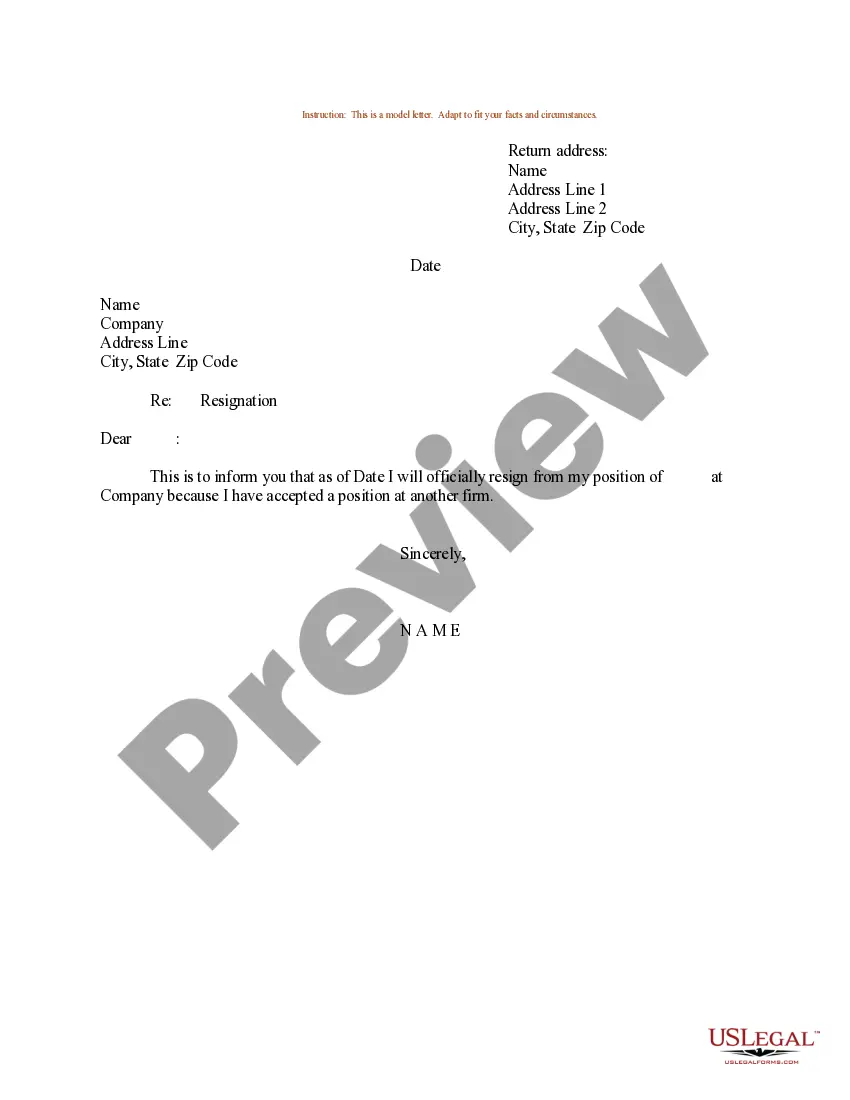
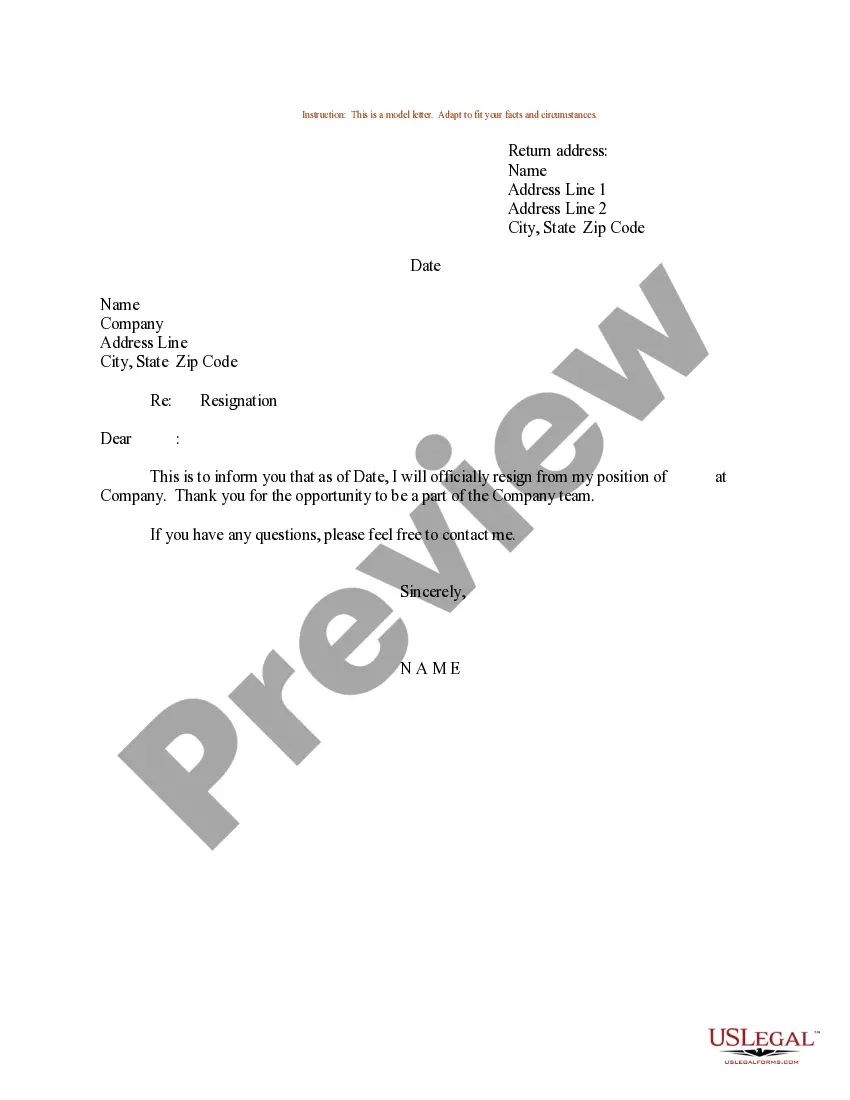
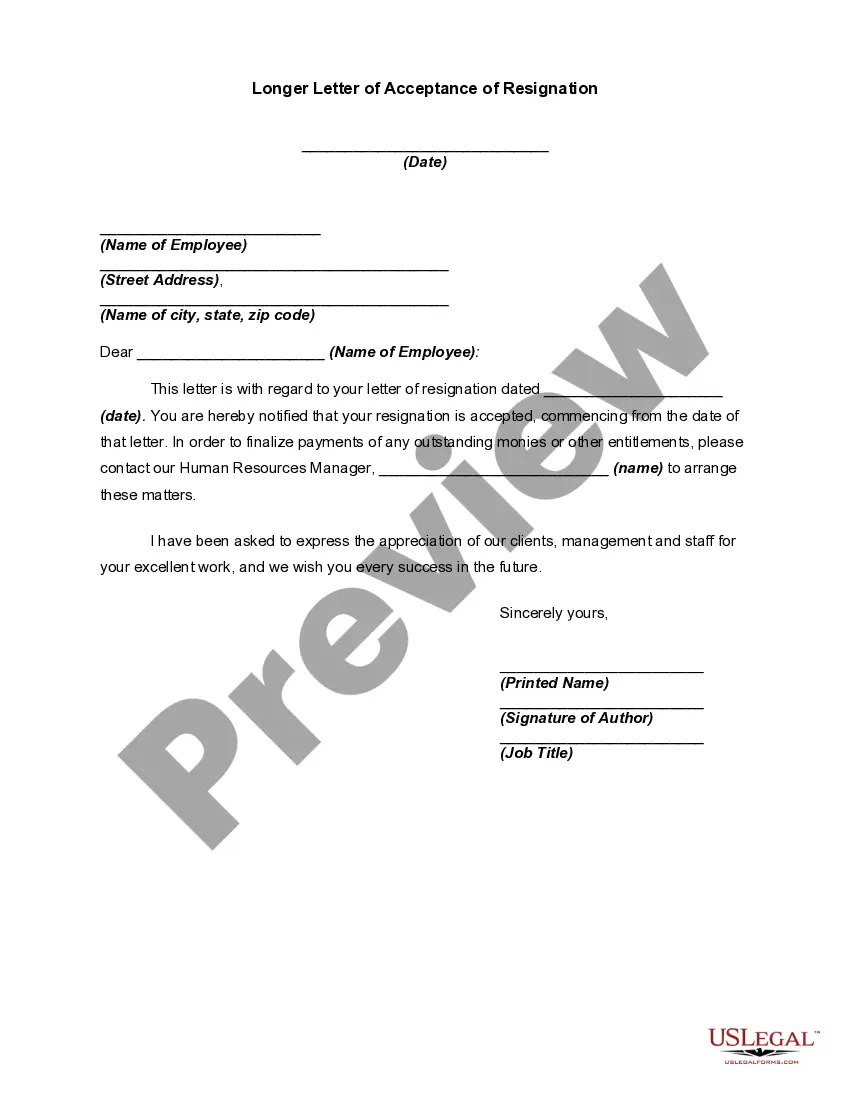

Get your form ready online
Our built-in tools help you complete, sign, share, and store your documents in one place.
Make edits, fill in missing information, and update formatting in US Legal Forms—just like you would in MS Word.
Download a copy, print it, send it by email, or mail it via USPS—whatever works best for your next step.
Sign and collect signatures with our SignNow integration. Send to multiple recipients, set reminders, and more. Go Premium to unlock E-Sign.
If this form requires notarization, complete it online through a secure video call—no need to meet a notary in person or wait for an appointment.
We protect your documents and personal data by following strict security and privacy standards.

Make edits, fill in missing information, and update formatting in US Legal Forms—just like you would in MS Word.

Download a copy, print it, send it by email, or mail it via USPS—whatever works best for your next step.

Sign and collect signatures with our SignNow integration. Send to multiple recipients, set reminders, and more. Go Premium to unlock E-Sign.

If this form requires notarization, complete it online through a secure video call—no need to meet a notary in person or wait for an appointment.

We protect your documents and personal data by following strict security and privacy standards.
Looking for another form?










Form popularity
FAQ
In response, employers send a formal acknowledgment letter called 'resignation acceptance letter. ' This letter is necessary to provide clear documentation, comply with the rules of notice period or other contracts, and convey appreciation for the contributions of the departing employee.
Example: Thank you for submitting your resignation letter on June 23rd 2022. In the meantime, I have carefully read and understood it. I would like to take this opportunity to acknowledge that I have both received and accepted your resignation. I wish you all the best in your future endeavours.
It is a common misconception that an employee's notice of resignation is not valid unless it has been "accepted" by the employer. The position at common law is that a notice, once validly given, is effective and can neither be "refused" by the employer or "withdrawn" by the employee, without the other's agreement.
When there is no time set for performing a job, the general rule in Pennsylvania is that employment is presumed to be terminable “at-will.” This means that either the employer or the employee can end the employment at any time.
I am writing to formally acknowledge receipt of your resignation notice on date. As you requested, your final day of work at Company Name will be end date. It is with great regret that we see you go. It has been a pleasure working with you these past X years, and we appreciate your contribution to the company.
Acceptance of a resignation tendered by an employee is necessary to make the resignation effective. No such acceptance, however, was shown in the instant case.
You cannot reject an employee's resignation. However, a conversation might help you find out if there are problems that can be resolved. This might be enough for the employee to choose to stay. You do not have to respond formally when someone tells you they're resigning.
The acceptance or non-acceptance of the resignation is the employer's decision. The day employee's resignation is recived by the employer is the beginning day of notice period. In legal terms, the employee has to continue the job till the last day of Notice Period.
Pennsylvania Scheduling Notice Law However, in Philadelphia, covered employers must provide at least 10 days' advance notice of schedules (increasing to 14 days in January 2024) under the Fair Workweek Employment Standards Ordinance.

