Acceptance Resignation Letter Notice Period In Palm Beach
Description

Get your form ready online
Our built-in tools help you complete, sign, share, and store your documents in one place.
Make edits, fill in missing information, and update formatting in US Legal Forms—just like you would in MS Word.
Download a copy, print it, send it by email, or mail it via USPS—whatever works best for your next step.
Sign and collect signatures with our SignNow integration. Send to multiple recipients, set reminders, and more. Go Premium to unlock E-Sign.
If this form requires notarization, complete it online through a secure video call—no need to meet a notary in person or wait for an appointment.
We protect your documents and personal data by following strict security and privacy standards.

Make edits, fill in missing information, and update formatting in US Legal Forms—just like you would in MS Word.

Download a copy, print it, send it by email, or mail it via USPS—whatever works best for your next step.

Sign and collect signatures with our SignNow integration. Send to multiple recipients, set reminders, and more. Go Premium to unlock E-Sign.

If this form requires notarization, complete it online through a secure video call—no need to meet a notary in person or wait for an appointment.

We protect your documents and personal data by following strict security and privacy standards.
Looking for another form?







Form popularity
FAQ
If you have worked for your employer for one month or more, the legal minimum amount of notice you must give is one week. Normally your employment contract will set out a longer notice period. If it does, you should give this length of notice to your employer.
Minimum notice periods Period of continuous serviceMinimum notice period 1 year or less 1 week More than 1 year - 3 years 2 weeks More than 3 years - 5 years 3 weeks More than 5 years 4 weeks
One (1) weeks' notice, if the employee has been employed for six (6) months or less. Two (2) weeks' notice, if the employee has been employed for more than six (6) months, but not more than one year.
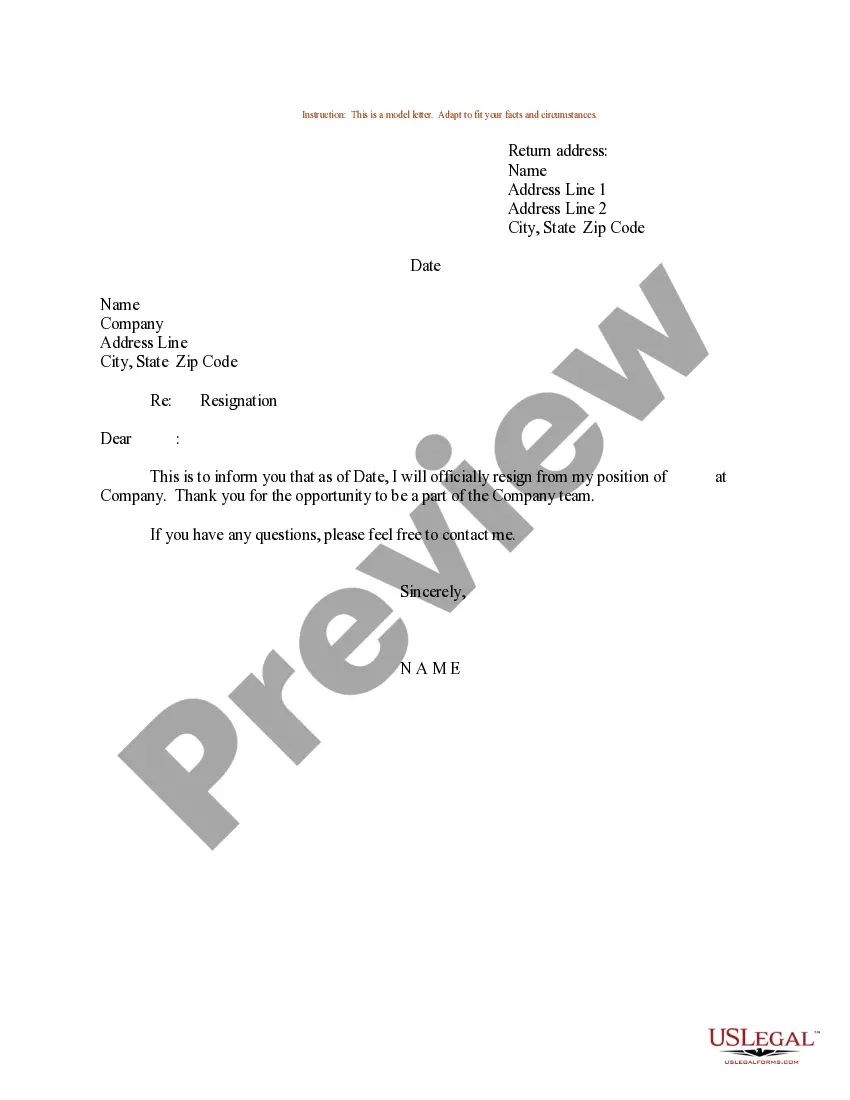
After the date of the document, mention of the immediate supervisor or the human resources department (depending on Company Policies), the body may simply indicate: “I hereby tender my formal resignation effective 30-days after or on indicate: last day. Then, the notice should be signed by the employee.
Bottom Line: Two weeks' notice is expected, customary, and acceptable. Absent compelling reasons that suggest otherwise, you can feel comfortable that two weeks is plenty of notice.
It's generally considered professional to give at least two weeks' notice before quitting your job. This timeframe allows your employer to start planning for your departure, whether that means finding a replacement or redistributing your workload.
When resigning from a position, it is often standard professional practice to give your employer at least two weeks' advance notice. Depending on your role and responsibilities—as well as your company's policy on resignation—however, you may be required to give as much as 30 days' notice.
It's an accepted norm in corporate sector that the notice period starts the moment you send in your resignation letter via email or any other written format irrespective whether your resignation is formally accepted or not. So the countdown starts just on the day you submit the resignation.
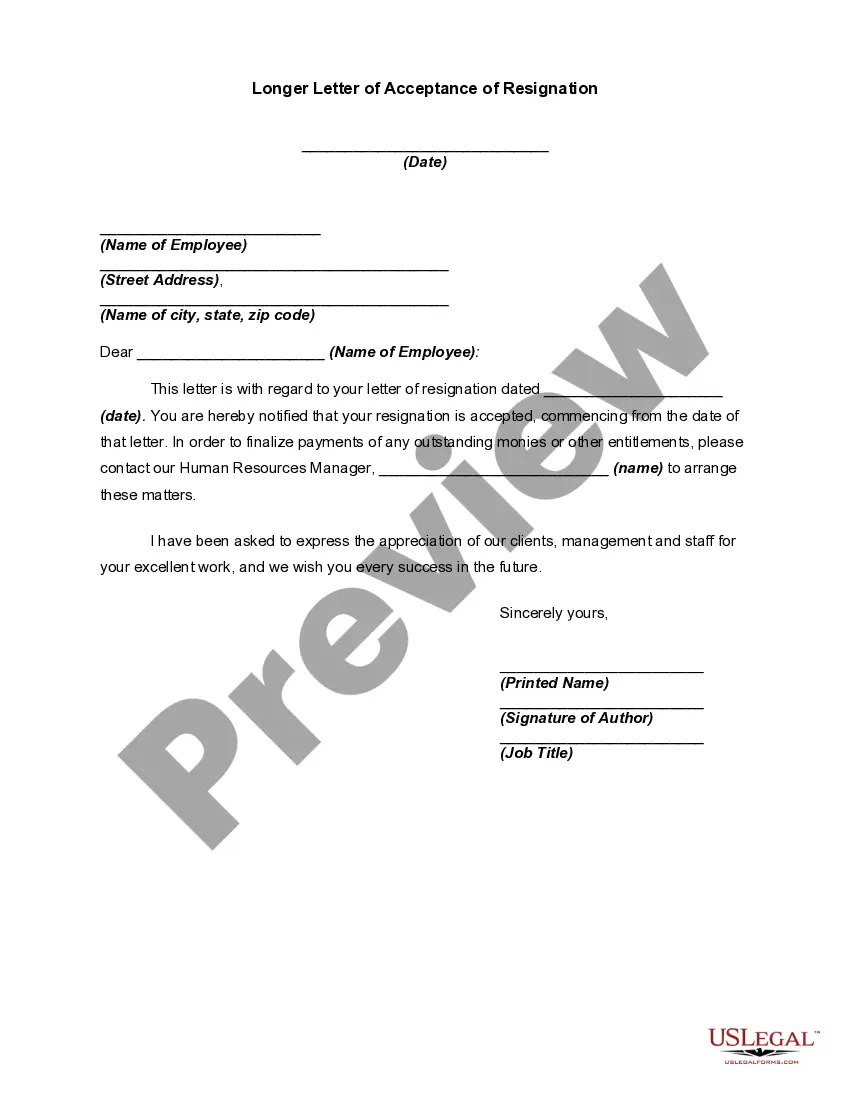
I am writing to formally acknowledge the receipt of your resignation letter dated date of resignation letter. We are disheartened that you will be leaving our organisation, however, we respect your decision. Your last working day with us will be Enter Date.
In some cases, it might be best to accept the resignation and send the employee home immediately. This might be necessary if you're concerned about the impact on the workplace or if the employee could be a disruptive presence.