Resignation Letter Examples Forced To Leave In New York
Description
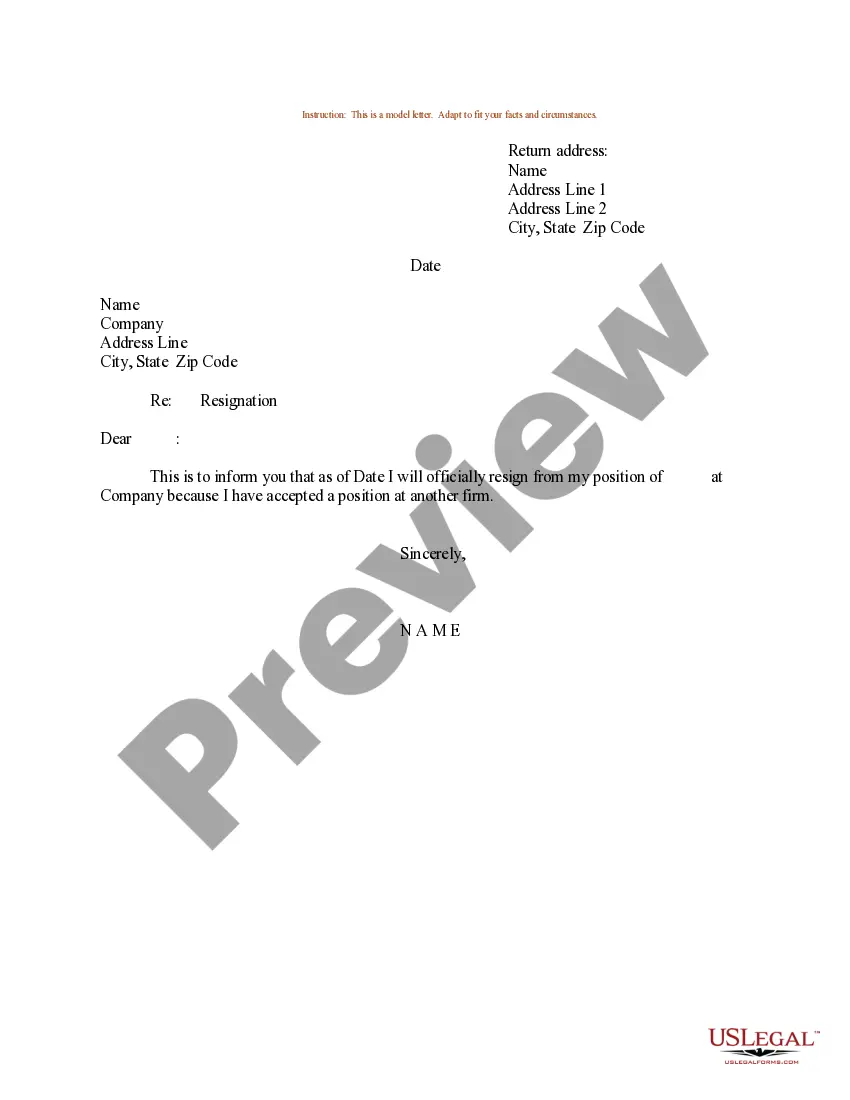
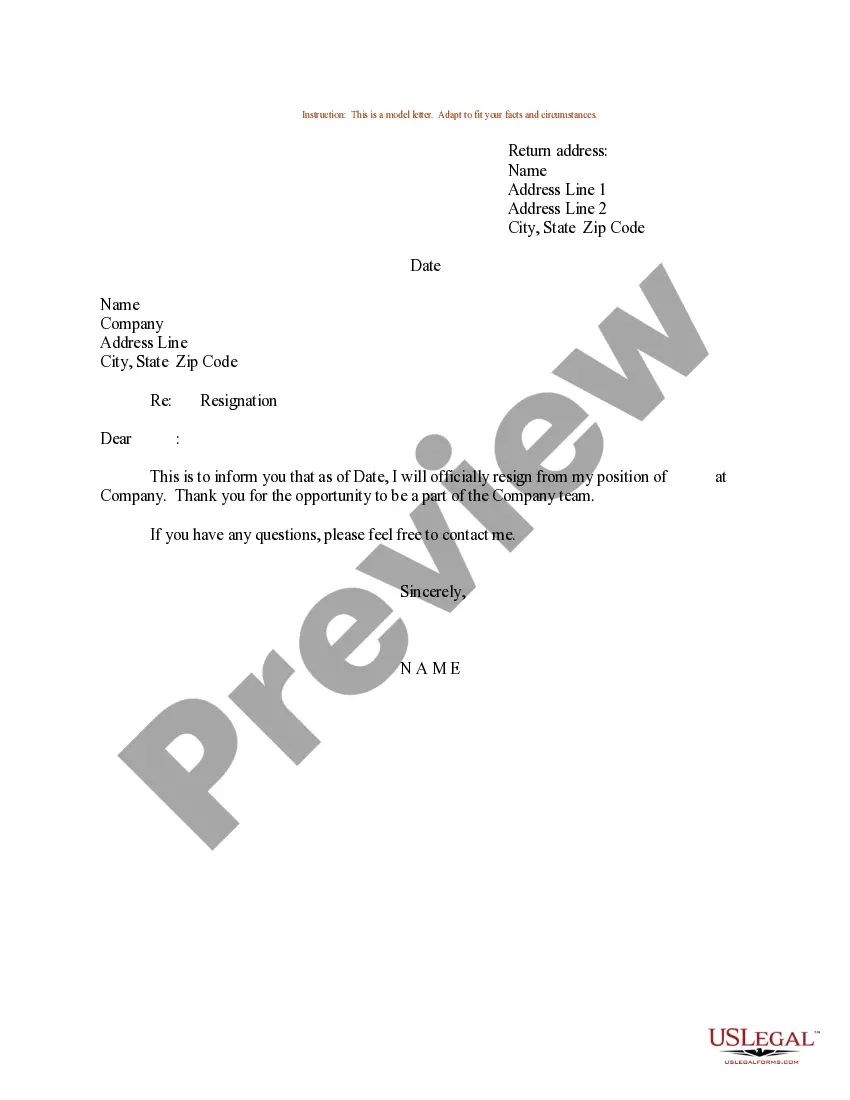
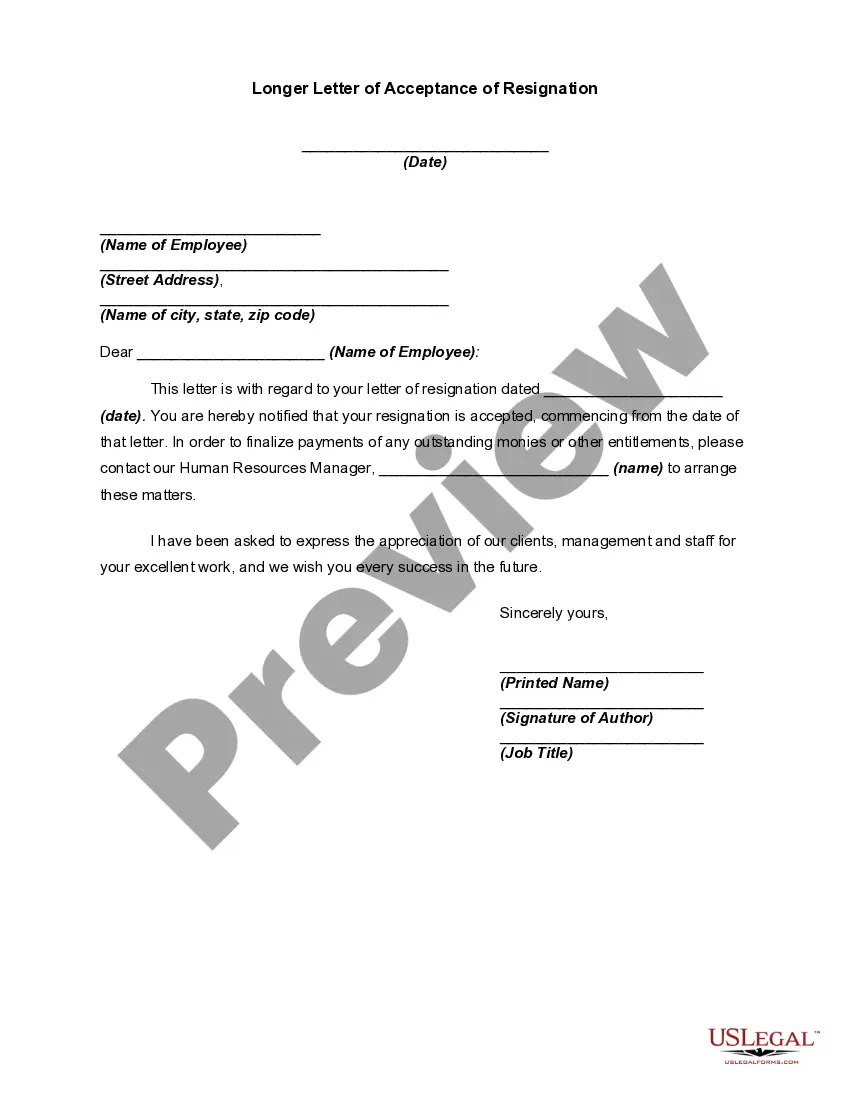

Get your form ready online
Our built-in tools help you complete, sign, share, and store your documents in one place.
Make edits, fill in missing information, and update formatting in US Legal Forms—just like you would in MS Word.
Download a copy, print it, send it by email, or mail it via USPS—whatever works best for your next step.
Sign and collect signatures with our SignNow integration. Send to multiple recipients, set reminders, and more. Go Premium to unlock E-Sign.
If this form requires notarization, complete it online through a secure video call—no need to meet a notary in person or wait for an appointment.
We protect your documents and personal data by following strict security and privacy standards.

Make edits, fill in missing information, and update formatting in US Legal Forms—just like you would in MS Word.

Download a copy, print it, send it by email, or mail it via USPS—whatever works best for your next step.

Sign and collect signatures with our SignNow integration. Send to multiple recipients, set reminders, and more. Go Premium to unlock E-Sign.

If this form requires notarization, complete it online through a secure video call—no need to meet a notary in person or wait for an appointment.

We protect your documents and personal data by following strict security and privacy standards.
Looking for another form?





Form popularity
FAQ
Here are seven steps to writing a resignation letter when unhappy with management at your workplace: Start with a date and time. Use a formal address. Detail the exact date you plan to leave. Explain your reason for resigning. Express your gratitude. Discuss transitioning your responsibilities.
You might research wrongful termination and constructive dismissal with the Equal Employment Opportunity Commission and the Department of Labor. Speak with an attorney. Schedule a consultation with an employment attorney to discuss your situation and learn if you have a case under your local employment laws .
Proving a Constructive Discharge Claim in California To successfully argue that you were forced to resign under duress, you must demonstrate that your working conditions were unbearable and that your employer either intended to make you quit or should have reasonably known that their actions would force you out.
Proving a Constructive Discharge Claim in California To successfully argue that you were forced to resign under duress, you must demonstrate that your working conditions were unbearable and that your employer either intended to make you quit or should have reasonably known that their actions would force you out.
Just write: I (your name) tender my notice of resignation effective (2 weeks into the future). Thank you ( your name) That's it, nothing more. If your leaving, just go. Anything more will be unproductive.
Constructive dismissal explained your employer has committed a serious breach of contract. you felt forced to leave because of that breach. you have not done anything to suggest that you have accepted their breach or a change in employment conditions.
Avoid accusatory language or venting frustrations. Focus on stating your intention to resign, effective on a specific date, without going into extensive detail about the unfair treatment. A simple statement like ``I am writing to inform you of my resignation from (position), effective (date)'' is sufficient.
An example of forced resignation is when an employee is given an ultimatum to resign or face disciplinary actions, such as termination, without valid grounds. This could happen due to workplace harassment, unethical practices, or overwhelming work conditions that force the employee to quit.