Acceptance Without Resignation Meaning In Mecklenburg
Description
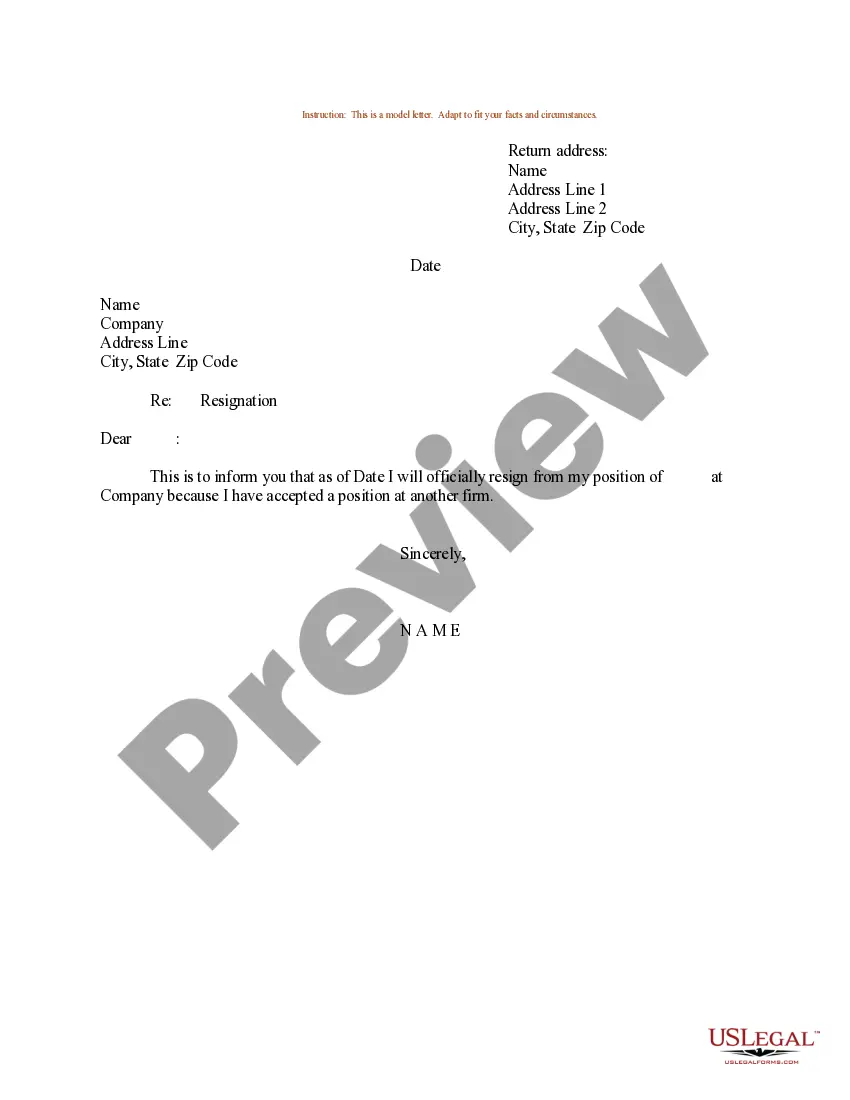
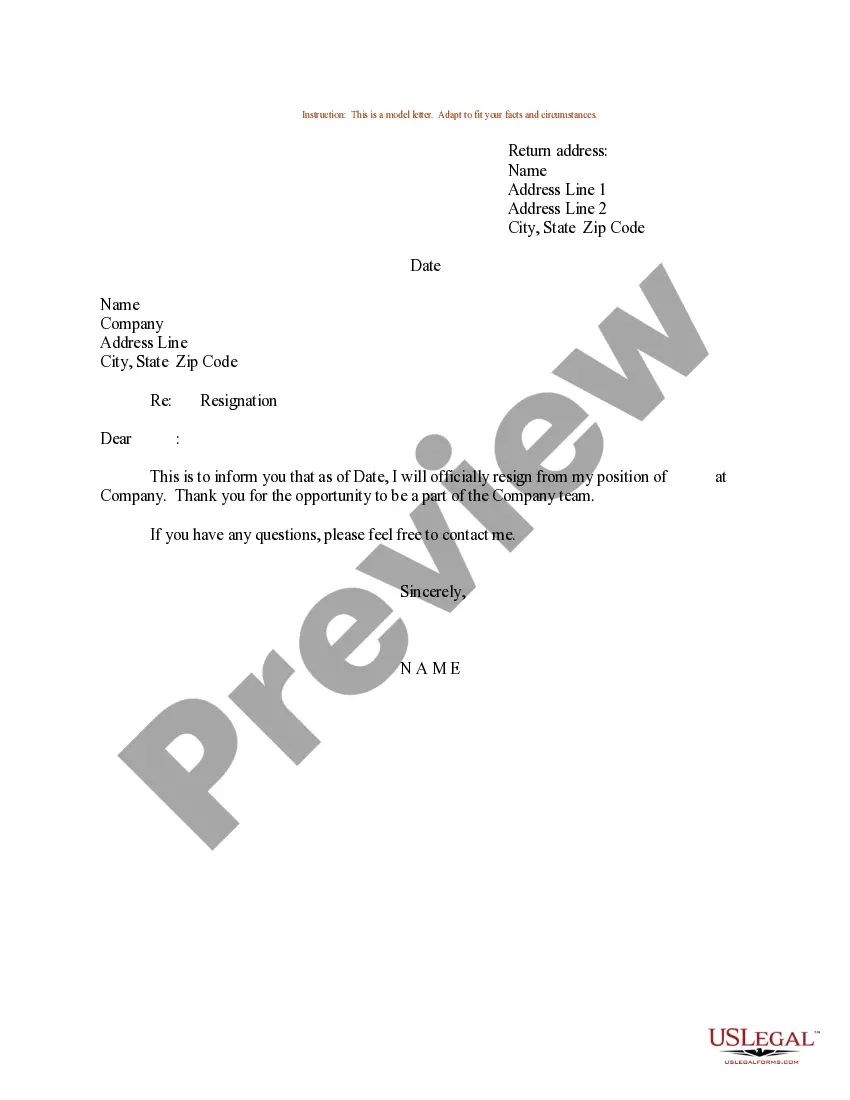
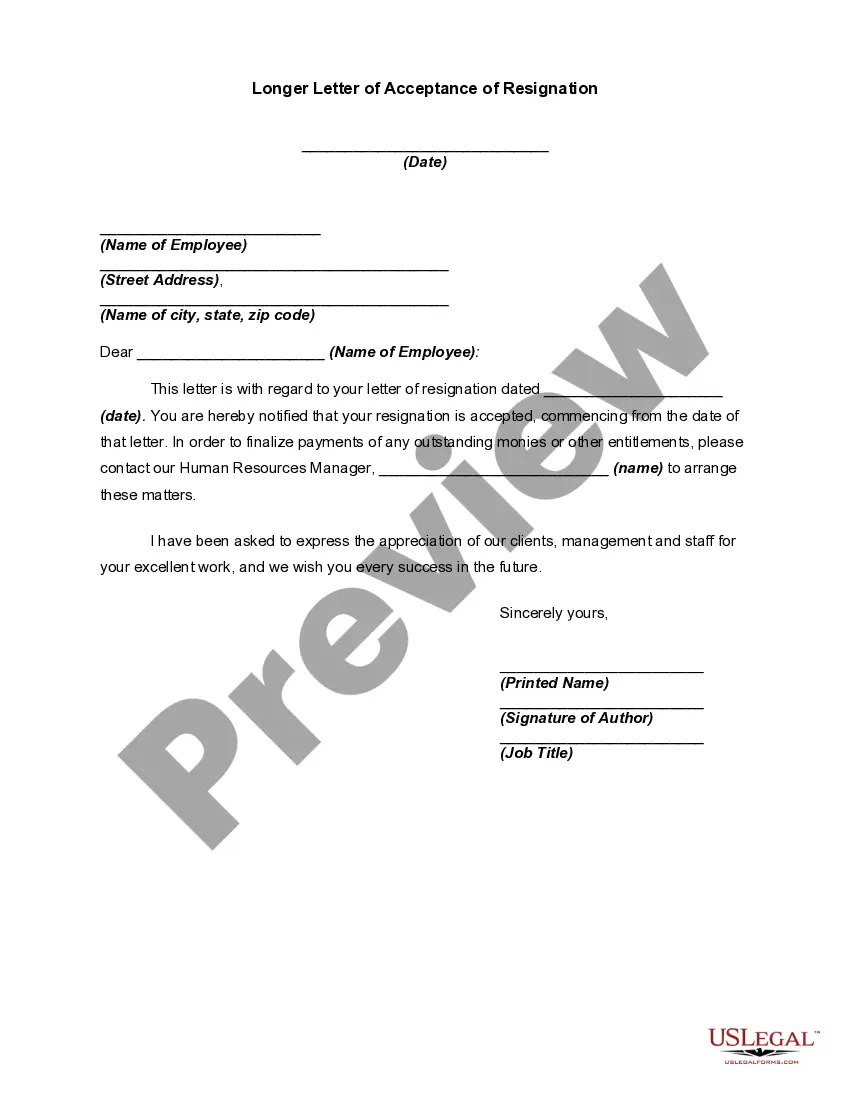

Get your form ready online
Our built-in tools help you complete, sign, share, and store your documents in one place.
Make edits, fill in missing information, and update formatting in US Legal Forms—just like you would in MS Word.
Download a copy, print it, send it by email, or mail it via USPS—whatever works best for your next step.
Sign and collect signatures with our SignNow integration. Send to multiple recipients, set reminders, and more. Go Premium to unlock E-Sign.
If this form requires notarization, complete it online through a secure video call—no need to meet a notary in person or wait for an appointment.
We protect your documents and personal data by following strict security and privacy standards.

Make edits, fill in missing information, and update formatting in US Legal Forms—just like you would in MS Word.

Download a copy, print it, send it by email, or mail it via USPS—whatever works best for your next step.

Sign and collect signatures with our SignNow integration. Send to multiple recipients, set reminders, and more. Go Premium to unlock E-Sign.

If this form requires notarization, complete it online through a secure video call—no need to meet a notary in person or wait for an appointment.

We protect your documents and personal data by following strict security and privacy standards.
Looking for another form?







Form popularity
FAQ
Mecklenburg County To access Criminal files, email Mecklenburg.Criminal@nccourts. To access Civil files, email Mecklenburg.Civil@nccourts. To access Estate Special Proceedings files, email Mecklenburg.ESP@nccourts.
The dollar limit varies from $5,000 to $10,000 depending on local rules. You can contact the clerk of court in your county to find out your local small claims court limit. If you are requesting more than the limit, up to $25,000, your case must be filed in district court.
Forms to file for divorce may be obtained from the SelfServe Center, located on the third floor of the Mecklenburg County Courthouse. Yes, your divorce forms are not complete until you fill-in all the blanks requesting information.
Conclusion: Going to small claims court may be worth it for $500, but it will determine how you weigh your costs versus benefits. At a minimum, it is worth it to send a demand letter.
The District Court division handles civil cases involving a claim for $25,000 or less, all family and juvenile cases, misdemeanor criminal cases, and infractions such as traffic tickets. Who are the “plaintiff” and “defendant”?
Anyone who is 18 years of age or older has the right to start a lawsuit in the North Carolina court system. If the lawsuit is for a claim of $10,000 or less (this amount can vary by county), it can be brought into Small Claims Court, which is available in every county.
If your boss is failing to accept your resignation, you need to start a paper trail. After you have spoken to him or her in person, be sure your letter of resignation is delivered in other ways. Fax and/or email your letter of resignation. When emailing, it is important that you send your letter as a .
Acceptance of a resignation tendered by an employee is necessary to make the resignation effective.
Employer's Obligation to Accept Resignation: The refusal to "allow" the resignation does not invalidate the employee's right to terminate the employment relationship. The resignation becomes effective after the 30-day notice period, regardless of whether the employer has accepted it.
It is a common misconception that an employee's notice of resignation is not valid unless it has been "accepted" by the employer. The position at common law is that a notice, once validly given, is effective and can neither be "refused" by the employer or "withdrawn" by the employee, without the other's agreement.
