Acceptance Without Resignation Meaning In Georgia
Description
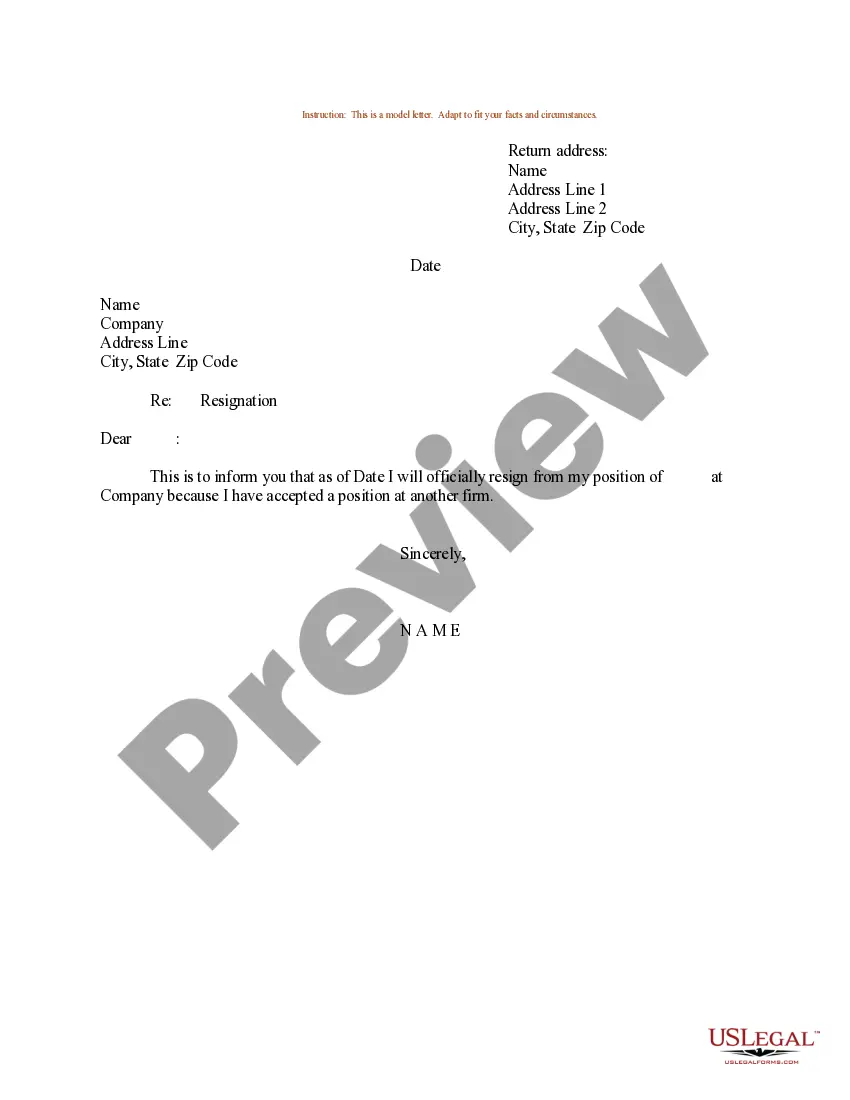
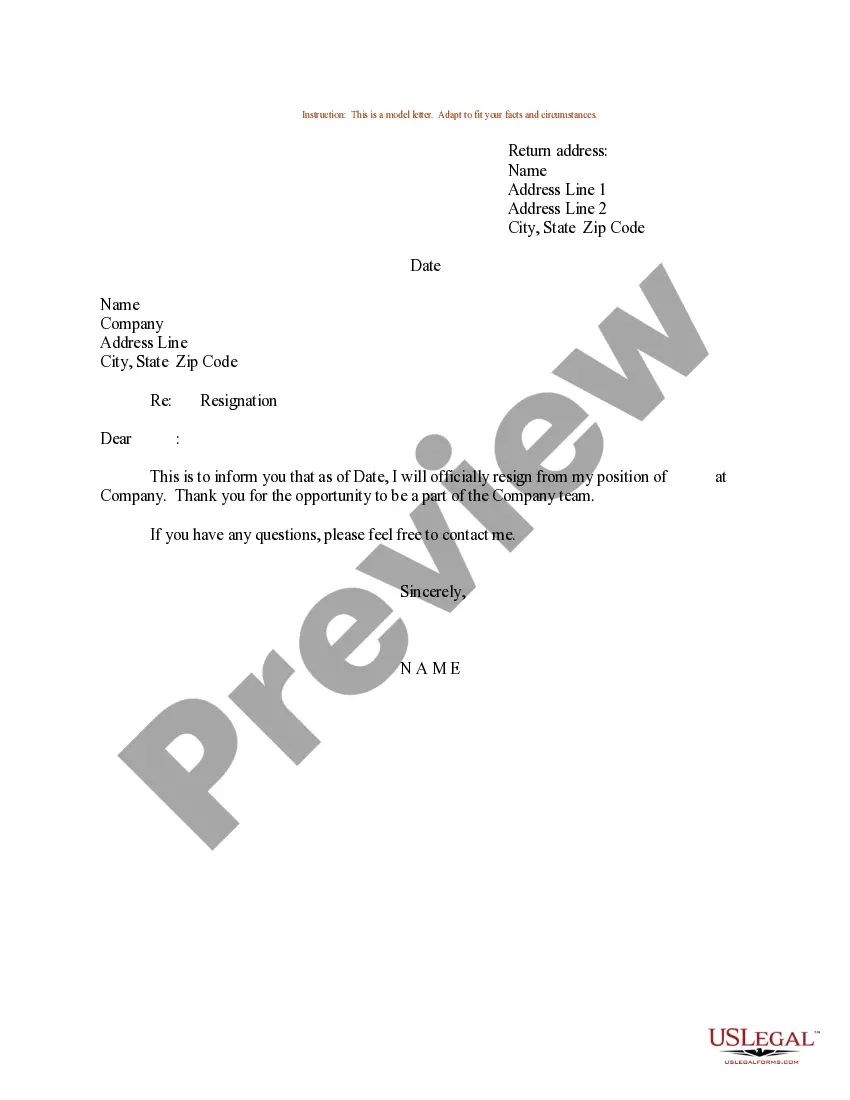
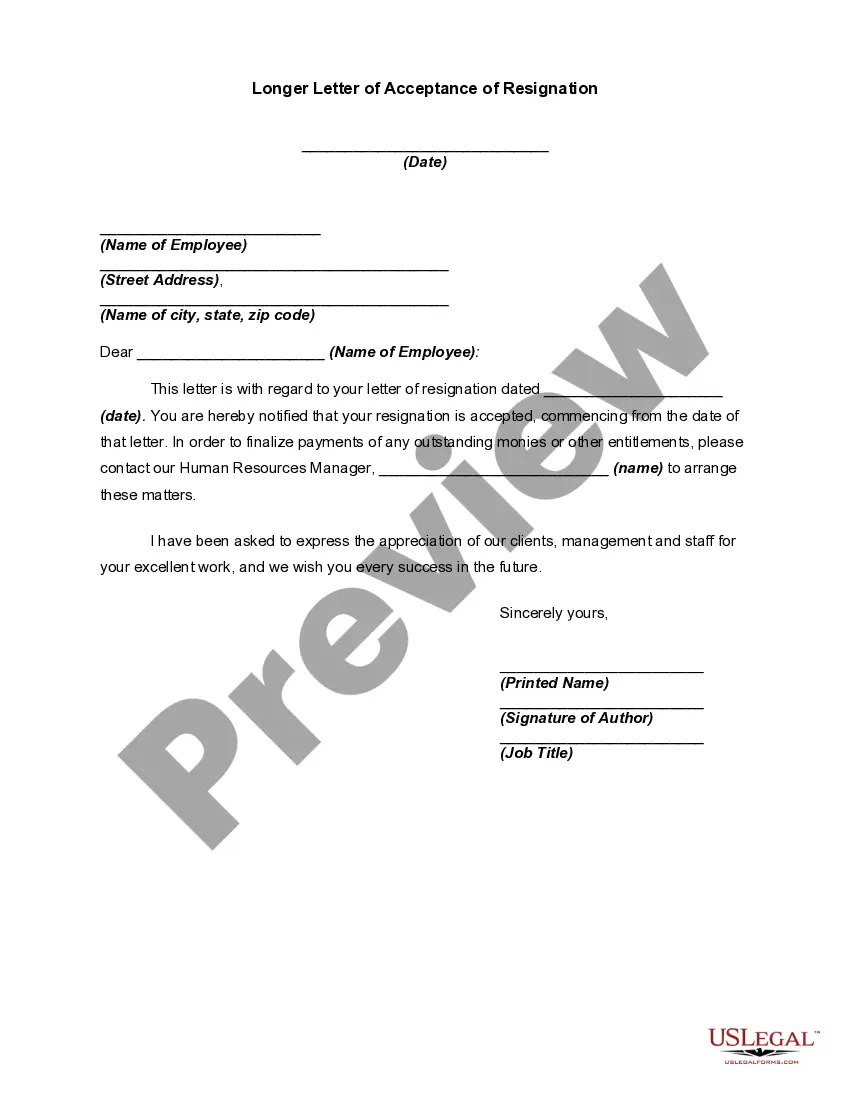

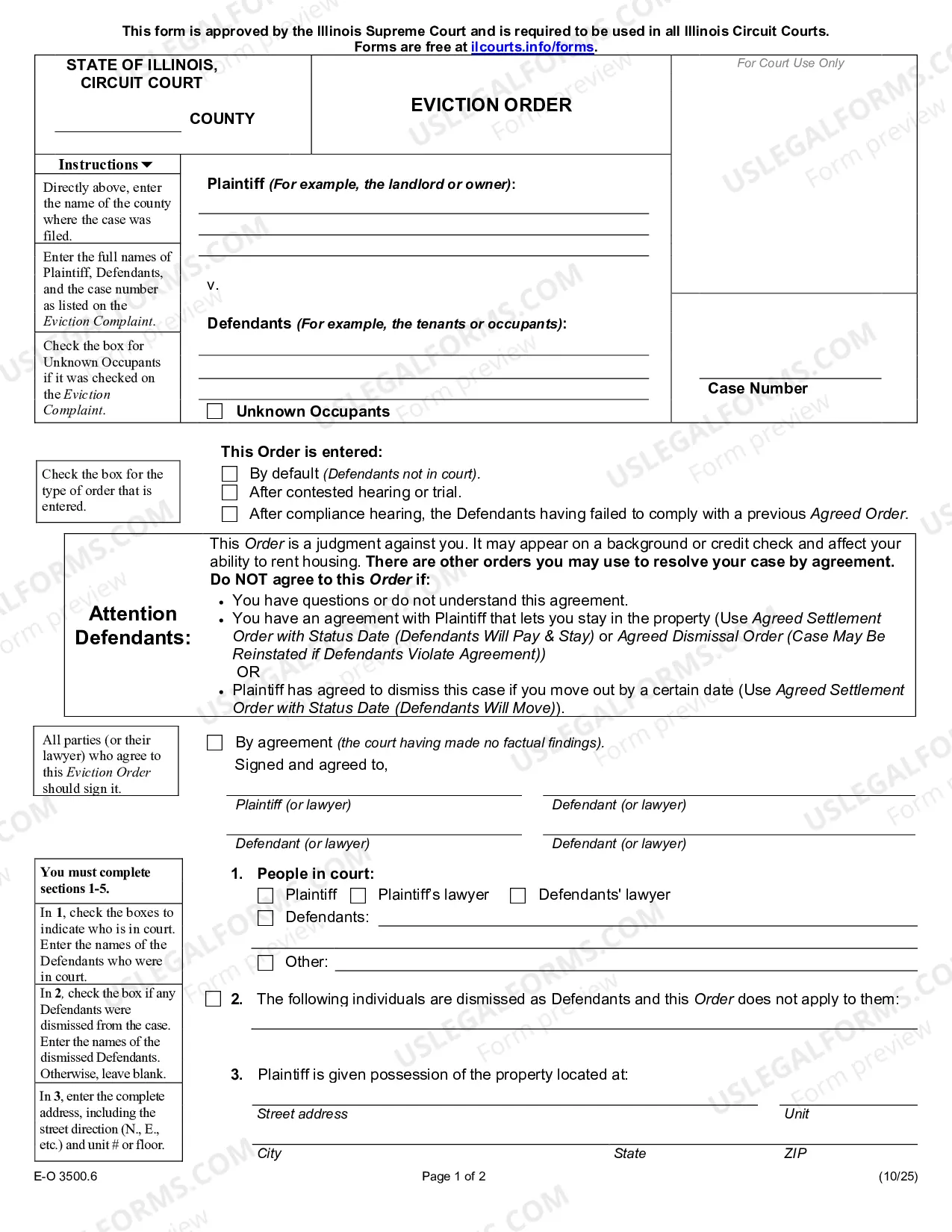
Get your form ready online
Our built-in tools help you complete, sign, share, and store your documents in one place.
Make edits, fill in missing information, and update formatting in US Legal Forms—just like you would in MS Word.
Download a copy, print it, send it by email, or mail it via USPS—whatever works best for your next step.
Sign and collect signatures with our SignNow integration. Send to multiple recipients, set reminders, and more. Go Premium to unlock E-Sign.
If this form requires notarization, complete it online through a secure video call—no need to meet a notary in person or wait for an appointment.
We protect your documents and personal data by following strict security and privacy standards.

Make edits, fill in missing information, and update formatting in US Legal Forms—just like you would in MS Word.

Download a copy, print it, send it by email, or mail it via USPS—whatever works best for your next step.

Sign and collect signatures with our SignNow integration. Send to multiple recipients, set reminders, and more. Go Premium to unlock E-Sign.

If this form requires notarization, complete it online through a secure video call—no need to meet a notary in person or wait for an appointment.

We protect your documents and personal data by following strict security and privacy standards.
Looking for another form?
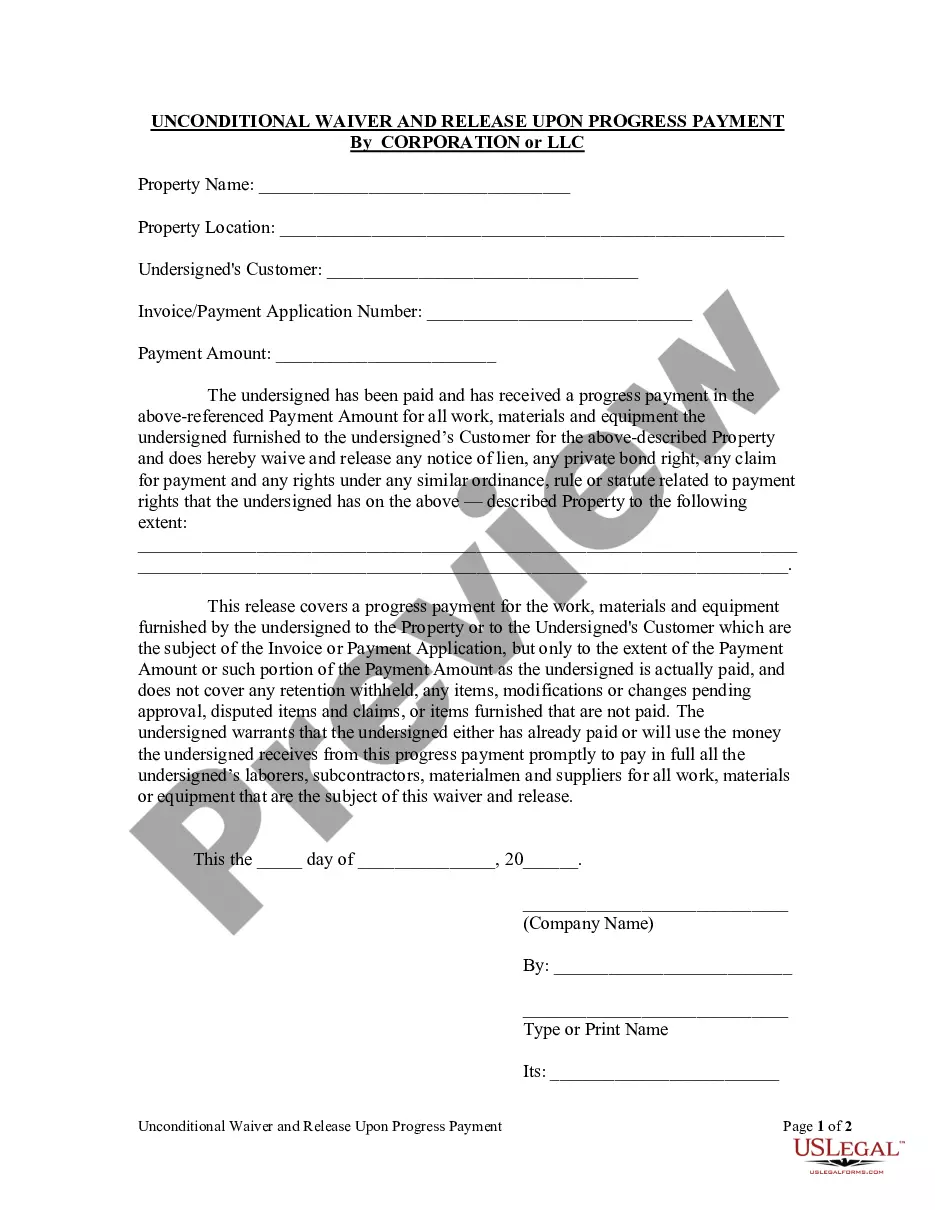



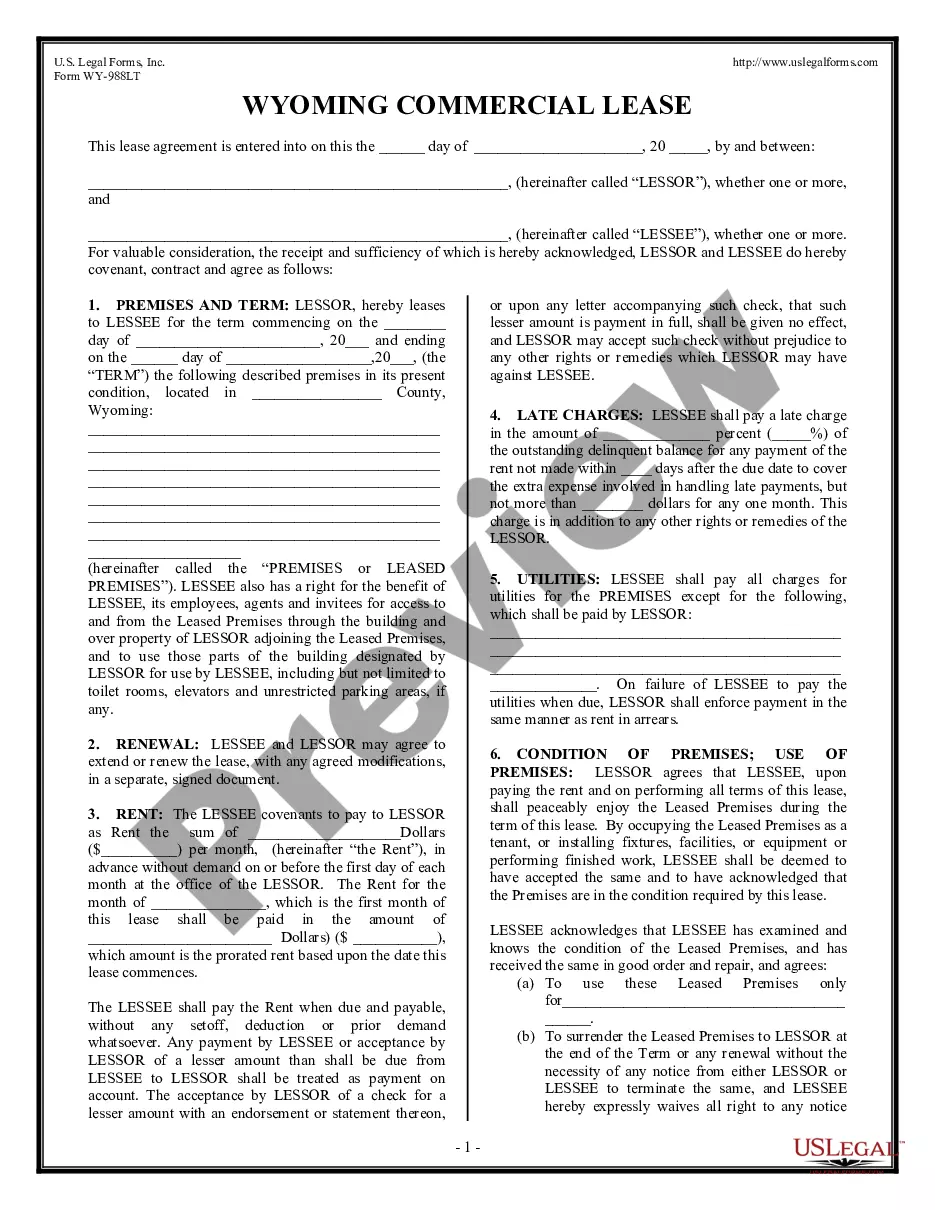
Form popularity
FAQ
Resignation means giving up because you've decided that there's nothing you can do about your situation. Acceptance, on the other hand, simply means accepting that the situation happened or exists. Resignation is followed by helplessness; whereas acceptance opens up choices.
Yes, you can quit a job after accepting an offer, even if you haven't started yet. However, it's important to consider the following: Professionalism: It's best to notify the employer as soon as possible. A simple, polite email or phone call expressing your decision is recommended.
Ever wondered if it's okay to change your mind after accepting a job offer? The answer is YES! ? Just because you accept an offer doesn't mean you're legally bound to join the company. You can inform them before or on your start date that you've received a better offer. It works both ways—companies can also change thei.
Yes, a resignation acceptance letter is necessary to ensure legal and administrative compliance, smooth transition, clarity, and professionalism.
Unless you're signing a contract of employment or are being given some kind of sign on bonus that needs to be repaid, there is nothing to stop you from accepting a job offer and then backing out.
Accept it immediately unless you think the offer is unfair. The company may have other candidates they like in addition to you. There is no reason to automatically delay accepting an offer of employment unless you find fault in their offer. Remember, you've gone through an entire interview and screening process.
That bright line or “two-dismissal” rule is: “If a plaintiff has once dismissed an action, a dismissal by notice of a second action based on or including the same claim, amounts to an adjudication on the merits. As such, the second dismissal effectively creates a res judicata bar to a third action.” Campbell at 6.
Georgia requires employers to send a Separation Notice to EVERY exiting employee, regardless of whether the separation was voluntary or involuntary. The Separation Notice informs the Department of Labor whether the employee qualifies for unemployment benefits.
O.C.G.A. § 9-11-41 states that an “action may be dismissed by the plaintiff, without order or permission of court… by filing a written notice of dismissal at any time before the first witness is sworn.” However, filing a “second notice of dismissal operates as an adjudication upon the merits.”
A defendant may choose to submit a motion to dismiss for one of two reasons: 1) to allege a lack of jurisdiction over the defendant; or 2) to show that the plaintiff's claim is without legal or factual merit.

