Resignation Letter With One Month Notice In Arizona
Description

Get your form ready online
Our built-in tools help you complete, sign, share, and store your documents in one place.
Make edits, fill in missing information, and update formatting in US Legal Forms—just like you would in MS Word.
Download a copy, print it, send it by email, or mail it via USPS—whatever works best for your next step.
Sign and collect signatures with our SignNow integration. Send to multiple recipients, set reminders, and more. Go Premium to unlock E-Sign.
If this form requires notarization, complete it online through a secure video call—no need to meet a notary in person or wait for an appointment.
We protect your documents and personal data by following strict security and privacy standards.

Make edits, fill in missing information, and update formatting in US Legal Forms—just like you would in MS Word.

Download a copy, print it, send it by email, or mail it via USPS—whatever works best for your next step.

Sign and collect signatures with our SignNow integration. Send to multiple recipients, set reminders, and more. Go Premium to unlock E-Sign.

If this form requires notarization, complete it online through a secure video call—no need to meet a notary in person or wait for an appointment.

We protect your documents and personal data by following strict security and privacy standards.
Looking for another form?






Form popularity
FAQ
To calculate your 1-month notice period, identify the exact date you or your employer gives notice. Your notice period runs from this date for the next calendar month. For example, if you hand in your resignation on the 15th of April, your last working day will be the 14th of May.
The easiest way to think about it is to take the day the notice was given and count forward 30 days, then the next rental due date that is either on or after that date is the day the notice effect.
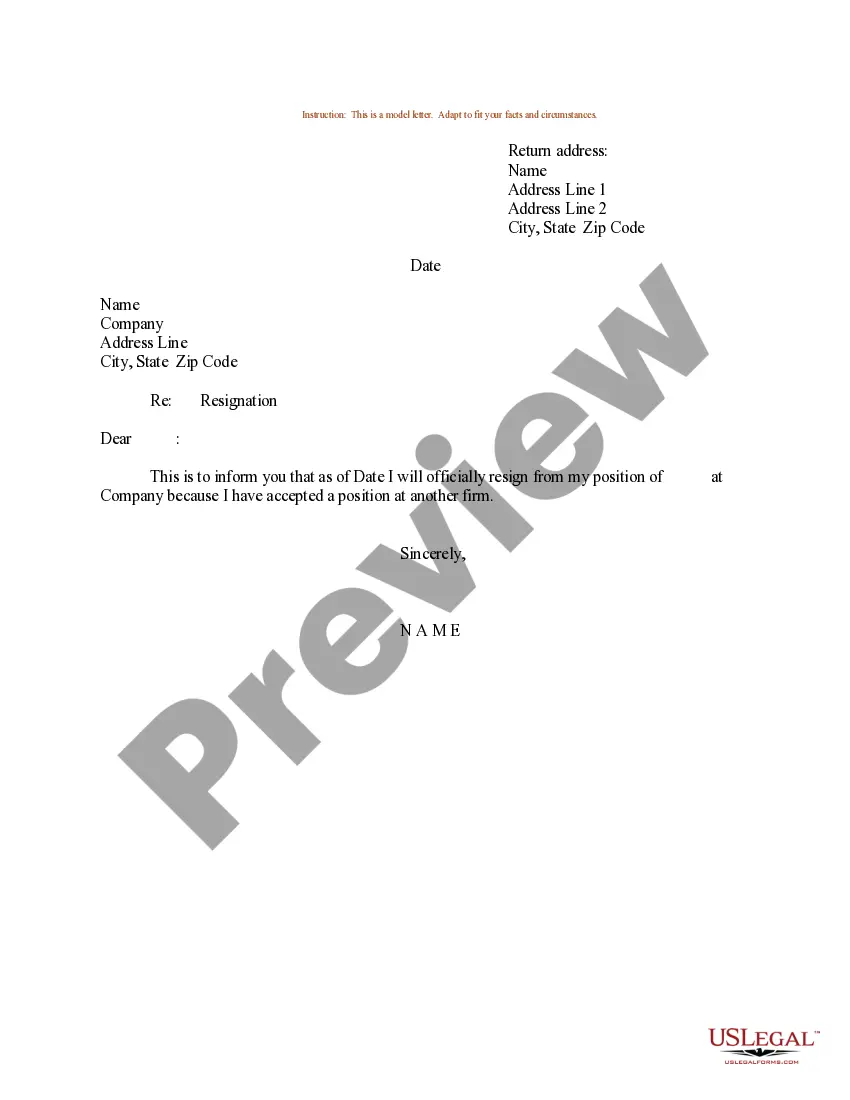
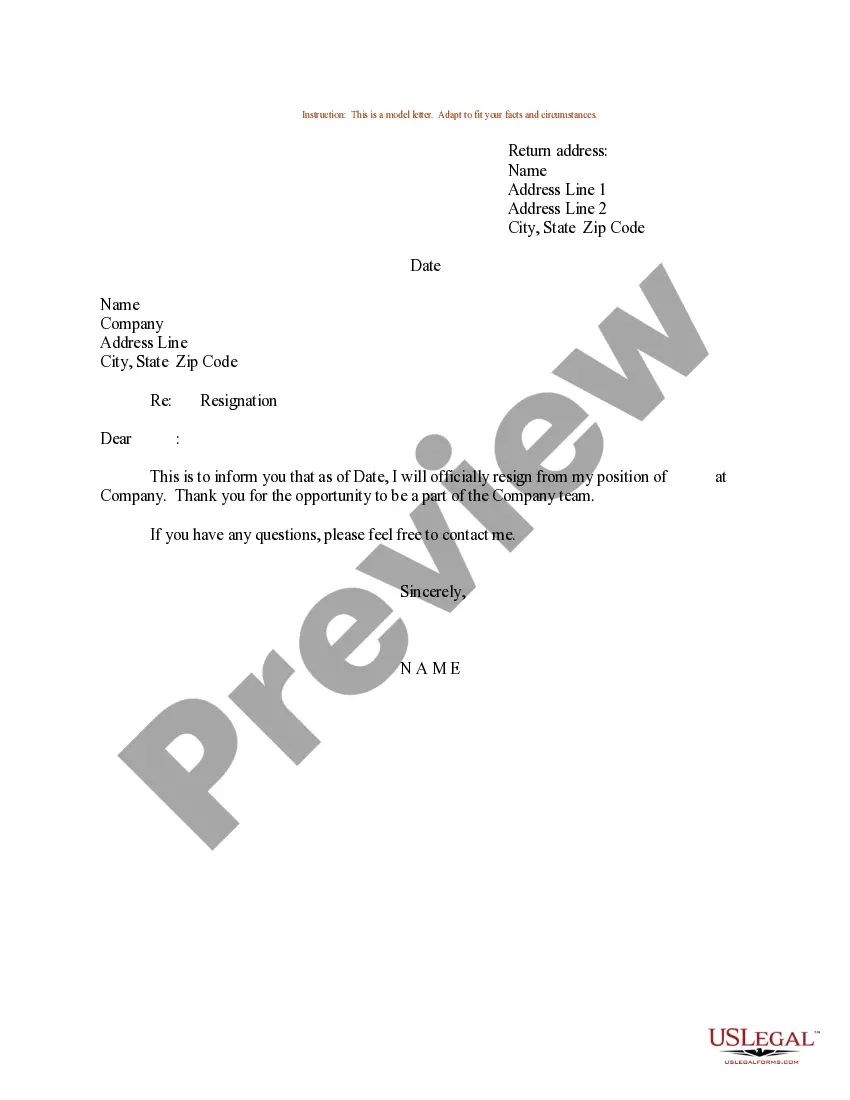
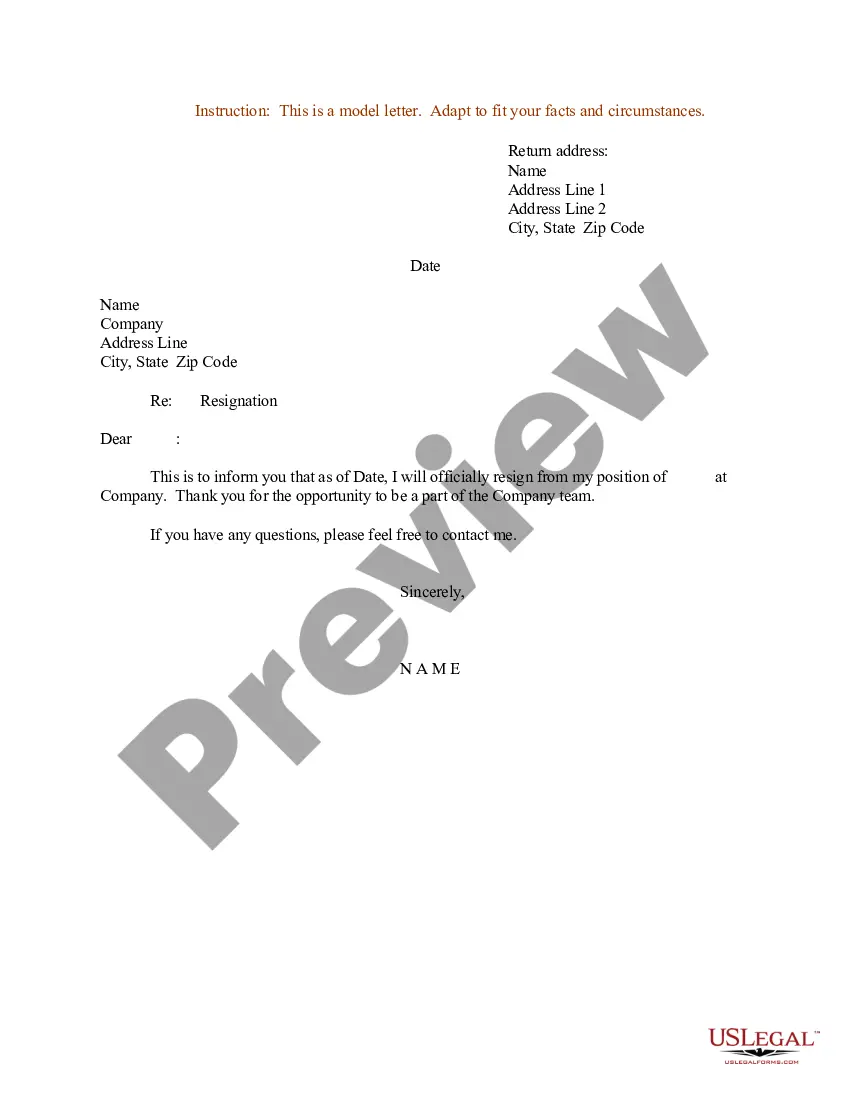
Here is a step-by-step guide to creating a clear and professional resignation letter for your employer: Address your manager/supervisor. State your resignation. Specify your last working day. Clarify why you're leaving. Thank the organisation. Outline next steps. Extend your wish to assist with the transition.
Here is a step-by-step guide to creating a clear and professional resignation letter for your employer: Address your manager/supervisor. State your resignation. Specify your last working day. Clarify why you're leaving. Thank the organisation. Outline next steps. Extend your wish to assist with the transition.
How to write a one-month resignation letter Address your letter properly. Include a formal salutation. Clearly define your purpose in the body paragraph. Indicate the date of your resignation. Discuss your reason for leaving. Write a statement of gratitude. Discuss the next steps.
Start with a direct resignation statement, like "I am writing to notify you of my intention to resign from my position as Your Job Title at Company Name, effective one month from today's date, Resignation Date." Mention the reason for your decision. Briefly mention your reason for leaving.
How To Give A Notice Period? Continue good work ethics. Write a brief and professional letter. Be grateful and positive. Inform your employer in person. Expect a counter-offer. Stay confident.
The short answer is that an at-will employee is not required to provide two weeks' notice before quitting. Even when there's an offer letter or employee manual that requests an employee to give two weeks' notice before leaving, this doesn't change the at-will status of the employee.
If you're resigning, it's essential that you give a fair amount of notice to your company. The standard time to give a company is two weeks to one month, but it can vary depending on the type of job.
The notice period can be waived if both the employer and employee mutually agree on the decision. This agreement should be documented clearly in writing to avoid any future disputes between the parties. Both parties must agree on the notice period, and neither party may impose it unilaterally.

