Retirement Letter Vs Resignation Letter In Alameda
Description

Get your form ready online
Our built-in tools help you complete, sign, share, and store your documents in one place.
Make edits, fill in missing information, and update formatting in US Legal Forms—just like you would in MS Word.
Download a copy, print it, send it by email, or mail it via USPS—whatever works best for your next step.
Sign and collect signatures with our SignNow integration. Send to multiple recipients, set reminders, and more. Go Premium to unlock E-Sign.
If this form requires notarization, complete it online through a secure video call—no need to meet a notary in person or wait for an appointment.
We protect your documents and personal data by following strict security and privacy standards.

Make edits, fill in missing information, and update formatting in US Legal Forms—just like you would in MS Word.

Download a copy, print it, send it by email, or mail it via USPS—whatever works best for your next step.

Sign and collect signatures with our SignNow integration. Send to multiple recipients, set reminders, and more. Go Premium to unlock E-Sign.

If this form requires notarization, complete it online through a secure video call—no need to meet a notary in person or wait for an appointment.

We protect your documents and personal data by following strict security and privacy standards.
Looking for another form?




Form popularity
FAQ
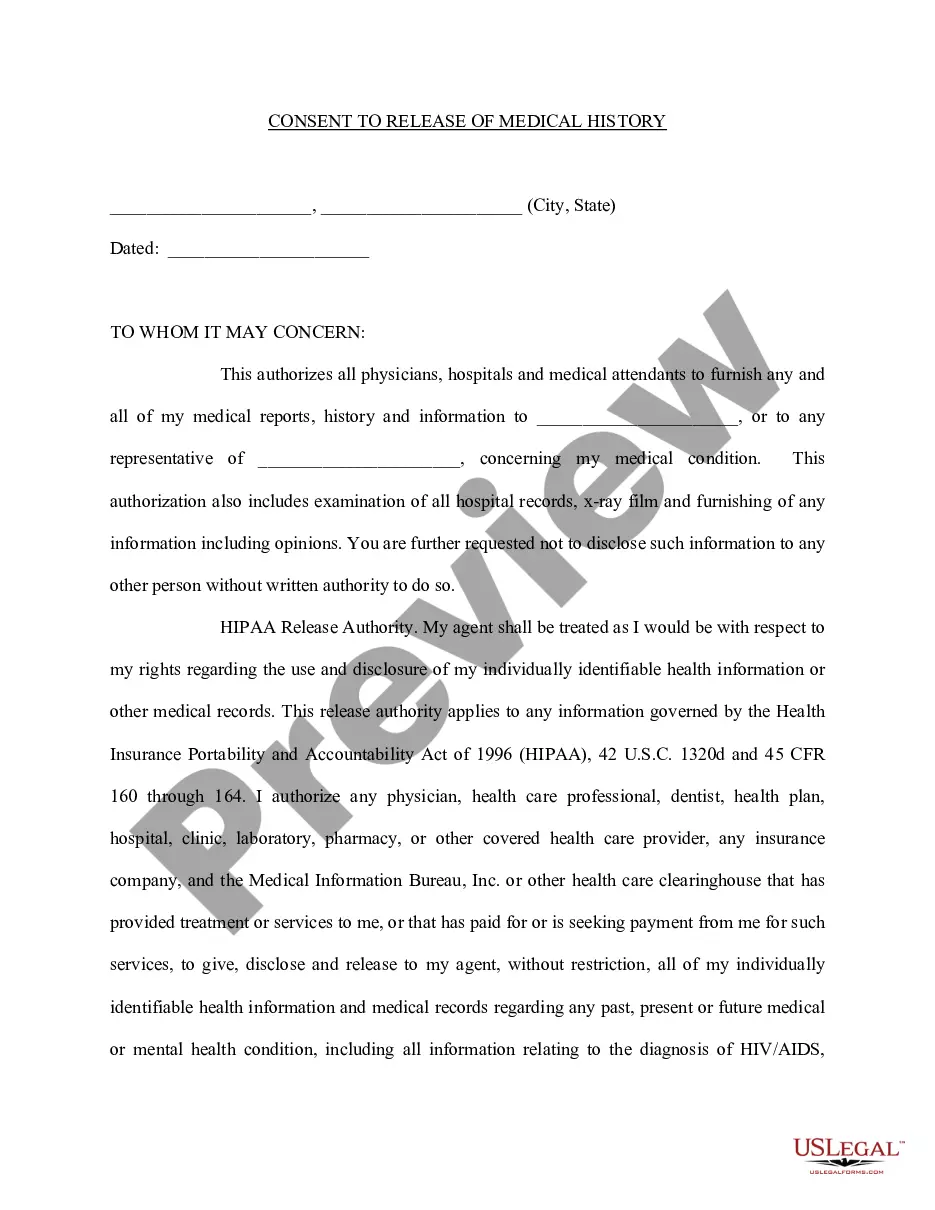
Among the many other things on your to do list for retirement, you must notify your employer. Often, they require you to submit an official retirement letter of resignation. Even if writing a retirement resignation letter isn't required, it's the considerate thing to do!
Ing to some resources, three to six months advance retirement notice is considered the standard — although it'd be wise to revisit your company policy before making a final decision.
It's important to submit a retirement letter when you plan to retire from your position. This gives your employer essential information about your departure that will help them prepare to fill your role. If you're considering retirement, it's important to review the basics of a retirement letter.
A retirement letter is your formal resignation from a company once you're ready for retirement financially and otherwise. The letter lets your employer know in writing when you plan to leave and your availability for helping with the transition.
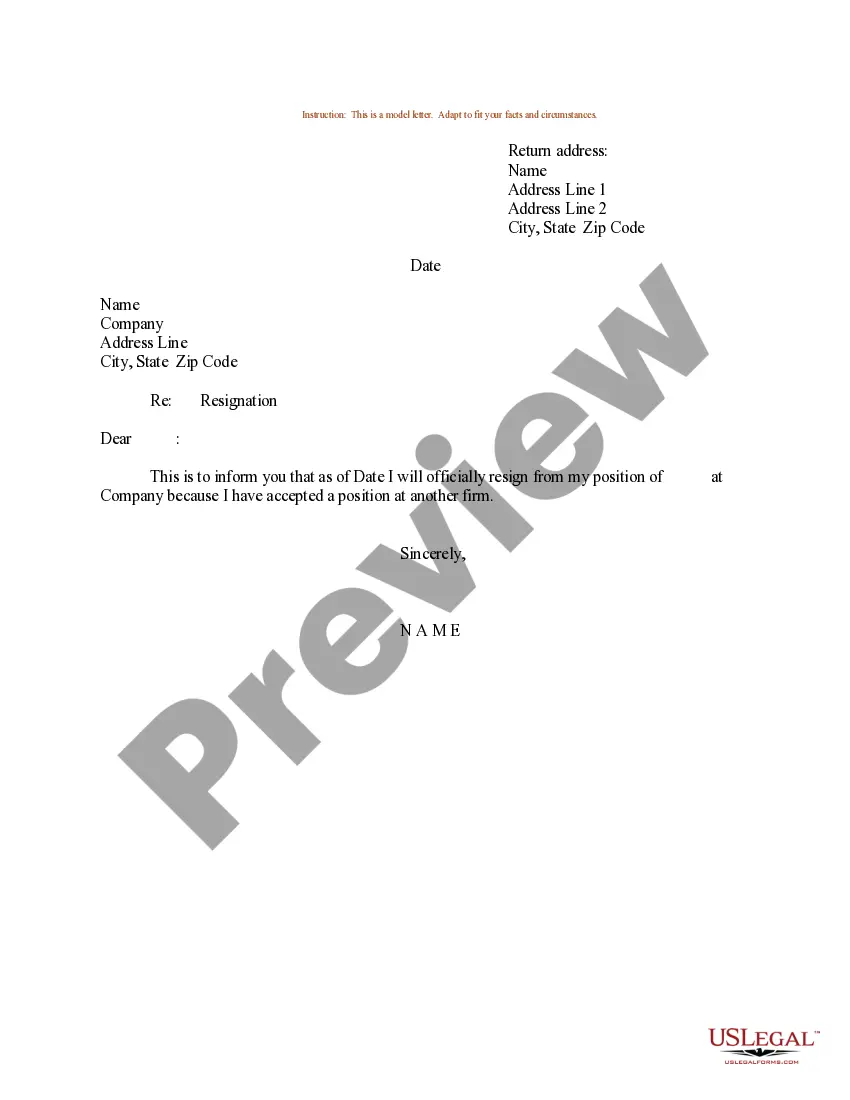
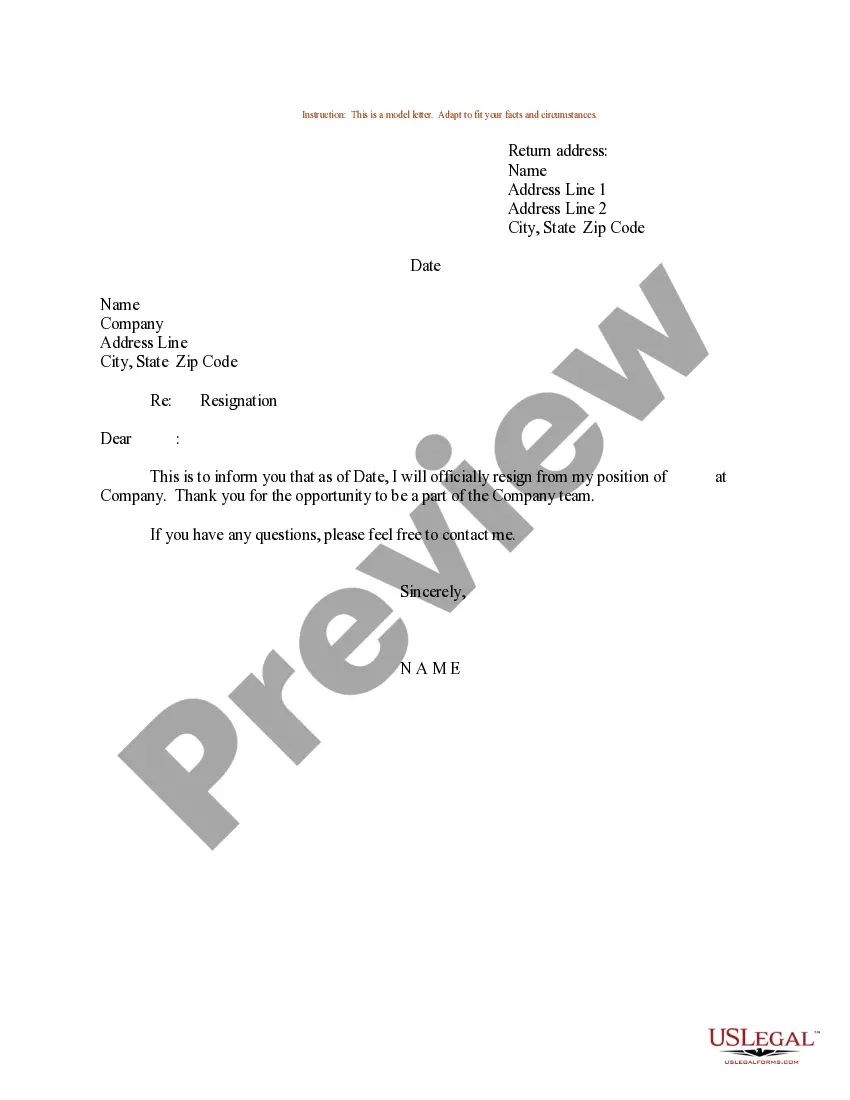
A resignation letter officially informs your employer that you plan to leave your job for any reason, including retirement. While the reasons behind a resignation letter differ, a retirement letter is used to notify an employer of your resignation due to retirement specifically.
A retirement letter is your formal resignation from a company once you're ready for retirement financially and otherwise. The letter lets your employer know in writing when you plan to leave and your availability for helping with the transition.
It's essential to give your employer enough notice to maintain goodwill and aid in the transition period. If you know you're retiring at the end of this year, consider drafting your letter at least a month or so in advance. Even longer doesn't hurt.
Resignation Versus Termination | Comparison Reasoning: Termination is often based on performance issues, misconduct, or redundancy, while personal choices or career aspirations usually drive resignation. This distinction underscores the underlying motivations behind each decision.
Your completed retirement application with your signature is equivalent to a letter of resignation. If you're ever eligible for a federal retirement benefit, you should not resign from your position. Instead, you should plan on submitting a retirement application at a later date.
To resign is to quit or retire from a position. You can also resign yourself to something inevitable, like death — meaning you just accept that it's going to happen. When people resign, they're leaving something, like a job or political office. Congressmen resign after a scandal.