Principles Of Law In Virginia
Description
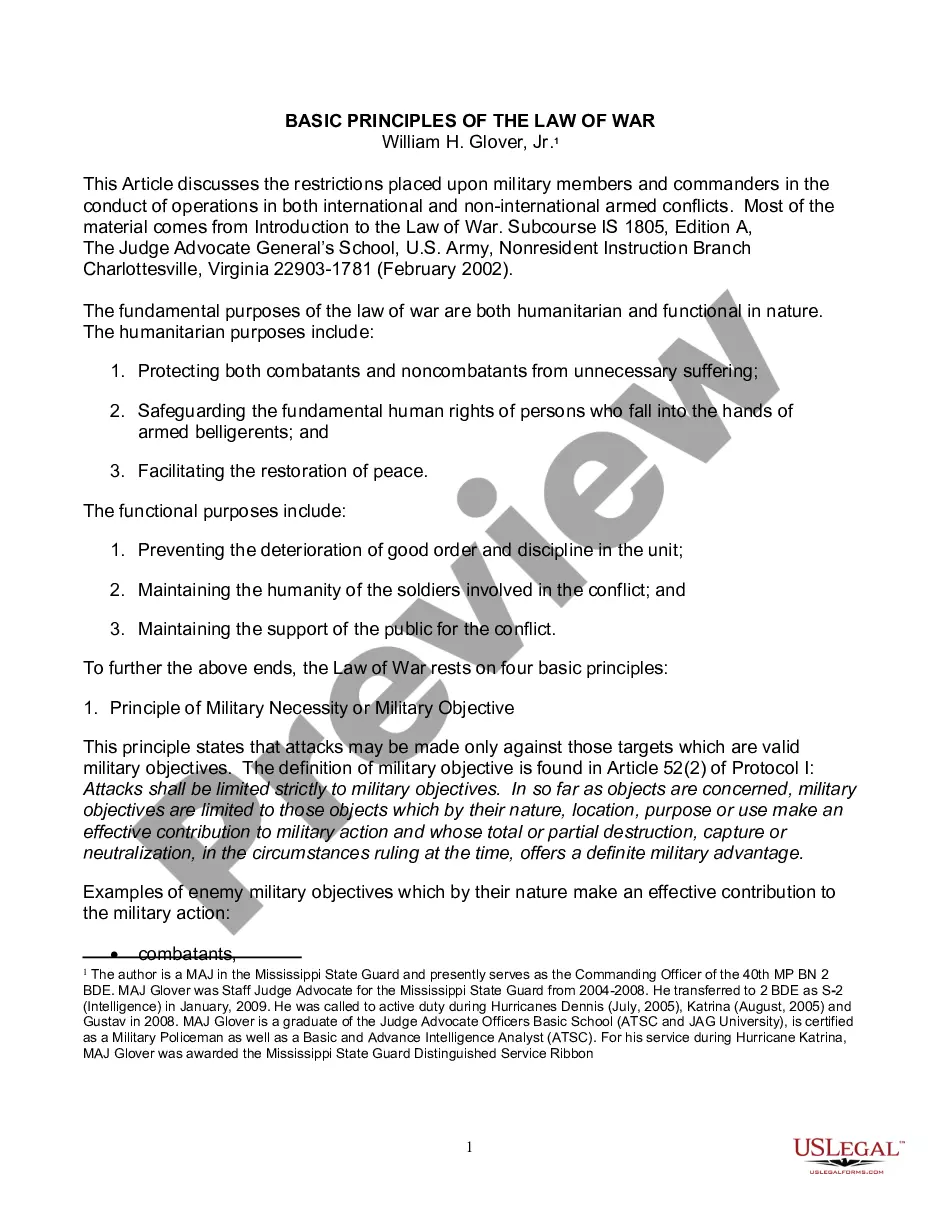
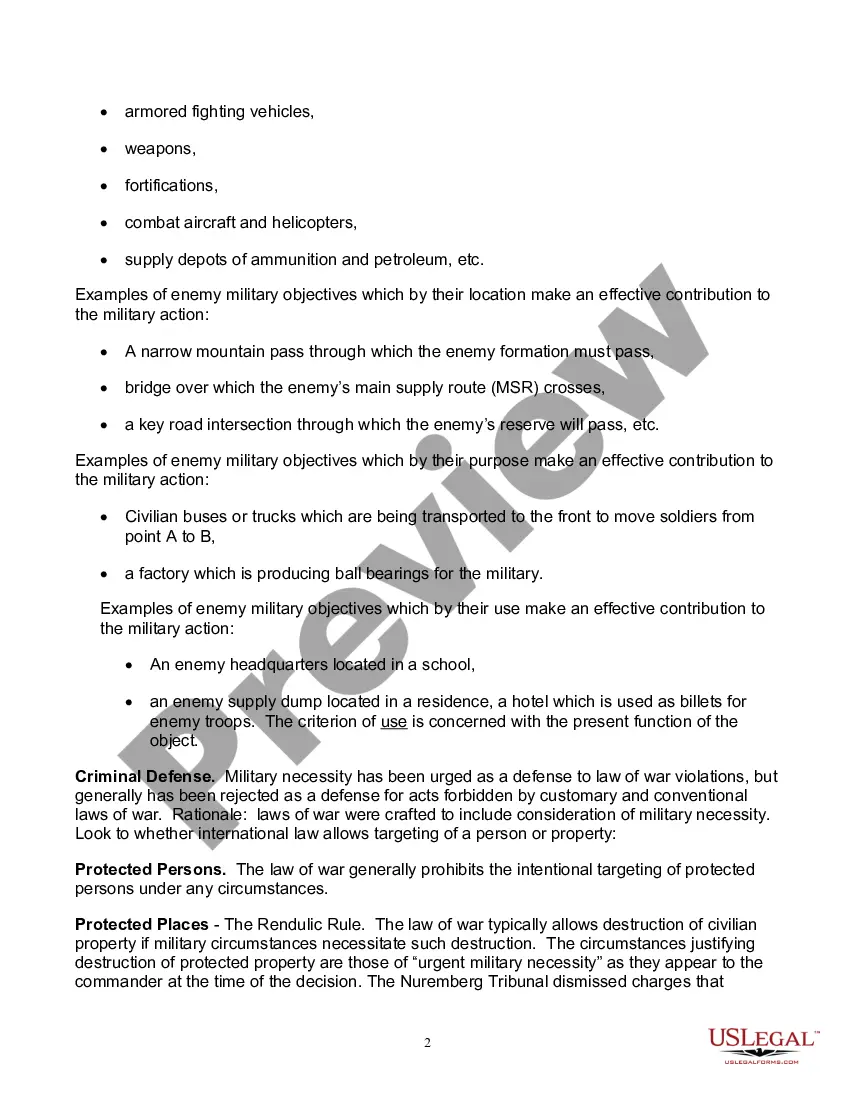
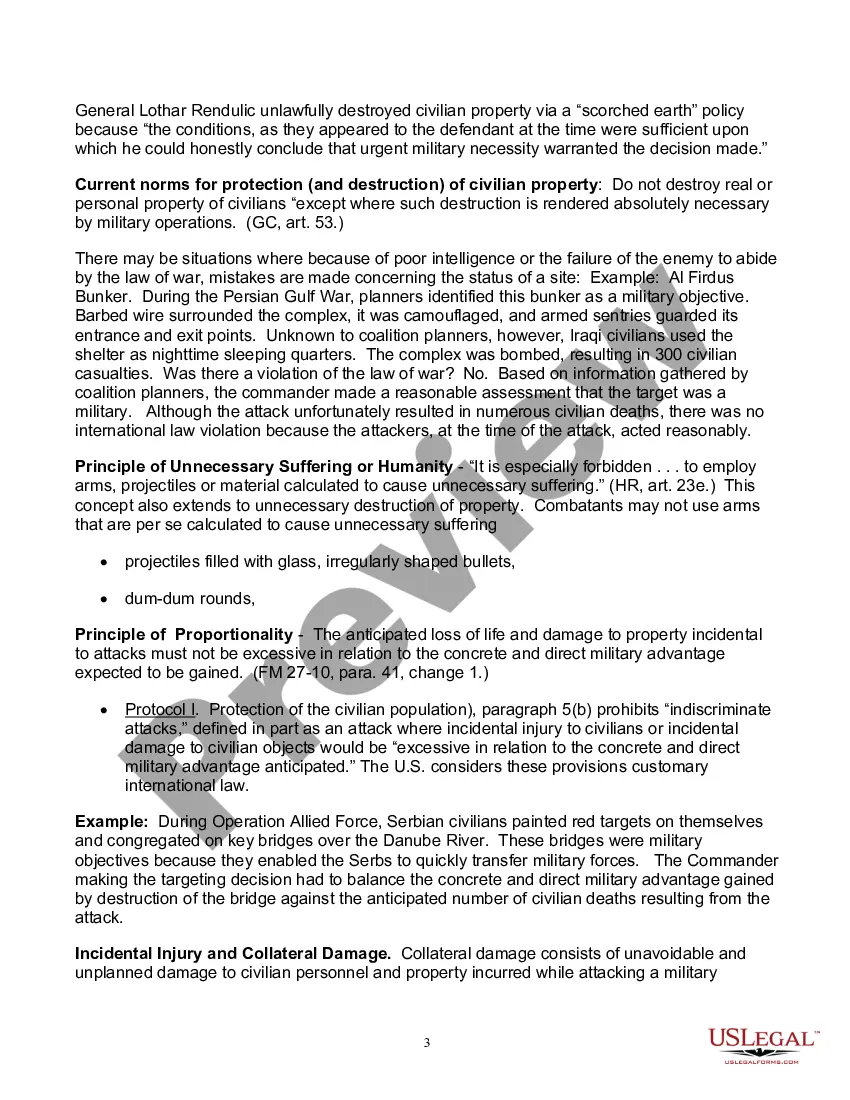
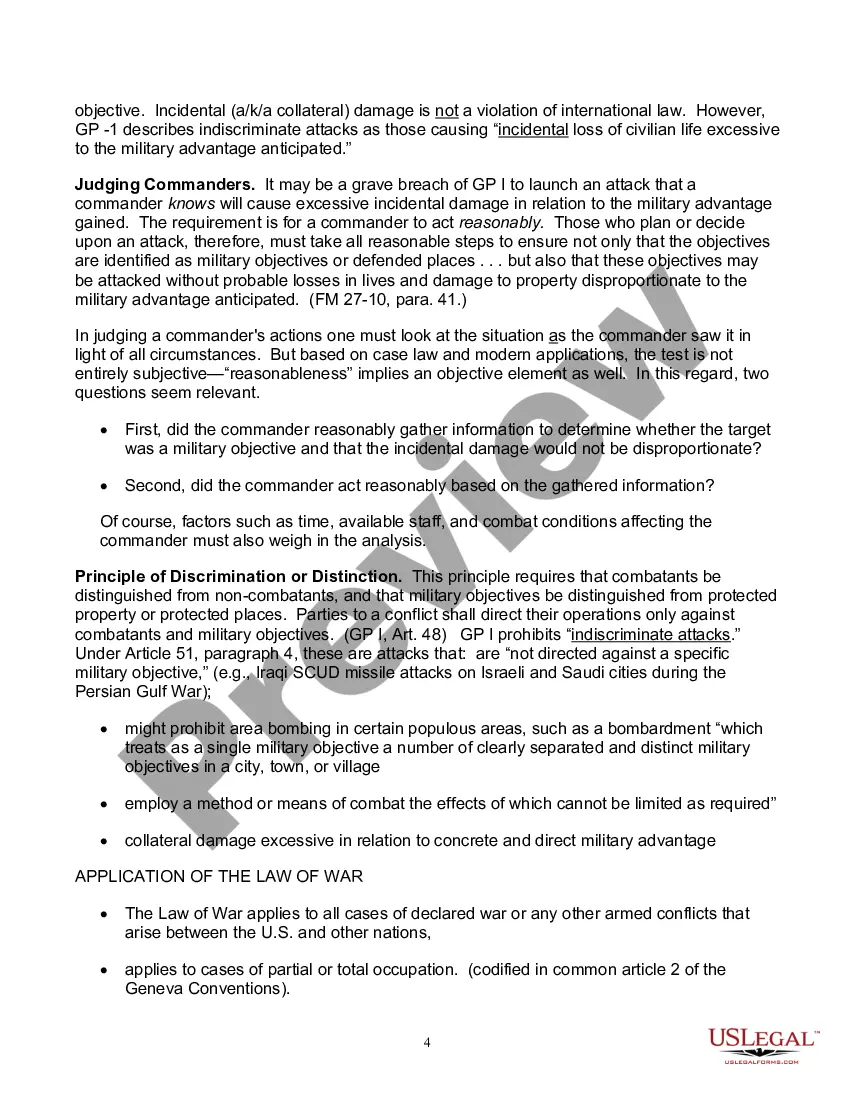


Get your form ready online
Our built-in tools help you complete, sign, share, and store your documents in one place.
Make edits, fill in missing information, and update formatting in US Legal Forms—just like you would in MS Word.
Download a copy, print it, send it by email, or mail it via USPS—whatever works best for your next step.
Sign and collect signatures with our SignNow integration. Send to multiple recipients, set reminders, and more. Go Premium to unlock E-Sign.
If this form requires notarization, complete it online through a secure video call—no need to meet a notary in person or wait for an appointment.
We protect your documents and personal data by following strict security and privacy standards.

Make edits, fill in missing information, and update formatting in US Legal Forms—just like you would in MS Word.

Download a copy, print it, send it by email, or mail it via USPS—whatever works best for your next step.

Sign and collect signatures with our SignNow integration. Send to multiple recipients, set reminders, and more. Go Premium to unlock E-Sign.

If this form requires notarization, complete it online through a secure video call—no need to meet a notary in person or wait for an appointment.

We protect your documents and personal data by following strict security and privacy standards.
Looking for another form?

Form popularity
FAQ
General principles of law are legal norms existing among the majority of nations. Enduring examples of general principles of law, typically followed in most jurisdictions, are the doctrines of good faith, estoppel, and equity.
The Constitution of Virginia (1776) The Constitution of Virginia, adopted June 29, 1776, by the Virginia Convention, establishes the powers of a governor, Council of State, and General Assembly independent of Great Britain.
No person who has been convicted of a felony shall be qualified to vote unless his civil rights have been restored by the Governor or other appropriate authority. As prescribed by law, no person adjudicated to be mentally incompetent shall be qualified to vote until his competency has been reestablished.
What are the 4 rules of law? The four rules of law are accountability, open government, just law, and accessible and impartial justice. These ensure that government officials are not above the law, that decisions are transparent, that laws are fairly designed, and that the law is impartially enforced.
Virginia Declaration of Rights of 1776 and the The Virginia Statute for Religious Freedom, which was written by Thomas Jefferson, both influenced the writing of the Bill of Rights.
The law of Virginia consists of several levels of legal rules, including constitutional, statutory, regulatory, case law, and local laws. The Code of Virginia contains the codified legislation that define the general statutory laws for the Commonwealth.
In Virginia, laws of two constitutions apply to you: first, the United States Constitution and, second, the Virginia Constitution. The U.S. Constitution was written in 1787, after the American Revolution, when the new nation was being established.
A witness having an adverse interest may be examined with leading questions by the party calling the witness. After such an adverse direct examination, the witness is subject to cross-examination.
Sections are designated by the symbol "§," followed by the title number, a dash, and the section number. For example, a simple code section reference would be § 1-1, referring to Title 1, Section 1. Another example is § 2.2-3704, which is one of the laws that make up the Virginia Freedom of Information Act.
