Principles In Law Of Contract In Queens
Description

Get your form ready online
Our built-in tools help you complete, sign, share, and store your documents in one place.
Make edits, fill in missing information, and update formatting in US Legal Forms—just like you would in MS Word.
Download a copy, print it, send it by email, or mail it via USPS—whatever works best for your next step.
Sign and collect signatures with our SignNow integration. Send to multiple recipients, set reminders, and more. Go Premium to unlock E-Sign.
If this form requires notarization, complete it online through a secure video call—no need to meet a notary in person or wait for an appointment.
We protect your documents and personal data by following strict security and privacy standards.

Make edits, fill in missing information, and update formatting in US Legal Forms—just like you would in MS Word.

Download a copy, print it, send it by email, or mail it via USPS—whatever works best for your next step.

Sign and collect signatures with our SignNow integration. Send to multiple recipients, set reminders, and more. Go Premium to unlock E-Sign.

If this form requires notarization, complete it online through a secure video call—no need to meet a notary in person or wait for an appointment.

We protect your documents and personal data by following strict security and privacy standards.
Looking for another form?






Form popularity
FAQ
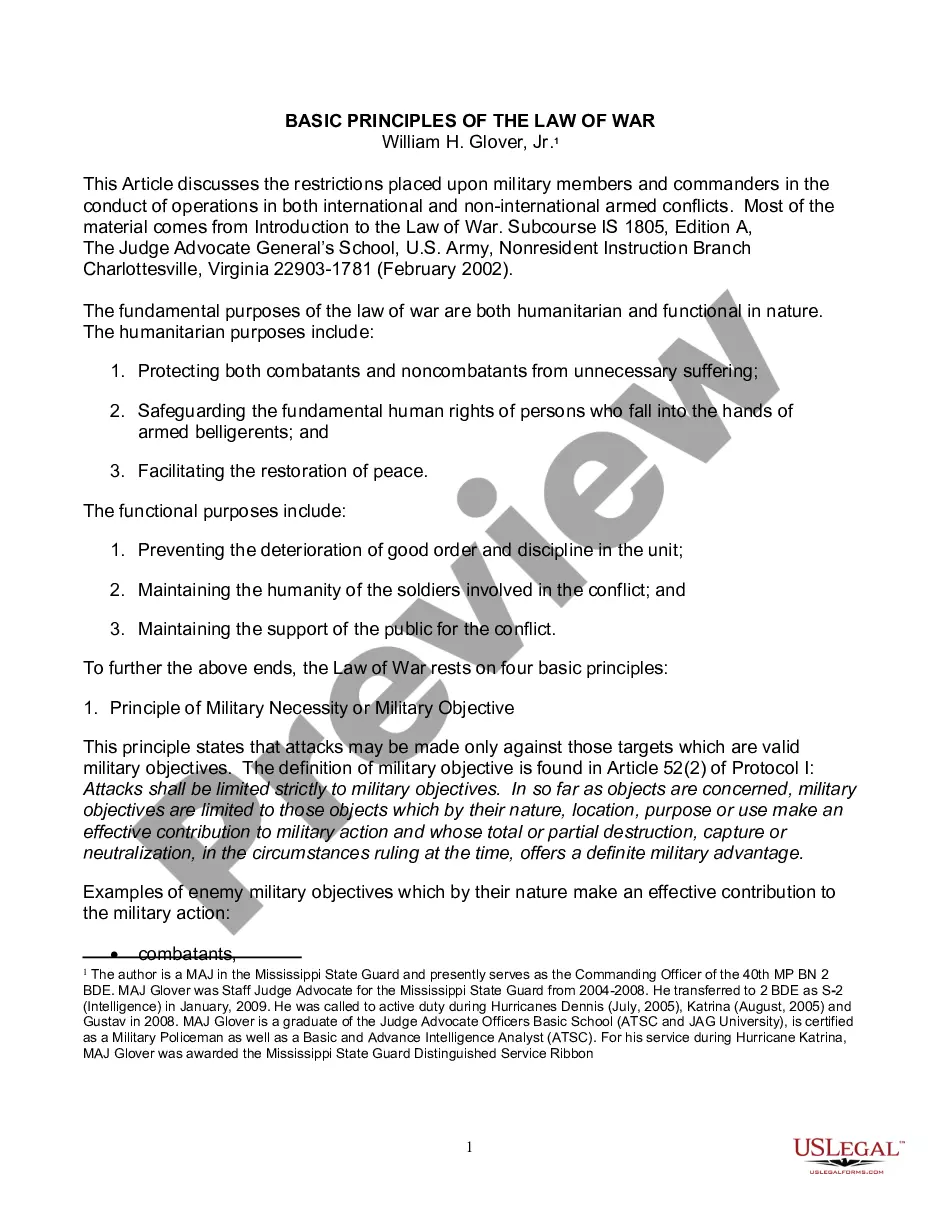
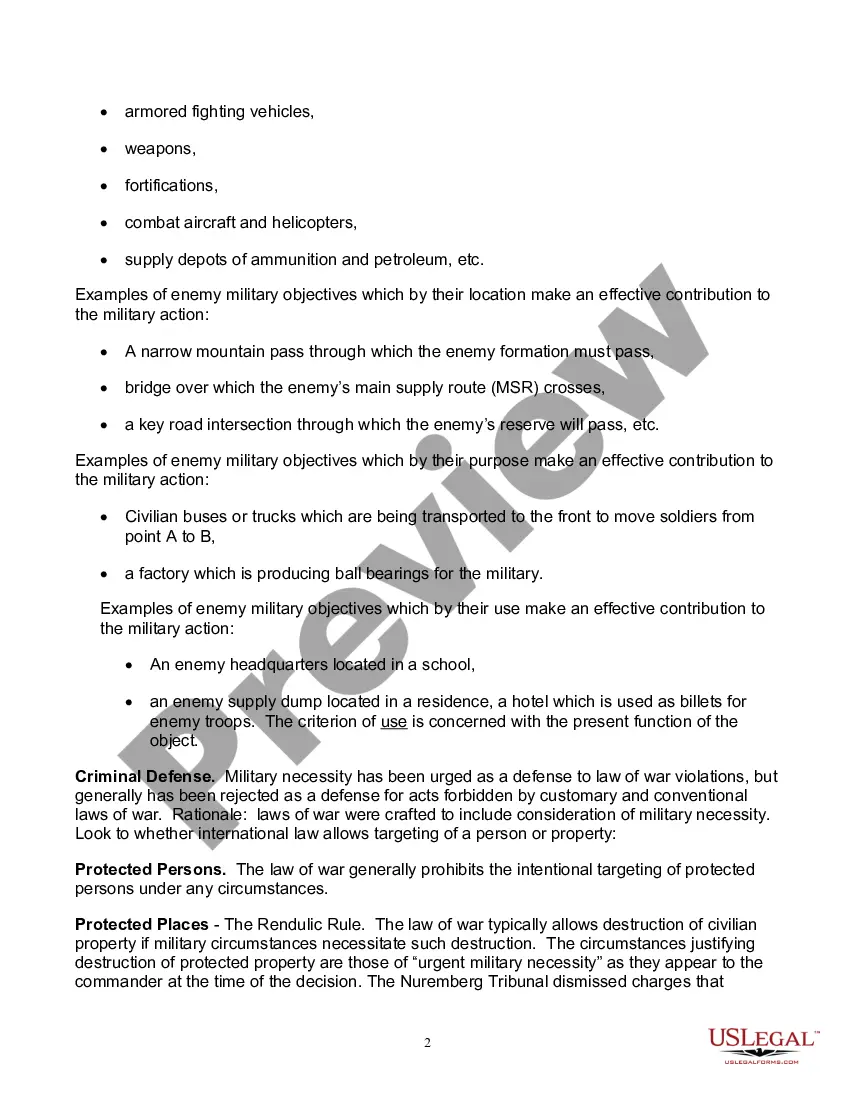
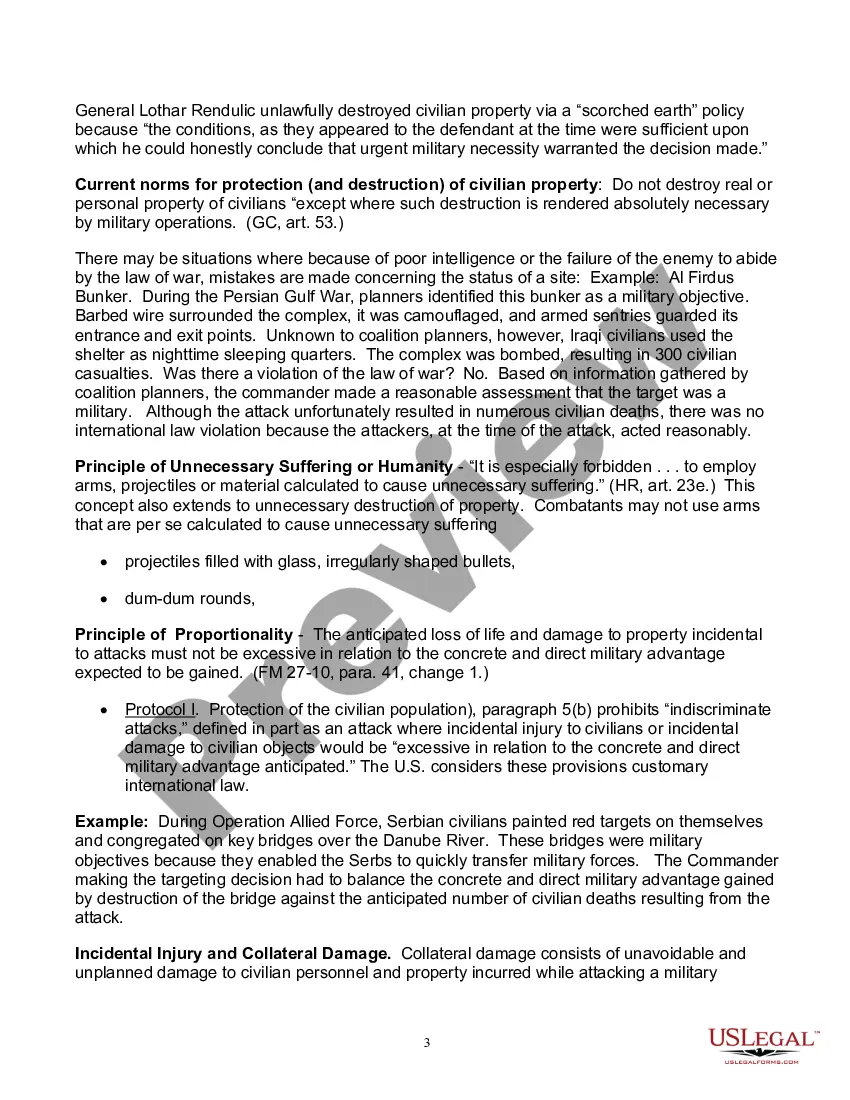
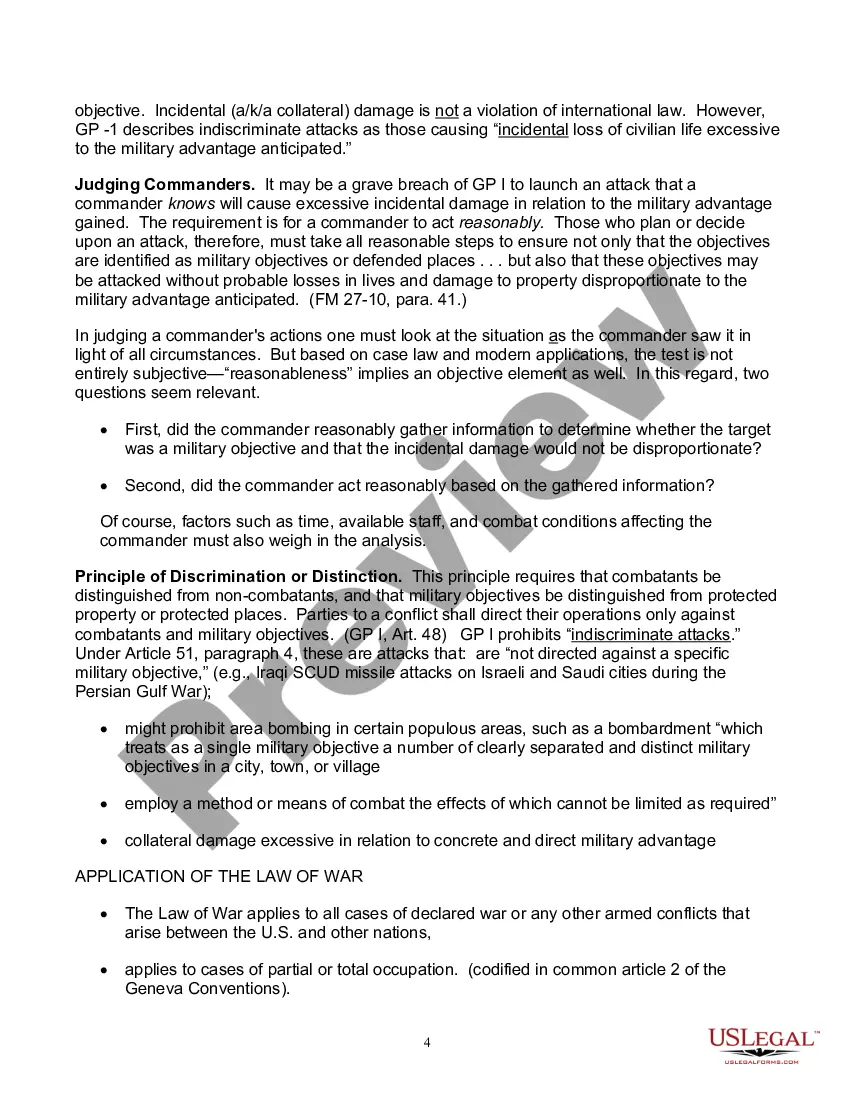
Offer and acceptance contract law notes The offeror, or person making the offer, must have the intention to be bound by what they are offering. The offeree, or person receiving the offer, must know about the offer and accept it for it to be accepted.
You may be sure you have an air-tight case, and you may be right, but a winning breach of contract lawsuit has four factors. Factor #1: A Well Written Contract. Factor #2: A Clear and Obvious Breach. Factor #3: Substantial and Identifiable Damages. Factor #4: A Defendant with Deep Pockets.
It explains that an offer is an indication of one party's willingness to enter into a contract with the party to whom it is addressed as soon as the latter accepts its terms while an acceptance is an agreement to the terms of the offer.
First, to become a contract attorney, one must earn a bachelor's degree and graduate with good grades. It is recommended, but not required, to earn a degree in a legally-related field, such as criminal justice or political science. Before applying for law school, you must take the LSAT and get a good score.
1) An Offer – a proposal that communicates a willingness to be bound to the next communication – is usually made by the Buyer. 2) Communication is key! An offer only counts if it is clearly communicated to the other party. 3) Acceptance: must exactly match the terms of the offer.
A legally enforceable contract must include an offer, acceptance, consideration, capacity, legality, and mutual assent. Understanding different types of contracts and situations where they may be deemed unenforceable is key to navigating contract law.
It explains that an offer is an indication of one party's willingness to enter into a contract with the party to whom it is addressed as soon as the latter accepts its terms while an acceptance is an agreement to the terms of the offer.
Under New York Family Court Act, Article 10, Child Protective Services, Part 2, § 1027, in cases where a child was removed without a court order, or in cases where there was a proceeding to remove the child but the neither the child's parents or the parents' counsel was present, the Family Court must hold a hearing.
A Notice of Intention to File a Claim is an optional document that a potential claimant may serve upon the defendant to extend the time period to serve and file a claim.
1) Who can be sued in the Court of Claims? The Court of Claims has jurisdiction over the State of New York as well as certain authorities that are sued under their own name.
