Principles Of Law In Pima
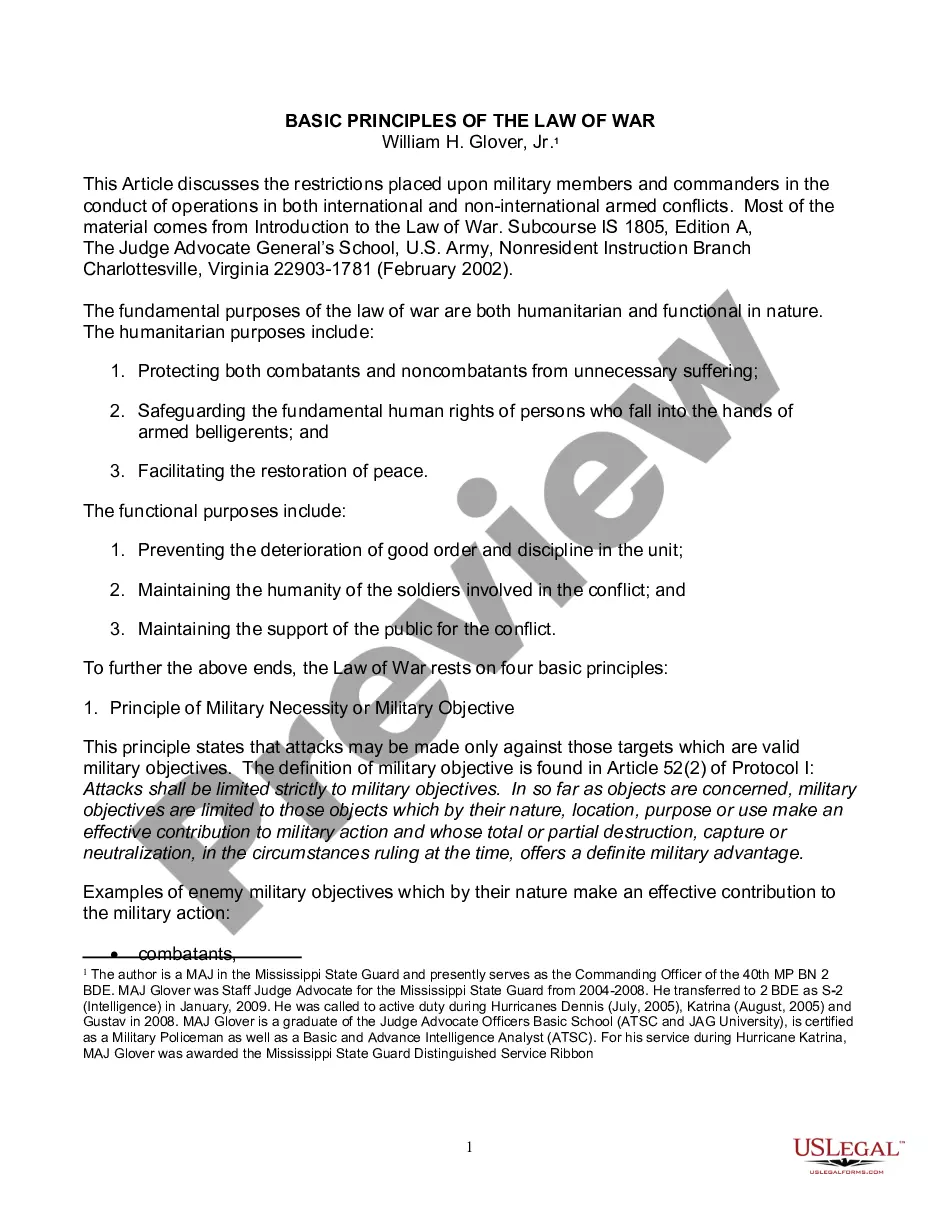
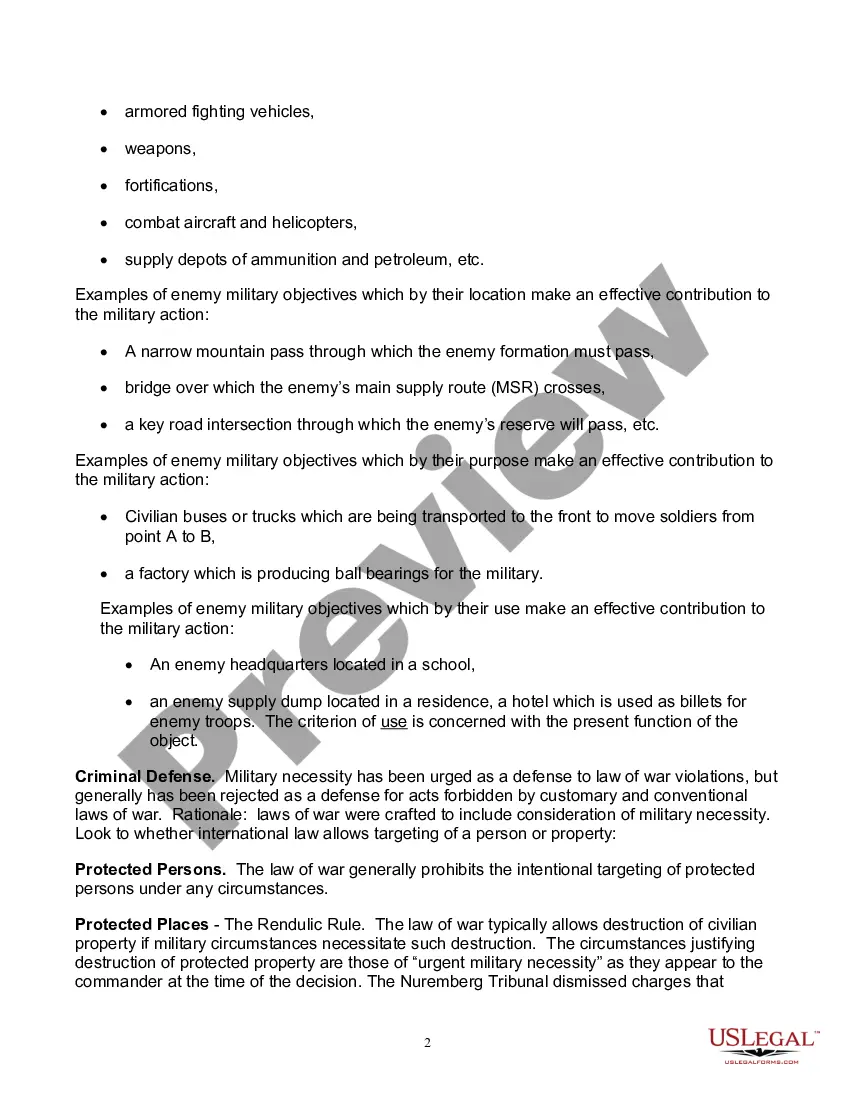
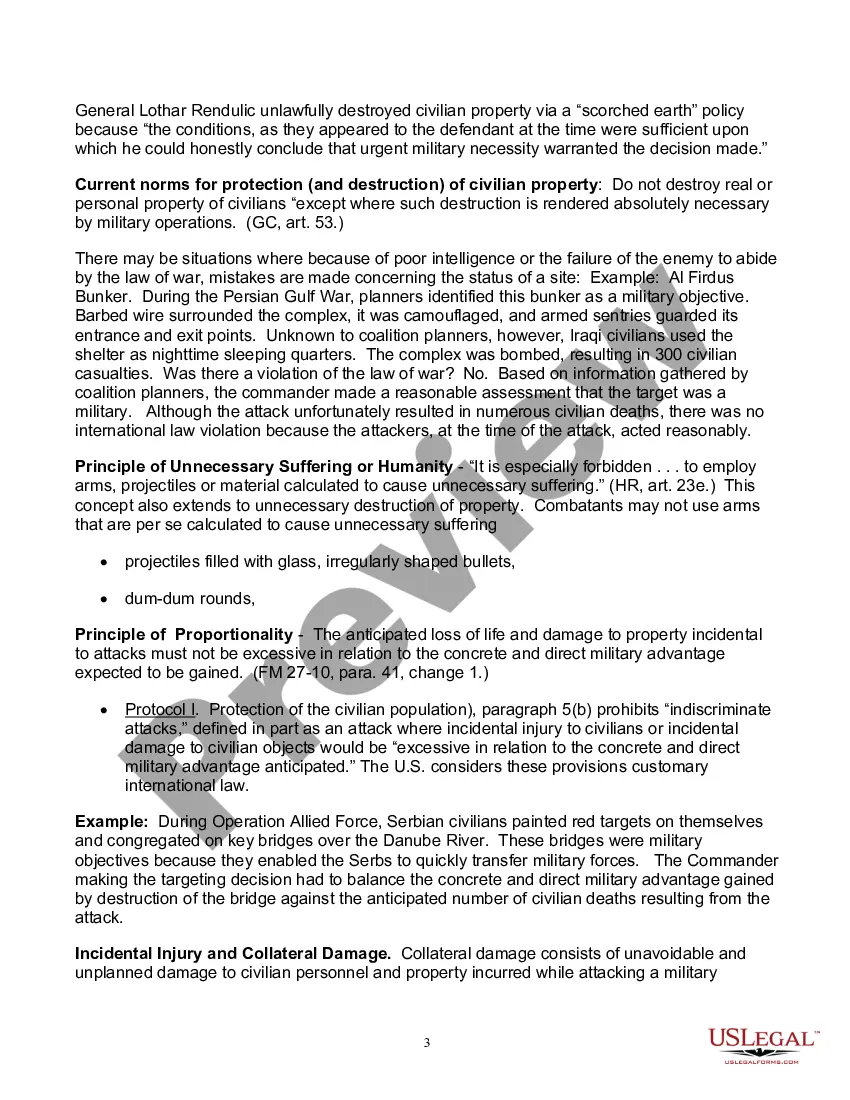
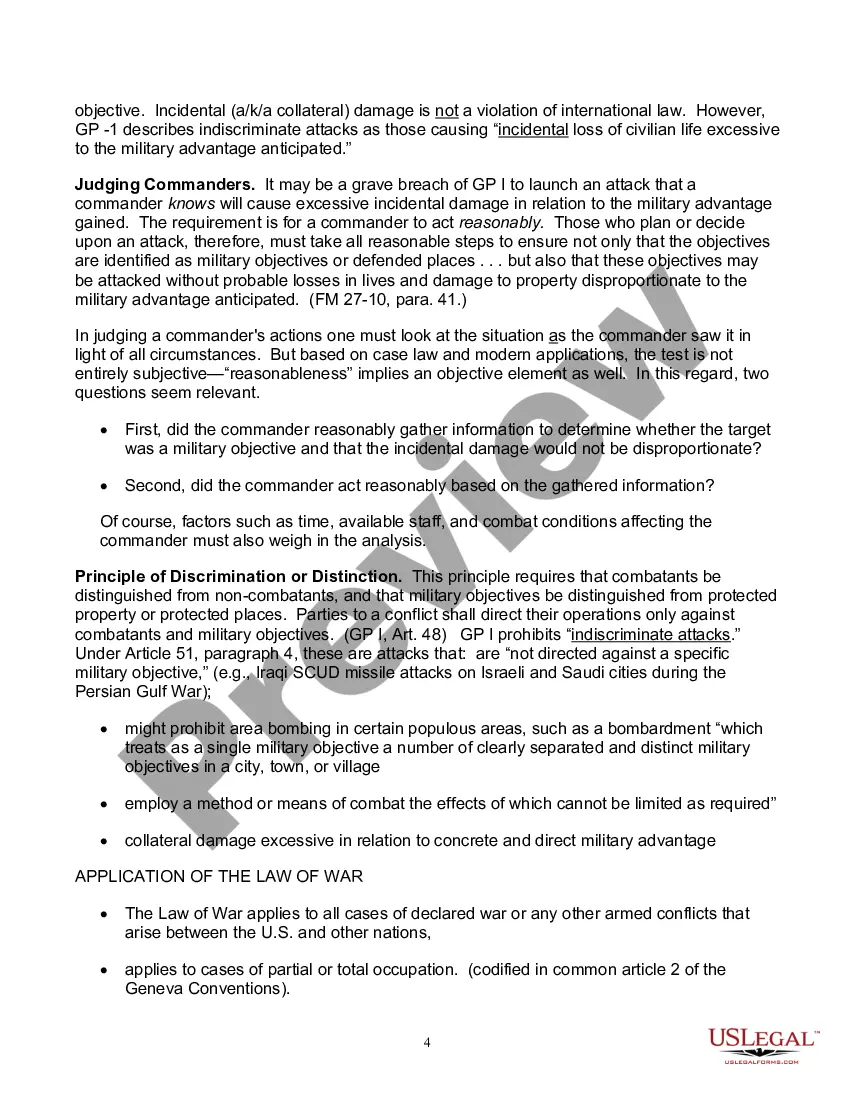
Description

Get your form ready online
Our built-in tools help you complete, sign, share, and store your documents in one place.
Make edits, fill in missing information, and update formatting in US Legal Forms—just like you would in MS Word.
Download a copy, print it, send it by email, or mail it via USPS—whatever works best for your next step.
Sign and collect signatures with our SignNow integration. Send to multiple recipients, set reminders, and more. Go Premium to unlock E-Sign.
If this form requires notarization, complete it online through a secure video call—no need to meet a notary in person or wait for an appointment.
We protect your documents and personal data by following strict security and privacy standards.

Make edits, fill in missing information, and update formatting in US Legal Forms—just like you would in MS Word.

Download a copy, print it, send it by email, or mail it via USPS—whatever works best for your next step.

Sign and collect signatures with our SignNow integration. Send to multiple recipients, set reminders, and more. Go Premium to unlock E-Sign.

If this form requires notarization, complete it online through a secure video call—no need to meet a notary in person or wait for an appointment.

We protect your documents and personal data by following strict security and privacy standards.
Looking for another form?










Form popularity
FAQ
The discussion of substantive criminal law briefly defines the seven principles essential for a crime to have been committed, i.e., legality, actus reus, mens rea, fusion of actus reus and mens rea, harm, causation, and stipulation of punishment.
What are the 4 rules of law? The four rules of law are accountability, open government, just law, and accessible and impartial justice. These ensure that government officials are not above the law, that decisions are transparent, that laws are fairly designed, and that the law is impartially enforced.
General principles of law are legal norms existing among the majority of nations. Enduring examples of general principles of law, typically followed in most jurisdictions, are the doctrines of good faith, estoppel, and equity.
The rule of law is a durable system of laws, institutions, norms, and community commitment that delivers four universal principles: accountability, just law, open government, and accessible and impartial justice.
In this presentation, we will examine the four primary sources of law at the state and federal levels. These four sources of law are the United States Constitution, federal and state statutes, administrative regulations, and case law.
The JD application for Fall 2025 is now open Bachelor's Degree. Law School Admission Test (LSAT) Scores, Graduate Record Examination (GRE) Scores or JD-Next. Completed Application and Residency Classification Information. Letters of Recommendation (two or more) ... Personal Statement (double-spaced, 4 pages max) ... Resume.
“Your marriage certificate doesn't expire, so you can actually wait as long as you'd like before starting the name change process after you get married,” Christensen says. “The best time to start the name change process is after you return from any scheduled travel in your given name.”
The plaintiff files a document (complaint) with the clerk of the court stating the reasons why the plaintiff is suing the defendant, and what action the plaintiff wants the court to take. A copy of the complaint and a summons are delivered to (served on) the defendant.
The Arizona Judicial Branch offers the ability to eFile Civil/Tax and Family Law documents in Maricopa County through authorized Electronic Filing Service Providers (EFSPs). We encourage you to familiarize yourself with the below resources and attend a training session prior to eFiling in a Civil, Tax, or Family case.
Change My Name Arizona Superior Court in Pima County provides two options for applicants seeking a name change. An applicant can file their application and request a telephonic hearing or can appear in person on a Wednesday or a Thursday morning.
