Principle With Law In King
Description
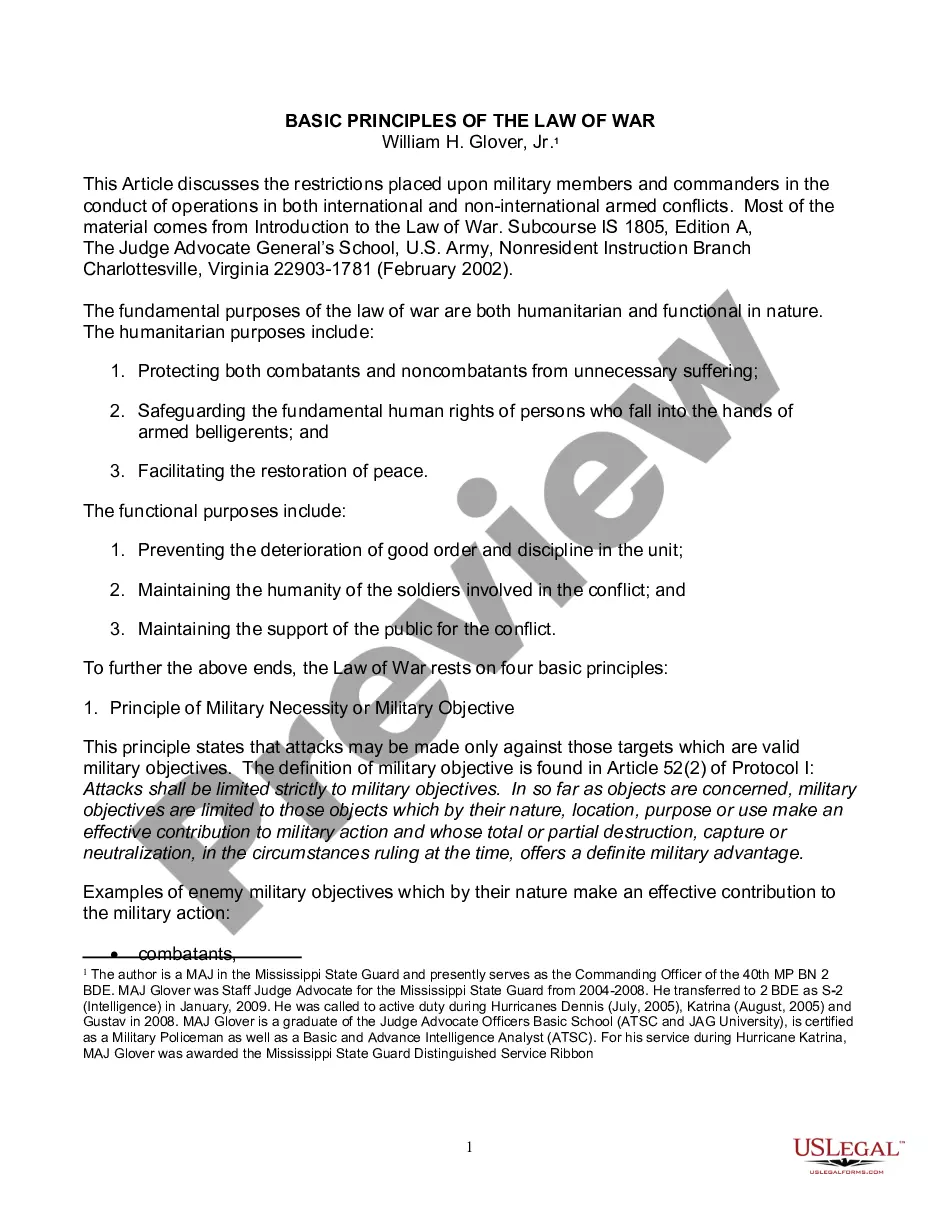
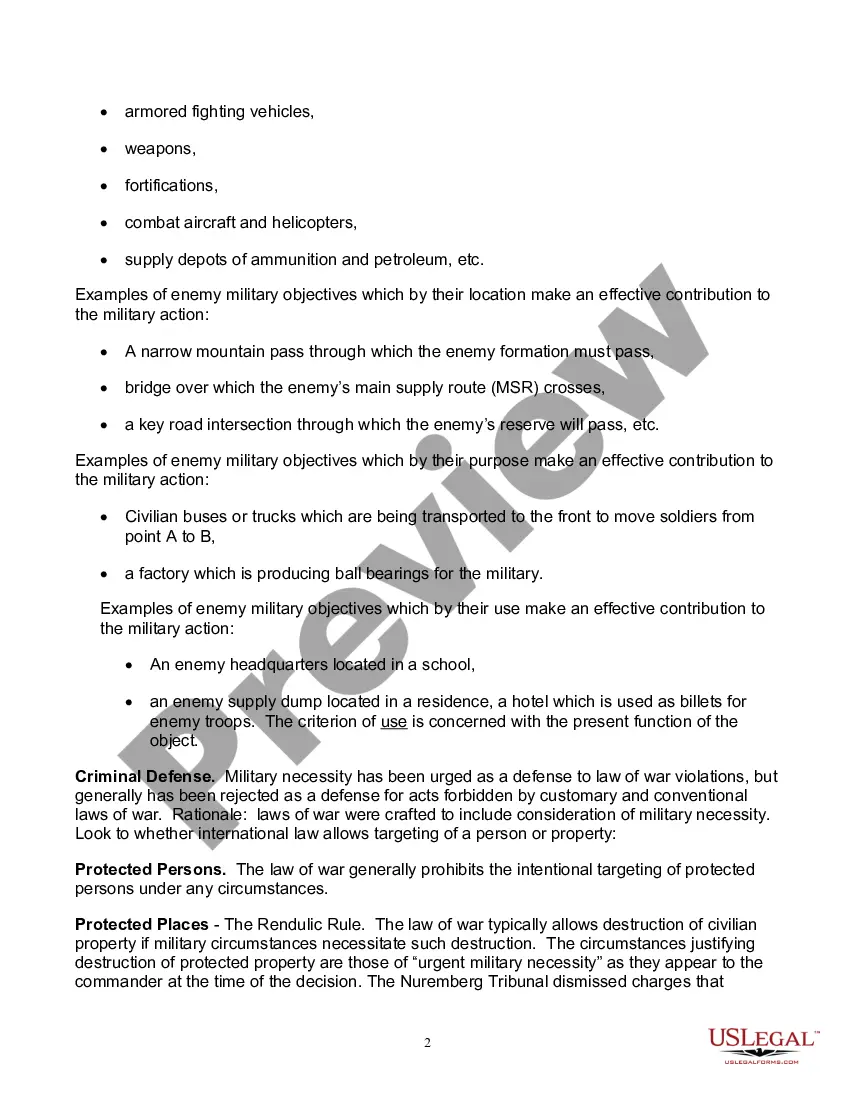
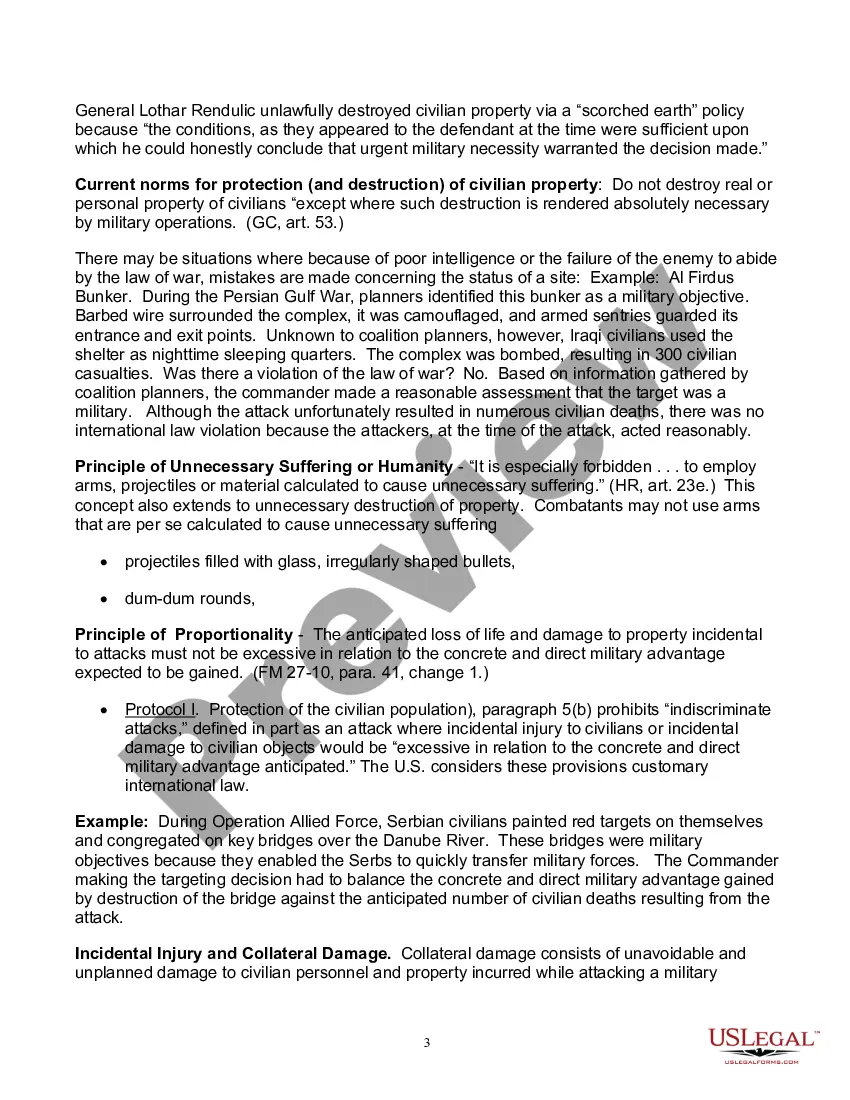
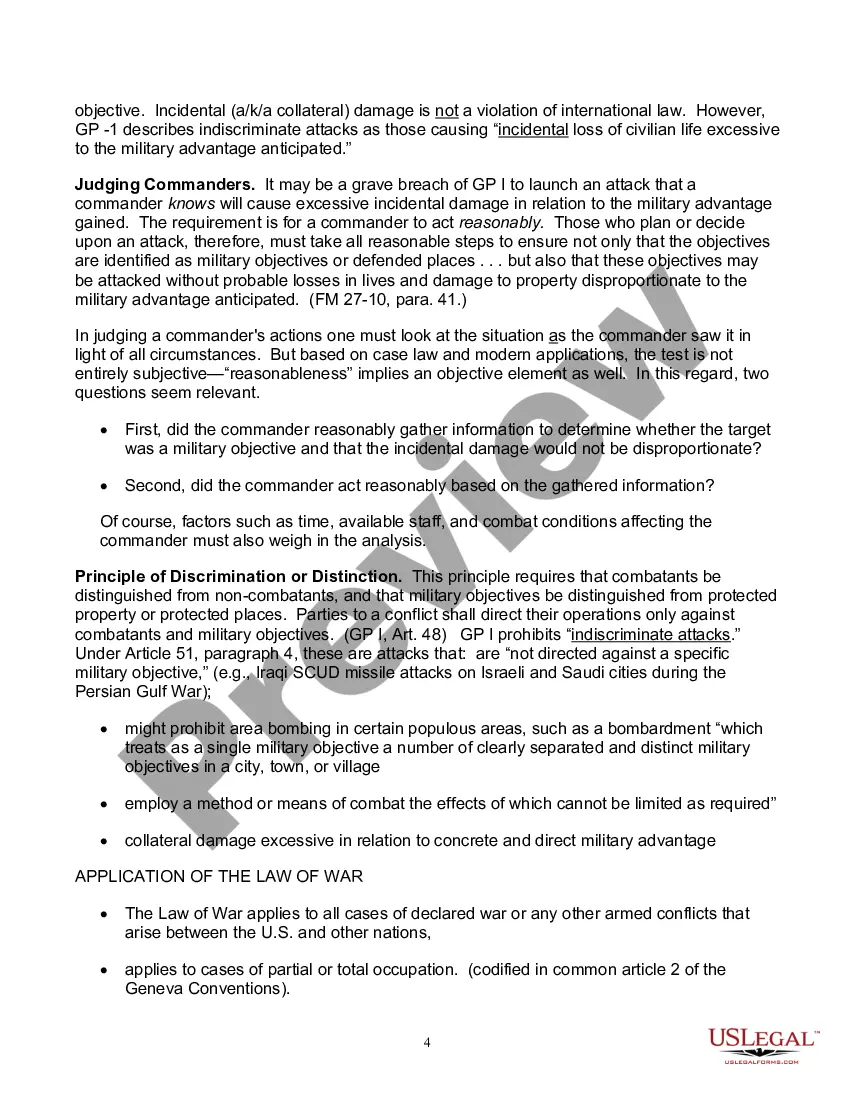

Get your form ready online
Our built-in tools help you complete, sign, share, and store your documents in one place.
Make edits, fill in missing information, and update formatting in US Legal Forms—just like you would in MS Word.
Download a copy, print it, send it by email, or mail it via USPS—whatever works best for your next step.
Sign and collect signatures with our SignNow integration. Send to multiple recipients, set reminders, and more. Go Premium to unlock E-Sign.
If this form requires notarization, complete it online through a secure video call—no need to meet a notary in person or wait for an appointment.
We protect your documents and personal data by following strict security and privacy standards.

Make edits, fill in missing information, and update formatting in US Legal Forms—just like you would in MS Word.

Download a copy, print it, send it by email, or mail it via USPS—whatever works best for your next step.

Sign and collect signatures with our SignNow integration. Send to multiple recipients, set reminders, and more. Go Premium to unlock E-Sign.

If this form requires notarization, complete it online through a secure video call—no need to meet a notary in person or wait for an appointment.

We protect your documents and personal data by following strict security and privacy standards.
Looking for another form?








Form popularity
FAQ
Examples of these general principles of law are laches, good faith, res judicata, and the impartiality of judges.
For instance, the Bill of Rights was passed because concepts such as freedom of religion, speech, equal treatment, and due process of law were deemed so important that, barring a Constitutional Amendment, not even a majority should be allowed to change them.
The Rule of Law permeates all aspects of American life. For example, we have traffic laws that let us know who has the right of way and we have environmental laws and regulations that tell us what we are allowed to put into the ground, air and water.
Rule of law is a principle under which all persons, institutions, and entities are accountable to laws that are: Publicly promulgated Equally enforced Independently adjudicated And consistent with international human rights principles.
Rules appear when the principles are not very clear. Rules are easy to impose (“start at 9 a.m., leave at 5 p.m.”), but the costs of managing them are high. Principles must be built (“always keep customer satisfaction in mind”) and setting by example.
Imagine that you bring a case to court based upon injuries you sustained from a car accident. You are suing the driver who was intoxicated when the accident happened. The judge, in adherence to common law, must decide whether the party is liable for your damages from the accident.
Motion papers must be filed with the E-file/Motion Support Office located in Room 227, Ex Parte Office located on the 10th Floor, Foreclosure Part Office located Room 295, OR in the Guardianship/Mental Hygiene Office located in Room 285 (see Note #2), at 360 Adams Street at least five (5) business days before the ...
Final answer: The example that illustrates the rule of law is when a president commits a crime and is tried for it in court.
The Rule of Law permeates all aspects of American life. For example, we have traffic laws that let us know who has the right of way and we have environmental laws and regulations that tell us what we are allowed to put into the ground, air and water.
