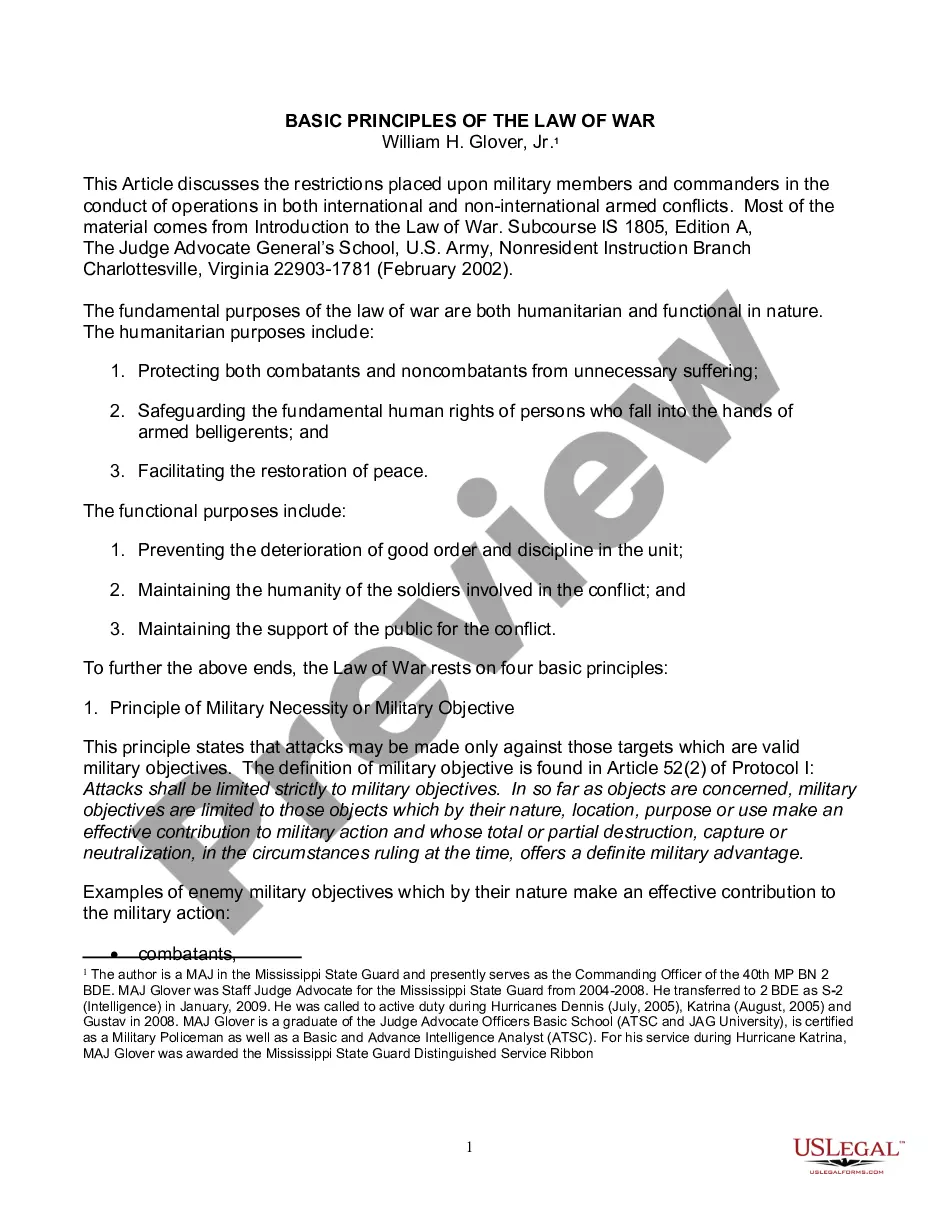
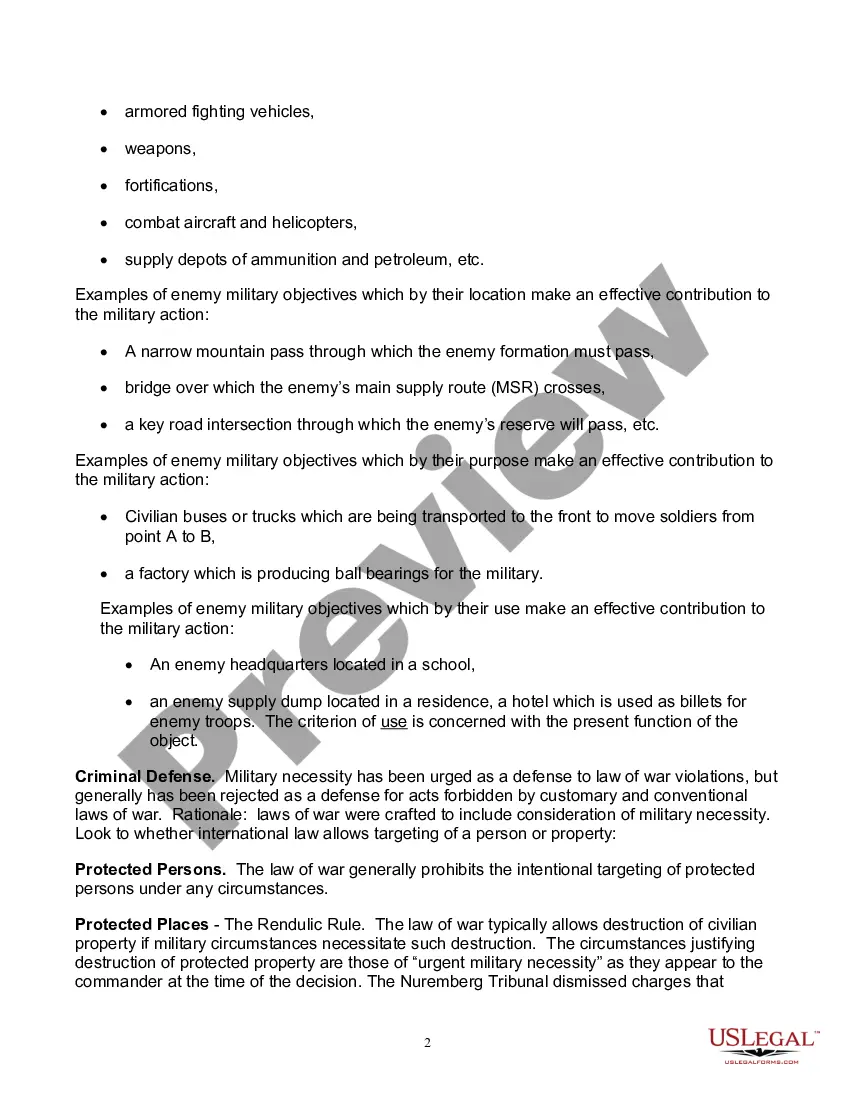
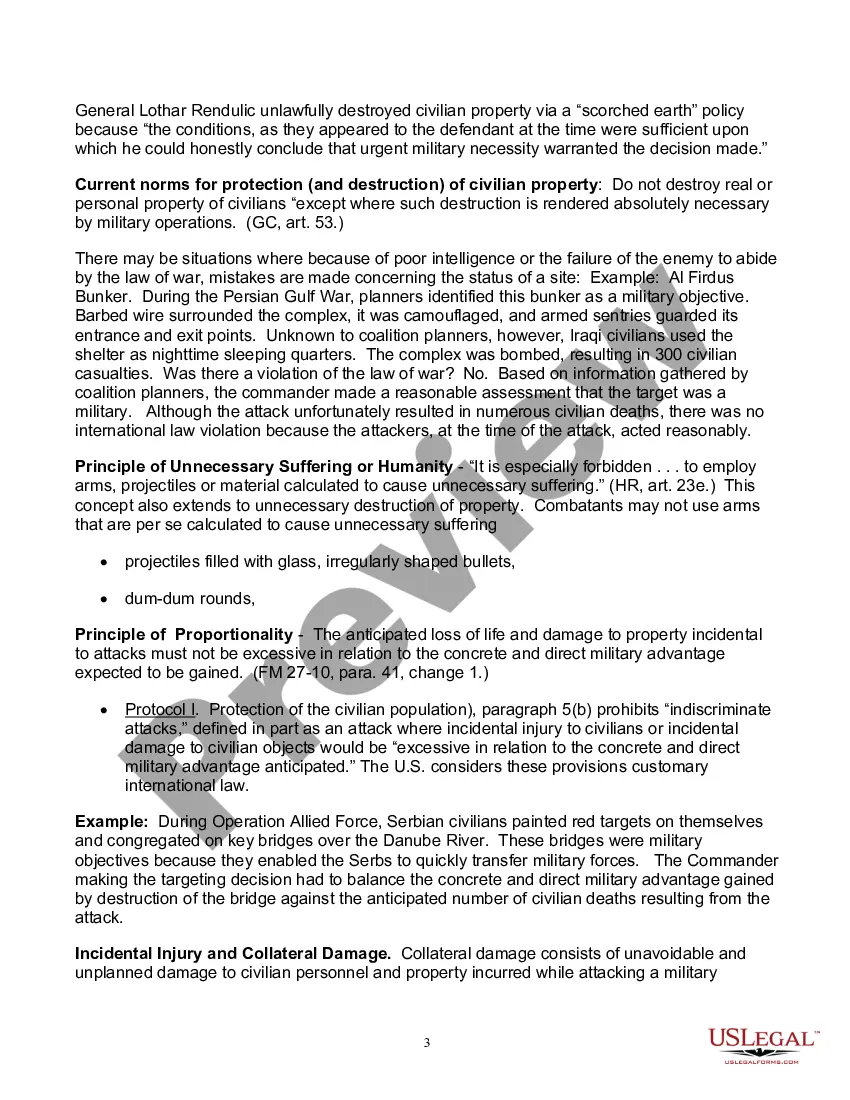
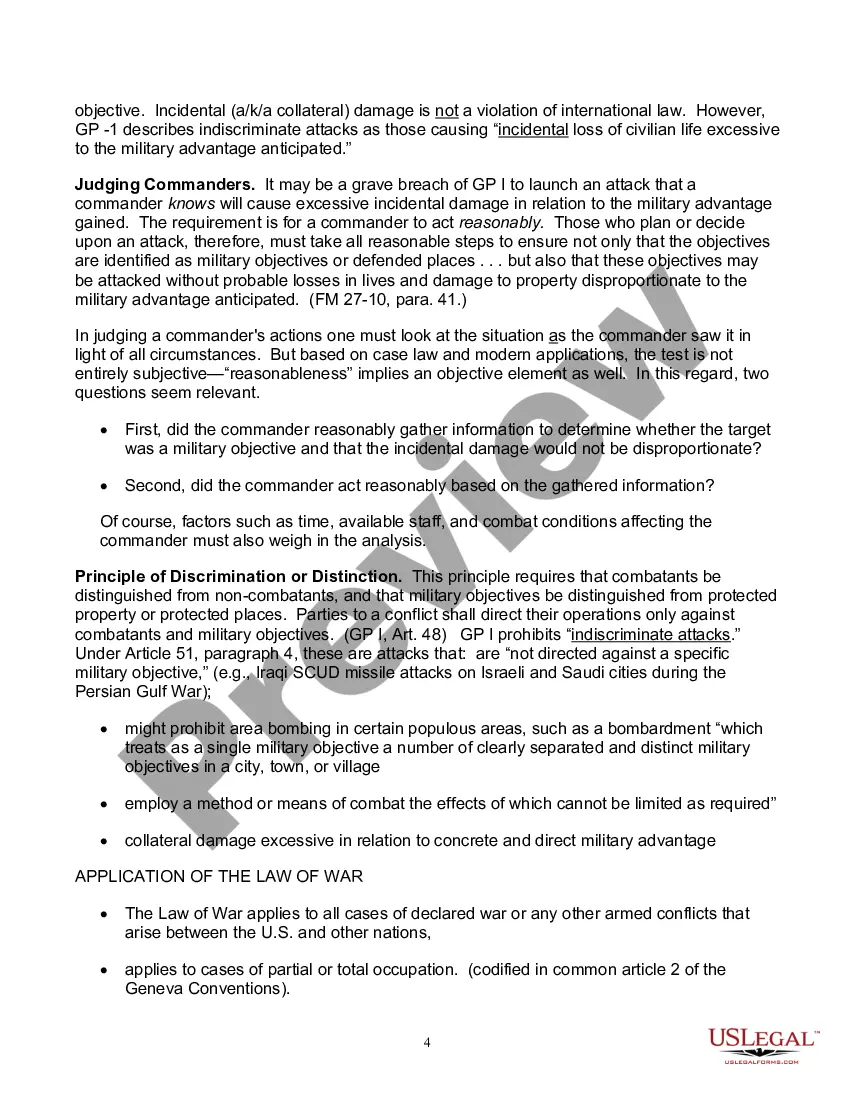
Principle For Legal In Illinois
Description

Get your form ready online
Our built-in tools help you complete, sign, share, and store your documents in one place.
Make edits, fill in missing information, and update formatting in US Legal Forms—just like you would in MS Word.
Download a copy, print it, send it by email, or mail it via USPS—whatever works best for your next step.
Sign and collect signatures with our SignNow integration. Send to multiple recipients, set reminders, and more. Go Premium to unlock E-Sign.
If this form requires notarization, complete it online through a secure video call—no need to meet a notary in person or wait for an appointment.
We protect your documents and personal data by following strict security and privacy standards.

Make edits, fill in missing information, and update formatting in US Legal Forms—just like you would in MS Word.

Download a copy, print it, send it by email, or mail it via USPS—whatever works best for your next step.

Sign and collect signatures with our SignNow integration. Send to multiple recipients, set reminders, and more. Go Premium to unlock E-Sign.

If this form requires notarization, complete it online through a secure video call—no need to meet a notary in person or wait for an appointment.

We protect your documents and personal data by following strict security and privacy standards.
Looking for another form?






Form popularity
FAQ
Rule to show cause or petition for adjudication of criminal contempt sets forth facts evidencing an immediate danger that the respondent will flee the jurisdiction or inflict physical abuse on the petitioner or minor children or on dependent adults in the petitioner's care, the court may order the attachment of the ...
If the bill passes a chamber, it is sent to the other chamber, where it proceeds through a similar path (committee consideration followed by a debate and vote). If it passes both chambers, it goes to the governor for signing and gets a Public Act number.
Any bill not so returned by the Governor within 60 calendar days after it is presented to him shall become law.
The document must be notarized. So you will need to have the notary present when you sign. Effective January 1, 2024, electronic signatures are permitted in certain power of attorney documents. A notary or witness can be "electronically present" to electronically sign.
How a Bill Becomes a Law STEP 1: The Creation of a Bill. Members of the House or Senate draft, sponsor and introduce bills for consideration by Congress. STEP 2: Committee Action. STEP 3: Floor Action. STEP 4: Vote. STEP 5: Conference Committees. STEP 6: Presidential Action. STEP 7: The Creation of a Law.
In Illinois, the basic requirements for a power of attorney include: The form must designate the agent and the agent's powers. The principal must properly sign the agreement. Certain forms make the principal acknowledge their signature before a witness or notary public (the notary public may not also be the witness)
The Legislative Process in Illinois Illinois, like the United States legislature, has two bodies, the Senate and the House of Representatives. This is called a bicameral legislature. A bill becomes a law when it passes both houses of the General Assembly with a majority vote in each house and is signed by the governor.
PASSAGE OF BILLS (a) The enacting clause of the laws of this State shall be: "Be it enacted by the People of the State of Illinois, represented in the General Assembly." (b) The General Assembly shall enact laws only by bill. Bills may originate in either house, but may be amended or rejected by the other.
Rule 3.7 - Lawyer As Witness (a) A lawyer shall not act as advocate at a trial in which the lawyer is likely to be a necessary witness unless: (1) the testimony relates to an uncontested issue; (2) the testimony relates to the nature and value of legal services rendered in the case; or (3) disqualification of the ...
Examples of Legal Principles Let's explore a few examples: 1. Presumption of Innocence: This principle states that an individual is considered innocent until proven guilty. It is a fundamental right that ensures fairness and protects individuals from unjust accusations.
