Principles Of Law In Cook
Description

Get your form ready online
Our built-in tools help you complete, sign, share, and store your documents in one place.
Make edits, fill in missing information, and update formatting in US Legal Forms—just like you would in MS Word.
Download a copy, print it, send it by email, or mail it via USPS—whatever works best for your next step.
Sign and collect signatures with our SignNow integration. Send to multiple recipients, set reminders, and more. Go Premium to unlock E-Sign.
If this form requires notarization, complete it online through a secure video call—no need to meet a notary in person or wait for an appointment.
We protect your documents and personal data by following strict security and privacy standards.

Make edits, fill in missing information, and update formatting in US Legal Forms—just like you would in MS Word.

Download a copy, print it, send it by email, or mail it via USPS—whatever works best for your next step.

Sign and collect signatures with our SignNow integration. Send to multiple recipients, set reminders, and more. Go Premium to unlock E-Sign.

If this form requires notarization, complete it online through a secure video call—no need to meet a notary in person or wait for an appointment.

We protect your documents and personal data by following strict security and privacy standards.
Looking for another form?







Form popularity
FAQ
Circuit Court of Cook County, Illinois, Domestic Relations Proceedings, Rule 13.4 - Pre-Trial Phase. The rule orders each case in which child custody or visitation is contested to be directed to mediation and authorizes referral to mediation for matters involving removal.
Part 21 establishes a confidential process of court-annexed mediation in the Chancery Division of the Circuit Court of Cook County. (B) The mediator will assist the litigants in reaching reconciliation, agreement, or understanding among them.
Where a party has not yet filed a federal or state income tax return for the prior calendar year, the last filed year's return shall be served upon the opposing parties as well as all W-2's, 1099's and K-1's received necessary for preparation of the prior year's return.
6.4 Subpoenas of Witnesses and/or Documents Pursuant to Chapter 2 Administration, Article IX Administrative Hearings, Section 2-911(f) of the Cook County Code a subpoena in proceedings before the Department of Administrative Hearings may only be issued by an Administrative Law Judge.
Cook County Local Rule 13.3. 1 provides that parties to divorce cases involving property division, child support, maintenance or certain other issues issues (whether the issue arises before or after the divorce) must complete financial disclosure statements.
E. Petitions for Rule to Show Cause or Adjudications of Contempt shall state both the legal and the factual bases of the contempt finding sought. f. All motions, petitions and applications shall be filed with the Clerk of the Circuit Court.
23.9. A request for a rule to show cause or an adjudication of indirect criminal contempt or indirect civil contempt must be made by written petition, must specifically identify the order or provision alleged to have been violated, and must be properly served on the responding party.
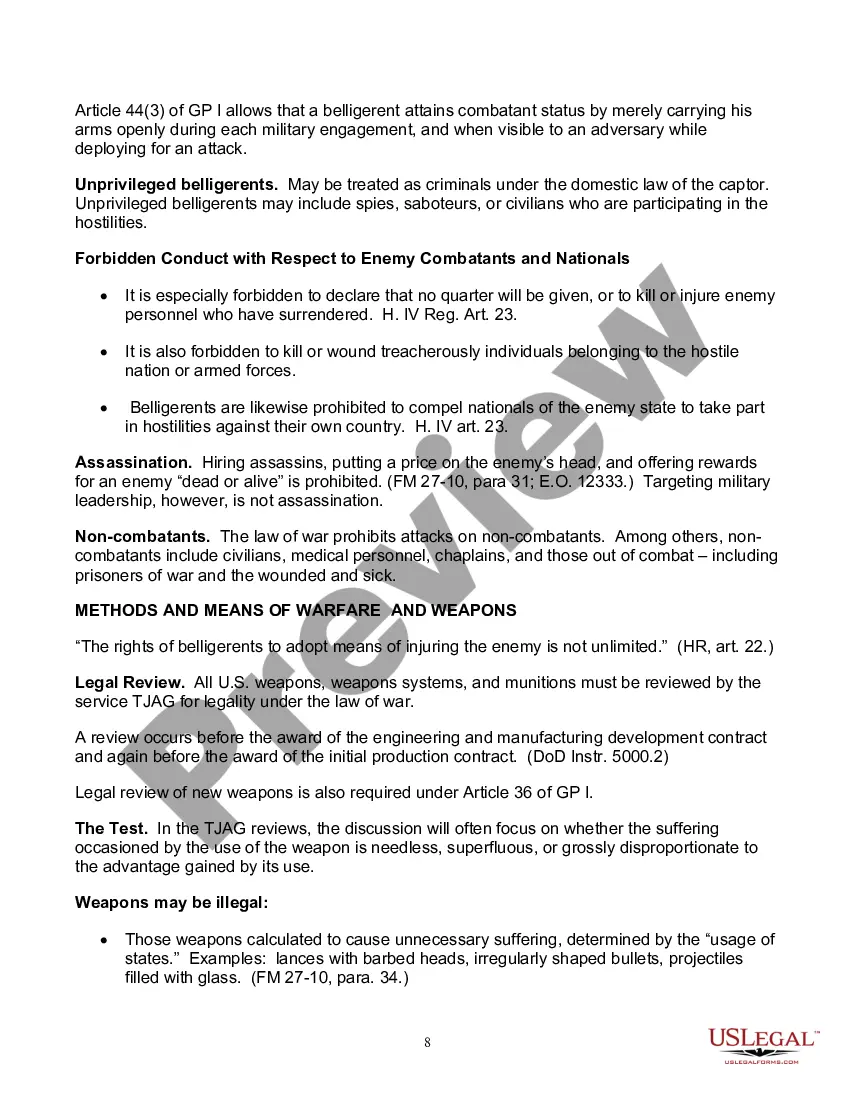
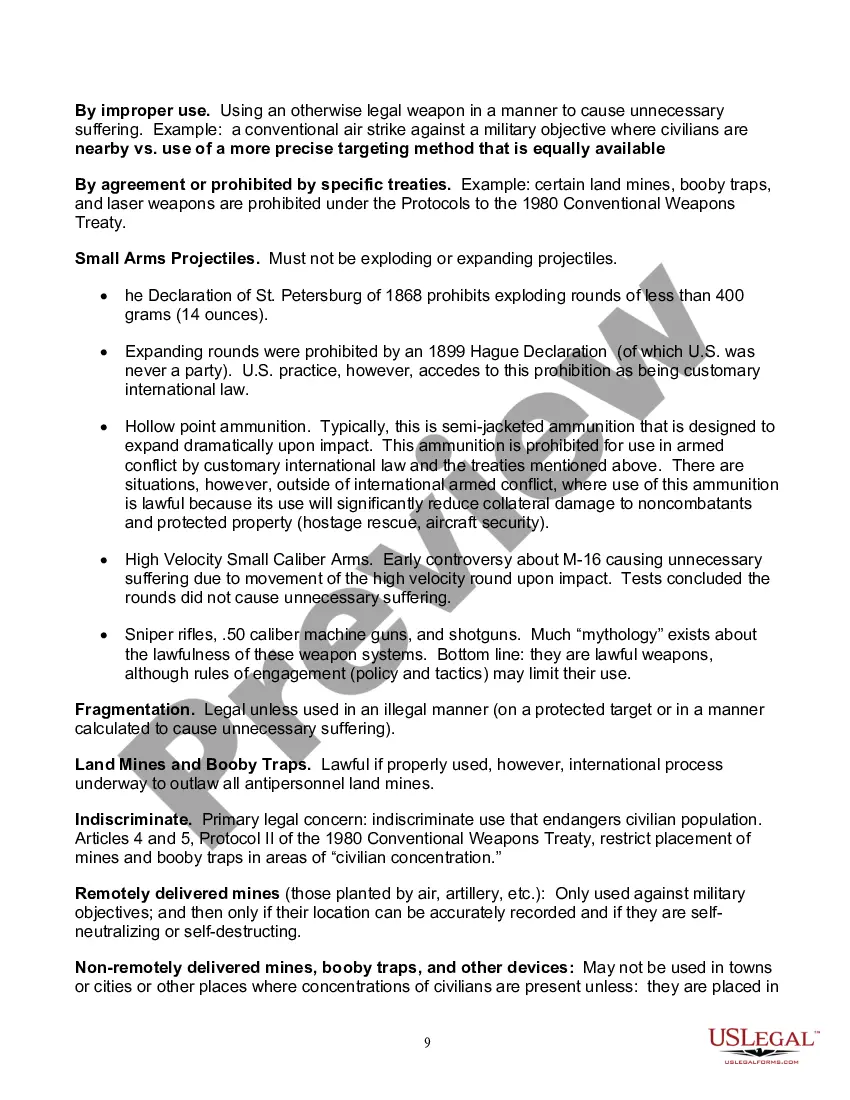
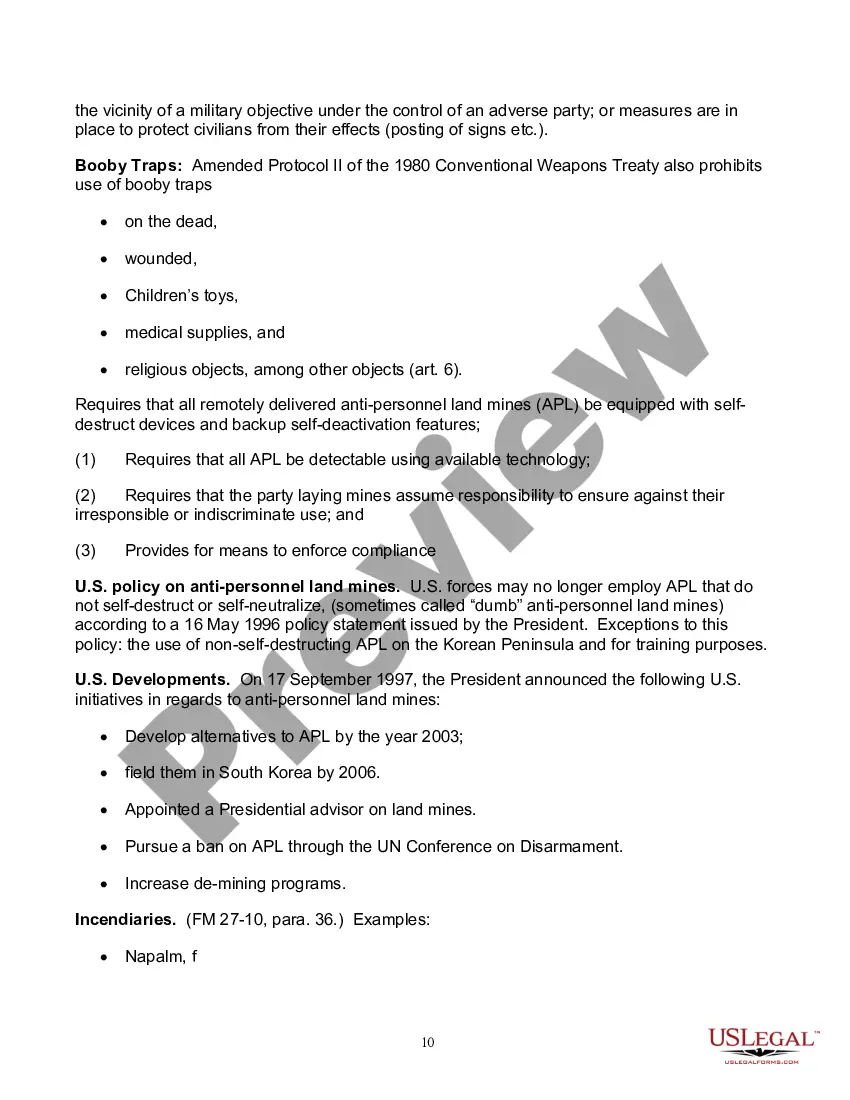
General principles of law are legal norms existing among the majority of nations. Enduring examples of general principles of law, typically followed in most jurisdictions, are the doctrines of good faith, estoppel, and equity.
Examples of principles are, entropy in a number of fields, least action in physics, those in descriptive comprehensive and fundamental law: doctrines or assumptions forming normative rules of conduct, separation of church and state in statecraft, the central dogma of molecular biology, fairness in ethics, etc.
The discussion of substantive criminal law briefly defines the seven principles essential for a crime to have been committed, i.e., legality, actus reus, mens rea, fusion of actus reus and mens rea, harm, causation, and stipulation of punishment.