Principle With Law In California
Description
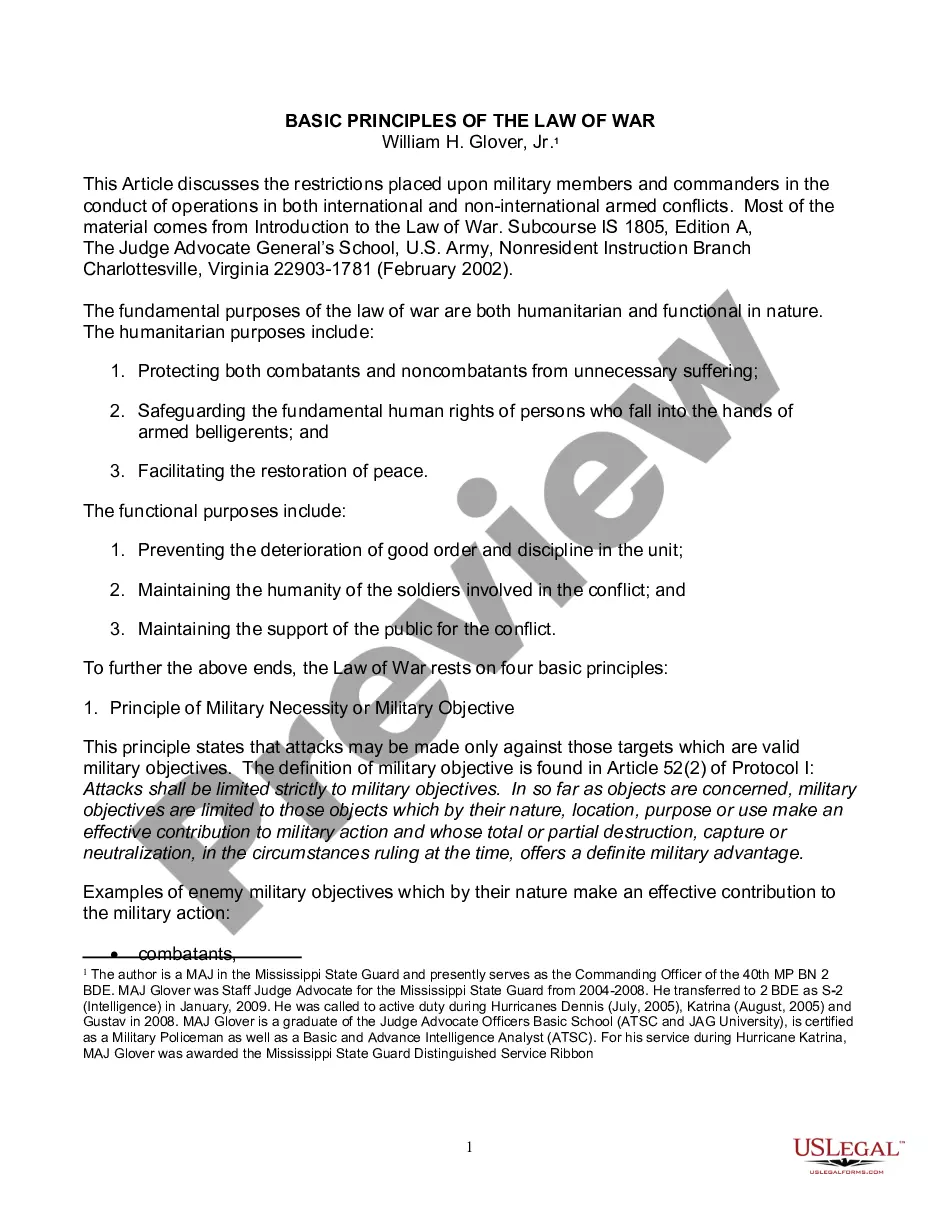
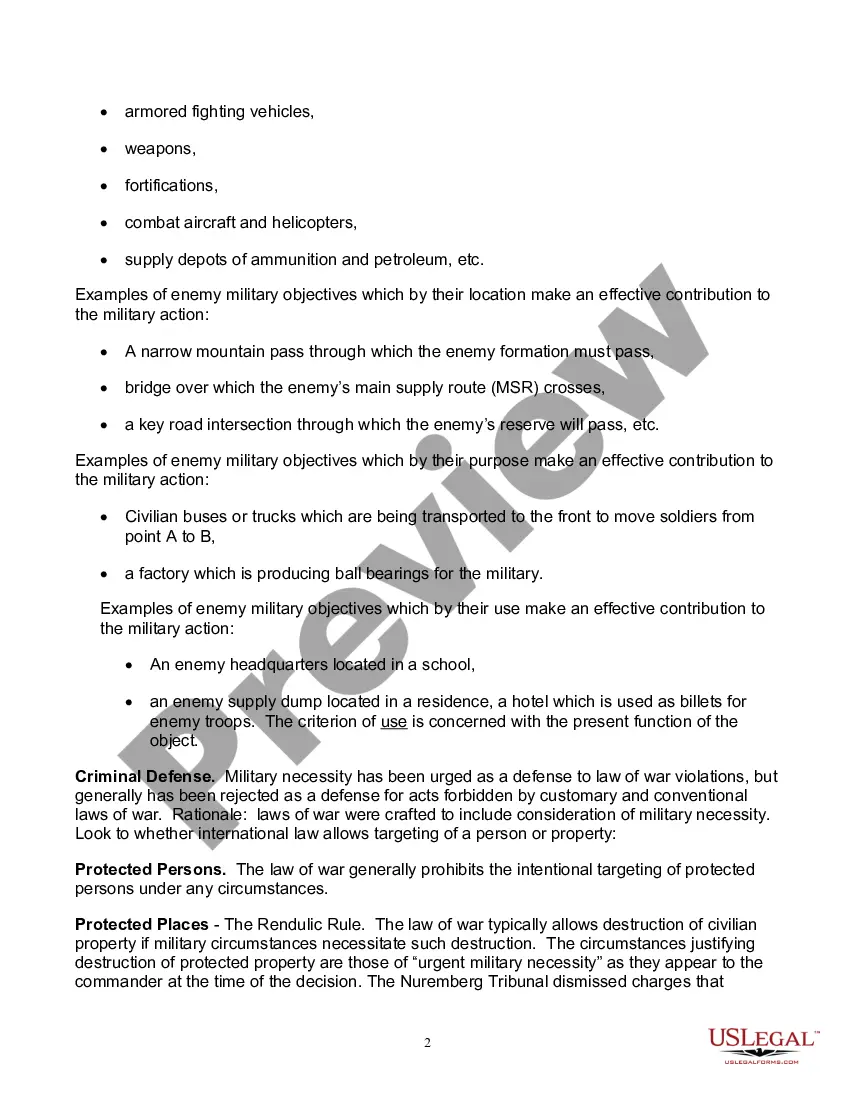
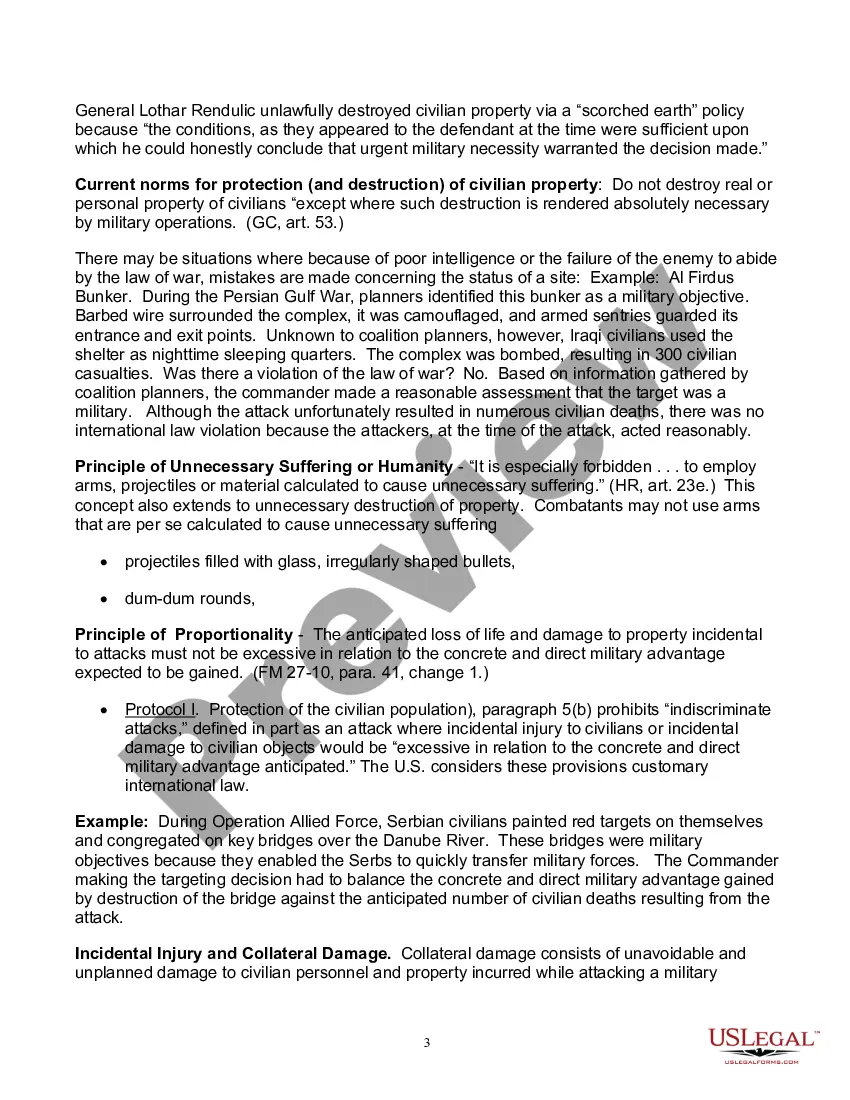
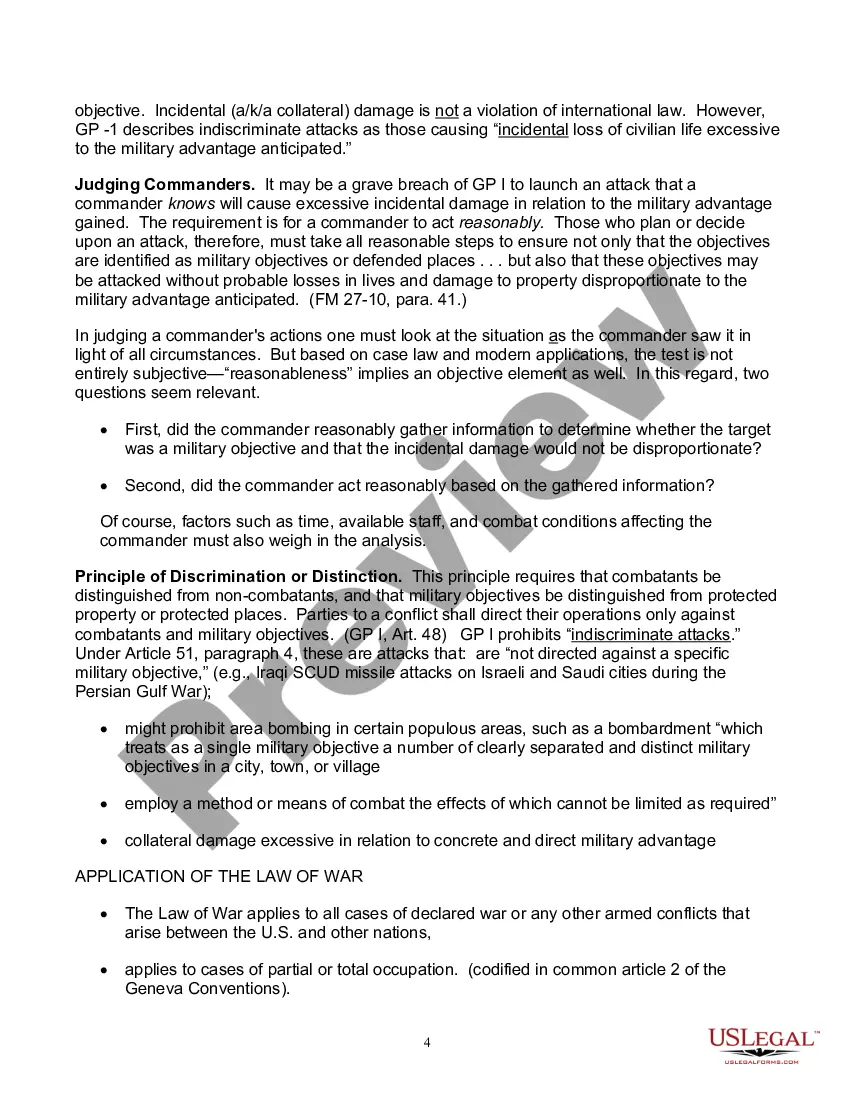


Get your form ready online
Our built-in tools help you complete, sign, share, and store your documents in one place.
Make edits, fill in missing information, and update formatting in US Legal Forms—just like you would in MS Word.
Download a copy, print it, send it by email, or mail it via USPS—whatever works best for your next step.
Sign and collect signatures with our SignNow integration. Send to multiple recipients, set reminders, and more. Go Premium to unlock E-Sign.
If this form requires notarization, complete it online through a secure video call—no need to meet a notary in person or wait for an appointment.
We protect your documents and personal data by following strict security and privacy standards.

Make edits, fill in missing information, and update formatting in US Legal Forms—just like you would in MS Word.

Download a copy, print it, send it by email, or mail it via USPS—whatever works best for your next step.

Sign and collect signatures with our SignNow integration. Send to multiple recipients, set reminders, and more. Go Premium to unlock E-Sign.

If this form requires notarization, complete it online through a secure video call—no need to meet a notary in person or wait for an appointment.

We protect your documents and personal data by following strict security and privacy standards.
Looking for another form?









Form popularity
FAQ
Constitutional principles are the most important legal principles because they define the content and the meaning of all other legal norms, including constitutional norms.
Rule 9.47 permits out-of-state litigation attorneys to practice out-of-court in California on a temporary and limited basis in anticipation of filing a lawsuit in California, or as part of litigation in another state, provided this work is supervised by a California lawyer.
Principles implemented through judgment focus more upon general guidance in making ethical decisions. Rules, however, are much stricter. Rules are prescriptive, easier to enforce, and meant to handle specific situations. Principles are often the basis of rules.
The rule of law is the principle that a nation should be governed by law and that all individuals, including government officials and law-makers themselves, are subject to the law and equally accountable before it. A person cannot be punished unless a court has found a breach of the law.
A principal can also be held liable for the conduct of its agent while the agent is acting under “ostensible authority.” For a principal to be held liable for acts of an agent acting under ostensible authority, three requirements must be met (1) the third party dealing with the agent must have a reasonable belief that ...
The Rule of Law permeates all aspects of American life. For example, we have traffic laws that let us know who has the right of way and we have environmental laws and regulations that tell us what we are allowed to put into the ground, air and water.
Examples of these general principles of law are laches, good faith, res judicata, and the impartiality of judges.
Legal rules are relatively specific legal norms while legal principles are relatively general legal norms. Because of their generality legal principles can generate, explain, and justify legal rules.
Important points to include in a legal document. Party details. List the names, numbers, addresses (email or physical), and any other relevant information of all parties involved. Background information. Motion. Roles and responsibilities. Breaches or contingencies. Dates and signatures.
You must first designate the individual who will act as your agent. Under the power of attorney. TheMoreYou must first designate the individual who will act as your agent. Under the power of attorney. The individual you choose should be someone you trust.
