Contract Law With Good Faith In Utah
Description

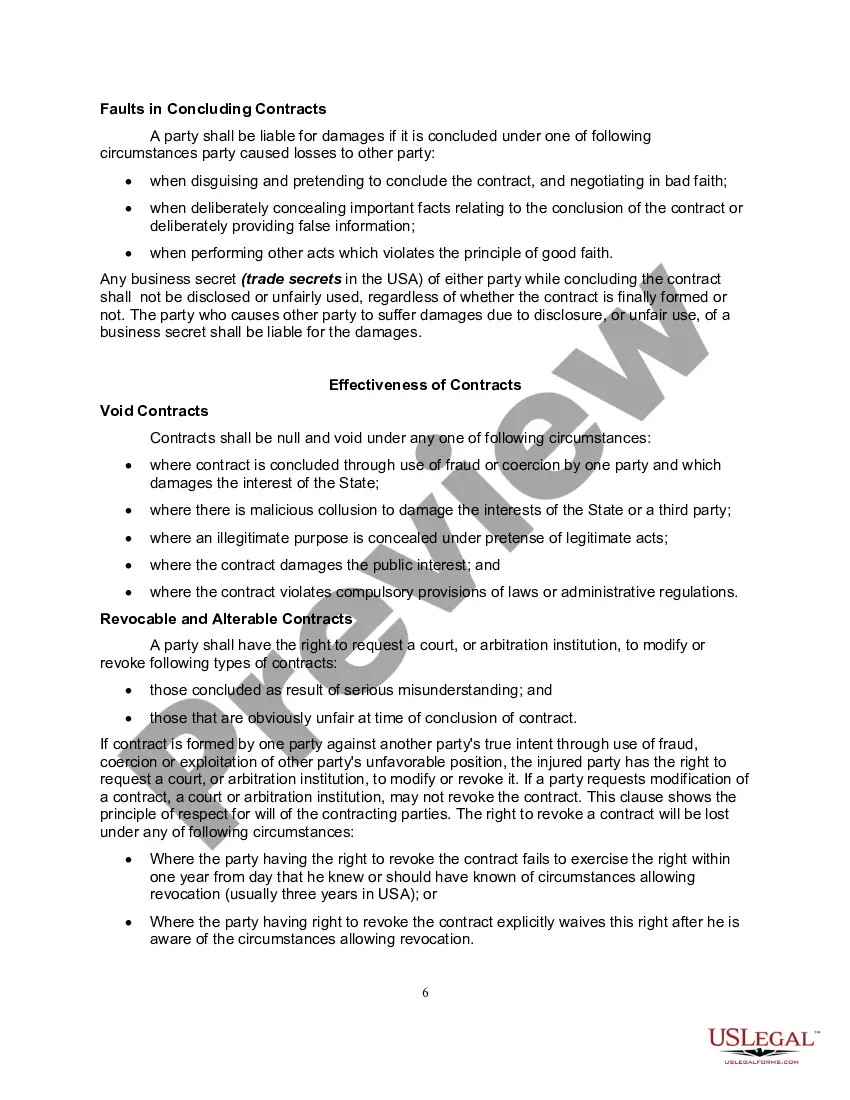
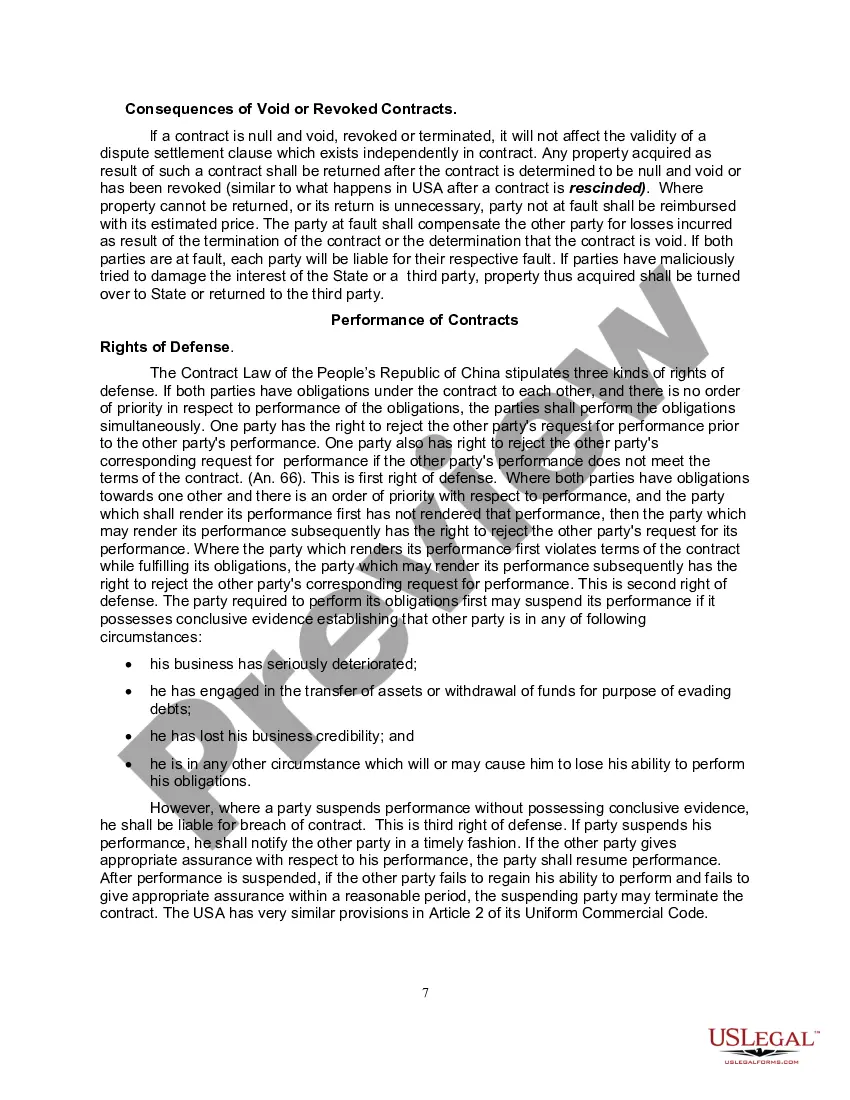
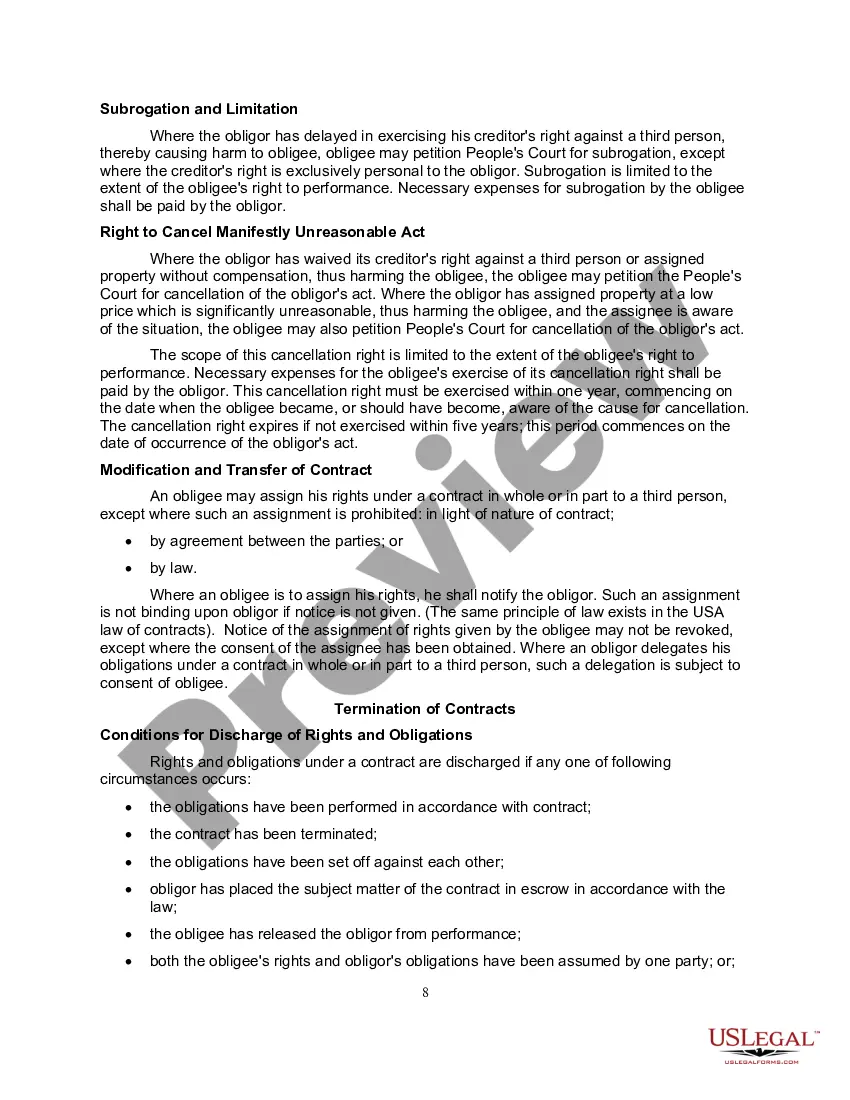
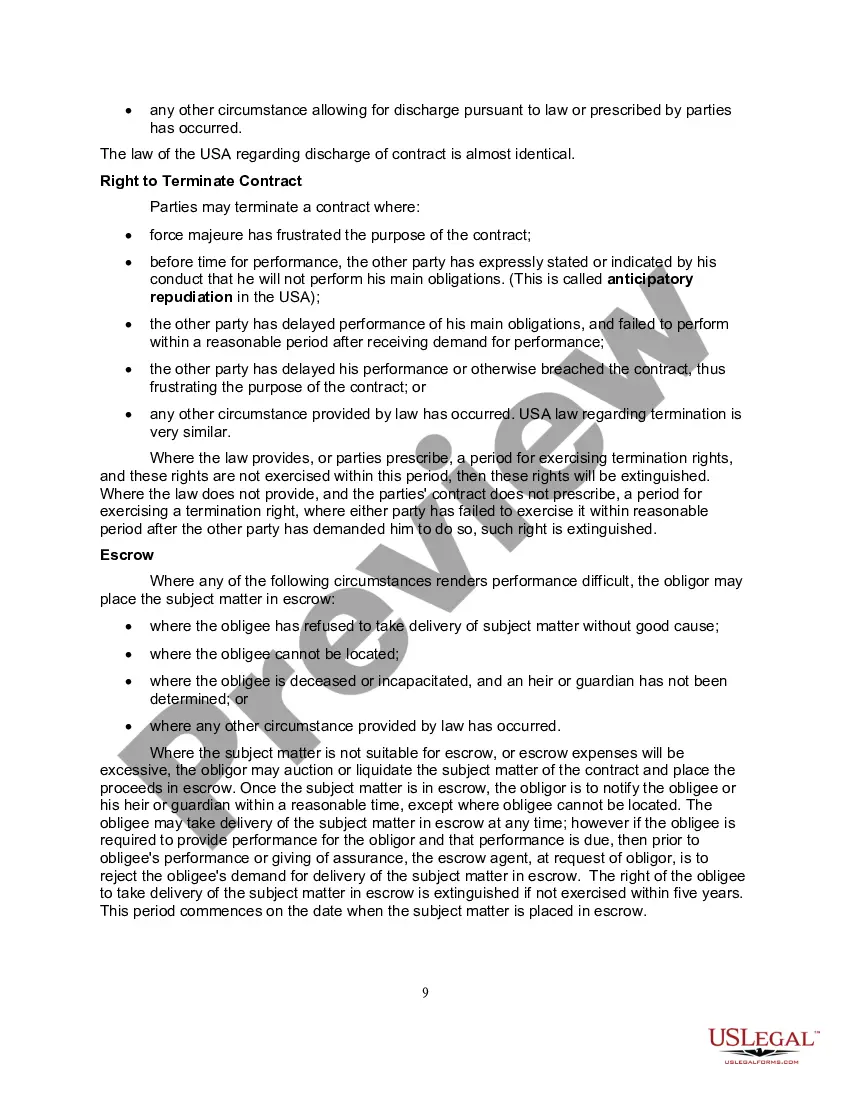
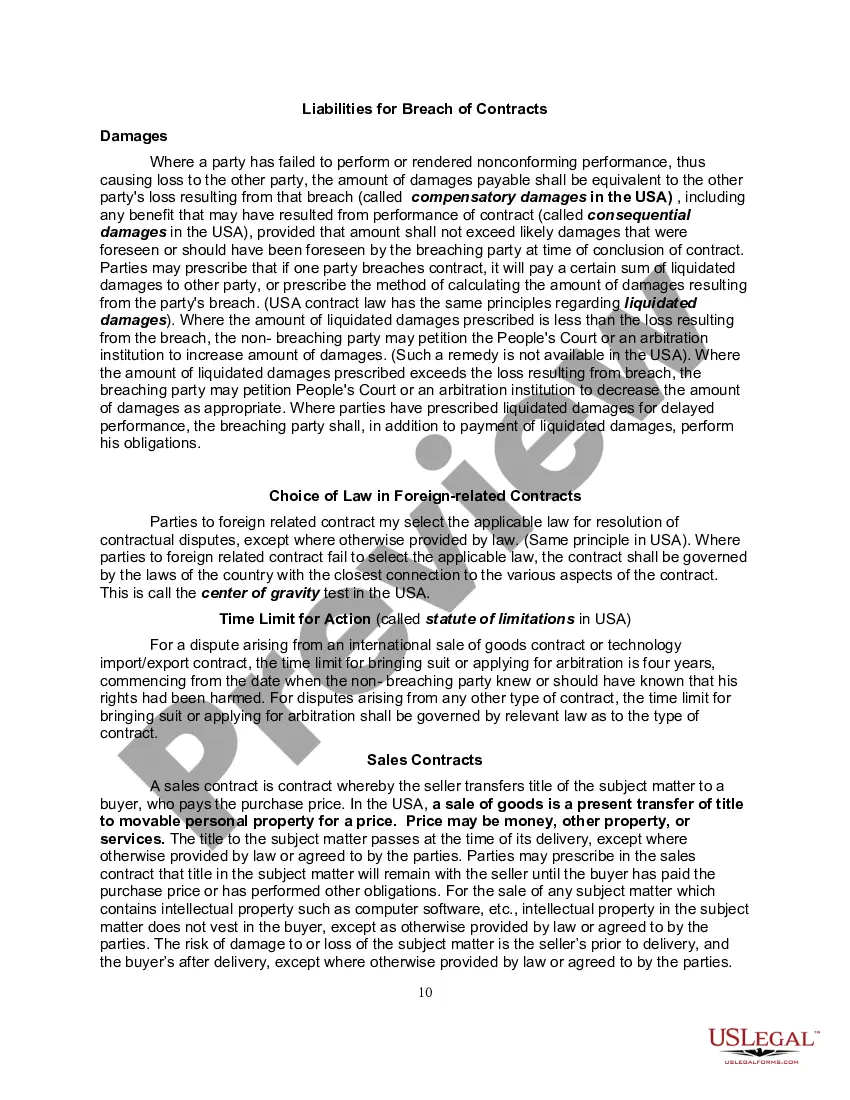


Get your form ready online
Our built-in tools help you complete, sign, share, and store your documents in one place.
Make edits, fill in missing information, and update formatting in US Legal Forms—just like you would in MS Word.
Download a copy, print it, send it by email, or mail it via USPS—whatever works best for your next step.
Sign and collect signatures with our SignNow integration. Send to multiple recipients, set reminders, and more. Go Premium to unlock E-Sign.
If this form requires notarization, complete it online through a secure video call—no need to meet a notary in person or wait for an appointment.
We protect your documents and personal data by following strict security and privacy standards.

Make edits, fill in missing information, and update formatting in US Legal Forms—just like you would in MS Word.

Download a copy, print it, send it by email, or mail it via USPS—whatever works best for your next step.

Sign and collect signatures with our SignNow integration. Send to multiple recipients, set reminders, and more. Go Premium to unlock E-Sign.

If this form requires notarization, complete it online through a secure video call—no need to meet a notary in person or wait for an appointment.

We protect your documents and personal data by following strict security and privacy standards.
Looking for another form?




Form popularity
FAQ
The duty of good faith recognises that the interests of parties will conflict at times. It holds a lower standard than a fiduciary duty as the parties are not required to put the other side's interests before their own, or minimise their self-interest.
1. The bona fide (good faith) principle is a key component of most historic and modern legal orders, 1 and a “general principle of international law”. The principle requires parties “to deal honestly and fairly with each other (…) and to refrain from taking unfair advantage”. 2.
2d 795, 798 (Utah 1985). "Under the covenant of good faith and fair dealing, each party impliedly promises that he will not intentionally or purposely do anything which will destroy or injure the other party's right to receive the fruits of the contract." St. Benedict's Dev. Co.
Implied covenant of good faith and fair dealing (often simplified to good faith) is a rule used by most courts in the United States that requires every party in a contract to implement the agreement as intended, not using means to undercut the purpose of the transaction.
Overall, in the context of the case, the duty of good faith clause imposed a core requirement that the parties should act honestly towards each other and the company, and not to act in bad faith towards each other.
Good faith is a broad term that's used to encompass honest dealing. Depending on the exact setting, good faith may require an honest belief or purpose, faithful performance of duties, observance of fair dealing standards, or an absence of fraudulent intent.
Honesty is frequently referred to in legislation as part of the definition of �good faith. � In the Sale of Goods Act for example section 5(2) states that to be �deemed in good faith within the meaning of this Act when it is in fact done honestly�. 18 For a contract to succeed, honesty must be evident.
Government Code (GC) section 19257 states that to be valid, a civil service appointment must be made and accepted in “good faith” under the civil service statutes and State Personnel Board (SPB) regulations. “Good faith” is defined as, having honest intentions or in compliance with standards of decency and honesty.
From a legal perspective, a contract is made when one party makes a valid offer and another party accepts that offer, and that can often be done verbally. However, Utah law requires that some types of agreements must be in writing.
