Contract Law In Australia In Texas
Description

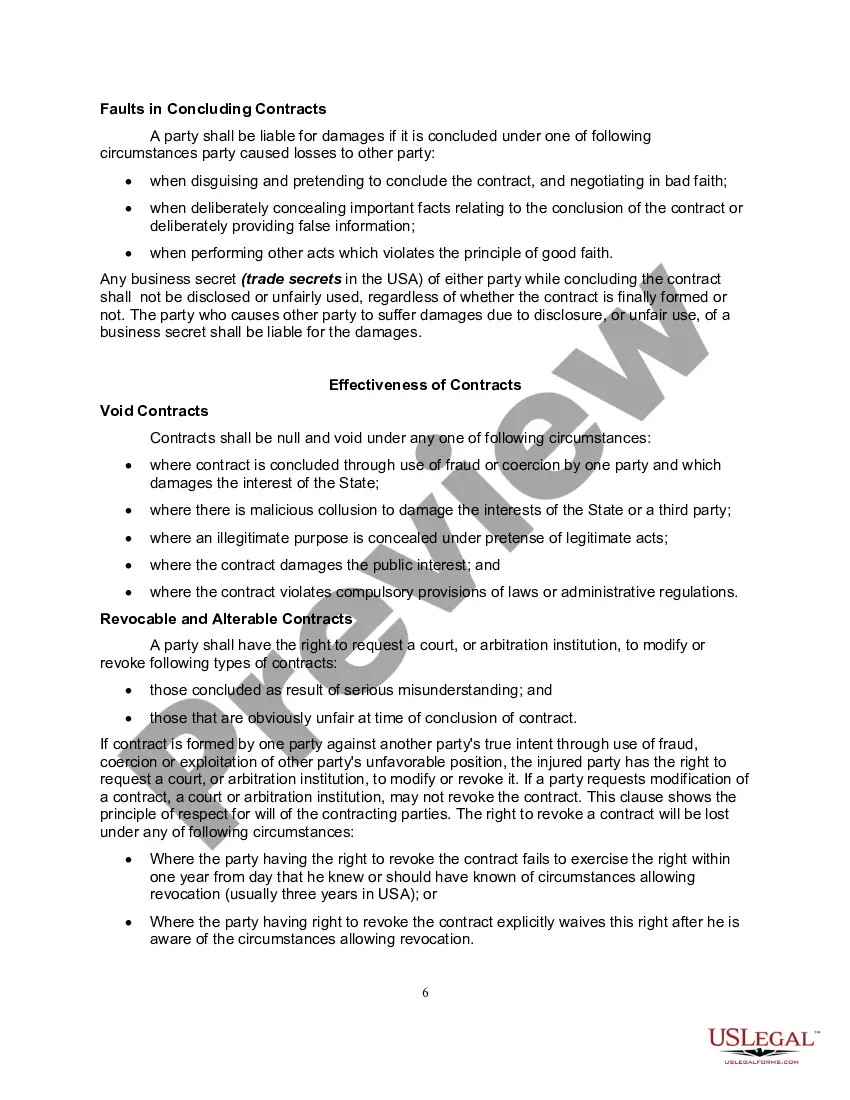
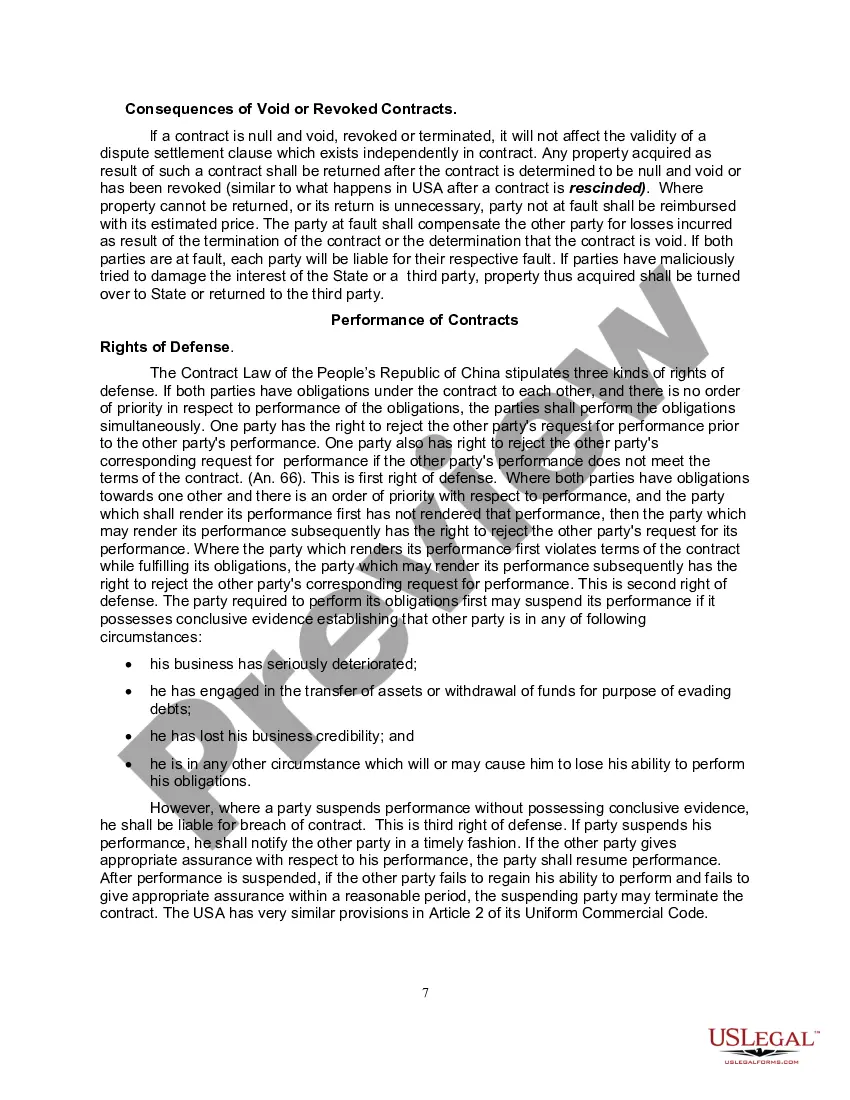
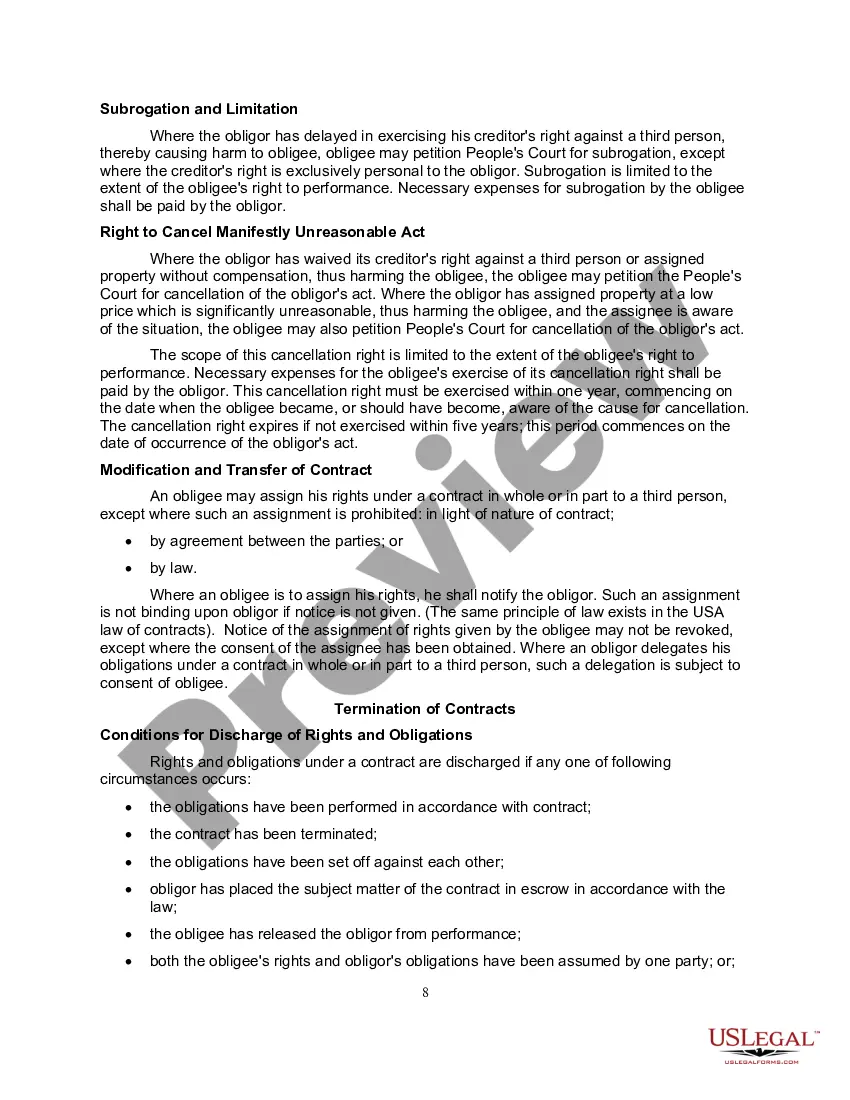
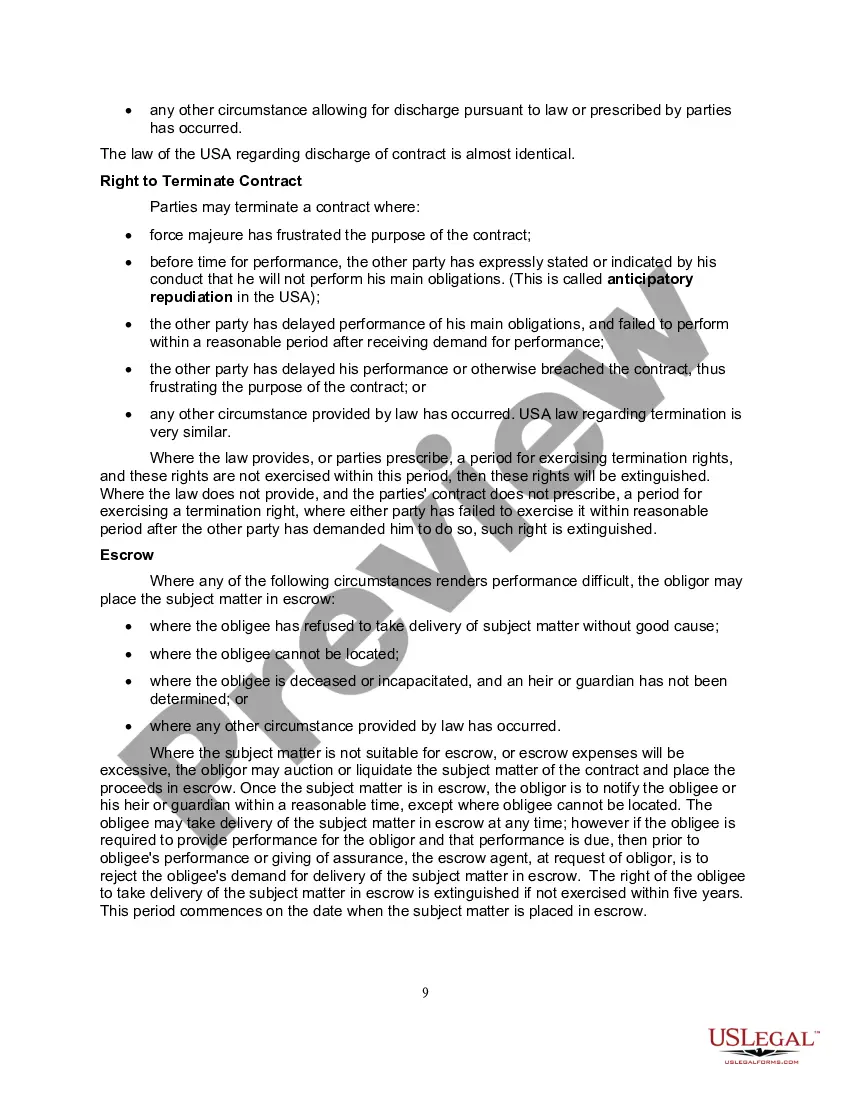


Get your form ready online
Our built-in tools help you complete, sign, share, and store your documents in one place.
Make edits, fill in missing information, and update formatting in US Legal Forms—just like you would in MS Word.
Download a copy, print it, send it by email, or mail it via USPS—whatever works best for your next step.
Sign and collect signatures with our SignNow integration. Send to multiple recipients, set reminders, and more. Go Premium to unlock E-Sign.
If this form requires notarization, complete it online through a secure video call—no need to meet a notary in person or wait for an appointment.
We protect your documents and personal data by following strict security and privacy standards.

Make edits, fill in missing information, and update formatting in US Legal Forms—just like you would in MS Word.

Download a copy, print it, send it by email, or mail it via USPS—whatever works best for your next step.

Sign and collect signatures with our SignNow integration. Send to multiple recipients, set reminders, and more. Go Premium to unlock E-Sign.

If this form requires notarization, complete it online through a secure video call—no need to meet a notary in person or wait for an appointment.

We protect your documents and personal data by following strict security and privacy standards.
Looking for another form?








Form popularity
FAQ
If one party makes a false or misleading statement that induces the other party to enter into the contract, it might be voidable. This can be either intentional misrepresentation – a lie – or unintentional – a mistake.
The enforceability of a Texas contract relies on several factors. The first one being mutual agreement between the parties, where they both accept and understand the definite terms stated in an offer. If both parties do not completely agree on the terms, then the contract is considered invalid.
Lack of consideration by any party to the contract. When a party lacks the capacity to sign the contract. For example, during the time the contract was made, they might have been under the influence of drugs, alcohol, mentally disabled, a minor, or bankrupt. Incompetence of any party to the contract.
Mistake One: Failure to Put the Agreement in Writing. Mistake Two: Incomplete or Vague Contract Terms. Mistake Three: Ignoring or Misunderstanding Contractual Obligations. Mistake Four: Failing to Include or Understand Legal Provisions. Mistake Five: Failing to Seek Legal Help.
With that in mind, let's consider the basic legal elements of a contract. Under Texas law, a binding contract typically consists of six essential elements. Offer and Acceptance. Legal Purpose. Mutual Assent. Sufficiently Defined Terms. Consideration. Competent Parties. Protect your interests by getting legal advice.
What Makes A Contract Null And Void Uncertainty or Ambiguity. Lack of Legal Capacity. Incomplete Terms. Misrepresentation or Fraud. Common Mistake. Duress or Undue Influence. Public Policy or Illegal Activity.
Australian contract law is based on the English common law, rather than on any codified or statute law. The basic principle of Australian contract law is freedom of contract, under which parties are at liberty to strike whatever bargain they choose.
Texas law provides a cause of action for a breach of contract. Aggrieved parties may be entitled to recover not only damages, but attorneys' fees and costs as well.
In Australia contract law is primarily governed by the 'common law', but increasingly statutes are supplementing the common law of contract - most notably, but certainly not exclusively, in the area of consumer protection.
Every contract, whether simple or complex, is considered legally enforceable when it incorporates six essential elements: Offer, Acceptance, Awareness, Consideration, Capacity and Legality. It is critical that all six elements are present—just one missing element can make a contract invalid and unenforceable.
