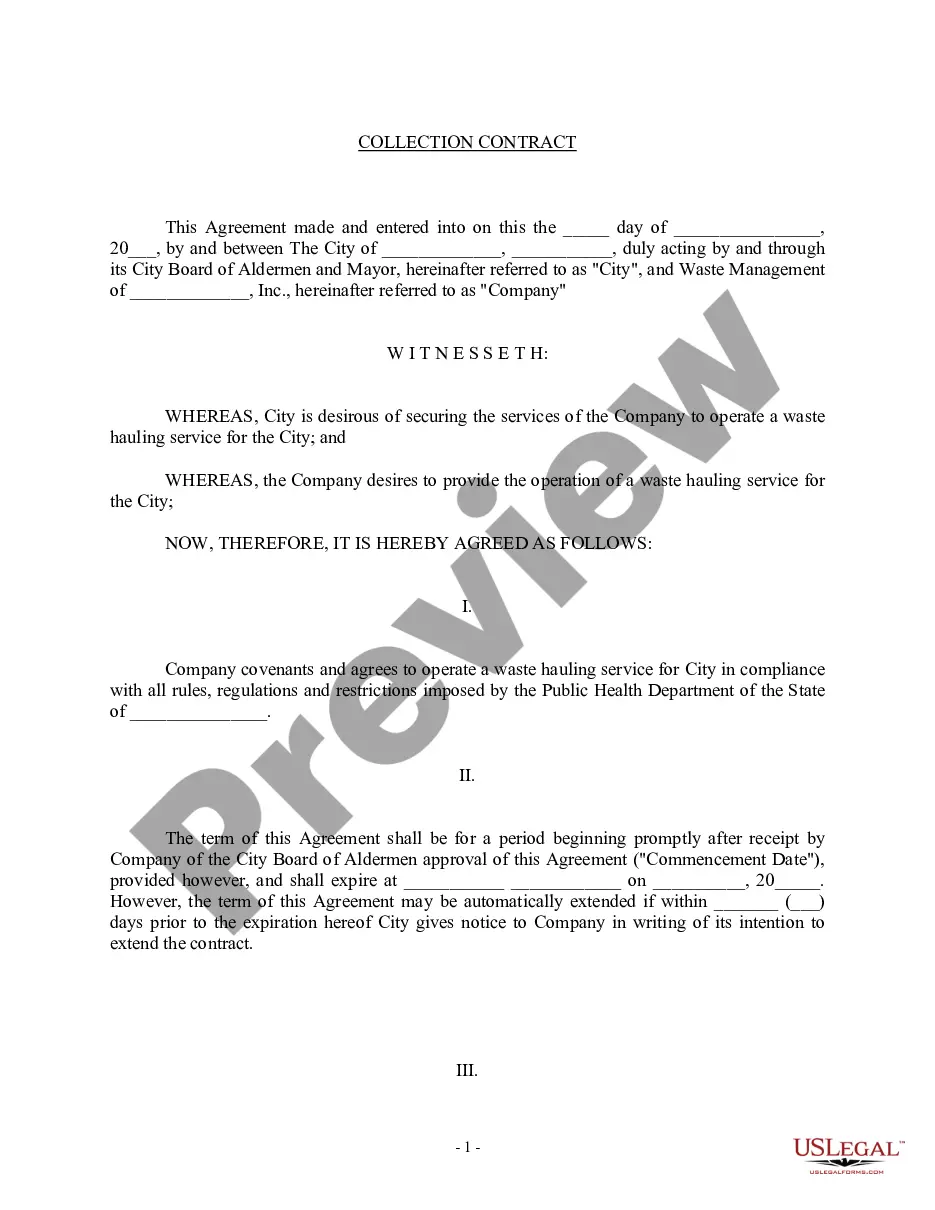
Contract Law Force Majeure In Texas
Description




Get your form ready online
Our built-in tools help you complete, sign, share, and store your documents in one place.
Make edits, fill in missing information, and update formatting in US Legal Forms—just like you would in MS Word.
Download a copy, print it, send it by email, or mail it via USPS—whatever works best for your next step.
Sign and collect signatures with our SignNow integration. Send to multiple recipients, set reminders, and more. Go Premium to unlock E-Sign.
If this form requires notarization, complete it online through a secure video call—no need to meet a notary in person or wait for an appointment.
We protect your documents and personal data by following strict security and privacy standards.

Make edits, fill in missing information, and update formatting in US Legal Forms—just like you would in MS Word.

Download a copy, print it, send it by email, or mail it via USPS—whatever works best for your next step.

Sign and collect signatures with our SignNow integration. Send to multiple recipients, set reminders, and more. Go Premium to unlock E-Sign.

If this form requires notarization, complete it online through a secure video call—no need to meet a notary in person or wait for an appointment.

We protect your documents and personal data by following strict security and privacy standards.
Looking for another form?









Form popularity
FAQ
For events to constitute the use of force majeure, they must be unforeseeable, external to contract parties, and unavoidable. Force majeure means “greater force” and is related to an act of God, an event for which no party can be held accountable.
Texas law provides a cause of action for a breach of contract. Aggrieved parties may be entitled to recover not only damages, but attorneys' fees and costs as well.
Application Procedures It only needs to be a statement of fact that the person is, or was, in need of significant care or support for a serious medical reason. An employer may only approve Force Majeure Leave and Illness in Family Leave at the time of the illness or injury to the immediate relative or near relative.
Give Notice, If Necessary. Many clauses require the parties to give notice of a force majeure declaration a specific number of days before the event or within a certain time frame once the event is triggered. Make sure you're following terms and promptly give notice.
There are generally three essential elements to force majeure: • tt can occur with or without human intervention • it cannot have reasonably been foreseen by the parties • It was completely beyond the parties' control and they could not have prevented its consequences.
Force Majeure Clauses “Often likened to impossibility, it historically embodied the notion that parties could be relieved of performing their contractual duties when performance was prevented by causes beyond their control, such as an act of God.”
Either Party shall be excused from performance and shall not be in default in respect of any obligation hereunder to the extent that the failure to perform such obligation is due to a Natural Force Majeure Event.
Texas law requires the following elements to establish a breach of contract: (1) a valid contract exists; (2) the plaintiff performed or tendered performance as contractually required; (3) the defendant breached the contract by failing to perform or tender performance as required; and (4) the plaintiff sustained ...
Force majeure is the situation-based doctrine under which a supervening event may excuse liability for non-performance, provided the supervening event is unforeseeable, uncontrollable, and makes the performance of an obligation impossible – thus qualifying as a “force majeure event”.
The definition of "force majeure" generally includes "risks beyond the reasonable control of a party, incurred not as a product or result of the negligence of the afflicted party, which have a materially adverse effect on the ability of such party to perform its obligations".