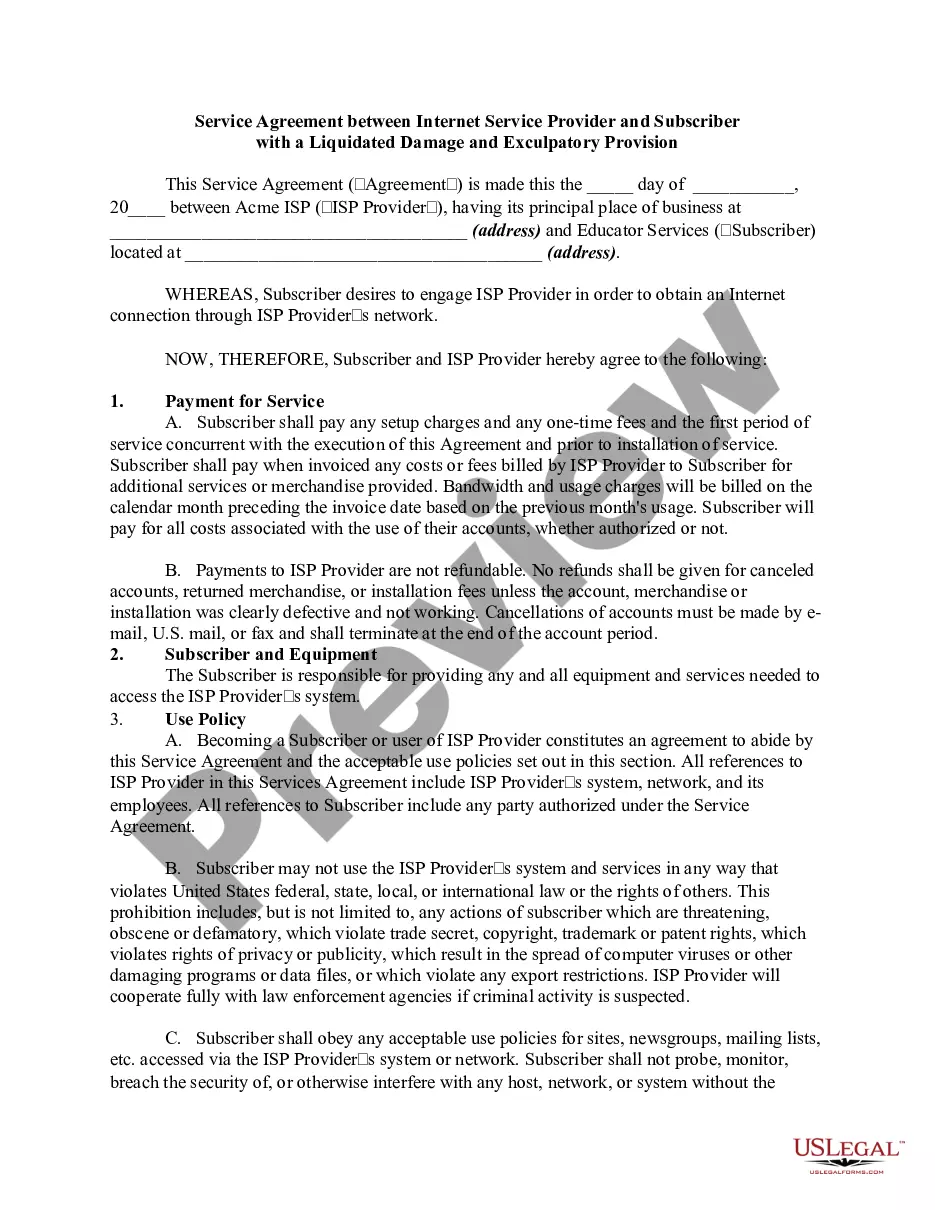
Contract Law In Uk In Tarrant
Description

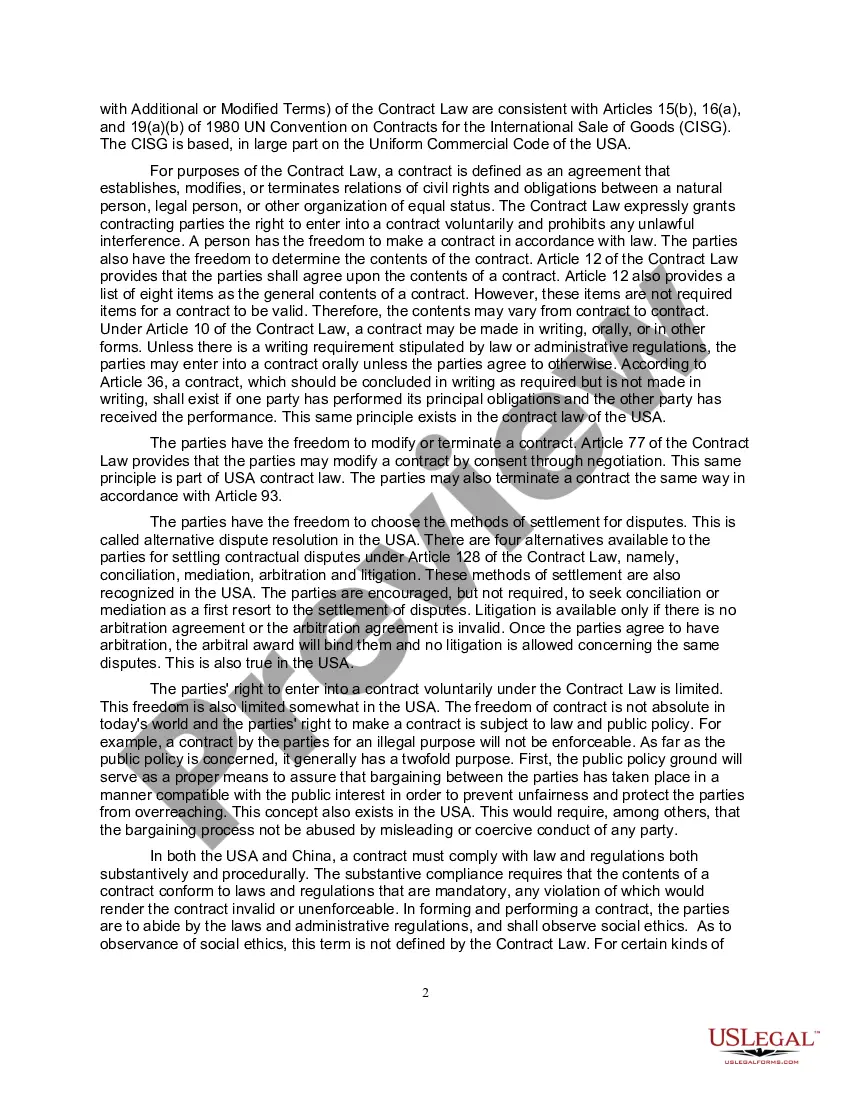
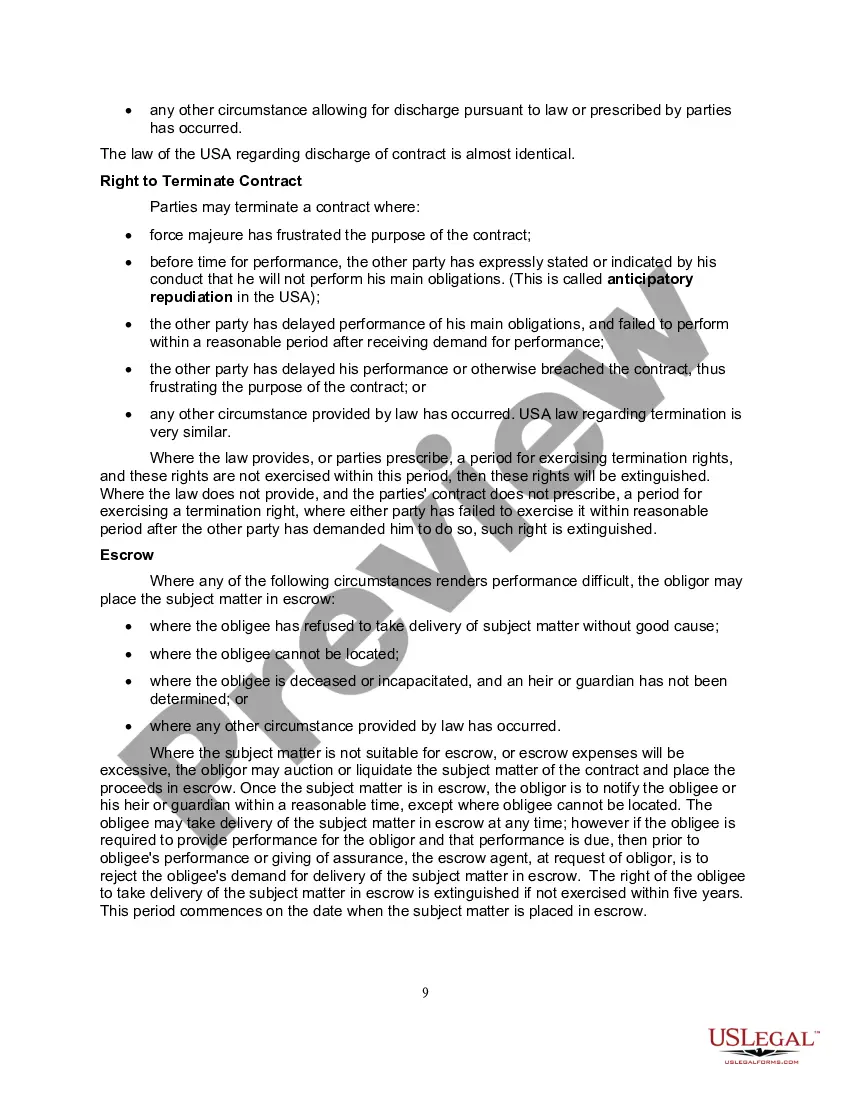
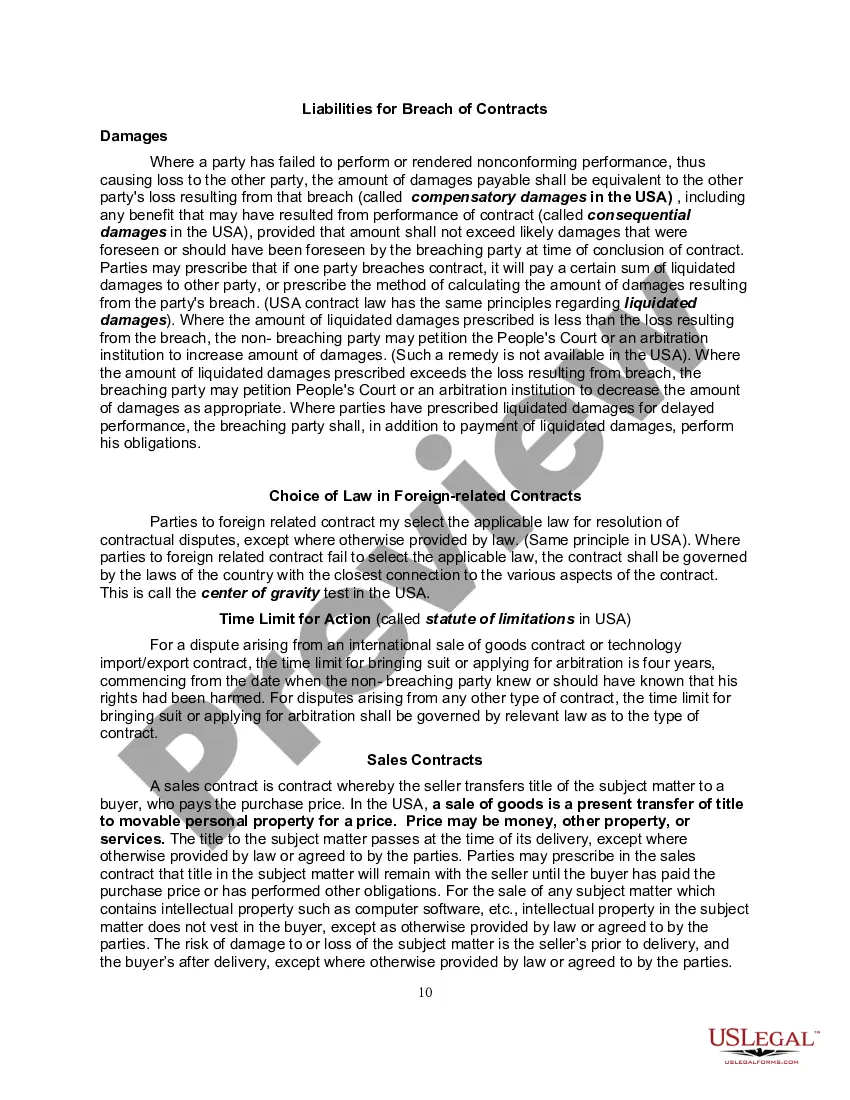


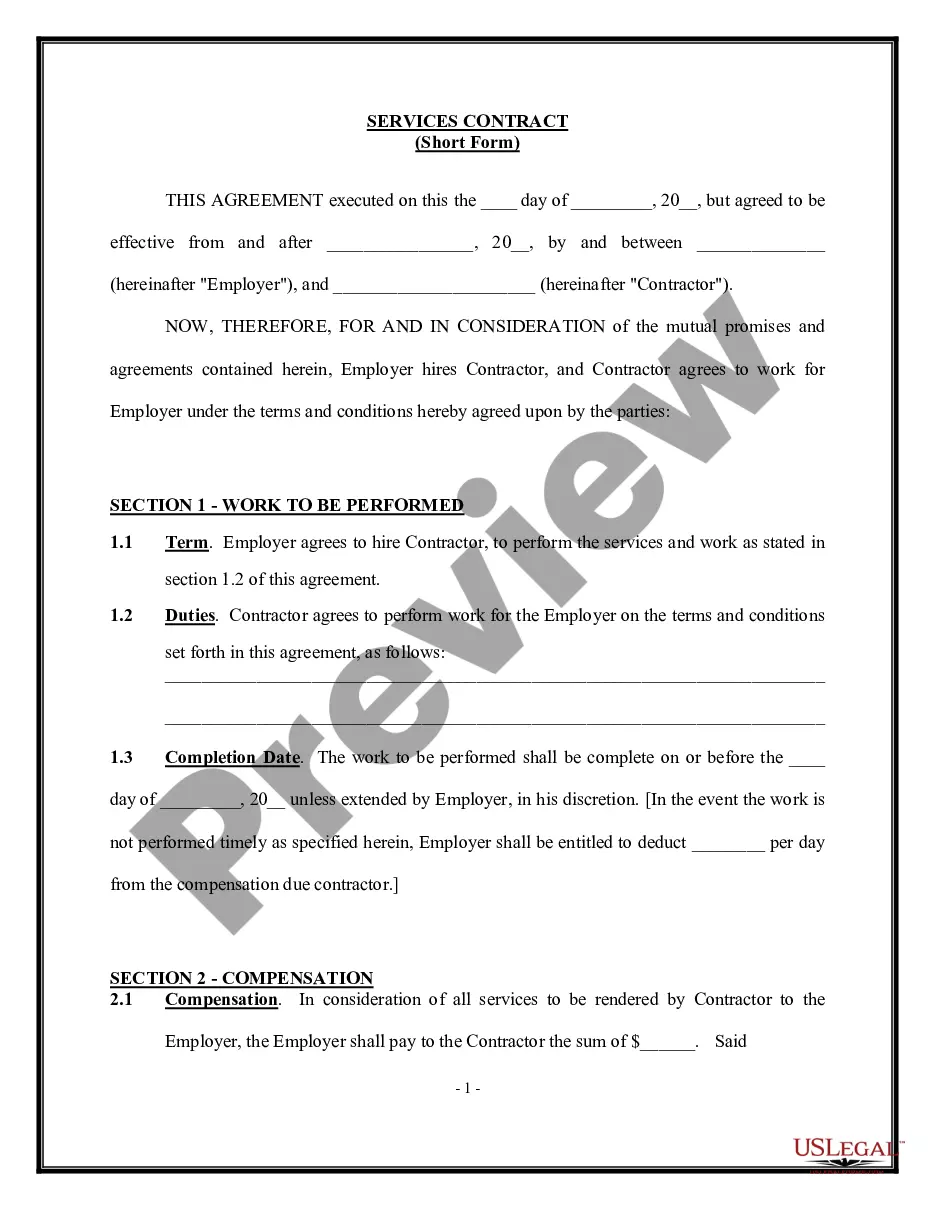
Get your form ready online
Our built-in tools help you complete, sign, share, and store your documents in one place.
Make edits, fill in missing information, and update formatting in US Legal Forms—just like you would in MS Word.
Download a copy, print it, send it by email, or mail it via USPS—whatever works best for your next step.
Sign and collect signatures with our SignNow integration. Send to multiple recipients, set reminders, and more. Go Premium to unlock E-Sign.
If this form requires notarization, complete it online through a secure video call—no need to meet a notary in person or wait for an appointment.
We protect your documents and personal data by following strict security and privacy standards.

Make edits, fill in missing information, and update formatting in US Legal Forms—just like you would in MS Word.

Download a copy, print it, send it by email, or mail it via USPS—whatever works best for your next step.

Sign and collect signatures with our SignNow integration. Send to multiple recipients, set reminders, and more. Go Premium to unlock E-Sign.

If this form requires notarization, complete it online through a secure video call—no need to meet a notary in person or wait for an appointment.

We protect your documents and personal data by following strict security and privacy standards.
Looking for another form?

Form popularity
FAQ
Contracts made under duress are invalid and unenforceable. Parties must voluntarily consent to be bound by the agreement without coercion or intimidation. If any party was compelled to enter into the contract against their will, it will invalidate the contract.
A contract is an agreement giving rise to obligations which are enforced or recognised by law. 2. In common law, there are 3 basic essentials to the creation of a contract: (i) agreement; (ii) contractual intention; and (iii) consideration.
There are four essential elements of forming a contract: offer, acceptance, consideration, and intention to create legal relations. Beyond this, the terms of the contract must also be unambiguous, and the parties must have the mental capacity to agree.
1. A contract is an agreement giving rise to obligations which are enforced or recognised by law. 2. In common law, there are 3 basic essentials to the creation of a contract: (i) agreement; (ii) contractual intention; and (iii) consideration.
Contracts are deemed void due to three main factors: lack of capacity, illegality, and impossibility of performance. About 5% of business contracts in the UK are found to be void and considered null each year.
The terms are vague or impossible to fulfill. In this case, the contract may be considered null and void because your obligation became impossible to fulfill.
Essential Elements of a Valid Contract in the UK Offer: One party must make a clear and specific offer to another party. This offer must be made with the intention of creating a legal relationship. Acceptance: The other party must accept the offer in its entirety and without any conditions.
These are called the 'terms' of the contract. Employees and employers must stick to a contract until it ends (for example, by an employer or employee giving notice or an employee being dismissed) or until the terms are changed (usually by agreement between the employee and employer).
Regardless of whether the contract is verbal or written, it has to include: an offer. an acceptance. an intention to create a legal relationship. a consideration (usually monetary).
How to draft a contract between two parties: A step-by-step checklist Know your parties. Agree on the terms. Set clear boundaries. Spell out the consequences. Specify how you will resolve disputes. Cover confidentiality. Check the legality of the contract. Open it up to negotiation.