Contract Law For Mortgage In Santa Clara
Description



Get your form ready online
Our built-in tools help you complete, sign, share, and store your documents in one place.
Make edits, fill in missing information, and update formatting in US Legal Forms—just like you would in MS Word.
Download a copy, print it, send it by email, or mail it via USPS—whatever works best for your next step.
Sign and collect signatures with our SignNow integration. Send to multiple recipients, set reminders, and more. Go Premium to unlock E-Sign.
If this form requires notarization, complete it online through a secure video call—no need to meet a notary in person or wait for an appointment.
We protect your documents and personal data by following strict security and privacy standards.

Make edits, fill in missing information, and update formatting in US Legal Forms—just like you would in MS Word.

Download a copy, print it, send it by email, or mail it via USPS—whatever works best for your next step.

Sign and collect signatures with our SignNow integration. Send to multiple recipients, set reminders, and more. Go Premium to unlock E-Sign.

If this form requires notarization, complete it online through a secure video call—no need to meet a notary in person or wait for an appointment.

We protect your documents and personal data by following strict security and privacy standards.
Looking for another form?






Form popularity
FAQ
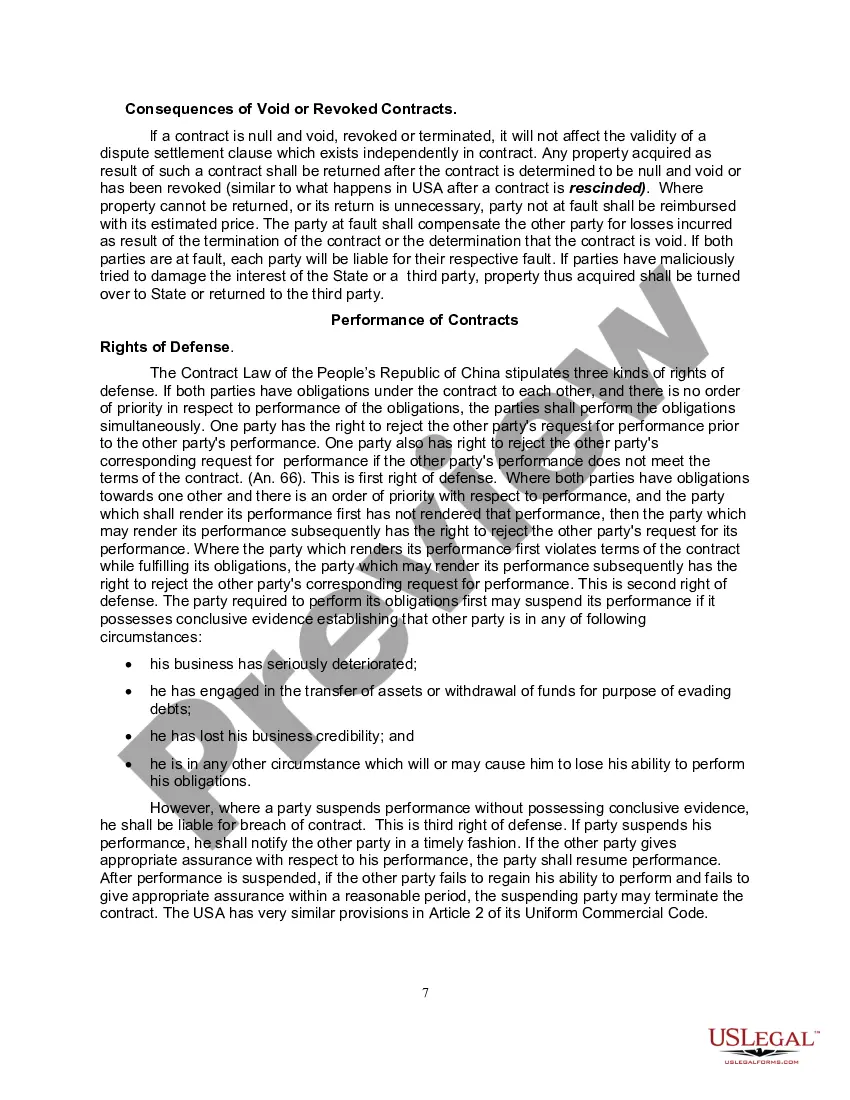
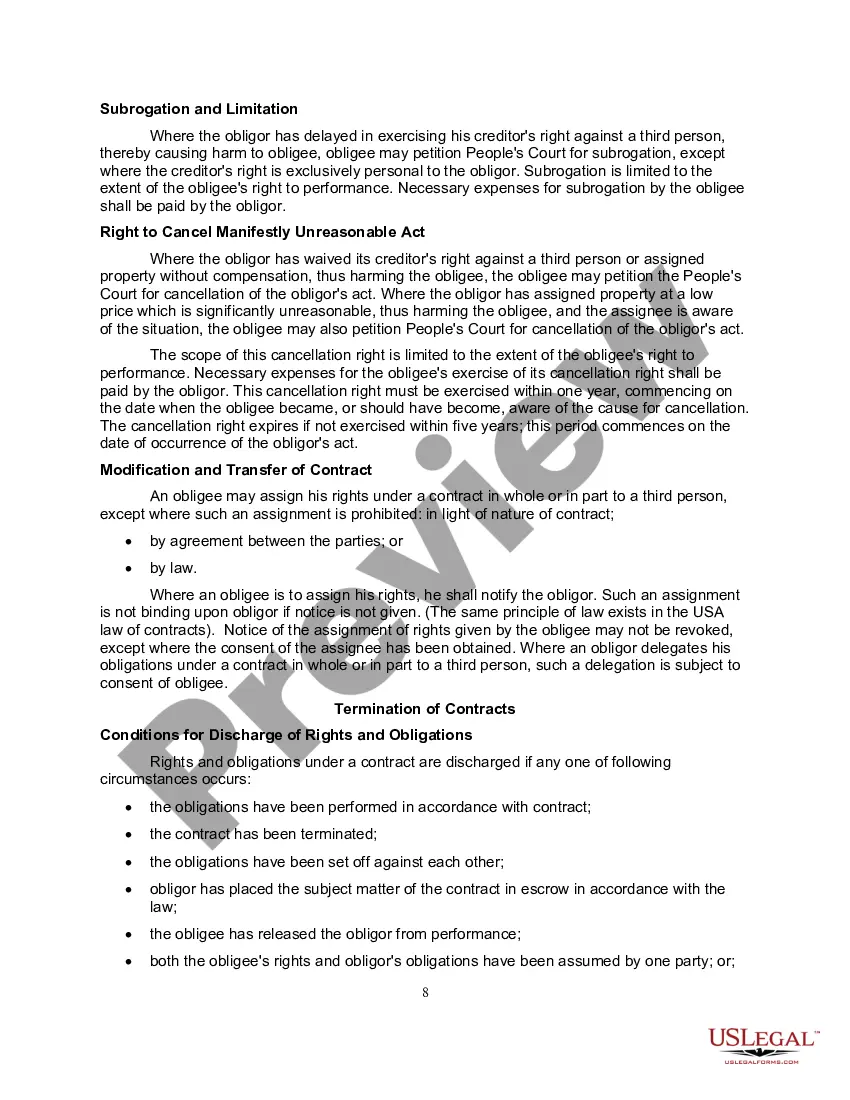
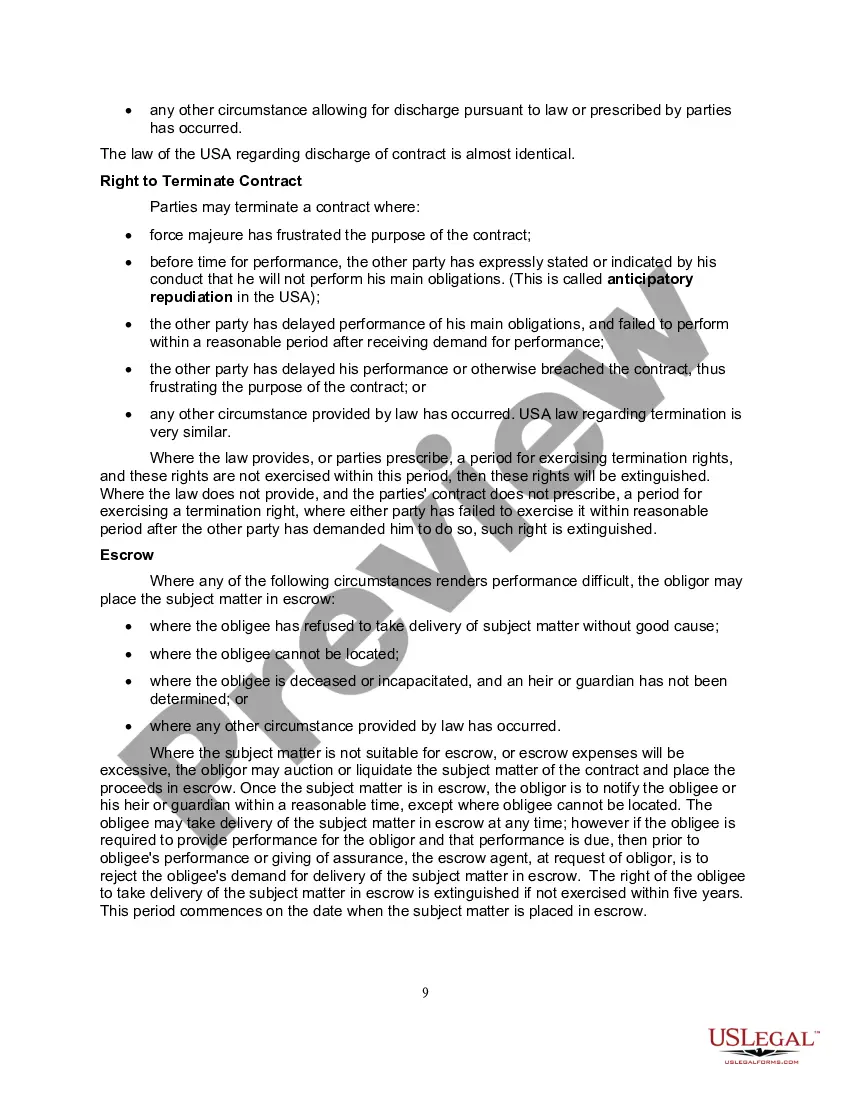
An escrow agreement is a contract that outlines the terms and conditions between parties involved, and the responsibility of each. Escrow agreements generally involve an independent third party, called an escrow agent, who holds an asset of value until the specified conditions of the contract are met.
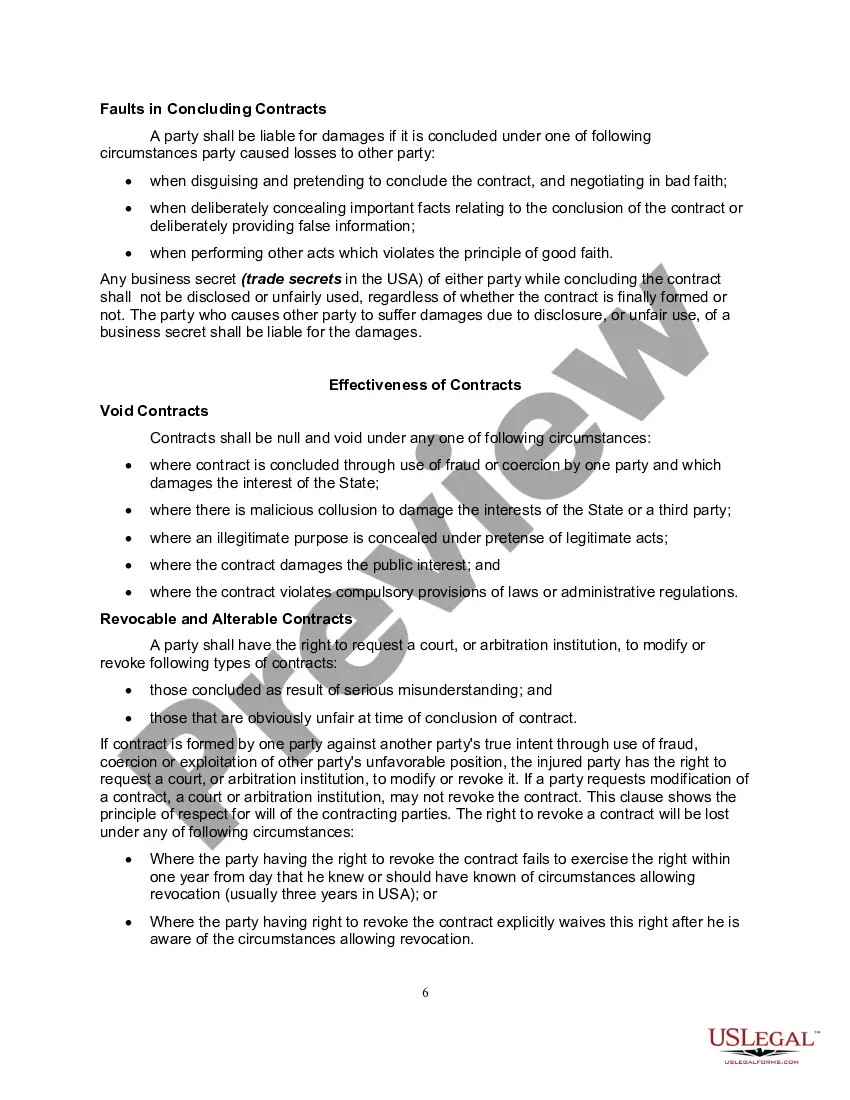
The typical duration of a house contract is 30-60 days, although this can vary depending on: Financing Approval: Mortgage approval usually takes 30-45 days.
For a contract to be valid and enforceable in California, all parties must enter into the agreement voluntarily. If one of the contracting parties can prove that they entered into the contract under duress, coercion, or undue influence, the court may cancel or revoke the contract.
If you need to obtain a copy of your mortgage agreement, you will need to do so at the office where the mortgage is filed.
You start a lawsuit by filing a complaint. In some circumstances, you file a petition or a motion. The court has several complaint forms that you may use in drafting your complaint. The forms are available online and at the Pro Se Intake Unit.
Fill out the Summons (form SUM-100) and a Complaint. Also, fill out a Civil Case Cover Sheet (form CM-010). Since you are the one filing a lawsuit, you're called the plaintiff. The person or company you're suing is the defendant.
You can contact the Santa Clara County Investigations Division District Office at (408) 942-2952 or file a complaint using their website.
A general civil lawsuit starts when the plaintiff files 3 forms. A Summons is a notice that says there is a lawsuit. A Complaint is a form that says how the person was hurt, who hurt them and how much the damages are. A Civil Coversheet tells the court about the type of case you are filing.
Tells the court that you had legal papers in a civil case - other than a summons - delivered to (served on) the other party. Lists the papers that were served and tells who they were served on, where, when, and how they were served, and who served them.
The 6 Stages of the Civil Lawsuit Process Filing the Claim With the Civil Courts. The first step is the filing of the civil claim. Discovery (Fact-Finding) The next stage is discovery or fact-finding. Resolutions Before Trial – Court Motions or Settlements. Civil Trial. Verdict and Judgment Award. Appeal.
