Contract Law Forfeiture In San Jose
Description

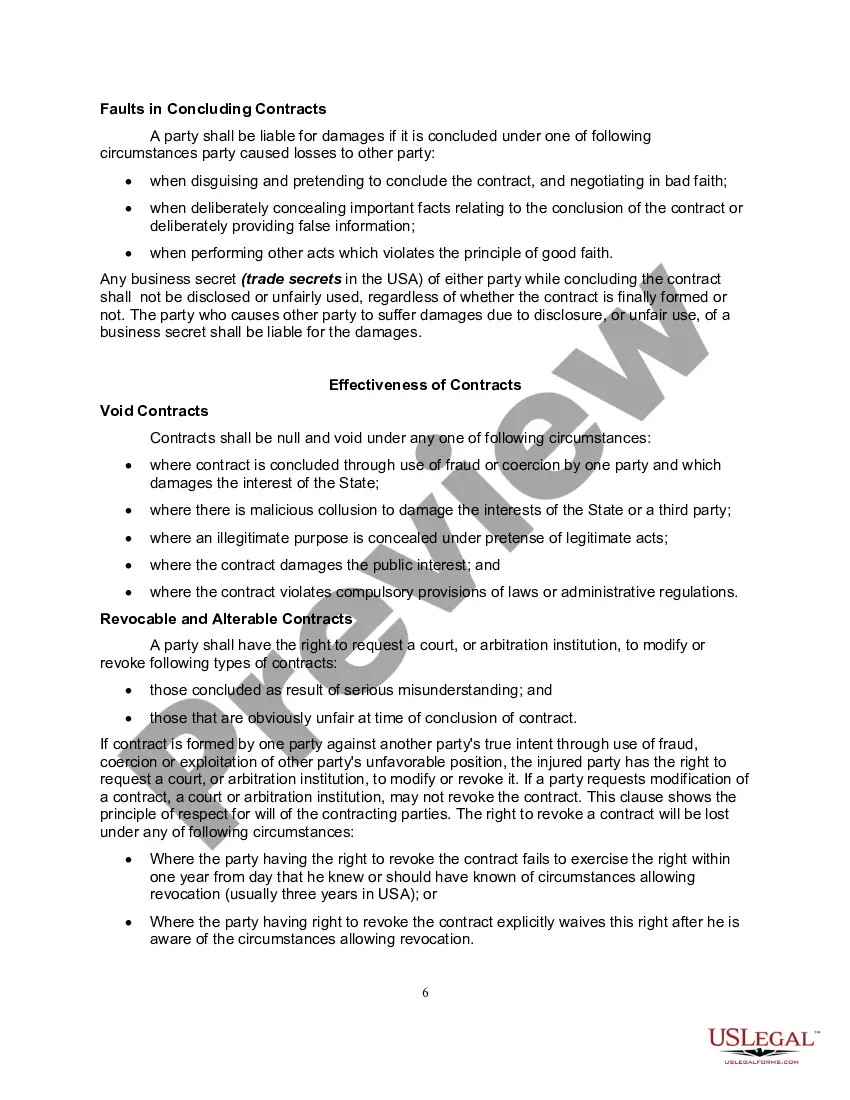
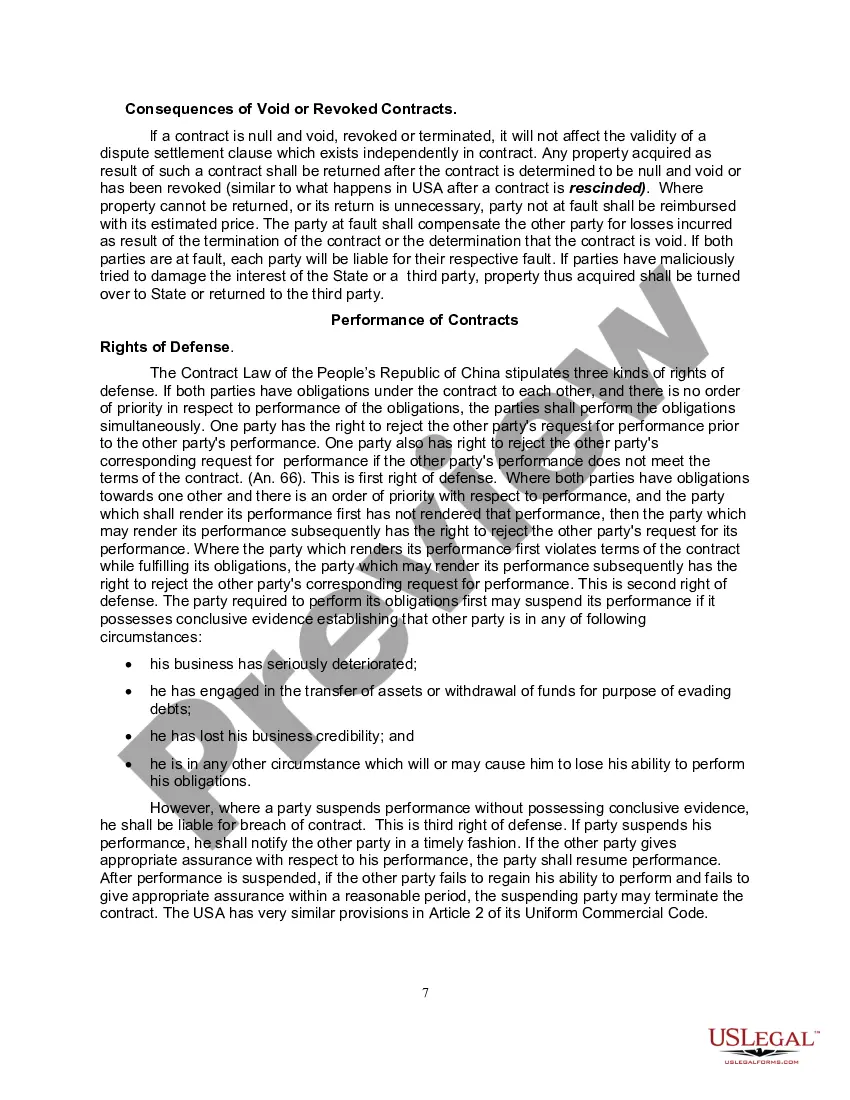
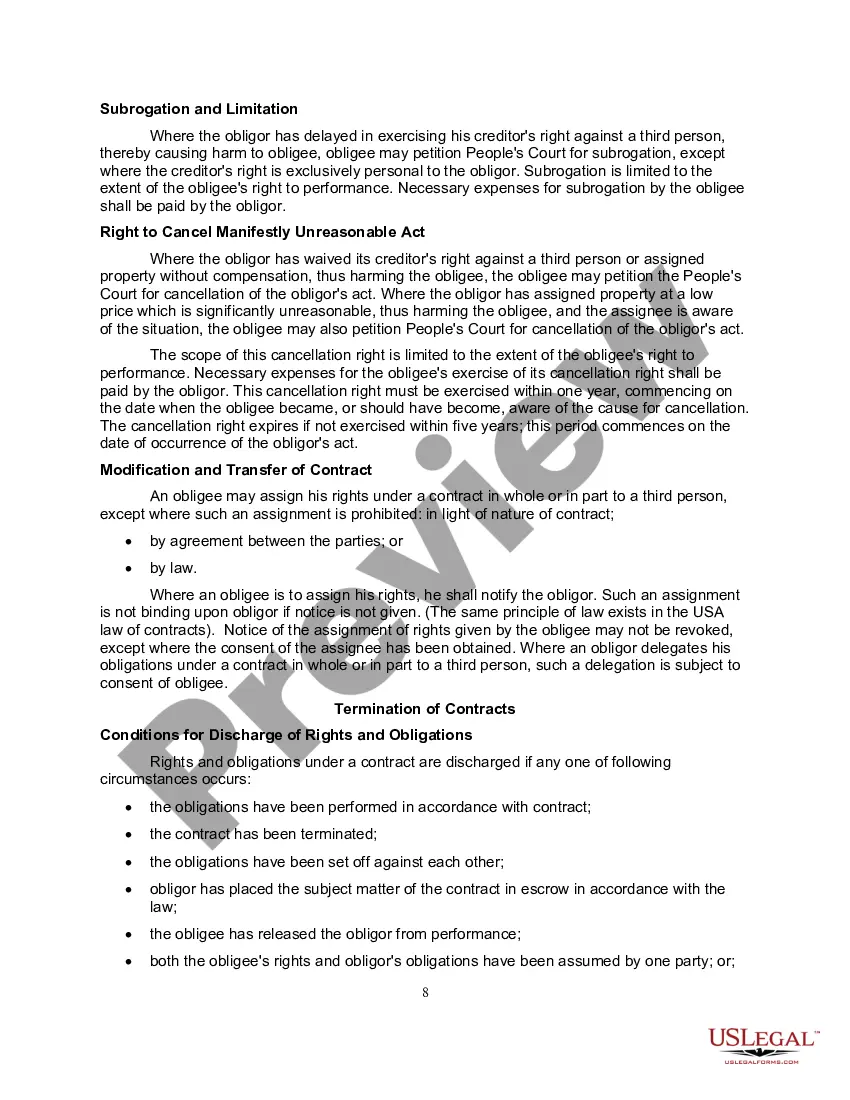
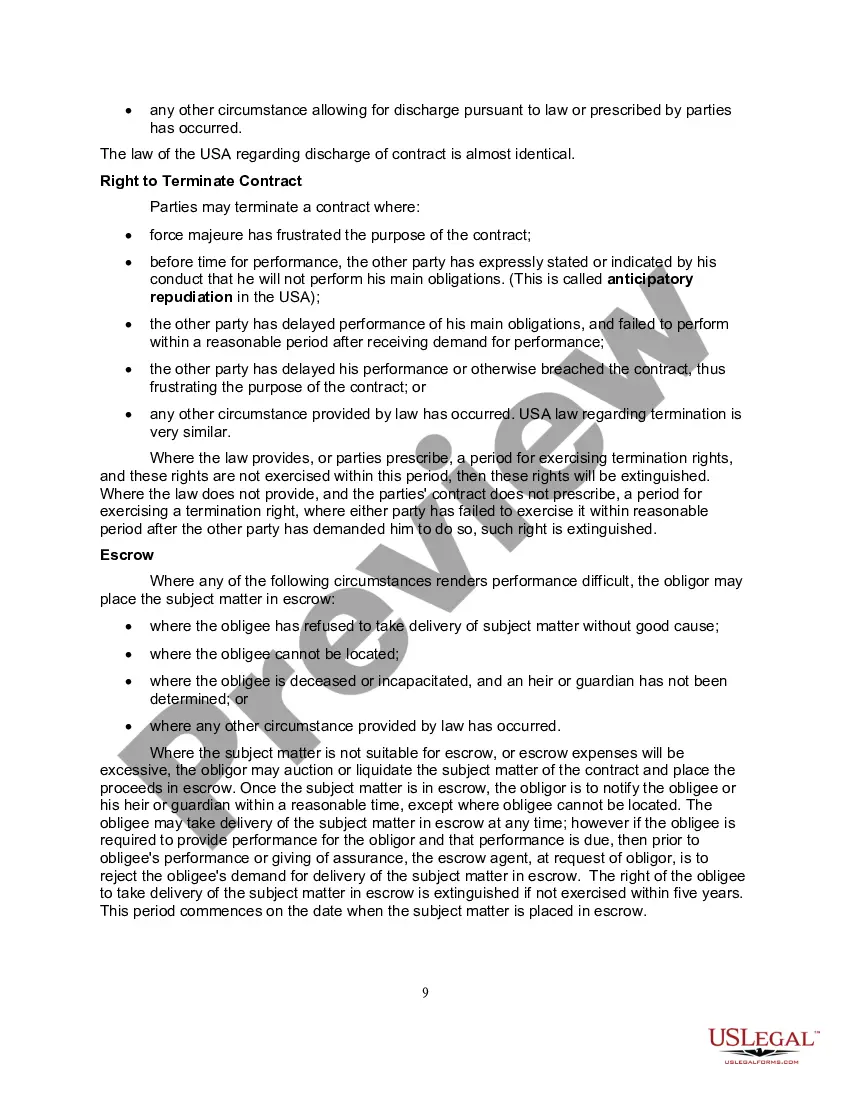



Get your form ready online
Our built-in tools help you complete, sign, share, and store your documents in one place.
Make edits, fill in missing information, and update formatting in US Legal Forms—just like you would in MS Word.
Download a copy, print it, send it by email, or mail it via USPS—whatever works best for your next step.
Sign and collect signatures with our SignNow integration. Send to multiple recipients, set reminders, and more. Go Premium to unlock E-Sign.
If this form requires notarization, complete it online through a secure video call—no need to meet a notary in person or wait for an appointment.
We protect your documents and personal data by following strict security and privacy standards.

Make edits, fill in missing information, and update formatting in US Legal Forms—just like you would in MS Word.

Download a copy, print it, send it by email, or mail it via USPS—whatever works best for your next step.

Sign and collect signatures with our SignNow integration. Send to multiple recipients, set reminders, and more. Go Premium to unlock E-Sign.

If this form requires notarization, complete it online through a secure video call—no need to meet a notary in person or wait for an appointment.

We protect your documents and personal data by following strict security and privacy standards.
Looking for another form?



Form popularity
FAQ
The bringing to an end of a legal right or interest, usually a proprietary interest. Forfeiture generally occurs where one party exercises a legal right that results in a second party forfeiting, or losing, a right or interest.
Write a termination contract letter A contract termination letter allows you to give written notice of your contract's cancellation. It clearly states intent and limits your liability, which arerequired if you're looking to avoid issues while terminating a contract.
Where a landlord seeks to end a lease by re-entering the property following a breach of covenant by the tenant (and pursuant to a right reserved to the landlord to do so), the tenant can apply to the court for relief, that is, to have the forfeiture set aside.
If you want to know how to fight civil forfeiture effectively, contact a lawyer immediately. They can help you find evidence, gather witnesses, and craft a tailor-made strategy to help get back what is rightfully yours. If you don't contest forfeiture, the government can take your property permanently.
Innocent Owner Defense This defense is potentially available in all types of asset forfeiture cases to innocent third party owners who can prove ownership of the seized property and show that they did not know about or did not consent to the illegal use of their property.
TO CONTEST THE FORFEITURE OF THE PROPERTY IN UNITED STATES DISTRICT COURT YOU MUST FILE A CLAIM. Failure to file a claim may result in the seized property being forfeited to the United States. To file a claim: A claim must be filed with the agency that gave notice of the seizure and intent to forfeit.
Small claims basics Generally, you can only sue for up to $12,500 in small claims court (or up to $6,250 if you're a business). You can ask a lawyer for advice before you go to court, but you can't have one with you in court. Starting November 1, 2021, you can sue or be sued for COVID-19 rental debt in small claims.
As an individual you can use Small Claims Court if your claim is for $12,500 or less. If you are an individual who owns a business (i.e. sole proprietor) and do business under a fictitious business name, you are considered to be an "individual" in Small Claims Court.
To file or defend a case in small claims court, you must be (a) at least 18 years old or legally emancipated, and (b) mentally competent. A person must be represented by a Guardian ad Litem if he or she is under 18 and not legally emancipated, or has been declared mentally incompetent by a court.
