Contract Law In India In Queens
Description




Get your form ready online
Our built-in tools help you complete, sign, share, and store your documents in one place.
Make edits, fill in missing information, and update formatting in US Legal Forms—just like you would in MS Word.
Download a copy, print it, send it by email, or mail it via USPS—whatever works best for your next step.
Sign and collect signatures with our SignNow integration. Send to multiple recipients, set reminders, and more. Go Premium to unlock E-Sign.
If this form requires notarization, complete it online through a secure video call—no need to meet a notary in person or wait for an appointment.
We protect your documents and personal data by following strict security and privacy standards.

Make edits, fill in missing information, and update formatting in US Legal Forms—just like you would in MS Word.

Download a copy, print it, send it by email, or mail it via USPS—whatever works best for your next step.

Sign and collect signatures with our SignNow integration. Send to multiple recipients, set reminders, and more. Go Premium to unlock E-Sign.

If this form requires notarization, complete it online through a secure video call—no need to meet a notary in person or wait for an appointment.

We protect your documents and personal data by following strict security and privacy standards.
Looking for another form?







Form popularity
FAQ
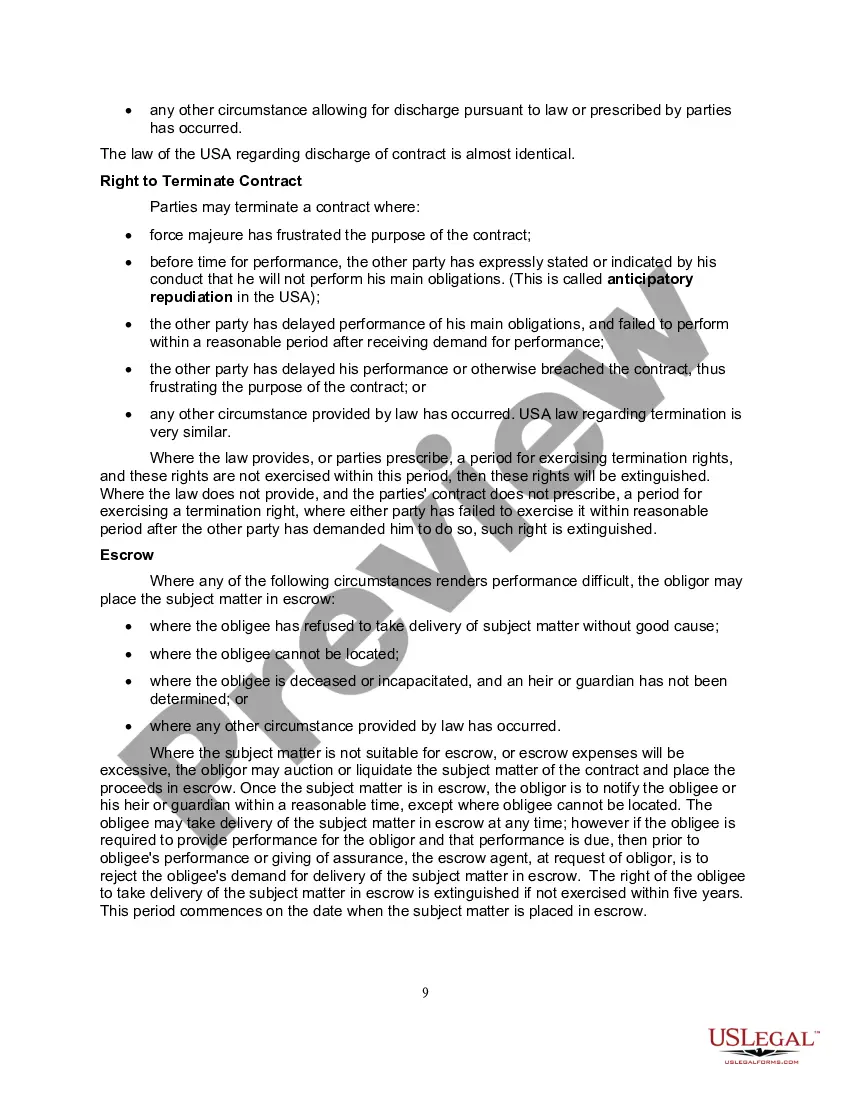
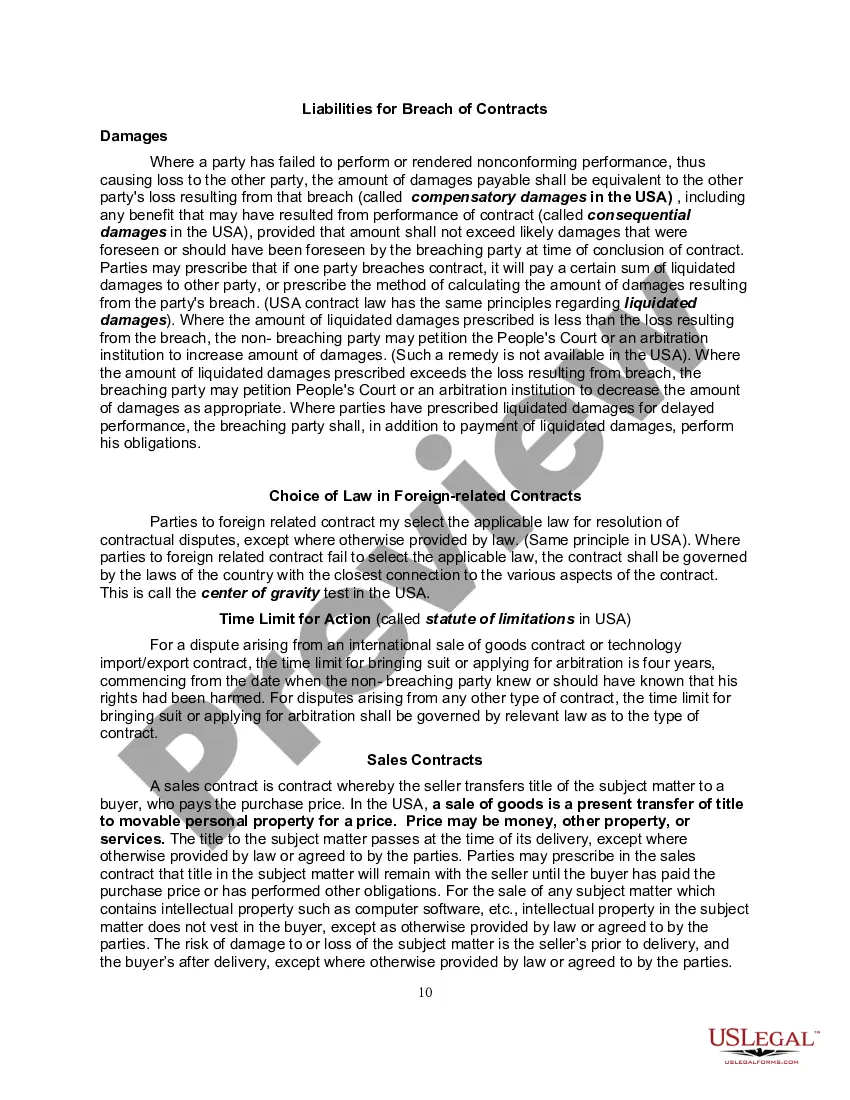
(1) This Act may be called the Contract Labour (Regulation and Abolition) Act, 1970. (2) It extends to the whole of India. (a) to every establishment in which twenty or more workmen, art employed or were employed on any day of the preceding twelve months as contract labour.
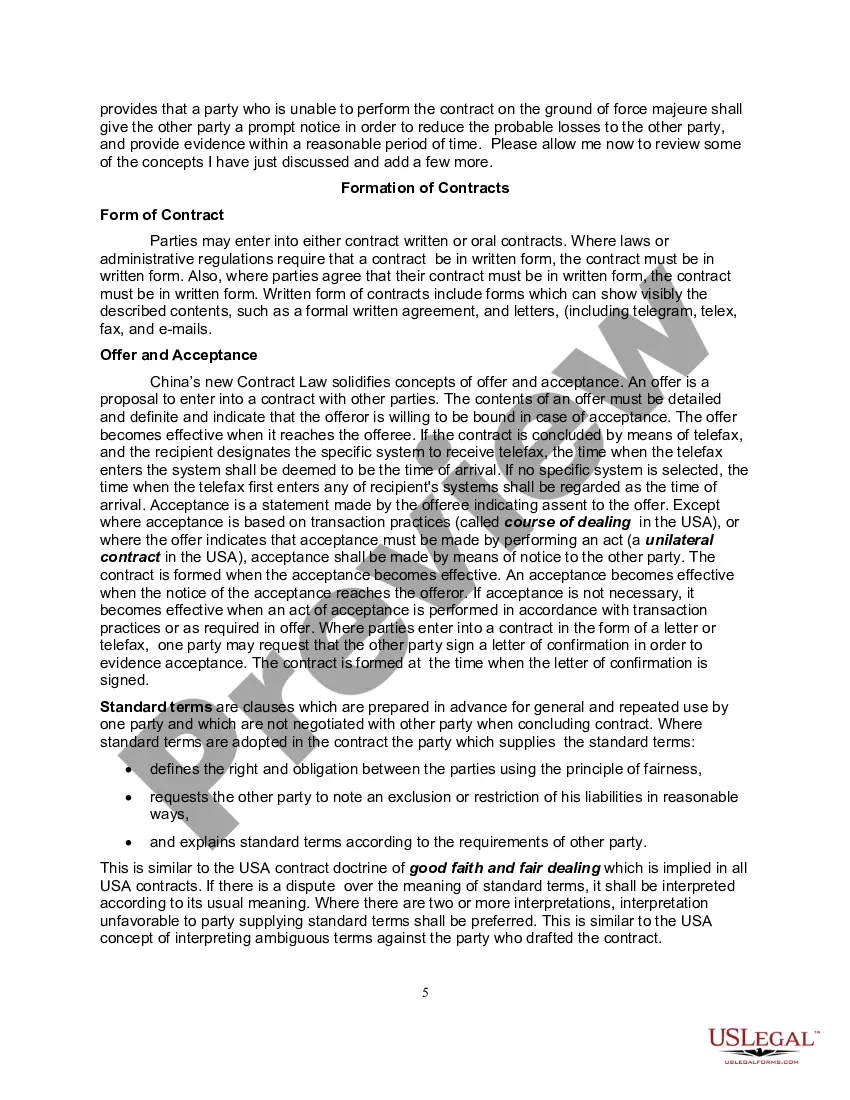
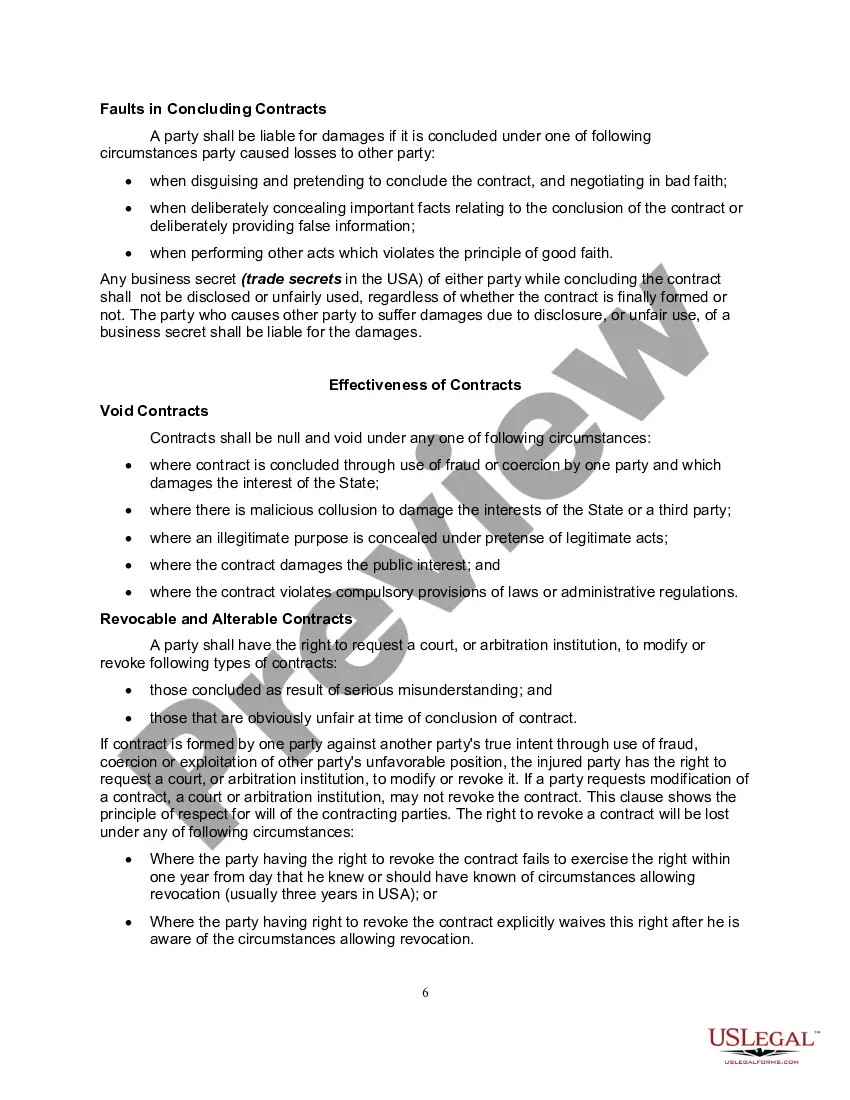
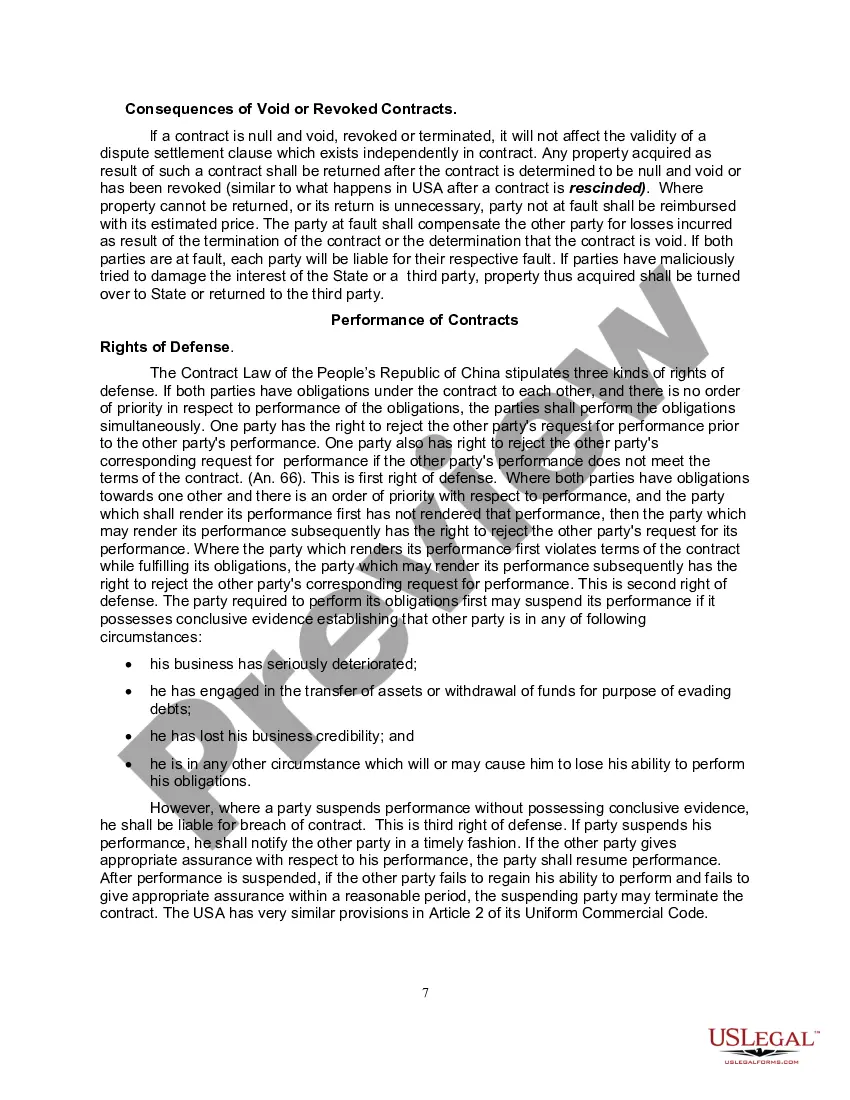
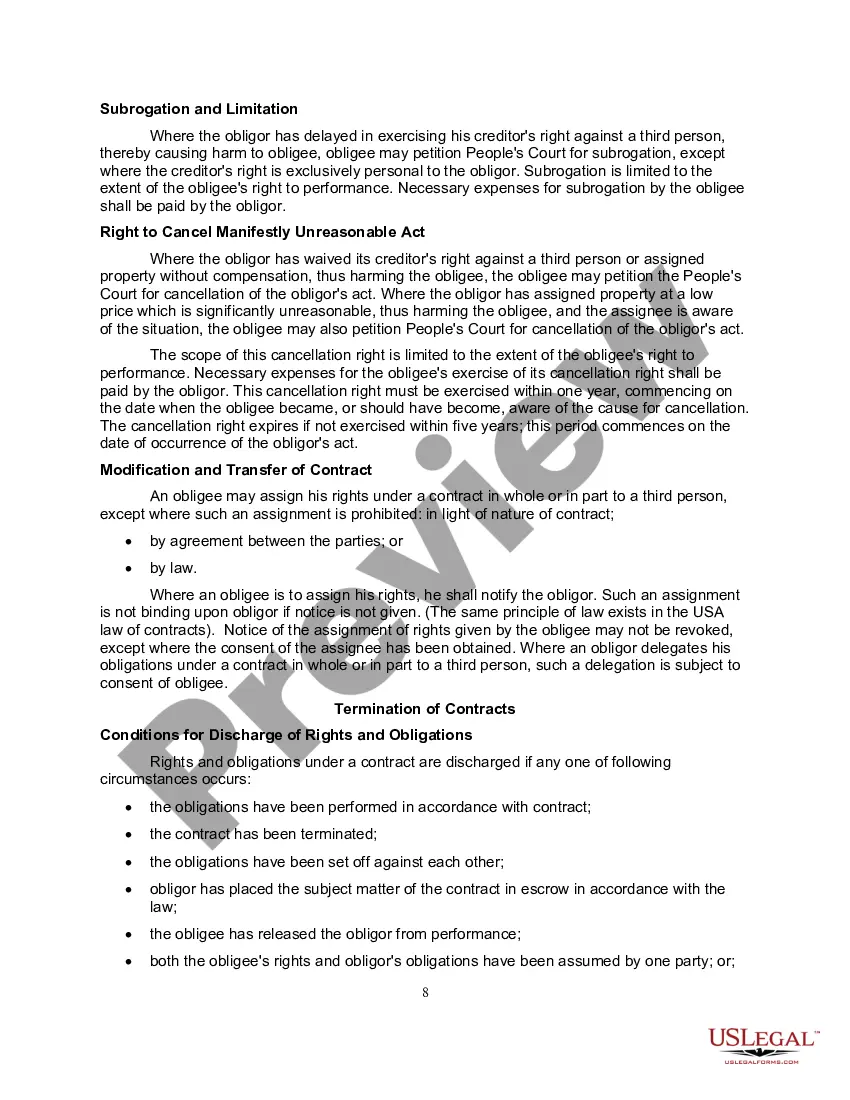
The Indian Contract Act extends to whole of India except Jammu and Kashmir. The law relating to contracts in India is contained in Indian Contract Act, 1872. It determines the circumstances in which promise made by the parties to a contract shall be legally binding on them.
The Indian Contract Act 1872 is the foundational statute governing all types of agreements in India. It provides a structured legal framework that businesses and individuals must adhere to when forming legally binding contracts.
It is applicable to all the states of India. It determines the circumstances in which promises made by the parties to a contract shall be legally binding. Under Section 2(h), the Indian Contract Act defines a contract as an agreement enforceable by Law.
Contract exams are not as transactional as criminal law or torts, so many law students find them more difficult. There are a lot of interlocking pieces on a contract law exam. Generally, the exam has one to three contracts at issue and you must analyze those in great depth.
Like your bachelor's degree, the JD is another degree and that means more schooling. While a bachelor's degree usually takes 4 years to complete, the JD takes 3 years. This means that you need to set aside at least seven years of schooling to become any kind of lawyer.
Sources of contract law are grouped into four: the Constitution, federal and state statutes, federal and state case law, and administrative law. There are different elements of contract law, namely certainty, offer consideration, Mutuality, signatures, Capacity, and legally accepted terms.
First, to become a contract attorney, one must earn a bachelor's degree and graduate with good grades. It is recommended, but not required, to earn a degree in a legally-related field, such as criminal justice or political science. Before applying for law school, you must take the LSAT and get a good score.
Ing to a 2022 survey by a legal staffing agency, there has been a notable increase in demand for contract attorneys, especially in areas like litigation support, compliance, and corporate law.
Requirements Bachelor's Degree with a good GPA (preferably in a pre-law track, but not required) Juris Doctorate Degree (J.D.) MPRE and State Bar Exam passage. Admittance to the State Bar. Specialized experience in contract law.