Contract Law In India In Orange
Description

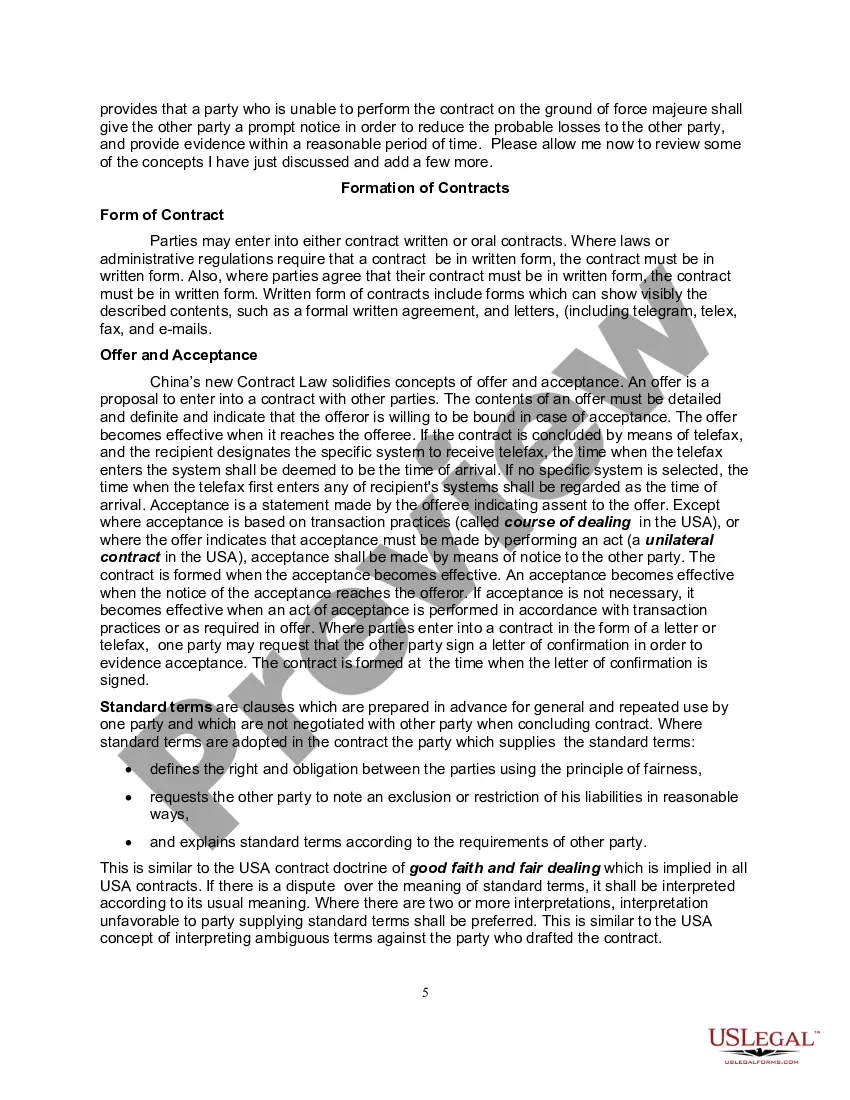
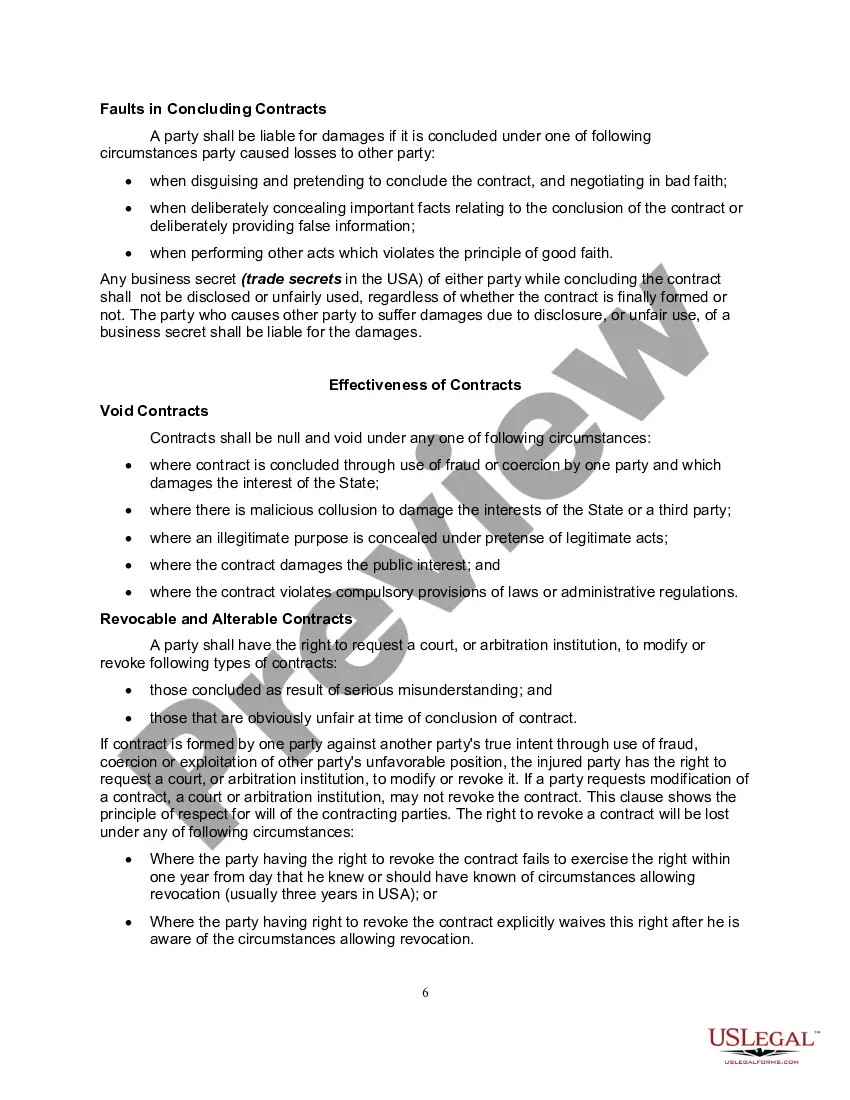
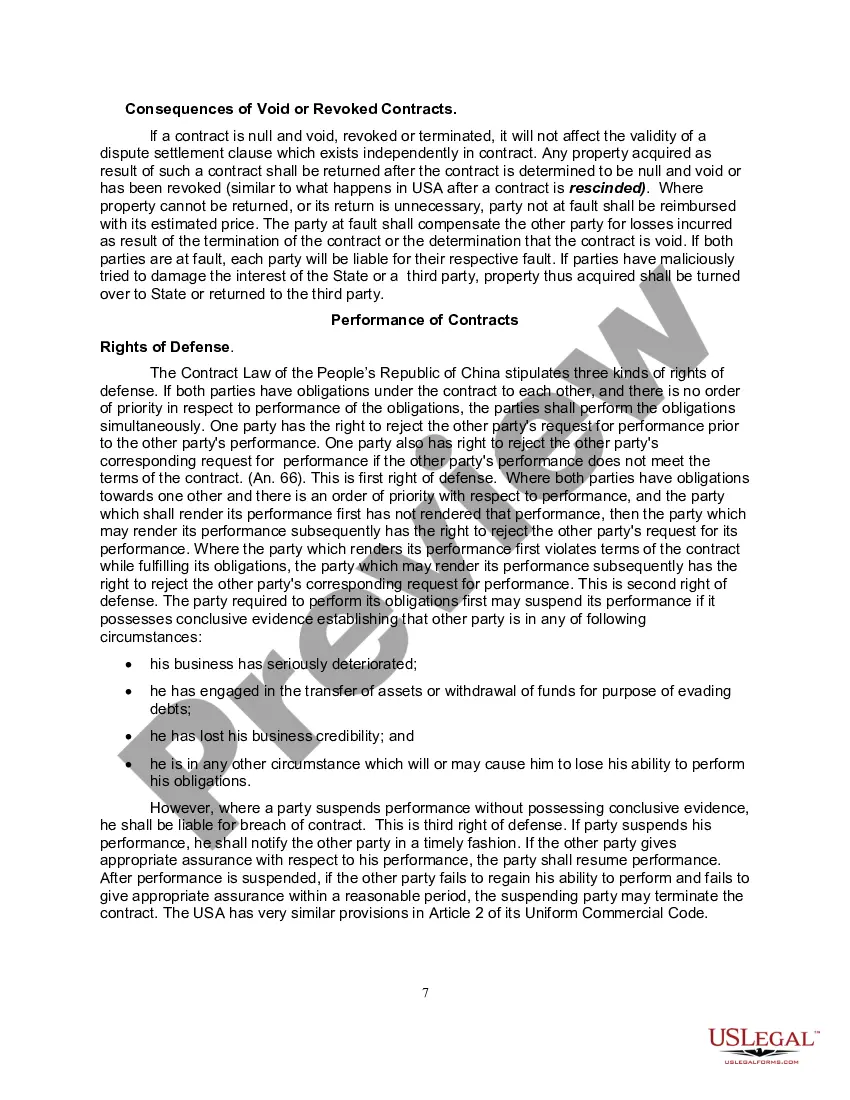
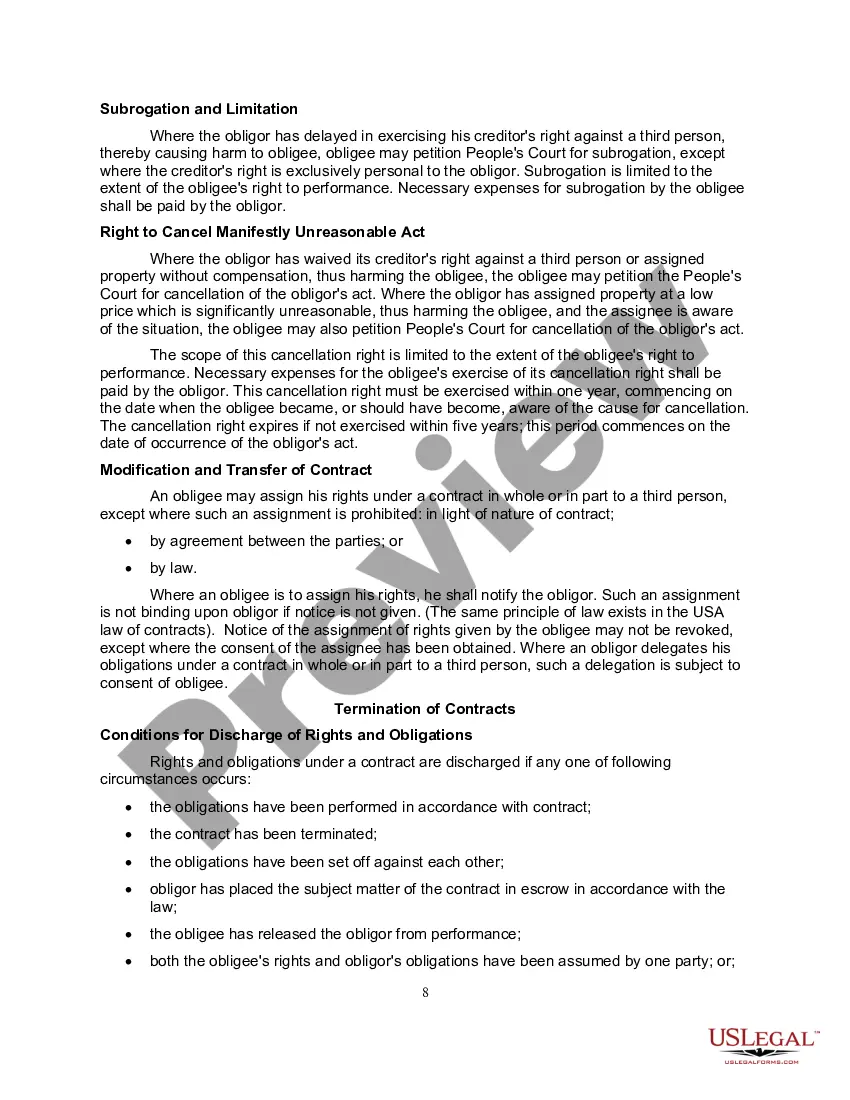


Get your form ready online
Our built-in tools help you complete, sign, share, and store your documents in one place.
Make edits, fill in missing information, and update formatting in US Legal Forms—just like you would in MS Word.
Download a copy, print it, send it by email, or mail it via USPS—whatever works best for your next step.
Sign and collect signatures with our SignNow integration. Send to multiple recipients, set reminders, and more. Go Premium to unlock E-Sign.
If this form requires notarization, complete it online through a secure video call—no need to meet a notary in person or wait for an appointment.
We protect your documents and personal data by following strict security and privacy standards.

Make edits, fill in missing information, and update formatting in US Legal Forms—just like you would in MS Word.

Download a copy, print it, send it by email, or mail it via USPS—whatever works best for your next step.

Sign and collect signatures with our SignNow integration. Send to multiple recipients, set reminders, and more. Go Premium to unlock E-Sign.

If this form requires notarization, complete it online through a secure video call—no need to meet a notary in person or wait for an appointment.

We protect your documents and personal data by following strict security and privacy standards.
Looking for another form?









Form popularity
FAQ
Contracts only need (1) a meeting of the minds as to the terms, and (2) exchange of goods and/or services which each party considers to have some non-zero value (called “consideration”). So, yes, you can write a contract for yourself. You don't need an attorney.
Remedies for Breach of Contract 1 Recession of Contract. When one of the parties to a contract does not fulfil his obligations, then the other party can rescind the contract and refuse the performance of his obligations. 2 Sue for Damages. 3 Sue for Specific Performance. 4 Injunction. 5 Quantum Meruit.
Notarized documents can be considered valid and binding unless there are specific statutory provisions that declare them void. For instance, a notarized lease agreement was deemed insufficient when a registered document was required Prashant S/o Gulabrao Kamble VS Indian Oil Corporation Limited - Bombay00400070644.
A Contract is an agreement that is accepted by both parties and is enforceable by law. It gives certain rights to all the parties involved and also bestows on them certain obligations that they must fulfill.
Contract execution requires participation from all parties. However, the signatory authorities are the most important participants at this stage. That said, anyone who signs a contract on behalf of a company must have the legal authority to bind the organization to a business agreement.
Every contract, whether simple or complex, is considered legally enforceable when it incorporates six essential elements: Offer, Acceptance, Awareness, Consideration, Capacity and Legality. It is critical that all six elements are present—just one missing element can make a contract invalid and unenforceable.
A foreigner (a) is competent to enter into contract if he fulfils the conditions of section 11. 1. An agreement not enforceable by law is said to be voidable.
Here's a general overview of what contract labor looks like: The worker creates their own invoice. The worker is in control of the hours they work. The worker typically uses their own tools. Your company can let the worker go from the position at any time, as long as it doesn't break the contract.
Section 37. Obligation of parties to contracts. Previous Next. The parties to a contract must either perform, or offer to perform, their respective promises, unless such performance is dispensed with or excused under the provisions of this Act, or of any other law.
It determines the circumstances in which promises made by the parties to a contract shall be legally binding. Under Section 2(h), the Indian Contract Act defines a contract as an agreement enforceable by Law. To define and amend certain parts of the law relating to contracts.