Contract Law In India In Nevada
Description




Get your form ready online
Our built-in tools help you complete, sign, share, and store your documents in one place.
Make edits, fill in missing information, and update formatting in US Legal Forms—just like you would in MS Word.
Download a copy, print it, send it by email, or mail it via USPS—whatever works best for your next step.
Sign and collect signatures with our SignNow integration. Send to multiple recipients, set reminders, and more. Go Premium to unlock E-Sign.
If this form requires notarization, complete it online through a secure video call—no need to meet a notary in person or wait for an appointment.
We protect your documents and personal data by following strict security and privacy standards.

Make edits, fill in missing information, and update formatting in US Legal Forms—just like you would in MS Word.

Download a copy, print it, send it by email, or mail it via USPS—whatever works best for your next step.

Sign and collect signatures with our SignNow integration. Send to multiple recipients, set reminders, and more. Go Premium to unlock E-Sign.

If this form requires notarization, complete it online through a secure video call—no need to meet a notary in person or wait for an appointment.

We protect your documents and personal data by following strict security and privacy standards.
Looking for another form?









Form popularity
FAQ
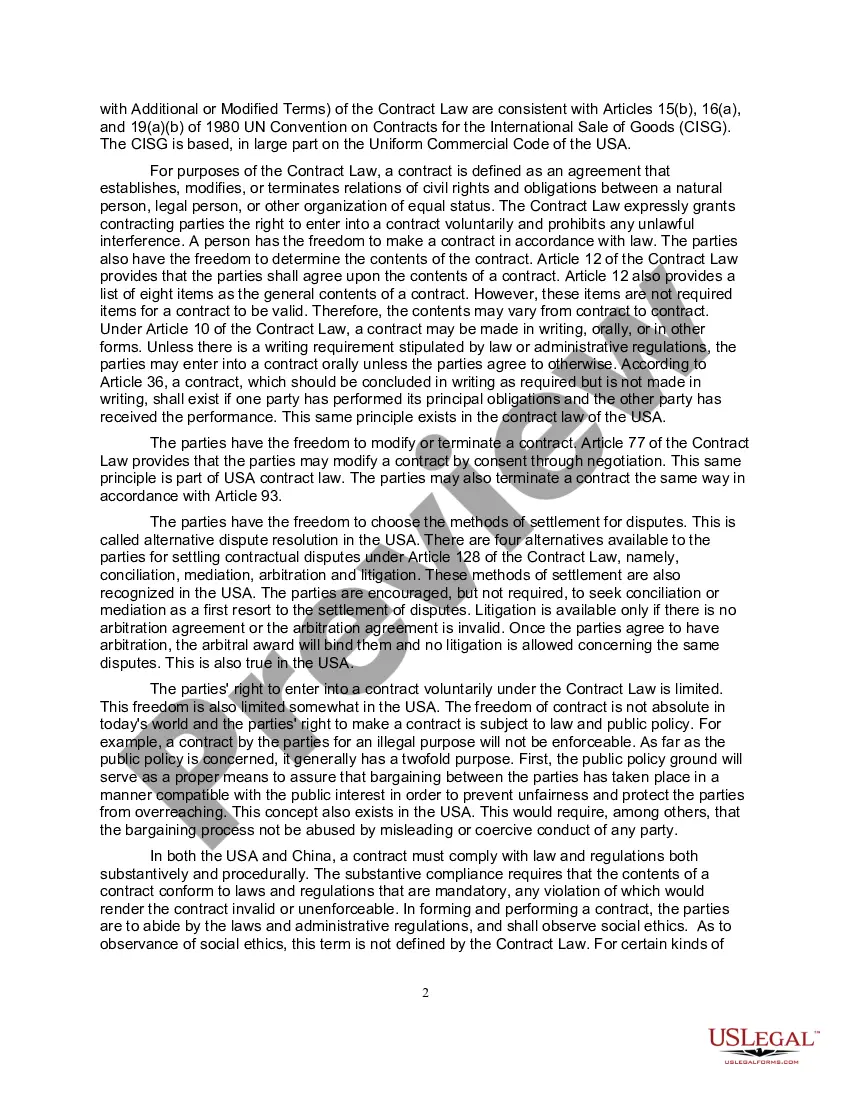
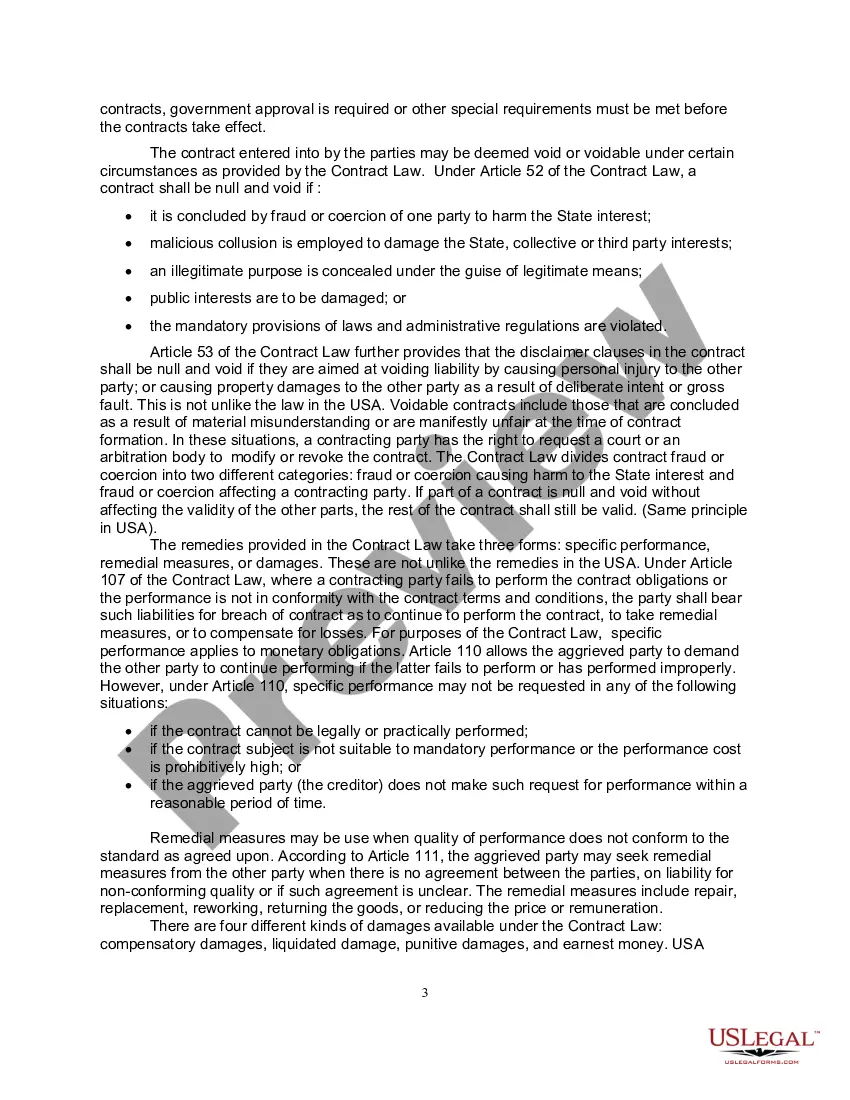
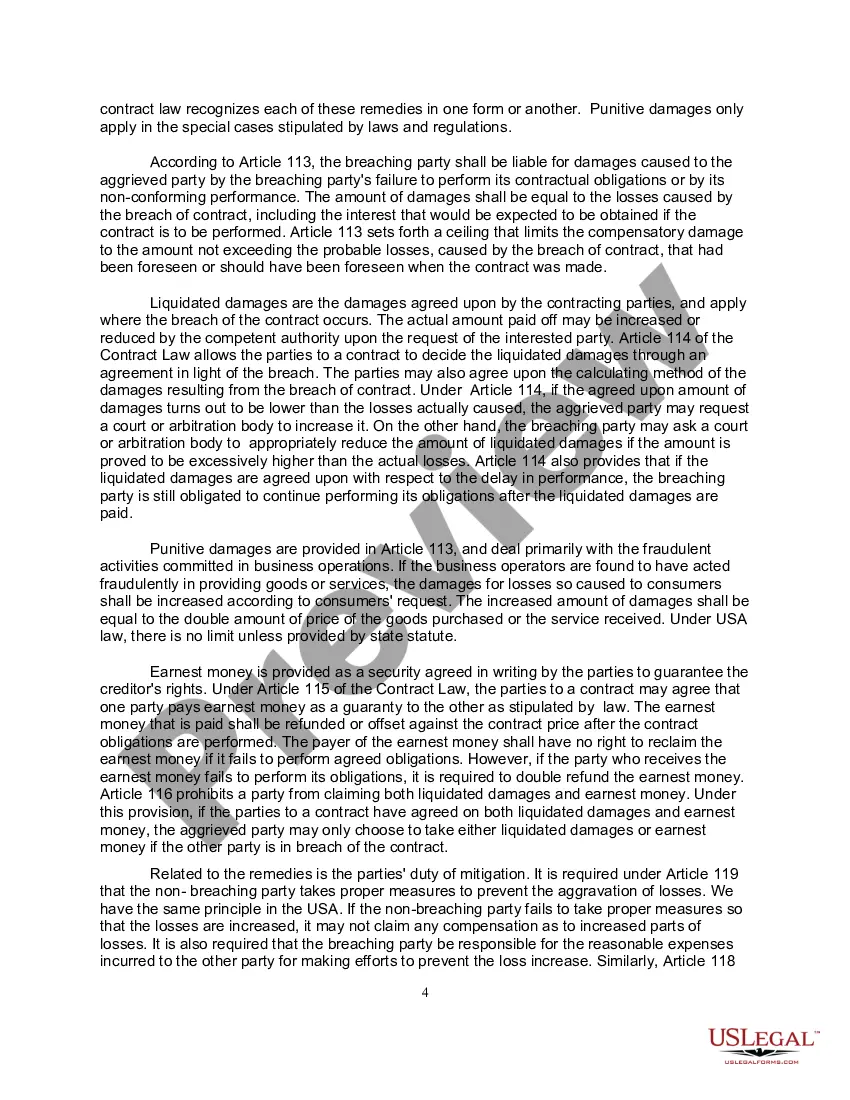
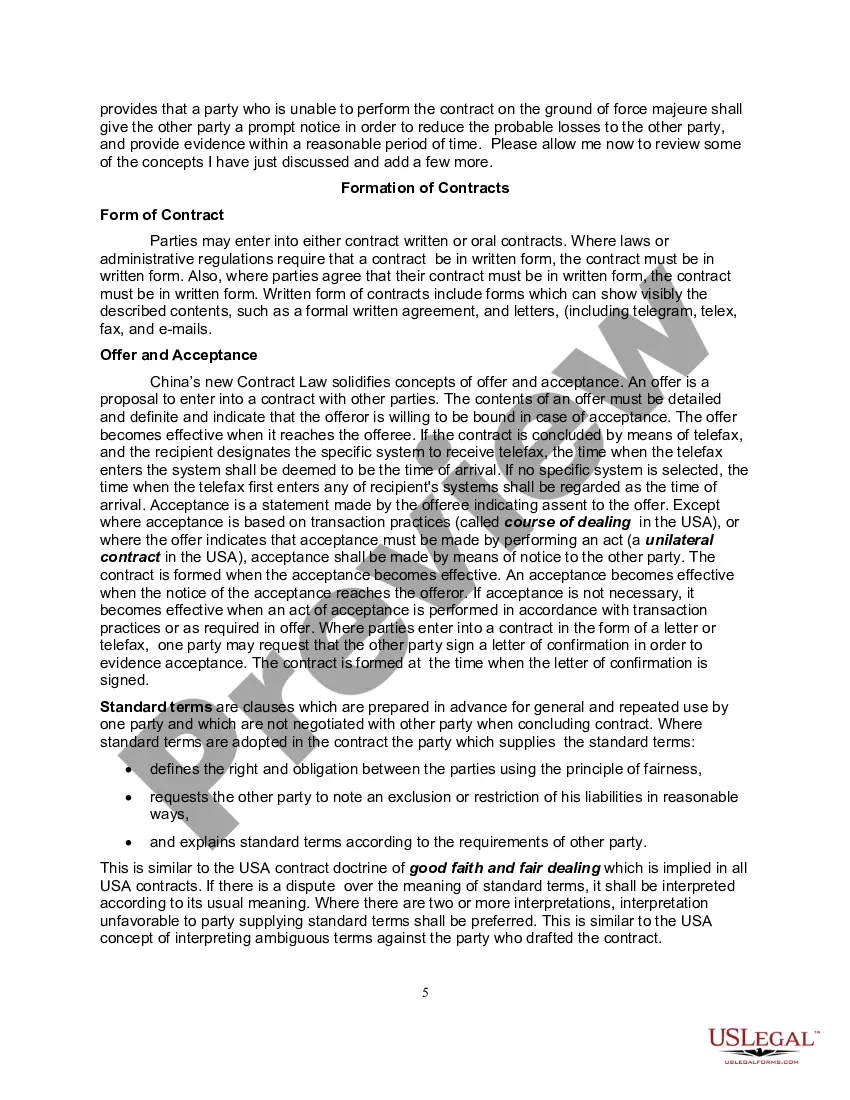
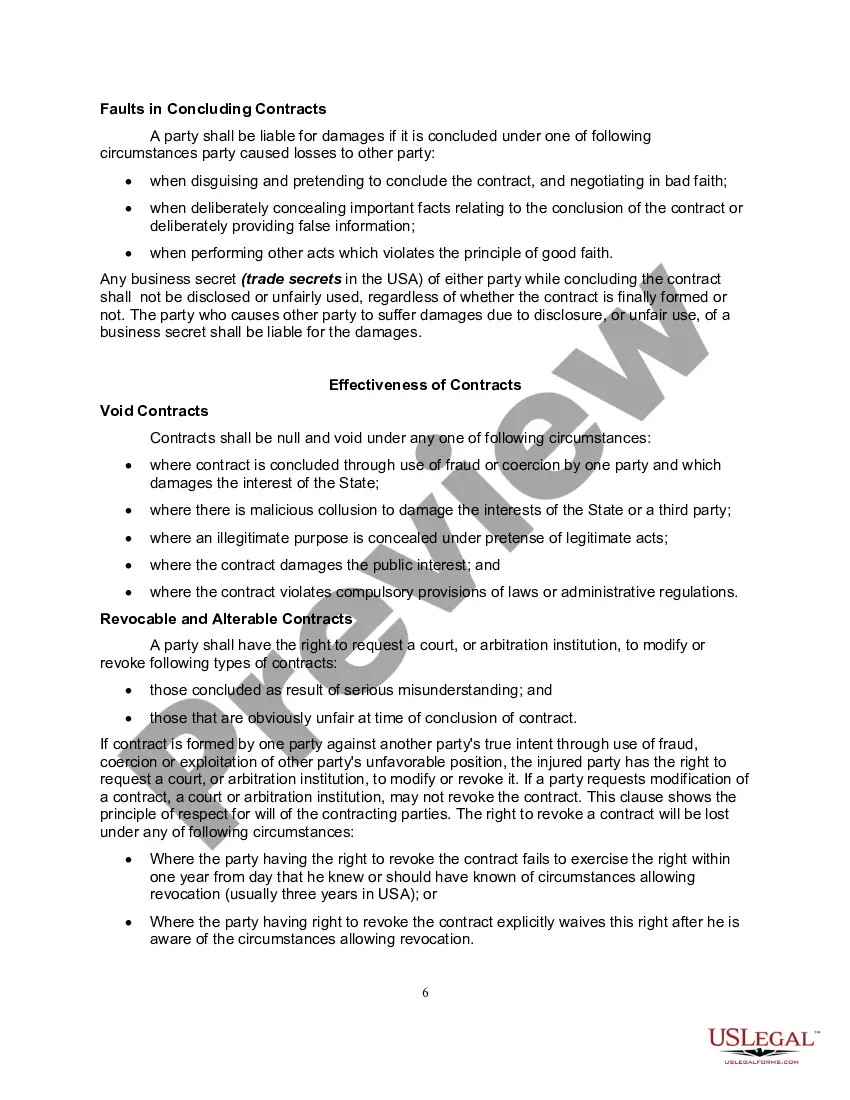
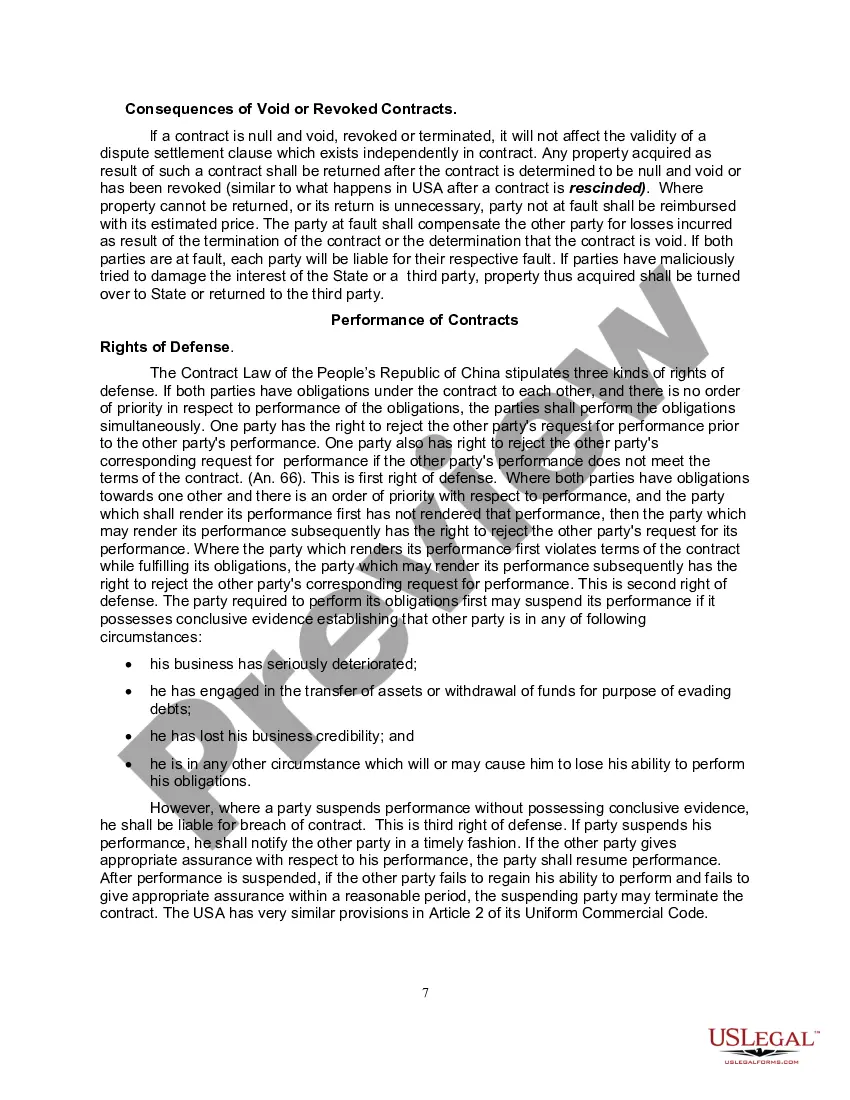
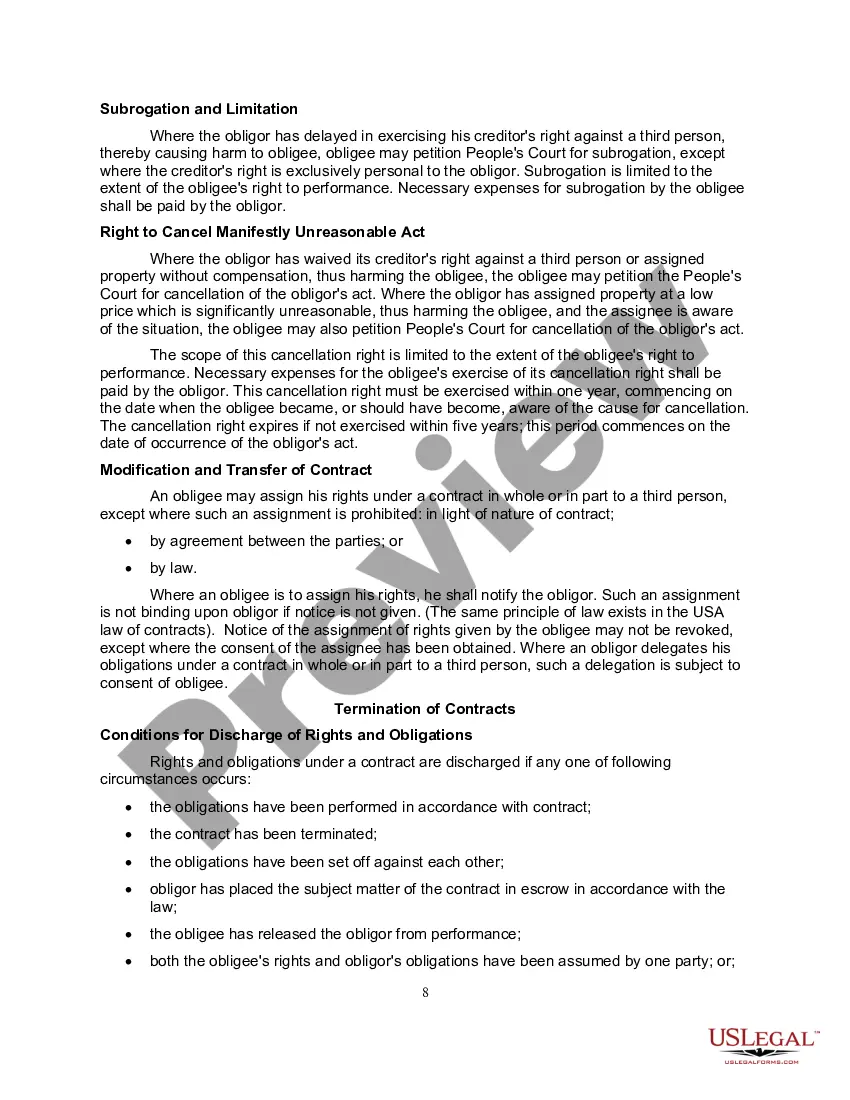
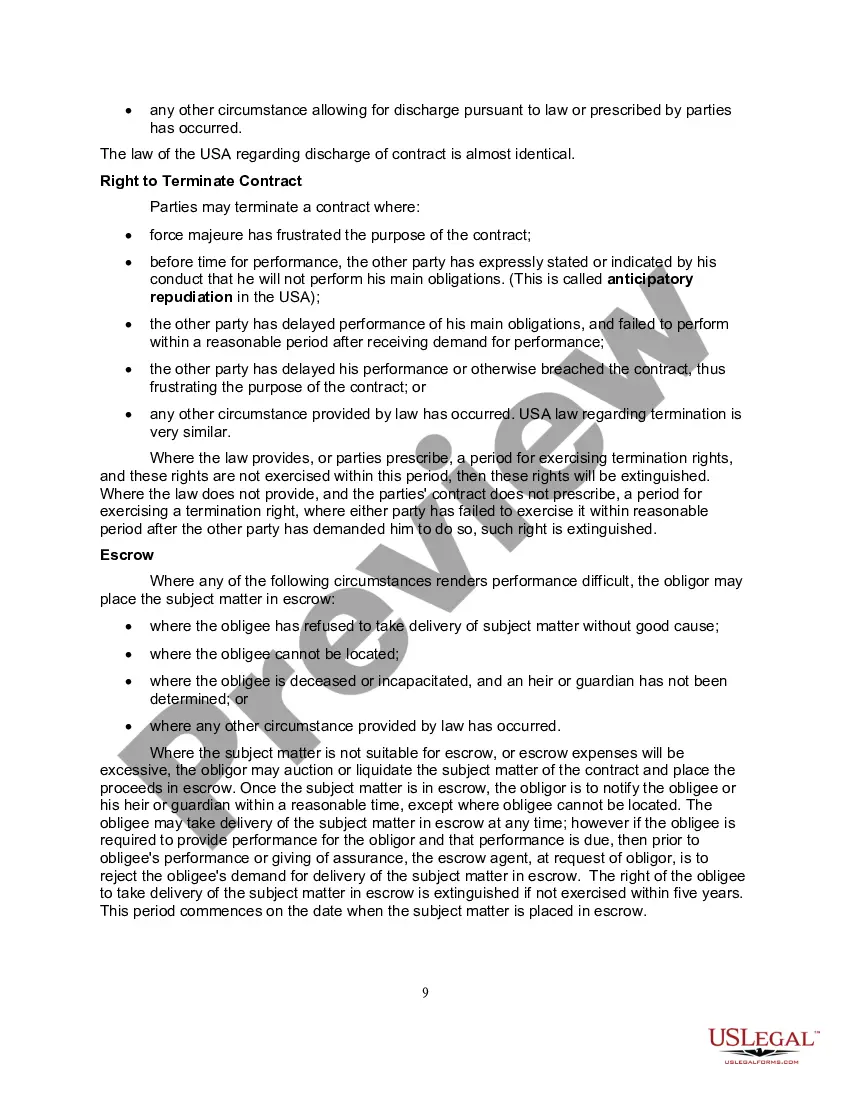
It determines the circumstances in which promises made by the parties to a contract shall be legally binding. Under Section 2(h), the Indian Contract Act defines a contract as an agreement enforceable by Law. To define and amend certain parts of the law relating to contracts.
There are four essential elements of forming a contract: offer, acceptance, consideration, and intention to create legal relations. Beyond this, the terms of the contract must also be unambiguous, and the parties must have the mental capacity to agree.
When two or more parties agree to do or not to do something, these parties enter a legally binding contract in Nevada. The obligations under the contract are enforceable by mutual understanding—until a dispute arises. Then, the parties go to court, where the Nevada judiciary adjudicates the case.
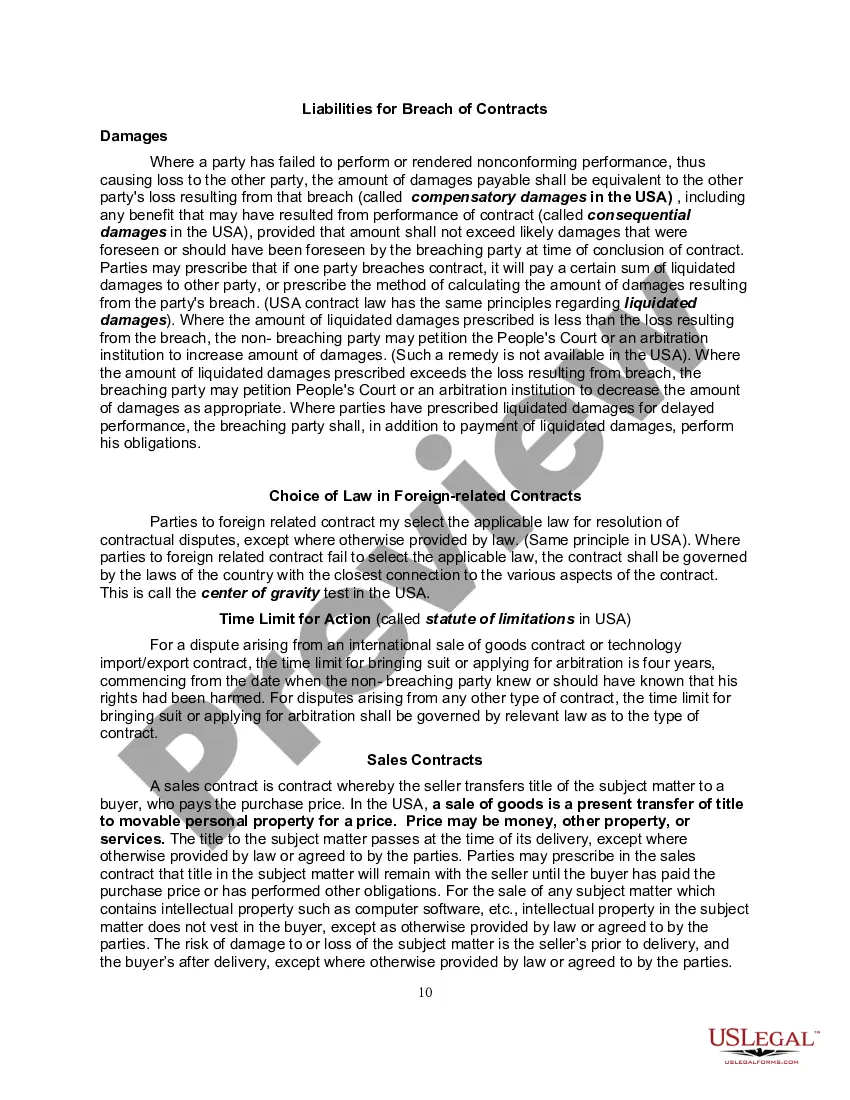
To be enforceable, the contract must be entered into voluntarily, have clearly agreed upon terms and conditions and demonstrate the exchange of “consideration”. Clearly agreed upon terms refers to the idea that everyone understands the nature of the deal being made.
An individual may cancel an agreement before midnight of the third business day after the individual assents to it, unless the agreement does not comply with subsection 2 or NRS 676A. 540 or 676A. 700, in which event the individual may cancel the agreement within 30 days after the individual assents to it.
The Indian Contract Act 1872 is the foundational statute governing all types of agreements in India. It provides a structured legal framework that businesses and individuals must adhere to when forming legally binding contracts.
While the 3 elements of contract law—offer, acceptance, and consideration—are crucial, there are additional elements that ensure a contract is valid and enforceable. These include capacity, legality, and awareness.
The Value of the Contract: Consider whether the breach resulted in substantial financial or other losses. If the damages are minimal, the costs of litigation may outweigh the potential recovery. For example, suing over a minor inconvenience or slight delay may not be worth the effort.
If you decide to pursue a claim for breach of contract, you will need evidence of the breach. It is therefore crucial to collate and retain all relevant evidence. You should take photographs of any defective goods as soon as they are received. If possible, speak to witnesses and make a note of their recollection.
A person may file a claim for breach of contract in any court with proper venue and jurisdiction unless the contract states where the claim should be filed. Generally, any civil court of general jurisdiction would have jurisdiction over a lawsuit alleging breach of contract.
