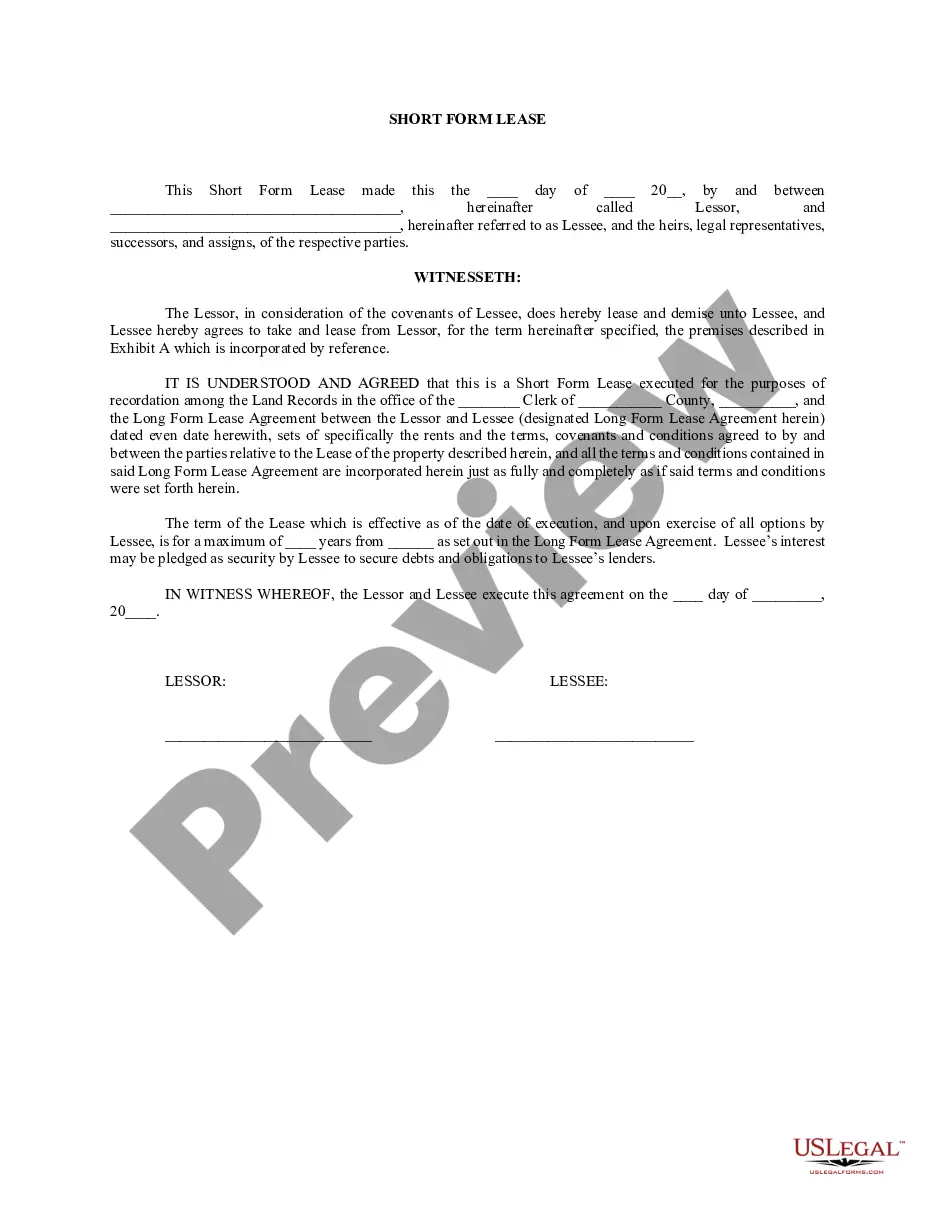
Contract Law In Hindi In Minnesota
Description




Get your form ready online
Our built-in tools help you complete, sign, share, and store your documents in one place.
Make edits, fill in missing information, and update formatting in US Legal Forms—just like you would in MS Word.
Download a copy, print it, send it by email, or mail it via USPS—whatever works best for your next step.
Sign and collect signatures with our SignNow integration. Send to multiple recipients, set reminders, and more. Go Premium to unlock E-Sign.
If this form requires notarization, complete it online through a secure video call—no need to meet a notary in person or wait for an appointment.
We protect your documents and personal data by following strict security and privacy standards.

Make edits, fill in missing information, and update formatting in US Legal Forms—just like you would in MS Word.

Download a copy, print it, send it by email, or mail it via USPS—whatever works best for your next step.

Sign and collect signatures with our SignNow integration. Send to multiple recipients, set reminders, and more. Go Premium to unlock E-Sign.

If this form requires notarization, complete it online through a secure video call—no need to meet a notary in person or wait for an appointment.

We protect your documents and personal data by following strict security and privacy standards.
Looking for another form?



Form popularity
FAQ
§ 144.293, subdivision 4) Existing law provides that a consent for the release of health records from a patient or the patient's representative is valid for a period provided by law. This provision may mean state or federal law. This section clarifies that the consent is valid for a period provided by Minnesota law.
For example, in 1994 Minnesota passed a law that requires its largest non-staff model health plans to establish expanded networks of allied independent health providers. ing to the statute, these providers must be included in the network if they are willing to meet the terms and conditions of the plan's contract.
AWP laws require managed care plans to accept any qualified provider who is willing to accept the terms and conditions of a managed care plan. These laws do not require managed care plans to contract with all providers.
Writing Enforceable Contracts in Minnesota As long as two parties intend to create a deal whereby one party provides something of value to another, and there is an exchange of something of value, there is a contract. Verbal contracts are also valid under the law, though highly inadvisable in the business world.
A contract is an agreement between parties , creating mutual obligations that are enforceable by law . The basic elements required for the agreement to be a legally enforceable contract are: mutual assent , expressed by a valid offer and acceptance ; adequate consideration ; capacity ; and legality .
Effective Oct. 1, 2024, no contract or policy of long-term disability insurance limiting the duration of coverage for mental health or substance use disorders can be offered in Minnesota without a disclosure provided at the time of application that includes specific information about the limited duration of coverage.
How to write a contract agreement in 7 steps. Determine the type of contract required. Confirm the necessary parties. Choose someone to draft the contract. Write the contract with the proper formatting. Review the written contract with a lawyer. Send the contract agreement for review or revisions.
If you're asking whether you need a lawyer to draft a contract, legally, the answer is no. Anyone can draft a contract on their own and as long as the elements above are included and both parties are legally competent and consent to the agreement, it is generally lawful.
A contracting agency shall diligently administer and monitor any contract it has entered into. The commissioner may require an agency to report to the commissioner at any time on the status of any contracts to which the agency is a party.