Contract Law In Uk In Michigan
Description

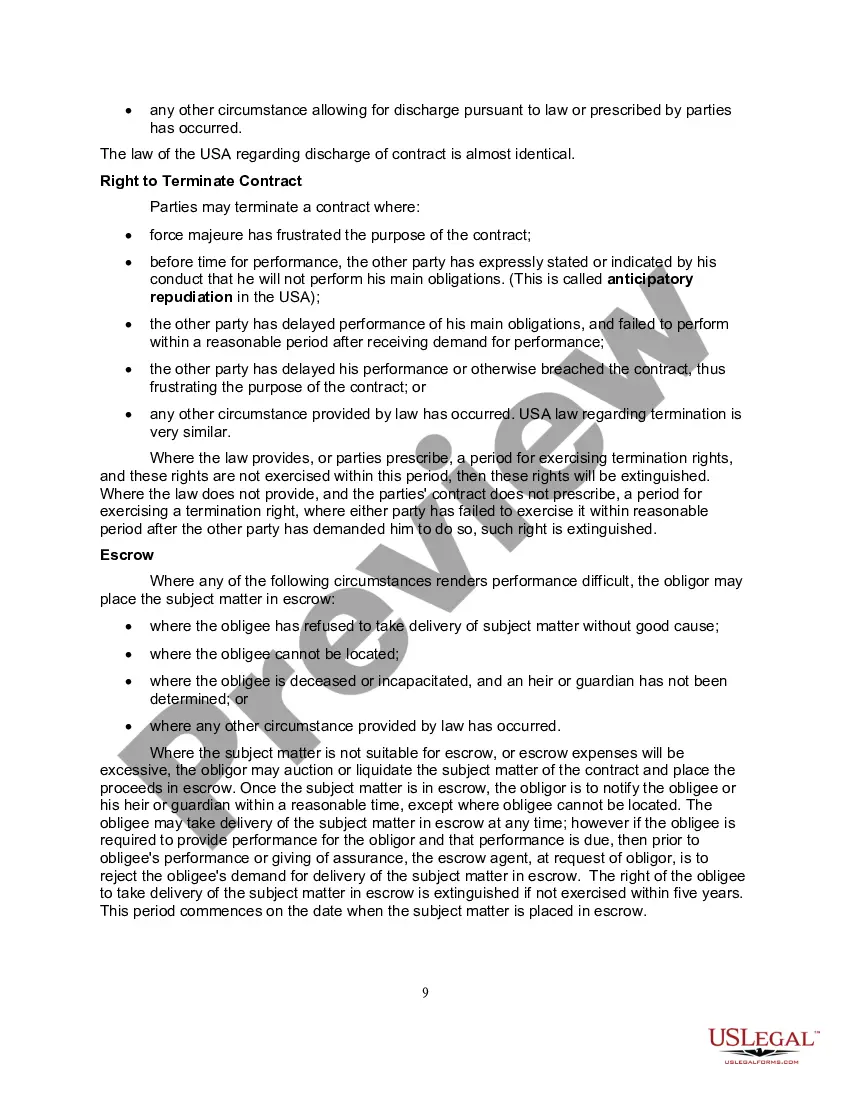
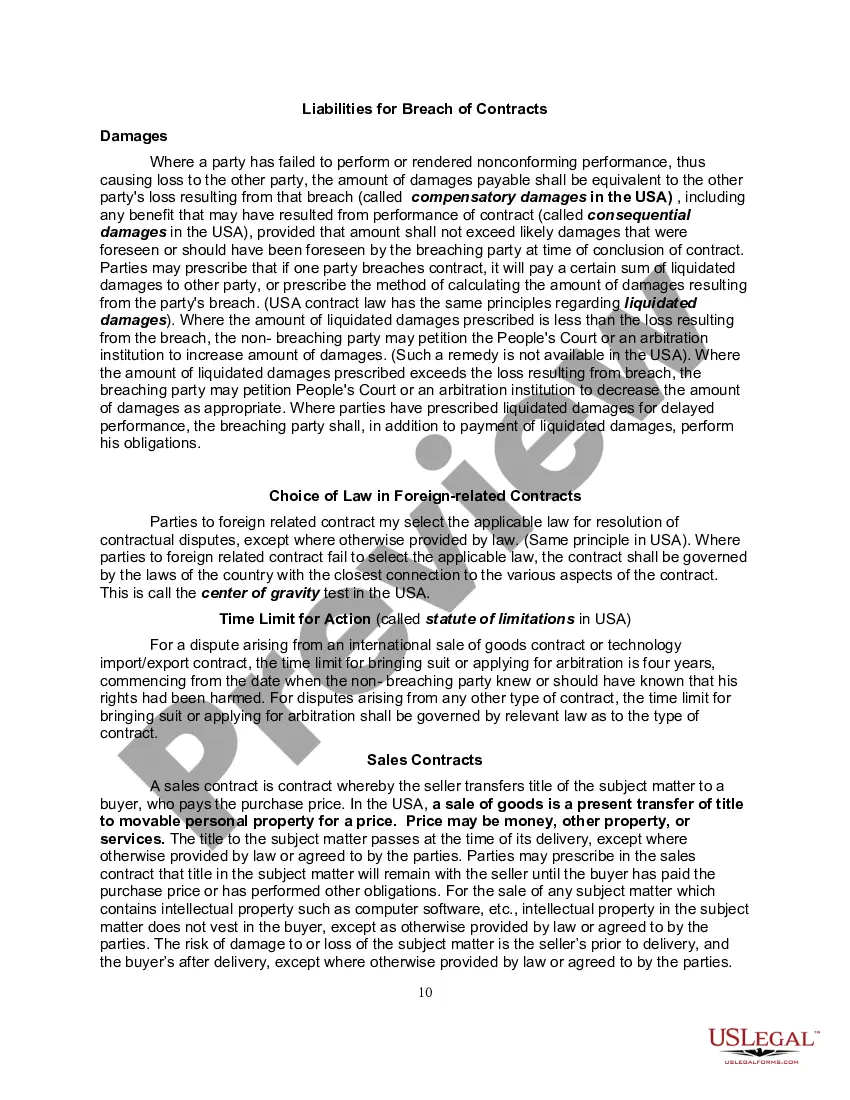


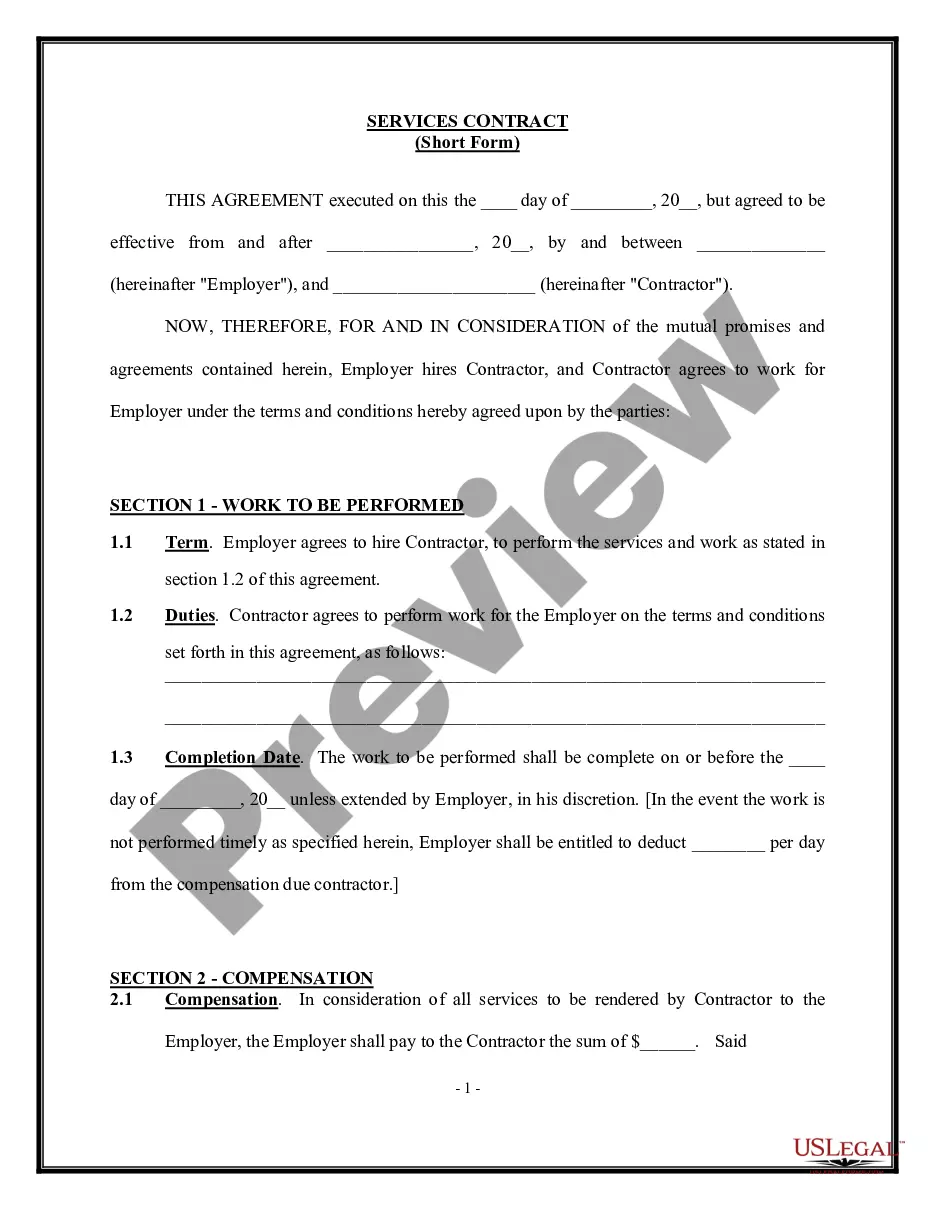
Get your form ready online
Our built-in tools help you complete, sign, share, and store your documents in one place.
Make edits, fill in missing information, and update formatting in US Legal Forms—just like you would in MS Word.
Download a copy, print it, send it by email, or mail it via USPS—whatever works best for your next step.
Sign and collect signatures with our SignNow integration. Send to multiple recipients, set reminders, and more. Go Premium to unlock E-Sign.
If this form requires notarization, complete it online through a secure video call—no need to meet a notary in person or wait for an appointment.
We protect your documents and personal data by following strict security and privacy standards.

Make edits, fill in missing information, and update formatting in US Legal Forms—just like you would in MS Word.

Download a copy, print it, send it by email, or mail it via USPS—whatever works best for your next step.

Sign and collect signatures with our SignNow integration. Send to multiple recipients, set reminders, and more. Go Premium to unlock E-Sign.

If this form requires notarization, complete it online through a secure video call—no need to meet a notary in person or wait for an appointment.

We protect your documents and personal data by following strict security and privacy standards.
Looking for another form?








Form popularity
FAQ
The United Nations Convention on Contracts for the International Sale of Goods (CISG) entered into force on January 1, 1988 for the 11 contracting parties, including the United States. The United Nations Commission on International Trade Law (UNCITRAL) drafted the CISG.
Pursuant to the CISG, so long as the parties to an international sale of goods contract are located in different countries and both countries have signed the CISG, the CISG is to be applied as the governing law of the contract unless the contract expressly excludes it.
Mutuality of Obligation: Conditions for All Signees Mutuality of obligation means that both parties to the contract are bound by its terms. Mutuality is not present if one party is obligated to perform, but the other party is not. A contract will be found void if it lacks mutuality of obligation.
The Security Council can also adopt, under Chapter VII, measures to enforce its decisions regarding threats to international peace and security, breaches of the peace or acts of aggression. Such measures may include sanctions or authorizing the use of force.
English contract law is the body of law that regulates legally binding agreements in England and Wales.
With respect to international trade agreements, USTR identifies, monitors, enforces, and resolves the full range of international trade issues to ensure that American workers, farmers, ranchers, and businesses receive the maximum benefit under our international trade agreements.
The CISG governs international sales contracts if (1) both parties are located in Contracting States, or (2) private international law leads to the application of the law of a Contracting State (although, as permitted by the CISG (article 95), several Contracting States have declared that they are not bound by the ...
Regardless of whether the contract is verbal or written, it has to include: an offer. an acceptance. an intention to create a legal relationship. a consideration (usually monetary).
The foundation of any contract, verbal or written, is a valid offer and acceptance. A key part of this is that there must be sufficient information about the offer and its acceptance to allow a court to specifically determine what is being offered as well as what is being asked for in return.
In common law, there are 3 basic essentials to the creation of a contract: (i) agreement; (ii) contractual intention; and (iii) consideration. 3. The first requisite of a contract is that the parties should have reached agreement.