Contract Law With Examples In Los Angeles
Description

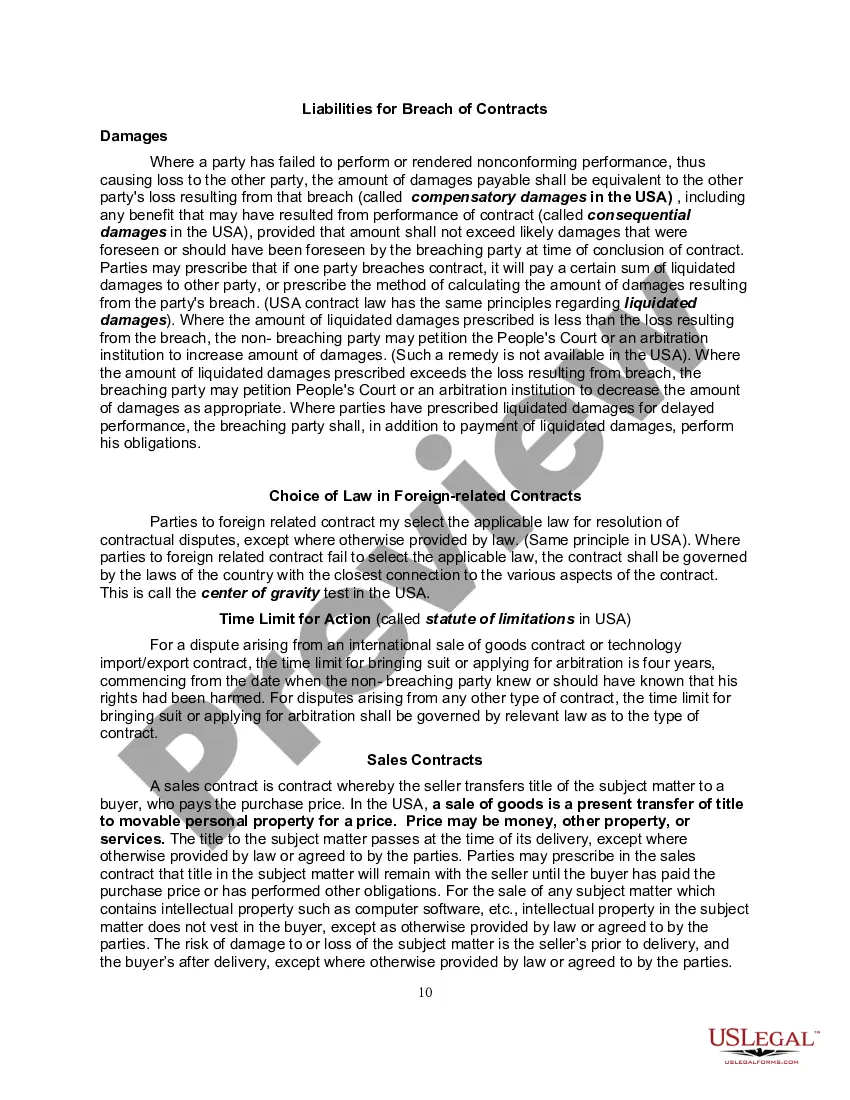


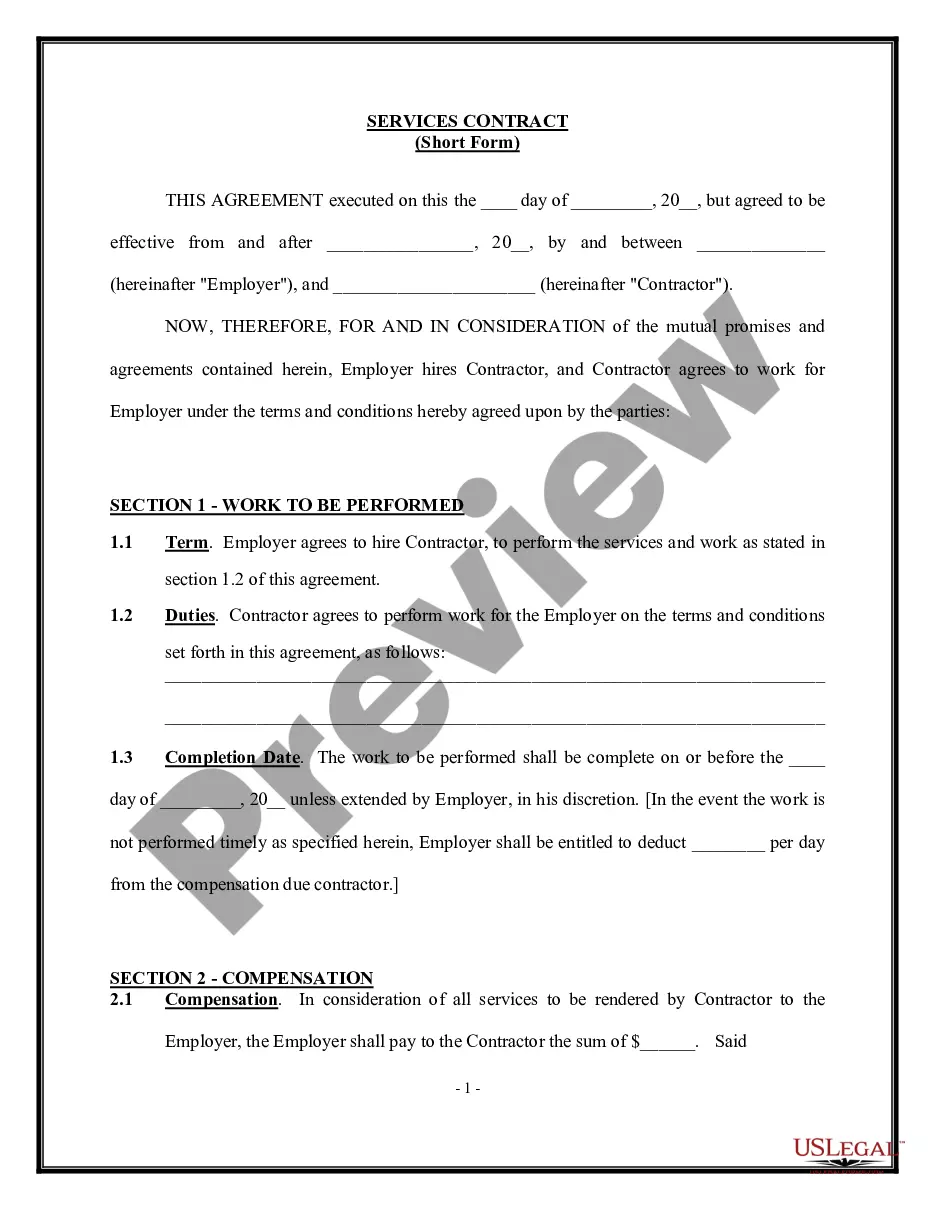
Get your form ready online
Our built-in tools help you complete, sign, share, and store your documents in one place.
Make edits, fill in missing information, and update formatting in US Legal Forms—just like you would in MS Word.
Download a copy, print it, send it by email, or mail it via USPS—whatever works best for your next step.
Sign and collect signatures with our SignNow integration. Send to multiple recipients, set reminders, and more. Go Premium to unlock E-Sign.
If this form requires notarization, complete it online through a secure video call—no need to meet a notary in person or wait for an appointment.
We protect your documents and personal data by following strict security and privacy standards.

Make edits, fill in missing information, and update formatting in US Legal Forms—just like you would in MS Word.

Download a copy, print it, send it by email, or mail it via USPS—whatever works best for your next step.

Sign and collect signatures with our SignNow integration. Send to multiple recipients, set reminders, and more. Go Premium to unlock E-Sign.

If this form requires notarization, complete it online through a secure video call—no need to meet a notary in person or wait for an appointment.

We protect your documents and personal data by following strict security and privacy standards.
Looking for another form?


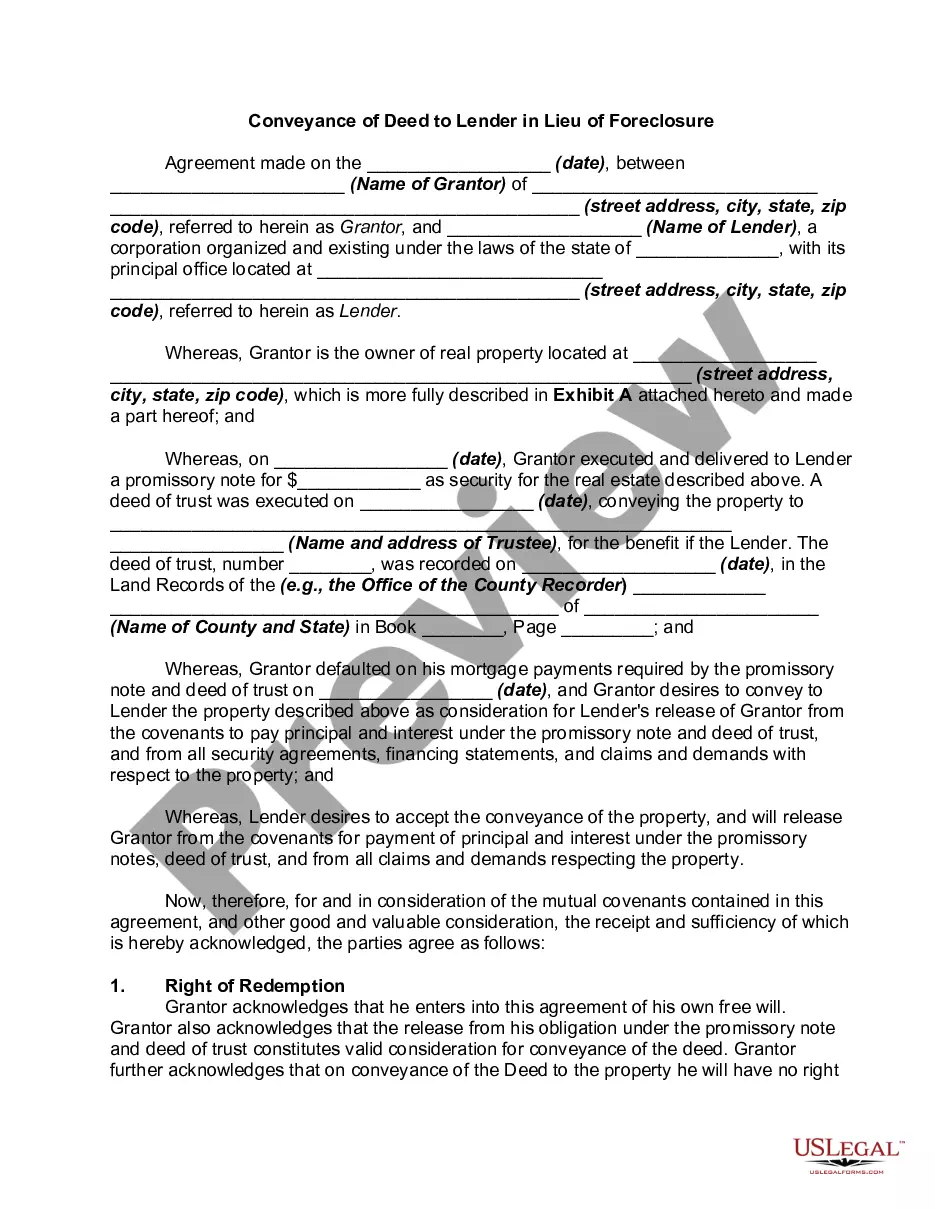
Form popularity
FAQ
As a plaintiff, you always need a Summons, a Complaint, and at least one cause of action. You must use the Summons (form SUM-100) and a Civil Case Cover Sheet (form CM-010) You can use Complaint—Contract (form PLD-C-001) or create your own.
What evidence do you need to make a breach of contract claim? There is a legally binding contract. The other party has failed to perform their duties under the contract. You have suffered loss as a result of the breach. The breach occurred within the last 6 years. Collating and preserving evidence. Reserving your rights.
You may be sure you have an air-tight case, and you may be right, but a winning breach of contract lawsuit has four factors. Factor #1: A Well Written Contract. Factor #2: A Clear and Obvious Breach. Factor #3: Substantial and Identifiable Damages. Factor #4: A Defendant with Deep Pockets.
Write the contract in six steps Start with a contract template. Open with the basic information. Describe in detail what you have agreed to. Include a description of how the contract will be ended. Write into the contract which laws apply and how disputes will be resolved. Include space for signatures.
Once the plaintiff proves that a valid contract existed, they must show that they upheld their part. After that, the plaintiff must show that the defendant did not fulfill their obligations. And finally there must be evidence of actual damages that the plaintiff suffered as a result.
Once the plaintiff proves that a valid contract existed, they must show that they upheld their part. After that, the plaintiff must show that the defendant did not fulfill their obligations. And finally there must be evidence of actual damages that the plaintiff suffered as a result.
For example, in an employment discrimination case, the plaintiff needs to prove discriminatory behavior. On the other hand, in a breach of contract claim, the plaintiff must prove that there was a valid contract, which the defendant failed to comply with.
A contract is an agreement giving rise to obligations which are enforced or recognised by law. 2. In common law, there are 3 basic essentials to the creation of a contract: (i) agreement; (ii) contractual intention; and (iii) consideration.
For a contract to be valid and enforceable in California, all parties must enter into the agreement voluntarily. If one of the contracting parties can prove that they entered into the contract under duress, coercion, or undue influence, the court may cancel or revoke the contract.
Some of the most common contract examples include: Rental agreements. Leases. Promissory notes.
