Contract Law Force Majeure In King
Description


Get your form ready online
Our built-in tools help you complete, sign, share, and store your documents in one place.
Make edits, fill in missing information, and update formatting in US Legal Forms—just like you would in MS Word.
Download a copy, print it, send it by email, or mail it via USPS—whatever works best for your next step.
Sign and collect signatures with our SignNow integration. Send to multiple recipients, set reminders, and more. Go Premium to unlock E-Sign.
If this form requires notarization, complete it online through a secure video call—no need to meet a notary in person or wait for an appointment.
We protect your documents and personal data by following strict security and privacy standards.

Make edits, fill in missing information, and update formatting in US Legal Forms—just like you would in MS Word.

Download a copy, print it, send it by email, or mail it via USPS—whatever works best for your next step.

Sign and collect signatures with our SignNow integration. Send to multiple recipients, set reminders, and more. Go Premium to unlock E-Sign.

If this form requires notarization, complete it online through a secure video call—no need to meet a notary in person or wait for an appointment.

We protect your documents and personal data by following strict security and privacy standards.
Looking for another form?







Form popularity
FAQ
How to apply for force majeure leave. You must tell your employer as soon as possible that you need to take force majeure leave. As soon as you return to work, you must make your application in writing to your employer.
Force majeure clause samples 10.2 The Party affected by Force Majeure shall not assume any liability under this Agreement. Section 15.12 Force Majeure. 6.4 If the agreement cannot be performed due to force majeure, the responsibility shall be exempted in part or in whole ing to the influence of force majeure.
The concept of force majeure refers to abnormal circumstances, outside the control of an operator, the consequences of which could not have been avoided in spite of the exercise of all due care.
Clause 19.1 defines a force majeure event as one: which is beyond a Party's control, which such Party could not reasonably have provided against before entering into the Contract, which, having arisen, such Party could not reasonably have avoided or overcome, and.
For example, if ABC Corp. agrees to deliver goods to a buyer on a specific date, but a natural disaster such as a hurricane destroys its factory, ABC Corp. would likely be excused from performance due to impracticability.
One of the key aspects of negotiating force majeure clauses is to define the terms and conditions that will trigger and govern the application of the clause. You should be clear and specific about what constitutes a force majeure event, and avoid vague or broad terms that may create ambiguity or disputes.
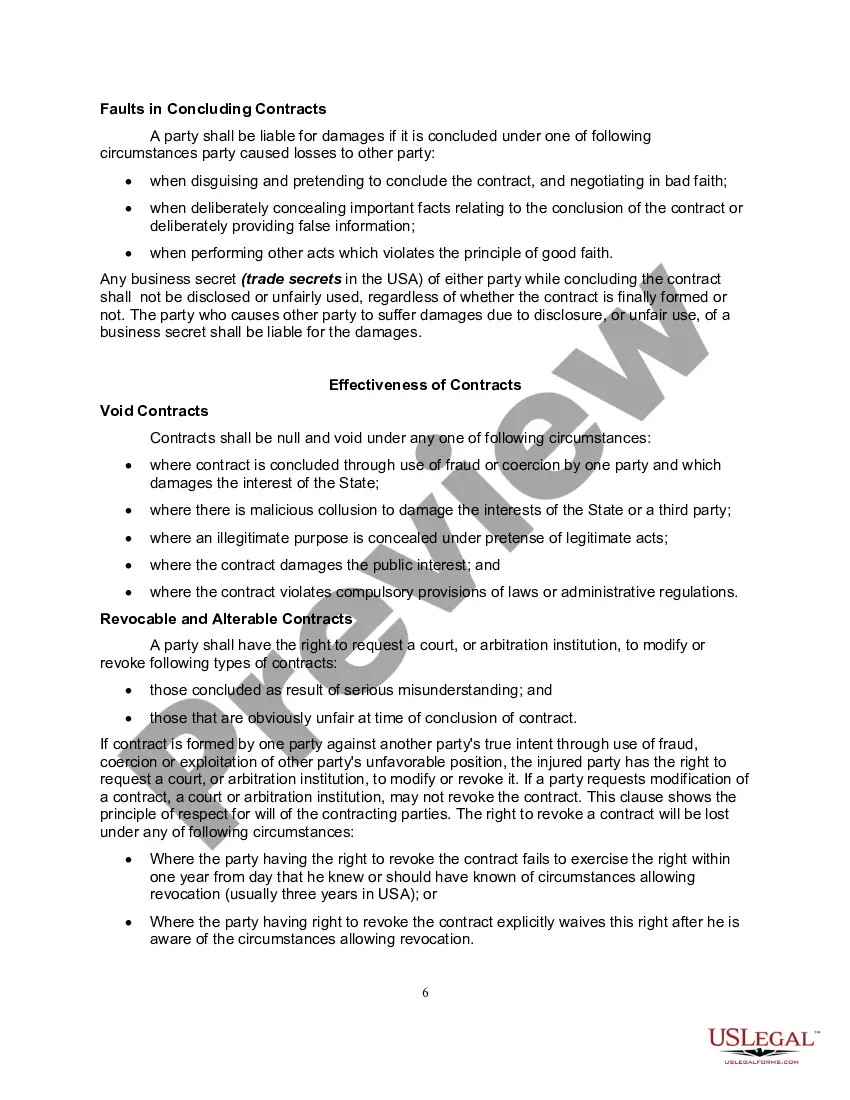
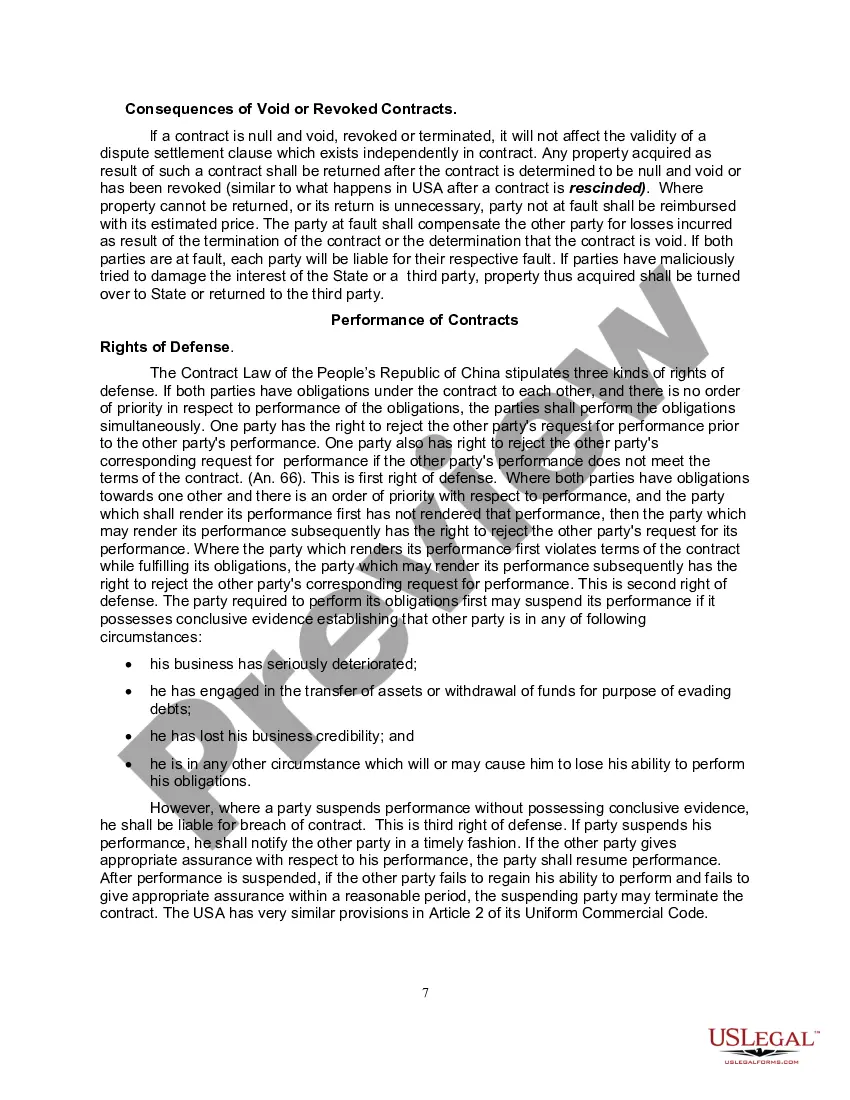
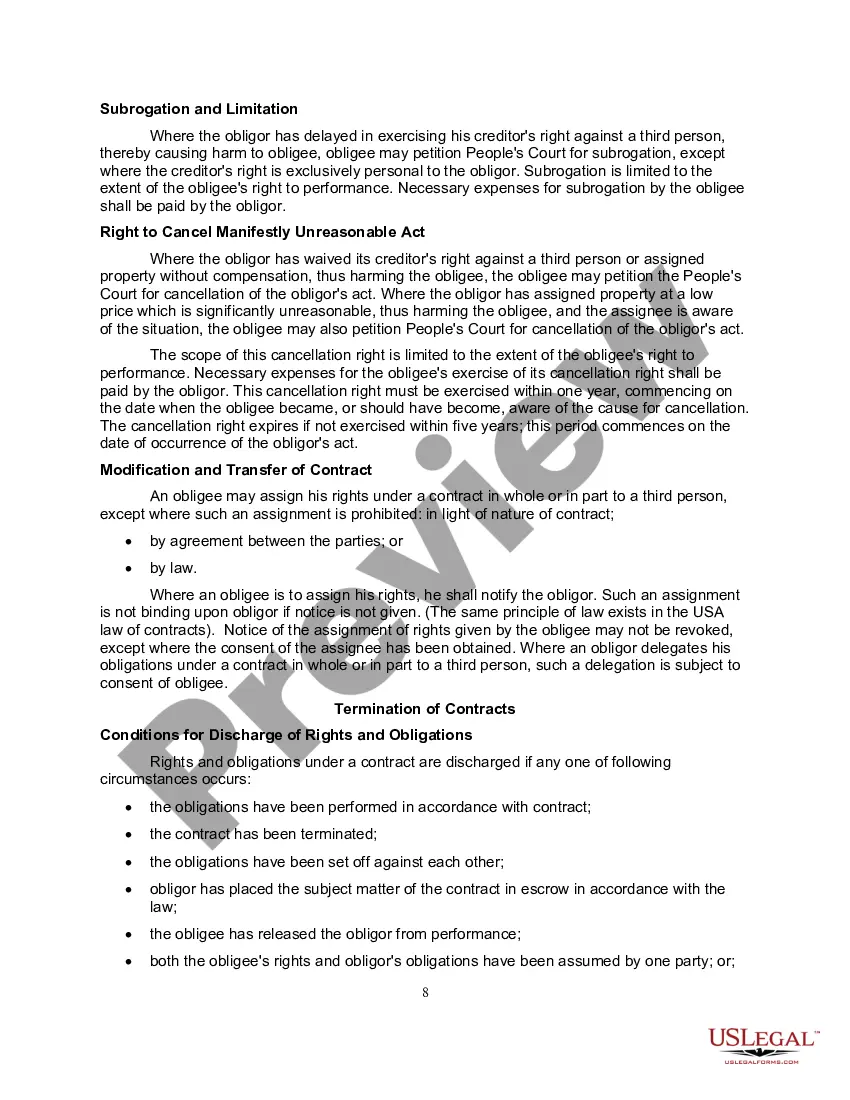
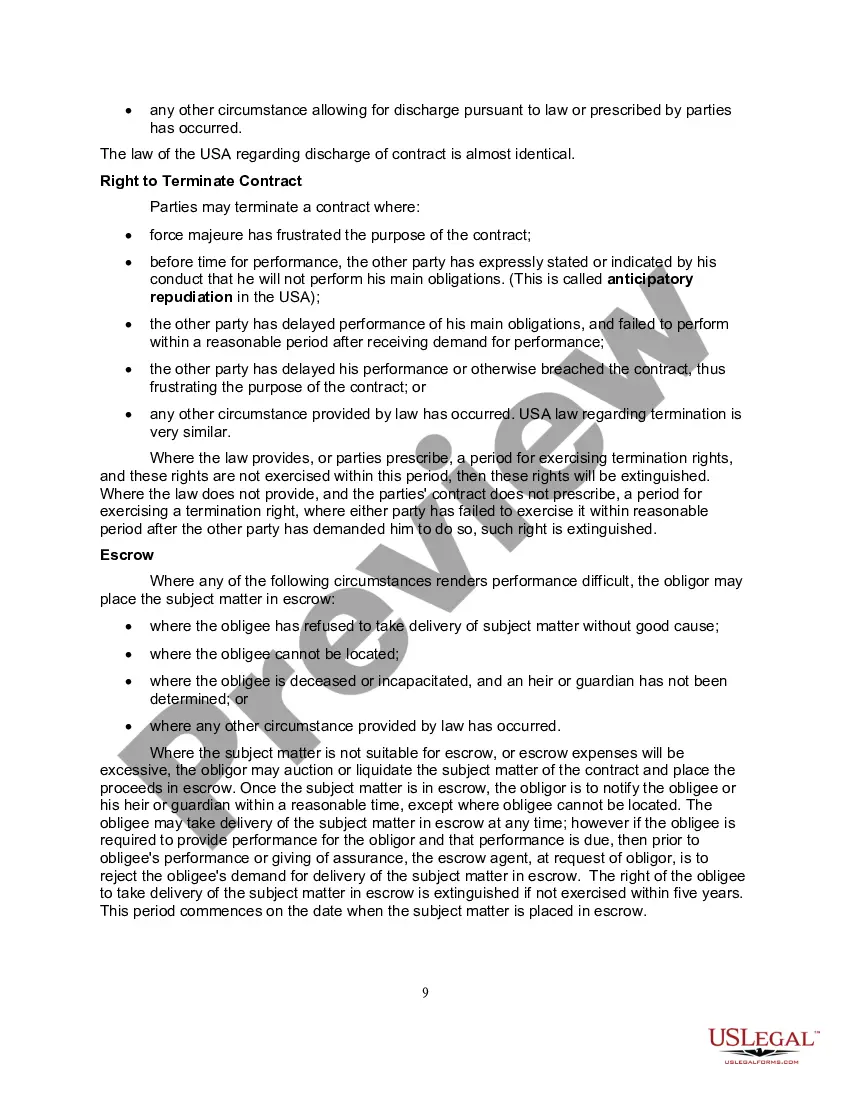
A "force majeure" clause (French for "superior force") is a contract provision that relieves the parties from performing their contractual obligations when certain circumstances beyond their control arise, making performance inadvisable, commercially impracticable, illegal, or impossible.
In contract law, force majeure (/ˌfɔːrs məˈʒɜːr/ FORSS mə-ZHUR; French: fɔʁs maʒœʁ) is a common clause in contracts which essentially frees both parties from liability or obligation when an extraordinary event or circumstance beyond the control of the parties, such as a war, strike, riot, crime, epidemic, or sudden ...
A Standard Clause that allows the contract parties to allocate the risk of certain force majeure events such as acts of God, hurricanes, earthquakes and other natural disasters, epidemics, terrorism, government acts, embargoes, labor strikes and lock-outs, and other events beyond the control of the parties.
A typical force majeure clause reads something along the lines of: Neither party shall be in breach of this agreement or otherwise liable for any failure to fulfill its obligations if such failure results from events, circumstances or causes beyond its reasonable control.
