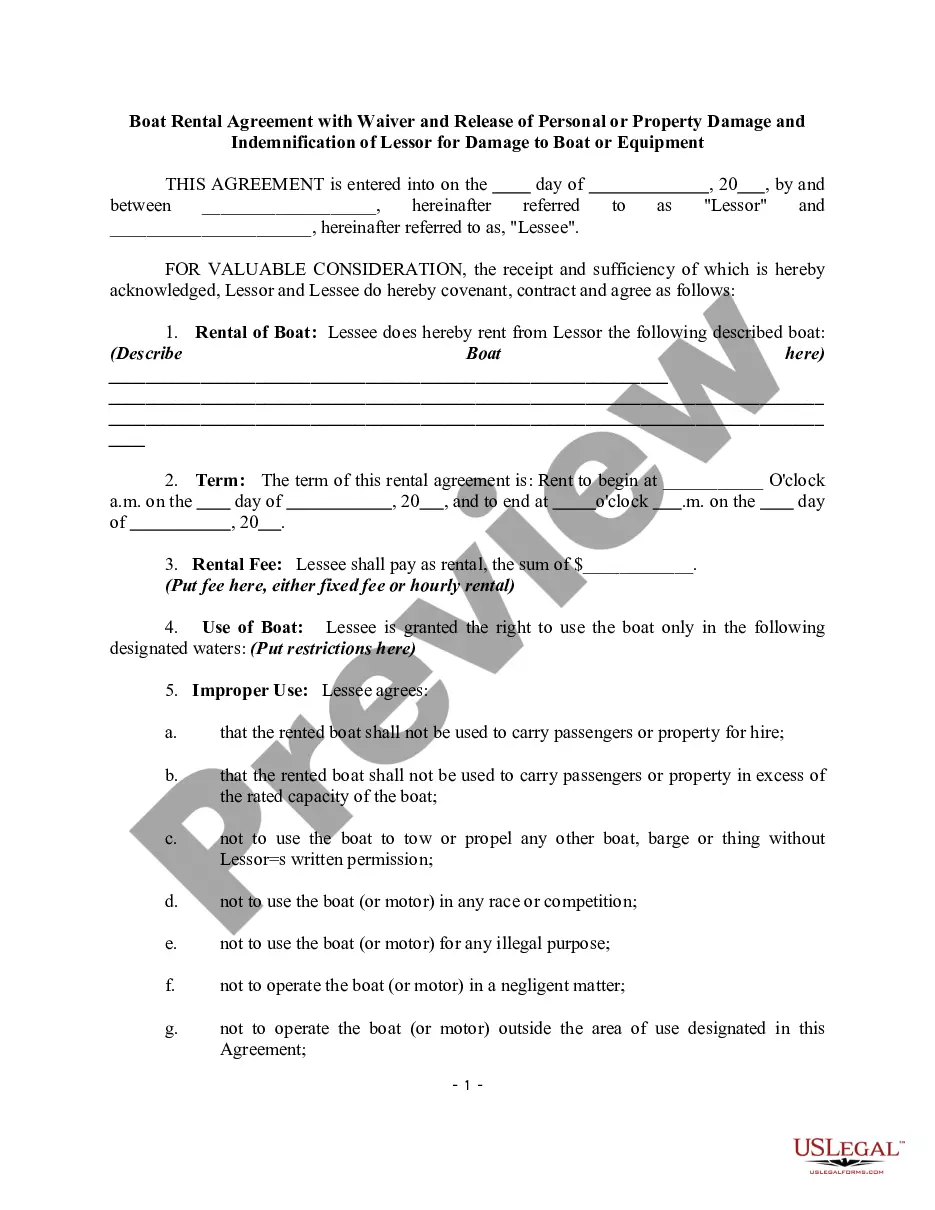
Contract Law For Small Business In Franklin
Description

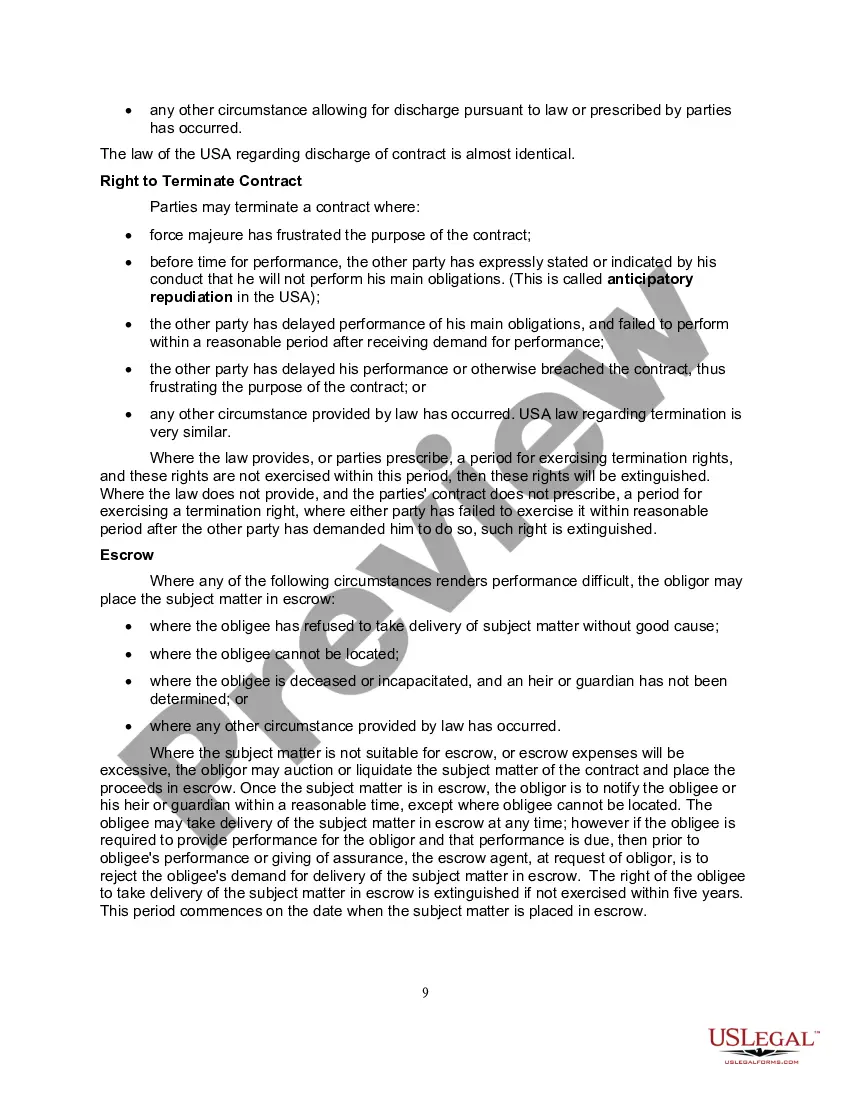
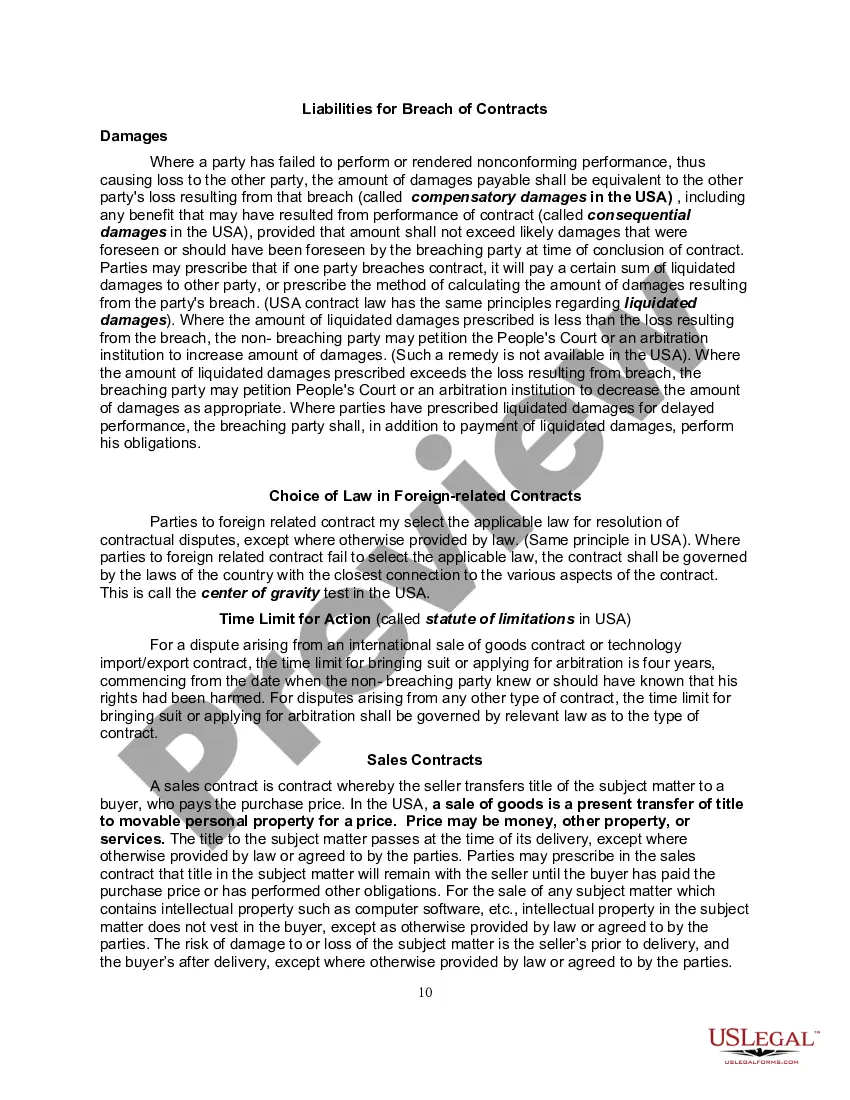


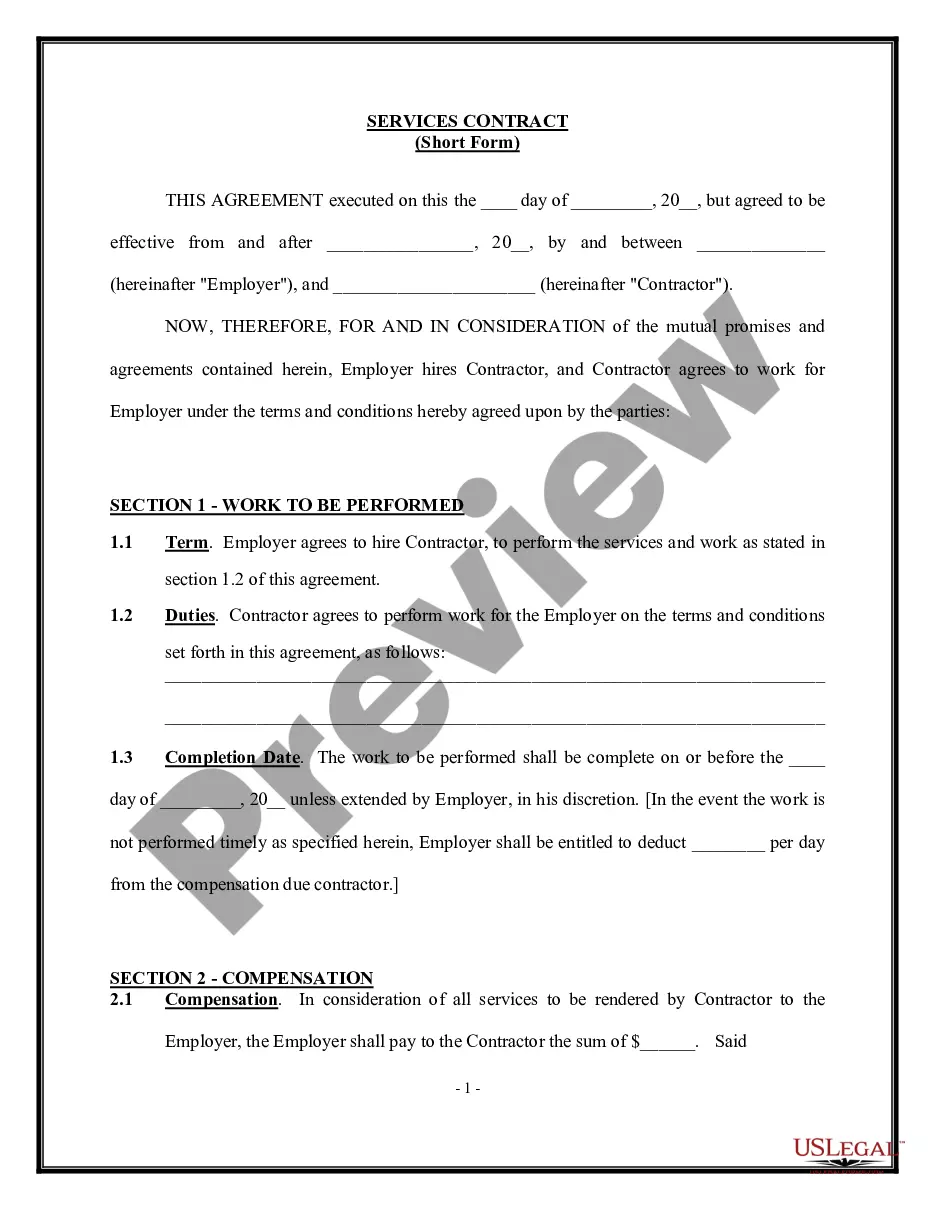
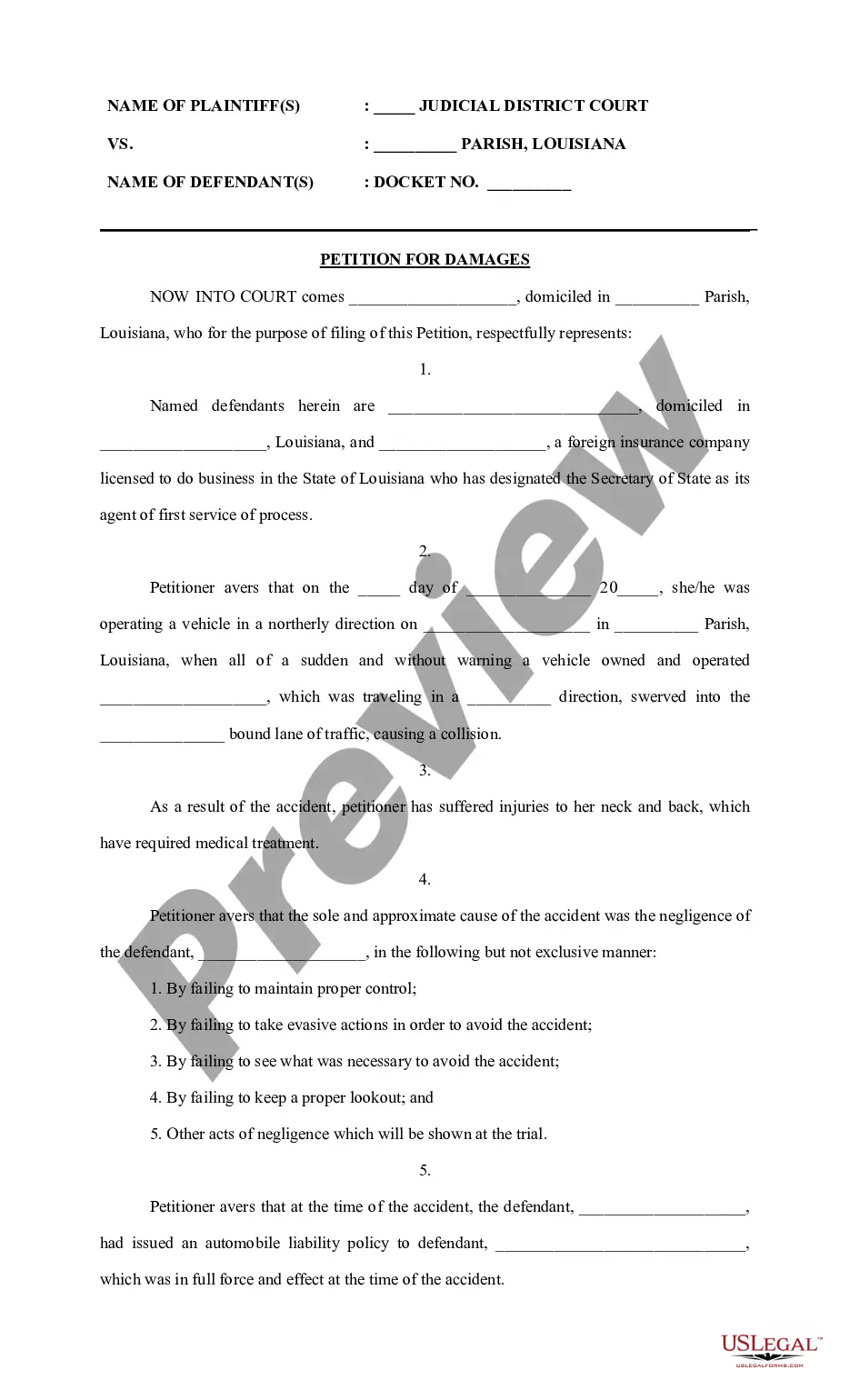
Get your form ready online
Our built-in tools help you complete, sign, share, and store your documents in one place.
Make edits, fill in missing information, and update formatting in US Legal Forms—just like you would in MS Word.
Download a copy, print it, send it by email, or mail it via USPS—whatever works best for your next step.
Sign and collect signatures with our SignNow integration. Send to multiple recipients, set reminders, and more. Go Premium to unlock E-Sign.
If this form requires notarization, complete it online through a secure video call—no need to meet a notary in person or wait for an appointment.
We protect your documents and personal data by following strict security and privacy standards.

Make edits, fill in missing information, and update formatting in US Legal Forms—just like you would in MS Word.

Download a copy, print it, send it by email, or mail it via USPS—whatever works best for your next step.

Sign and collect signatures with our SignNow integration. Send to multiple recipients, set reminders, and more. Go Premium to unlock E-Sign.

If this form requires notarization, complete it online through a secure video call—no need to meet a notary in person or wait for an appointment.

We protect your documents and personal data by following strict security and privacy standards.
Looking for another form?




Form popularity
FAQ
Here's how to start drafting yours: Step 1: Outline the basics. Step 2: Define the key terms and scope of work. Step 3: Set payment terms. Step 4: Include protective clauses. Step 5: Negotiate. Step 6: Get a contract review. Step 7: Sign and date.
To draft a contract from scratch, start by identifying the parties involved and clearly outlining the agreement. Include consideration (what is exchanged), define the terms and conditions, ensure all parties are legally competent, and finalise it with signatures. These essential elements make the contract enforceable.
For a contract to be valid and recognized by the common law, it must include certain elements-- offer, acceptance, consideration, intention to create legal relations, authority and capacity, and certainty. Without these elements, a contract is not legally binding and may not be enforced by the courts.
For a contract to be valid and recognized by the common law, it must include certain elements-- offer, acceptance, consideration, intention to create legal relations, authority and capacity, and certainty. Without these elements, a contract is not legally binding and may not be enforced by the courts.
What are the essential elements of a contract? There are seven essential elements an agreement must have to be considered a valid contract. The elements of a contract include identification, offer, acceptance, consideration, meeting of the minds, competency and capacity, and contract legality.
Contract Law Basics An offer by one party for goods or services. An acceptance of the offer by the other party. Consideration for the offer. There must be a "bargained-for" exchange of value to benefit both parties from the contract.
HOW TO WRITE A BUSINESS CONTRACT USE PLAIN LANGUAGE. The clearer and simpler your business contracts are, the better. IDENTIFY THE 5 W'S. Include all of the relevant details in your contract. INCLUDE PAYMENT INFORMATION. DESCRIBE TERMINATION PROCEDURES. INCLUDE DISPUTE RESOLUTION.
Write the contract in six steps Start with a contract template. Open with the basic information. Describe in detail what you have agreed to. Include a description of how the contract will be ended. Write into the contract which laws apply and how disputes will be resolved. Include space for signatures.
Contract may be formed when two or more parties each promise to perform or to refrain from performing some act now or in the future. A party who does not fulfill his or her promise may be subject to sanctions, including damages or, under some circumstances, being required to perform the promise.
The seven essential elements of a contract are: Offer. Acceptance. Consideration. Legally competent parties. Meeting of the minds. Terms of the contract. Legality of purpose.