Contract Law In Australia In Fairfax
Description

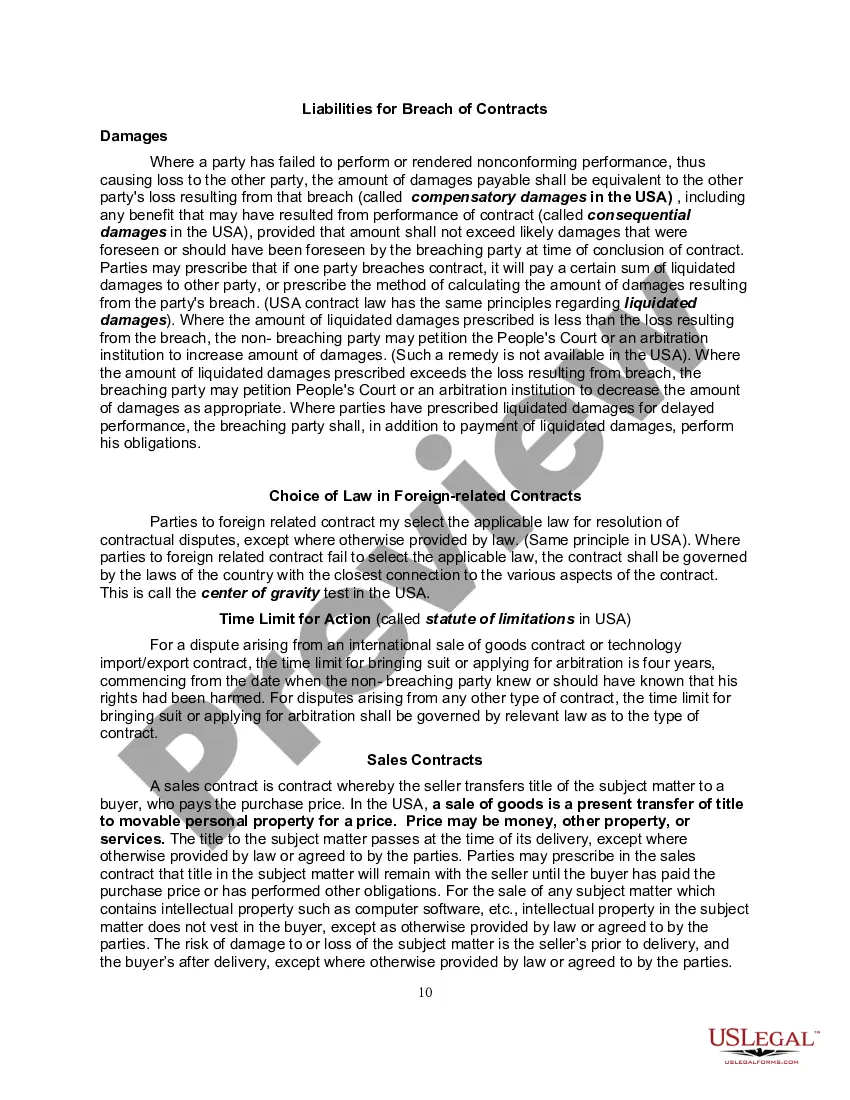


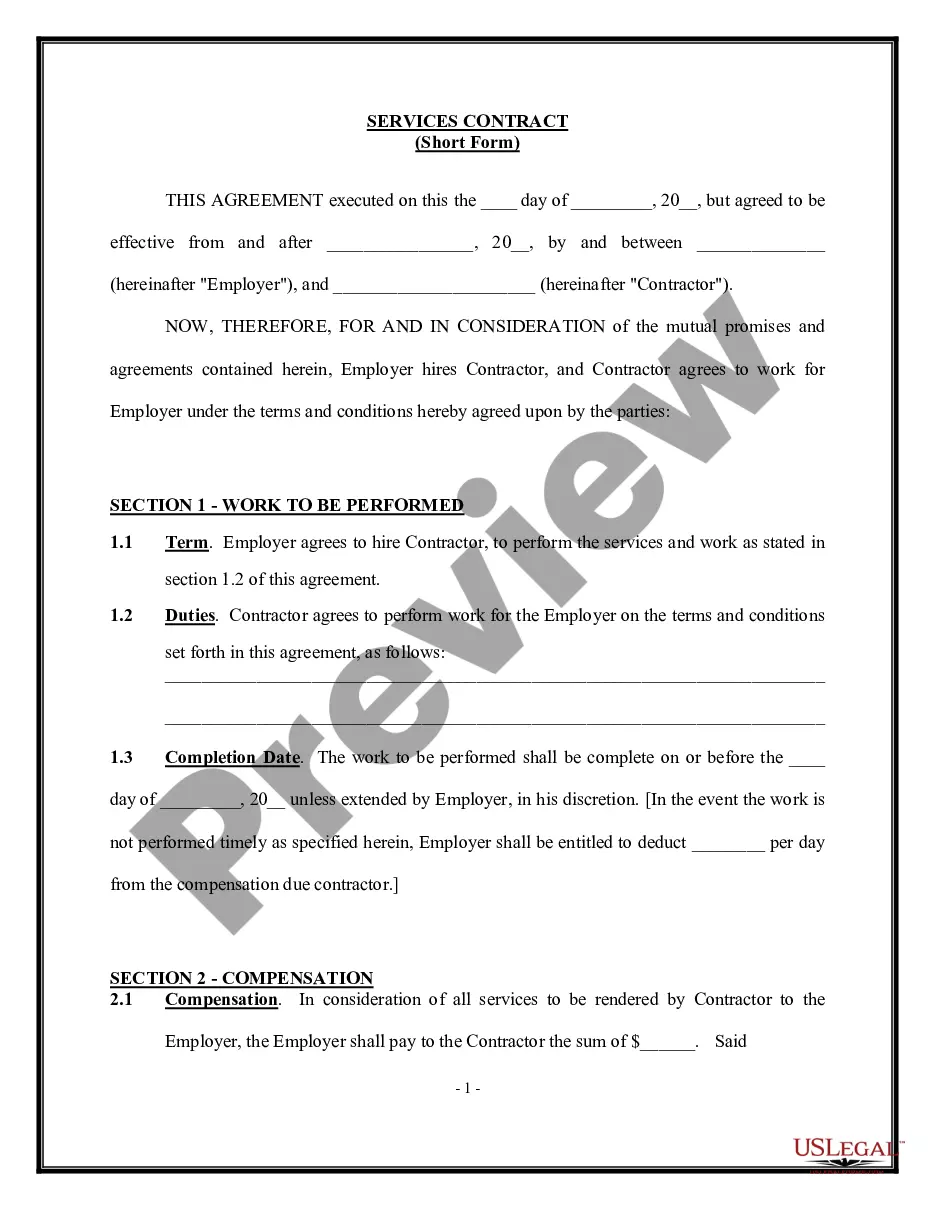
Get your form ready online
Our built-in tools help you complete, sign, share, and store your documents in one place.
Make edits, fill in missing information, and update formatting in US Legal Forms—just like you would in MS Word.
Download a copy, print it, send it by email, or mail it via USPS—whatever works best for your next step.
Sign and collect signatures with our SignNow integration. Send to multiple recipients, set reminders, and more. Go Premium to unlock E-Sign.
If this form requires notarization, complete it online through a secure video call—no need to meet a notary in person or wait for an appointment.
We protect your documents and personal data by following strict security and privacy standards.

Make edits, fill in missing information, and update formatting in US Legal Forms—just like you would in MS Word.

Download a copy, print it, send it by email, or mail it via USPS—whatever works best for your next step.

Sign and collect signatures with our SignNow integration. Send to multiple recipients, set reminders, and more. Go Premium to unlock E-Sign.

If this form requires notarization, complete it online through a secure video call—no need to meet a notary in person or wait for an appointment.

We protect your documents and personal data by following strict security and privacy standards.
Looking for another form?




Form popularity
FAQ
First, one must prove that you and the party entered into a contract. Secondly, it is important to prove that your ends of the contract were either fulfilled or waived. If you have an unfulfilled obligation, problems may arise.
The relevant criteria are: There is a legally binding contract. The other party has failed to perform their duties under the contract. You have suffered loss as a result of the breach. The breach occurred within the last 6 years. Collating and preserving evidence. Reserving your rights. Taking legal advice.
The 4 Elements Of A Successful Breach Of Contract Claim In... Existence Of A Valid Contract Between The Parties. You Performed Your Part Of The Contract. The Defendant Failed To Perform Their Contract Obligations. You Suffered Damages Or Loss.
Although you don't have to hire a lawyer, you should. Entering into a legally binding agreement isn't something you should take lightly. Signing a document without fully comprehending the terms or your rights is dangerous. It can lead to significant unintended consequences and time-consuming legal battles.
Australian contract law is based on the English common law, rather than on any codified or statute law. The basic principle of Australian contract law is freedom of contract, under which parties are at liberty to strike whatever bargain they choose.
In Australian law, to prove a breach of contract, one typically needs to establish that: A valid, binding contract existed. The claiming party fulfilled their obligations. The alleged party failed to fulfill their contractual obligations (breach).
In order for a contract to be valid, there must be a meeting of the minds on all of the essential elements of the contract, including the offer, acceptance, consideration, capacity, and legality. If there is no meeting of the minds on any of these elements, the contract may be void or unenforceable.
Elements of common law contracts That the offer was accepted; That there was consideration given (most commonly a monetary amount); There was an intention to be bound by contract; The parties agree on the same thing – mutuality; The parties were legally capable of reaching an agreement – capacity; and.
The most amicable way to exit a contract is to have a frank and honest conversation with the parties involved. This is an opportunity to share why one cannot proceed with the contract in the first place. As long as both parties can come to a suitable agreement, then the agreement can be changed or terminated.
Key Contract Law Legislation Act No. 51 of 1974 as amended. (ComLaw) Incorporating the Australian Consumer Law (in Schedule 2) - the Trade Practices Act 1974 was re-named the Competition and Consumer Act 2010 on 1 January 2011.
