Contract Law In Uk In Broward
Description

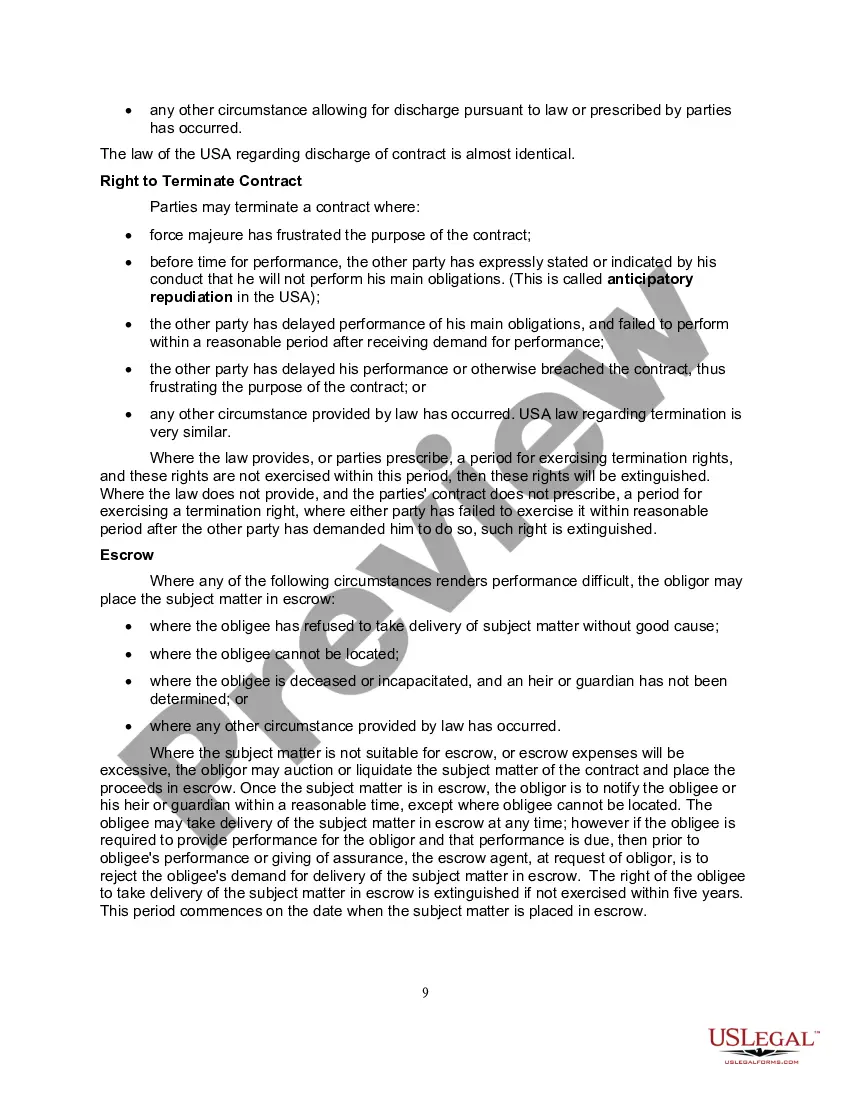
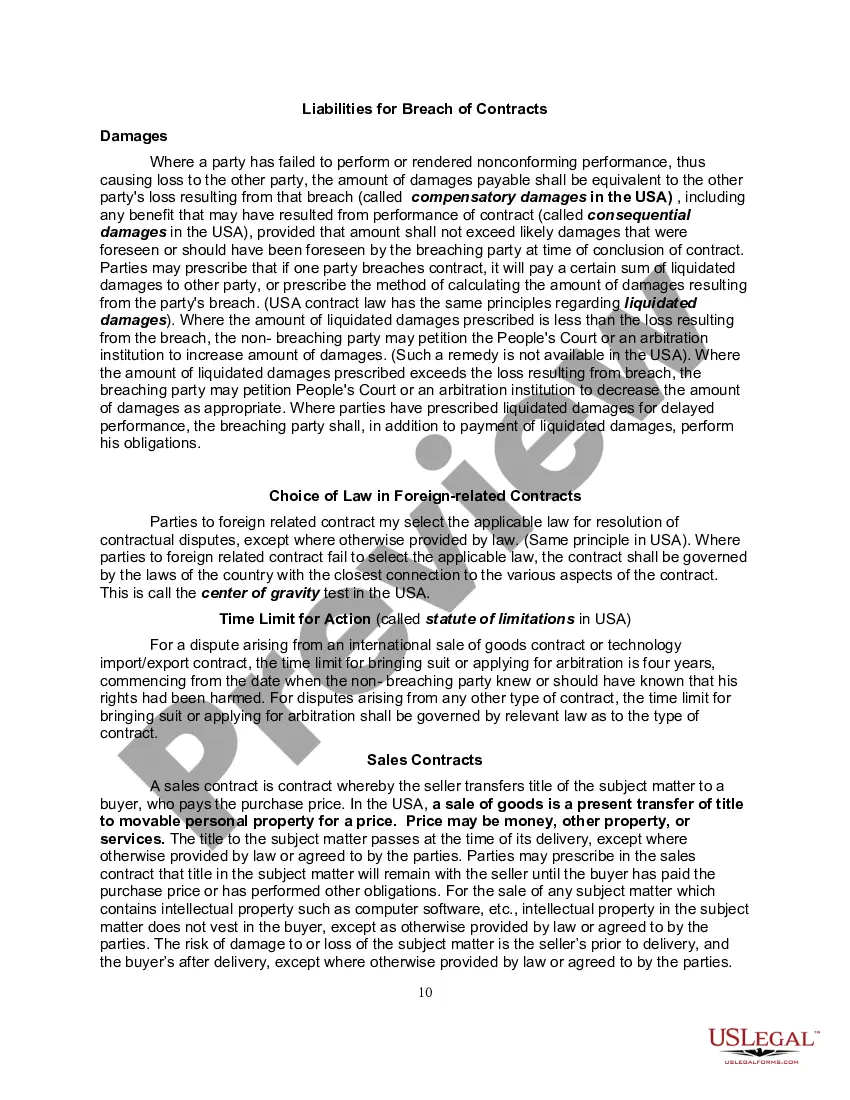


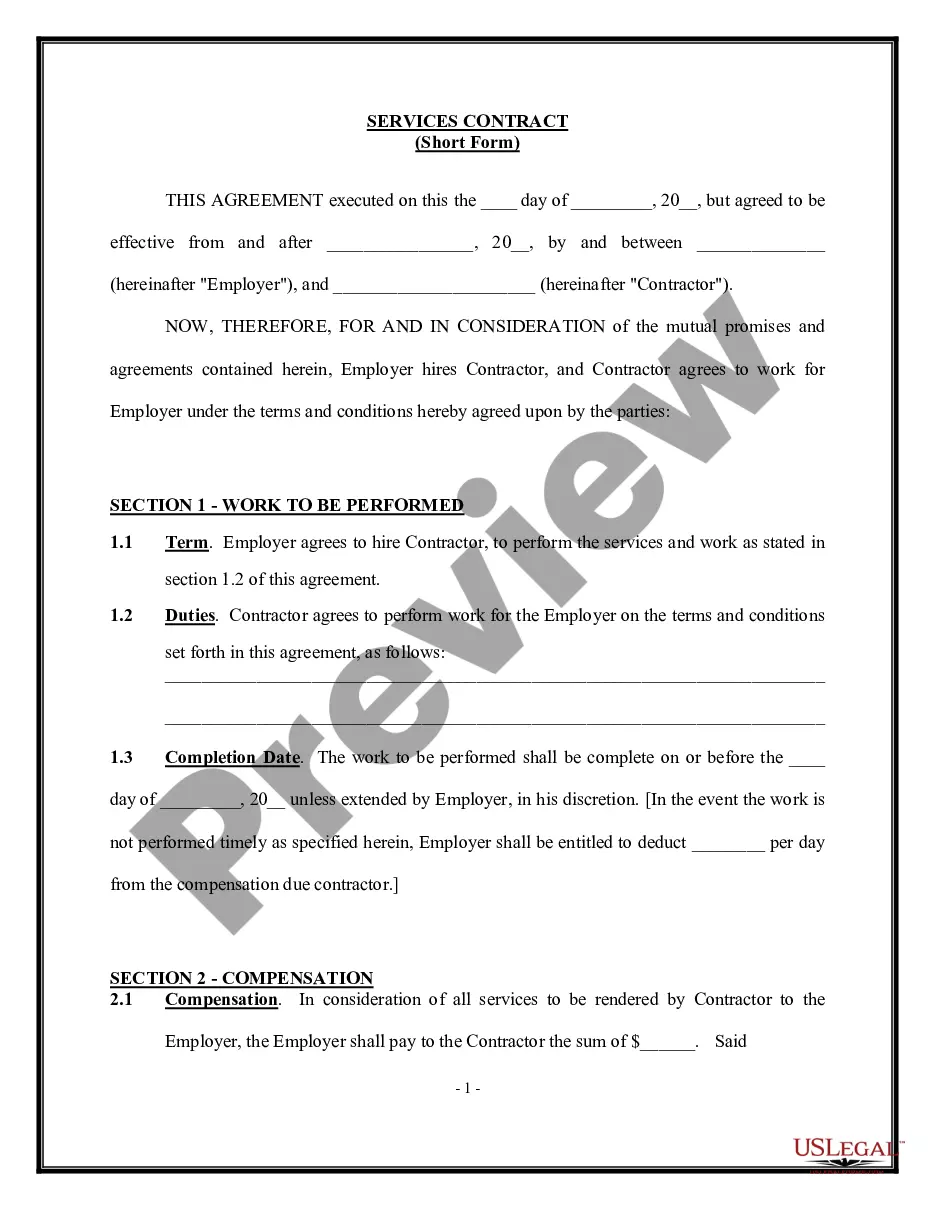
Get your form ready online
Our built-in tools help you complete, sign, share, and store your documents in one place.
Make edits, fill in missing information, and update formatting in US Legal Forms—just like you would in MS Word.
Download a copy, print it, send it by email, or mail it via USPS—whatever works best for your next step.
Sign and collect signatures with our SignNow integration. Send to multiple recipients, set reminders, and more. Go Premium to unlock E-Sign.
If this form requires notarization, complete it online through a secure video call—no need to meet a notary in person or wait for an appointment.
We protect your documents and personal data by following strict security and privacy standards.

Make edits, fill in missing information, and update formatting in US Legal Forms—just like you would in MS Word.

Download a copy, print it, send it by email, or mail it via USPS—whatever works best for your next step.

Sign and collect signatures with our SignNow integration. Send to multiple recipients, set reminders, and more. Go Premium to unlock E-Sign.

If this form requires notarization, complete it online through a secure video call—no need to meet a notary in person or wait for an appointment.

We protect your documents and personal data by following strict security and privacy standards.
Looking for another form?




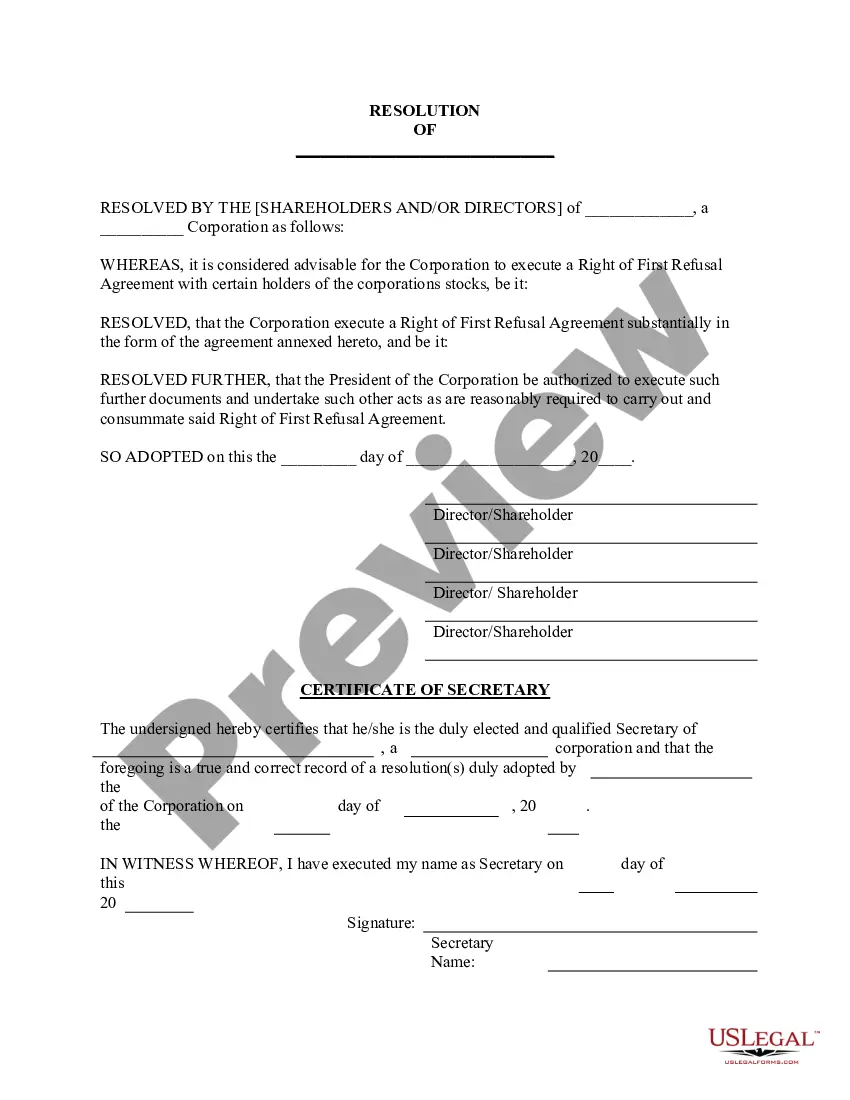



Form popularity
FAQ
The Florida Bar / Florida Supreme Court have not approved any standardized forms for unlawful detainers so you will have to hire an attorney. The first step in an unlawful detainer is to issue the occupant a notice to vacate. Then contact us to file the case in court.
In Broward County, Florida. Filing Small Claims. Have Defendant Served. Know the defendant's full name and address. Attend Pretrial. Conference. Court Enters Judgment. File Your Claim. Check Venue. 491 N State Road 7, Plantation, FL, 33317.
A small claims case is a legal action filed in county court to settle minor legal disputes where the dollar amount involved is $8,000 or less. This amount does not include filing costs, interest, and attorneys' fees.
Conclusion: Going to small claims court may be worth it for $500, but it will determine how you weigh your costs versus benefits. At a minimum, it is worth it to send a demand letter.
In Broward County, Florida. Filing Small Claims. Have Defendant Served. Know the defendant's full name and address. Attend Pretrial. Conference. Court Enters Judgment. File Your Claim. Check Venue. 491 N State Road 7, Plantation, FL, 33317.
How do I submit documents to be issued in Broward County? Summons, writs, subpoenas and other documents that are issued by the clerk should be E-Filed. Choose the appropriate Document Group type from the dropdown list and then choose the appropriate Document Type for that group.
First, to become a contract attorney, one must earn a bachelor's degree and graduate with good grades. It is recommended, but not required, to earn a degree in a legally-related field, such as criminal justice or political science. Before applying for law school, you must take the LSAT and get a good score.
From September 2021, lawyers from abroad and overseas students who wish to qualify in England and Wales can sit the Solicitors Qualifying Examination (SQE). The SQE allows you to qualify as a solicitor by taking the same exam as domestic candidates.
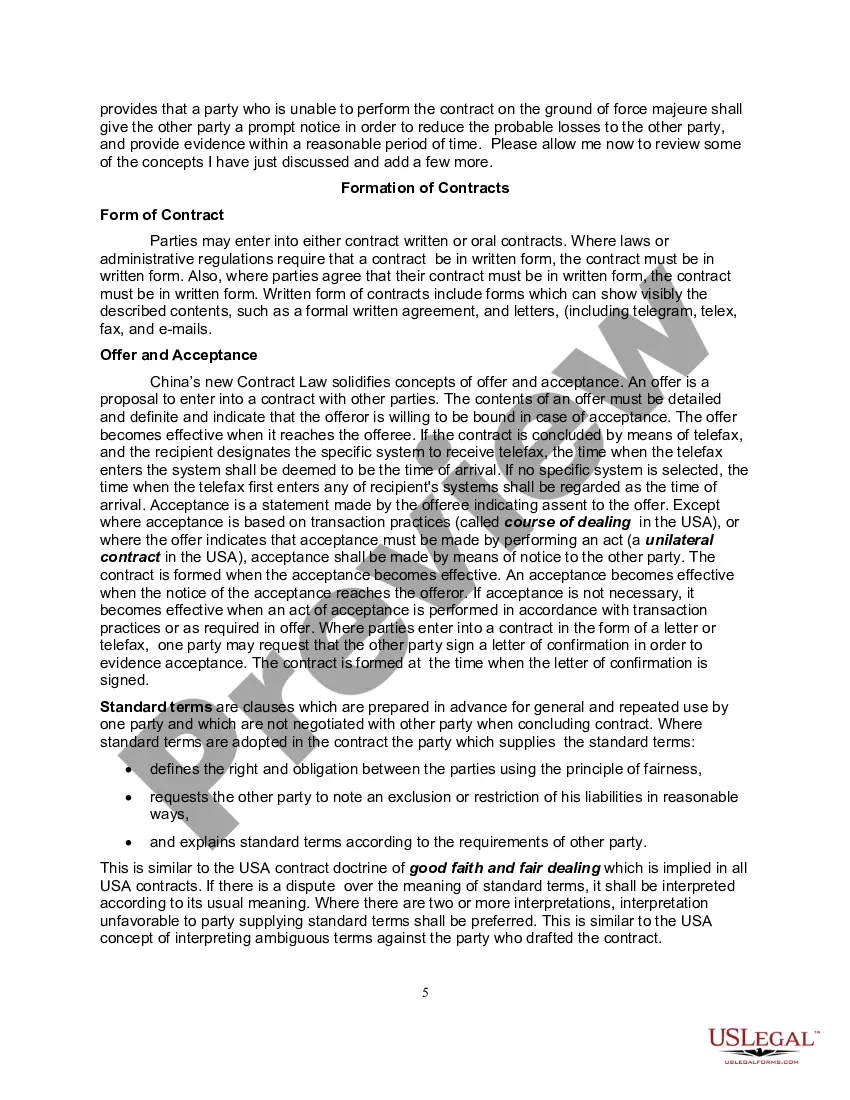
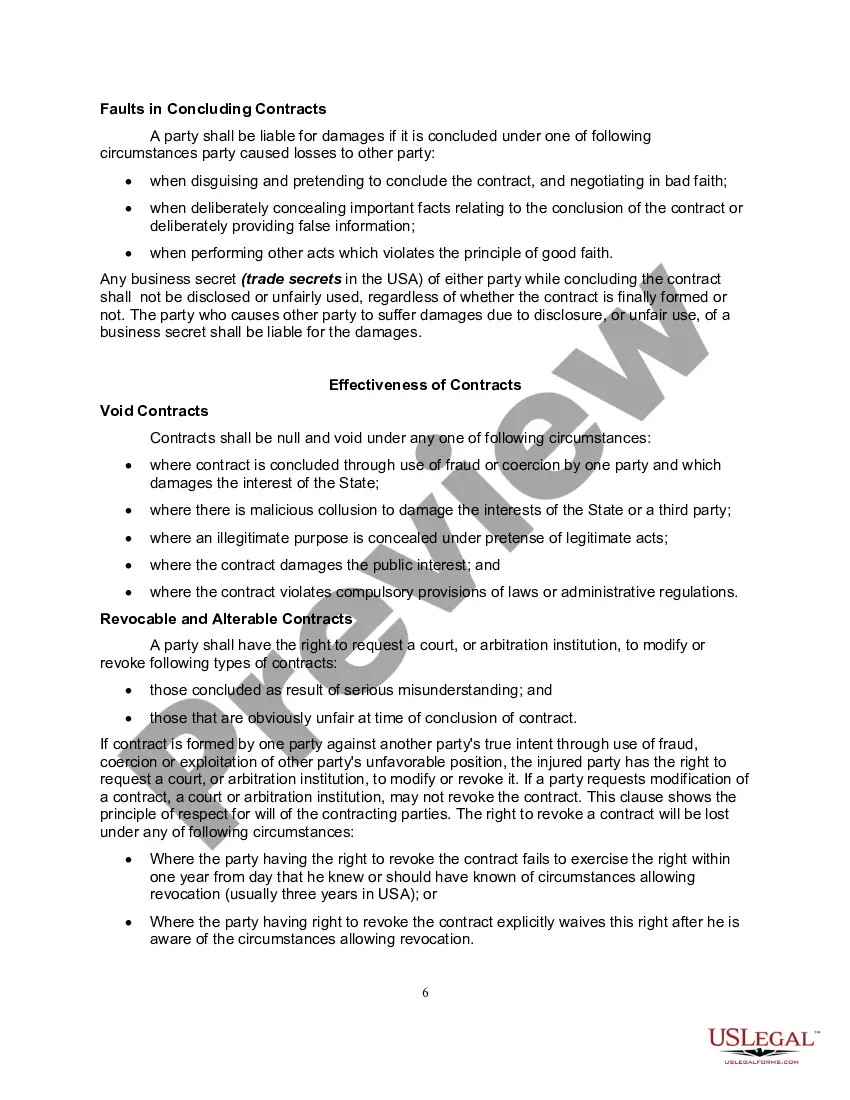
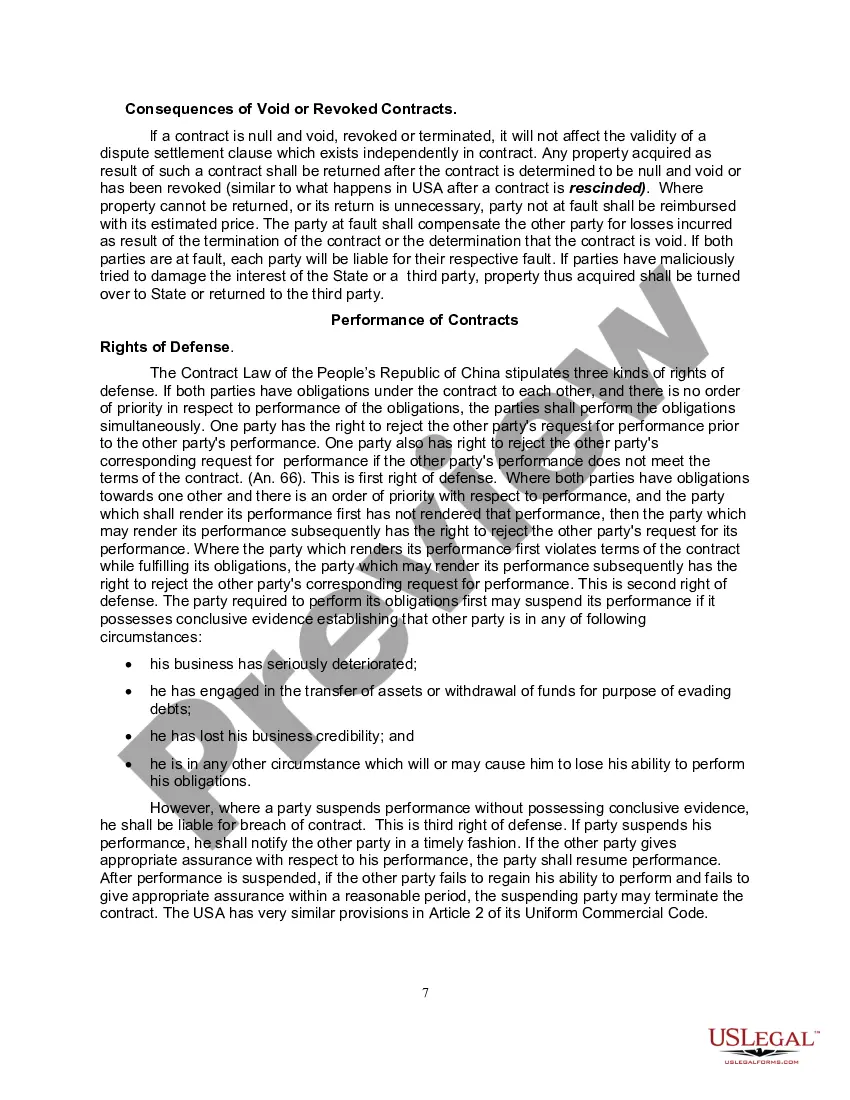
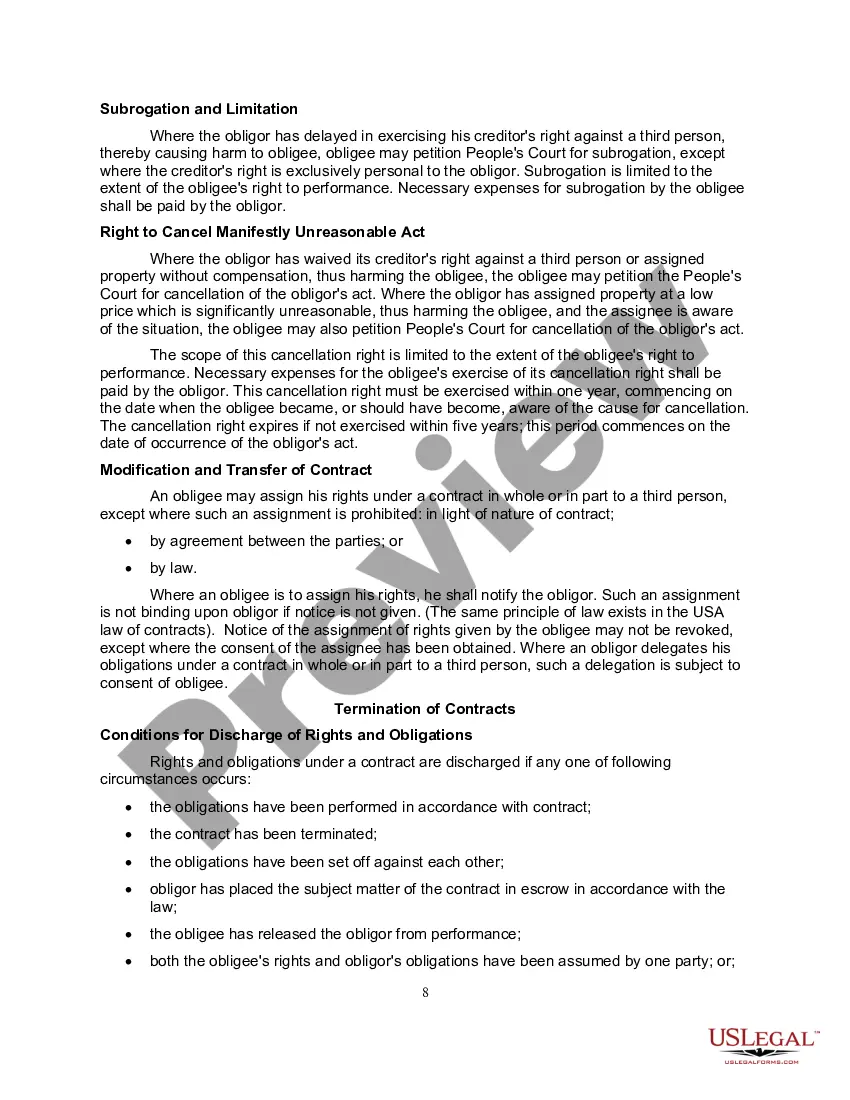
In Florida, a contract is established through a simple but vital process: offer, acceptance, and exchange of value (consideration). This means that a contract comes into existence when one party presents a clear offer, and the other party accepts it, coupled with an exchange of something of value.
The traditional route is to get a law degree or a related degree, take the LPC – by 2032, the LPC will be completely phased out – and the SQE if you have a non-law degree. After the SQE you'll need to get a TC at a law firm, preferably one with a strong showing in contract law.