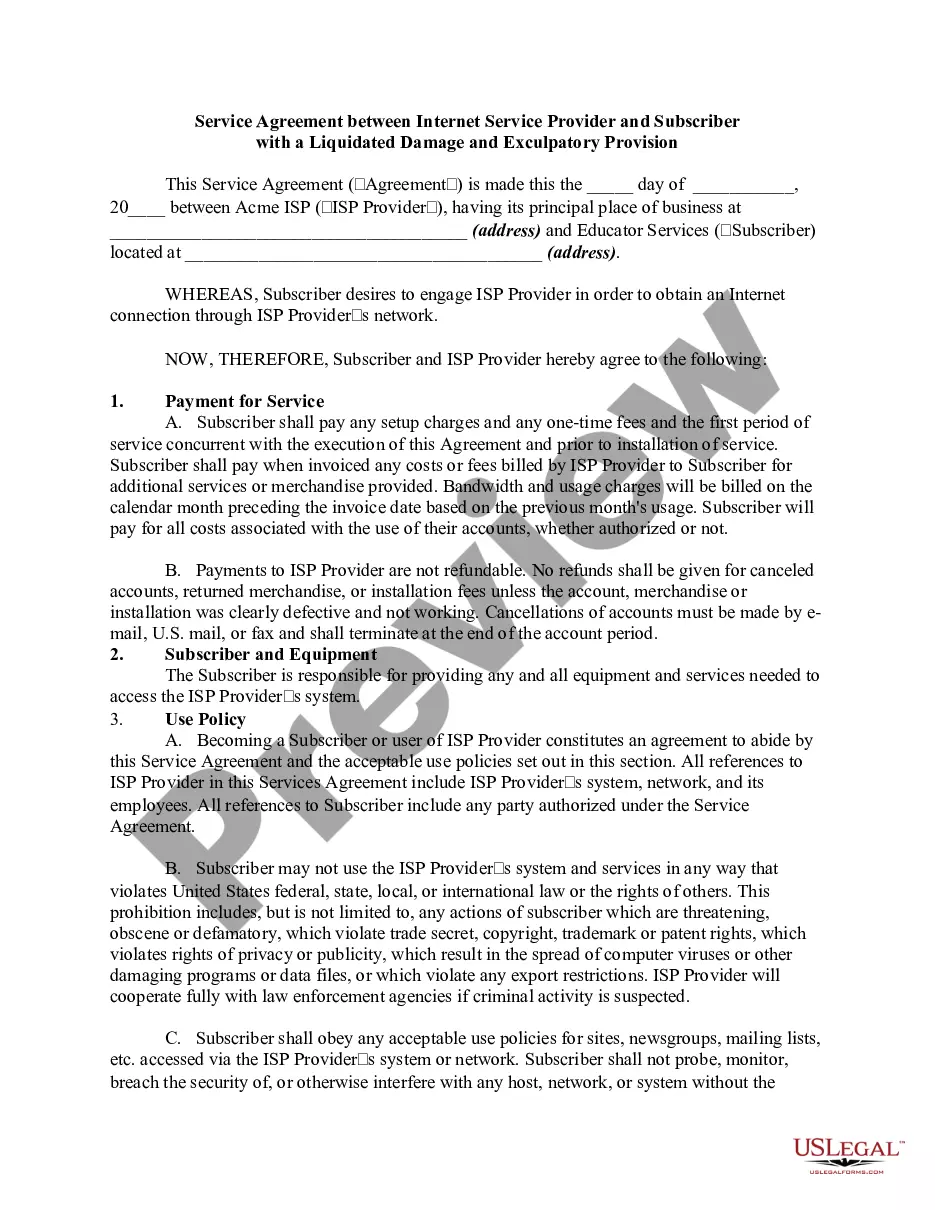
Contract Law In Sri Lanka In Bronx
Description



Get your form ready online
Our built-in tools help you complete, sign, share, and store your documents in one place.
Make edits, fill in missing information, and update formatting in US Legal Forms—just like you would in MS Word.
Download a copy, print it, send it by email, or mail it via USPS—whatever works best for your next step.
Sign and collect signatures with our SignNow integration. Send to multiple recipients, set reminders, and more. Go Premium to unlock E-Sign.
If this form requires notarization, complete it online through a secure video call—no need to meet a notary in person or wait for an appointment.
We protect your documents and personal data by following strict security and privacy standards.

Make edits, fill in missing information, and update formatting in US Legal Forms—just like you would in MS Word.

Download a copy, print it, send it by email, or mail it via USPS—whatever works best for your next step.

Sign and collect signatures with our SignNow integration. Send to multiple recipients, set reminders, and more. Go Premium to unlock E-Sign.

If this form requires notarization, complete it online through a secure video call—no need to meet a notary in person or wait for an appointment.

We protect your documents and personal data by following strict security and privacy standards.
Looking for another form?
Form popularity
FAQ
For a contract to be binding it needs to satisfy four principles, offer, acceptance, consideration, and the intention to create legal relations. Generally, the law believes that an agreement is made when one party makes an offer and the other party accepts it.
- The law requires an intention to create legal relations to be present between the parties to a valid and enforceable contract. - What is required is either an intention which actually exists, or an intention, having regard to all surrounding circumstances, the law will deem to exist in the minds of the parties.
There are four essential elements of forming a contract: offer, acceptance, consideration, and intention to create legal relations. Beyond this, the terms of the contract must also be unambiguous, and the parties must have the mental capacity to agree.
There are four essential elements of forming a contract: offer, acceptance, consideration, and intention to create legal relations.
Normally, the remedy that the innocent party has for a breach of contract is to sue for damages. The object for seeking damages is to obtain compensation for the actual loss he has suffered.
An essential tool in the arsenal of negotiators is understanding the 4 P's of contract negotiations: Preparation, Process, People, and Product. This framework offers a comprehensive approach to negotiations, ensuring that every aspect is meticulously planned and executed.
The Civil Court has monetary jurisdiction up to $50,000.00, including replevin when the value of the chattel does not exceed that amount. It has jurisdiction of real property actions, such as partitions, and foreclosures, within the monetary limit.
If one or more of the parties is difficult to locate, it can prolong initiation of litigation. The court system itself can also impact the timeline of a civil litigation lawsuit. Generally speaking, prior to the pandemic a litigated file could take 9-12 months minimum on average to resolve.
The Civil Court has monetary jurisdiction up to $50,000.00, including replevin when the value of the chattel does not exceed that amount.
To begin an action in Small Claims Court, a person, or someone acting on his or her behalf, must come to the Small Claims Court Clerk's office in the proper county and fill out a statement of claim. To find out where the clerk's office is located in your county, click on Locations.