Contract With Legal Definition In Suffolk
Description












Get your form ready online
Our built-in tools help you complete, sign, share, and store your documents in one place.
Make edits, fill in missing information, and update formatting in US Legal Forms—just like you would in MS Word.
Download a copy, print it, send it by email, or mail it via USPS—whatever works best for your next step.
Sign and collect signatures with our SignNow integration. Send to multiple recipients, set reminders, and more. Go Premium to unlock E-Sign.
If this form requires notarization, complete it online through a secure video call—no need to meet a notary in person or wait for an appointment.
We protect your documents and personal data by following strict security and privacy standards.

Make edits, fill in missing information, and update formatting in US Legal Forms—just like you would in MS Word.

Download a copy, print it, send it by email, or mail it via USPS—whatever works best for your next step.

Sign and collect signatures with our SignNow integration. Send to multiple recipients, set reminders, and more. Go Premium to unlock E-Sign.

If this form requires notarization, complete it online through a secure video call—no need to meet a notary in person or wait for an appointment.

We protect your documents and personal data by following strict security and privacy standards.
Looking for another form?
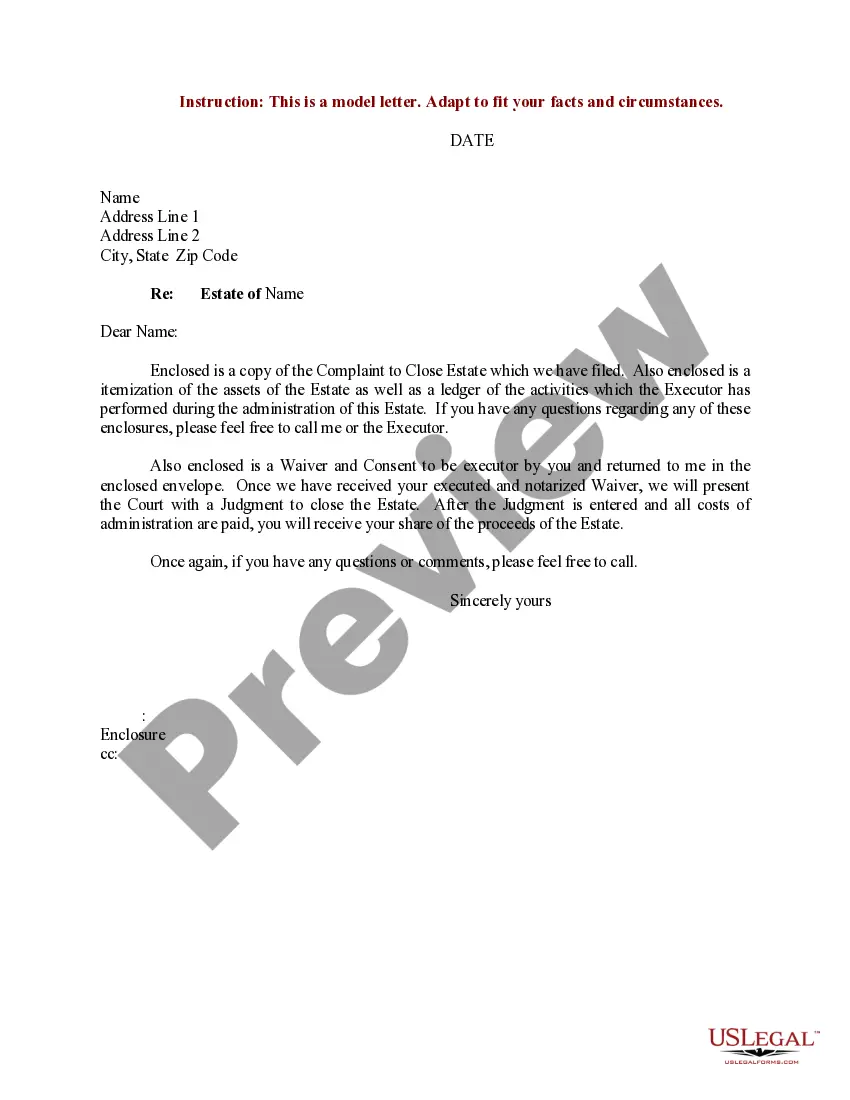
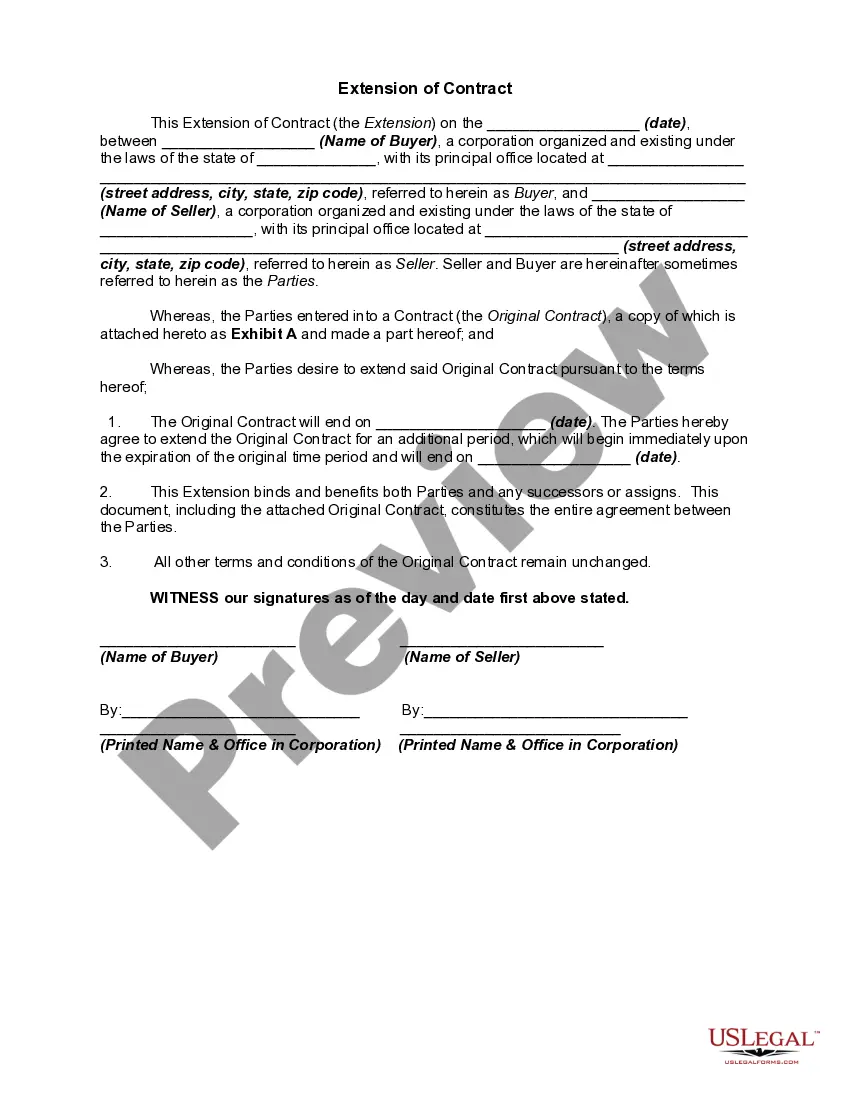
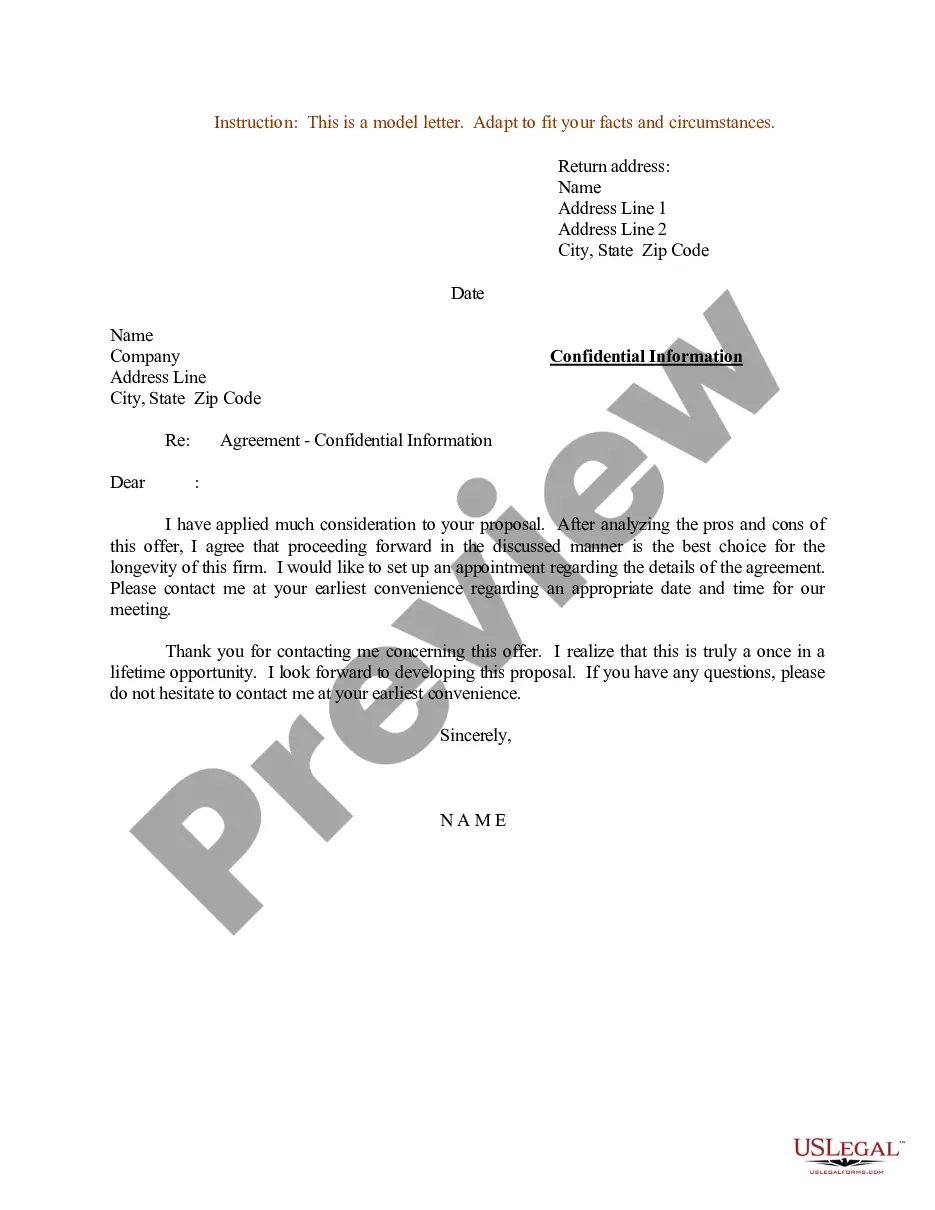







Form popularity
FAQ
Lesson Summary. A contract is a legal agreement between two or more parties in which they agree to each other's rights and responsibilities. Offer, acceptance, awareness, consideration, and capacity are the five elements of an enforceable contract.
It is vital that a contract meet all the requirements for a contract to be valid. Usually, this involves certain key elements, including clearly defined terms (terms of the contract), mutual agreement among parties of sound mind, and legality, meaning that the agreement cannot relate to illegal activities.
The basic elements required for the agreement to be a legally enforceable contract are: mutual assent, expressed by a valid offer and acceptance; adequate consideration; capacity; and legality. In some states, elements of consideration can be satisfied by a valid substitute.
A contract is an agreement between parties, creating mutual obligations that are enforceable by law. The basic elements required for the agreement to be a legally enforceable contract are: mutual assent, expressed by a valid offer and acceptance; adequate consideration; capacity; and legality.
Offer: A clear proposal to make a deal. Acceptance: A definite agreement to the terms of the offer. Consideration: Something of value exchanged between the parties. Intention to Create Legal Relations: A mutual intention to form a legally binding agreement.
A contract is created at law when there is a mutual exchange of promises upon reasonably understandable terms and conditions. A contract does not have to be reduced to writing in order to be enforceable; however, for the purposes of this manual, the term contract is intended to mean a written form of communication.
Legally binding contracts can be done both in writing or orally. However, when it comes to business transactions, it's best to have the majority of your contracts in writing. There is no law requiring contracts to be written by a lawyer. There are no laws that indicate any specific form or font they should be in.
For example, an angle is a defined term in geometry, because we can define it as the corners that are produced when two lines intersect. That is, we can define an angle using other geometrical terms (in this definition, those terms are a line and an intersection point).
Consistent with the phrase, a defined term is a word or term, often capitalized or otherwise distinguished from other text throughout the agreement, that is to be read to include the particular meaning given to it in the agreement.
Offer and Acceptance The most basic rule of contract law is that a legal contract exists when one party makes an offer and the other party accepts it. For most types of contracts, this can be done either orally or in writing.
