Contract Law For Mortgage In Orange
Description












Get your form ready online
Our built-in tools help you complete, sign, share, and store your documents in one place.
Make edits, fill in missing information, and update formatting in US Legal Forms—just like you would in MS Word.
Download a copy, print it, send it by email, or mail it via USPS—whatever works best for your next step.
Sign and collect signatures with our SignNow integration. Send to multiple recipients, set reminders, and more. Go Premium to unlock E-Sign.
If this form requires notarization, complete it online through a secure video call—no need to meet a notary in person or wait for an appointment.
We protect your documents and personal data by following strict security and privacy standards.

Make edits, fill in missing information, and update formatting in US Legal Forms—just like you would in MS Word.

Download a copy, print it, send it by email, or mail it via USPS—whatever works best for your next step.

Sign and collect signatures with our SignNow integration. Send to multiple recipients, set reminders, and more. Go Premium to unlock E-Sign.

If this form requires notarization, complete it online through a secure video call—no need to meet a notary in person or wait for an appointment.

We protect your documents and personal data by following strict security and privacy standards.
Looking for another form?

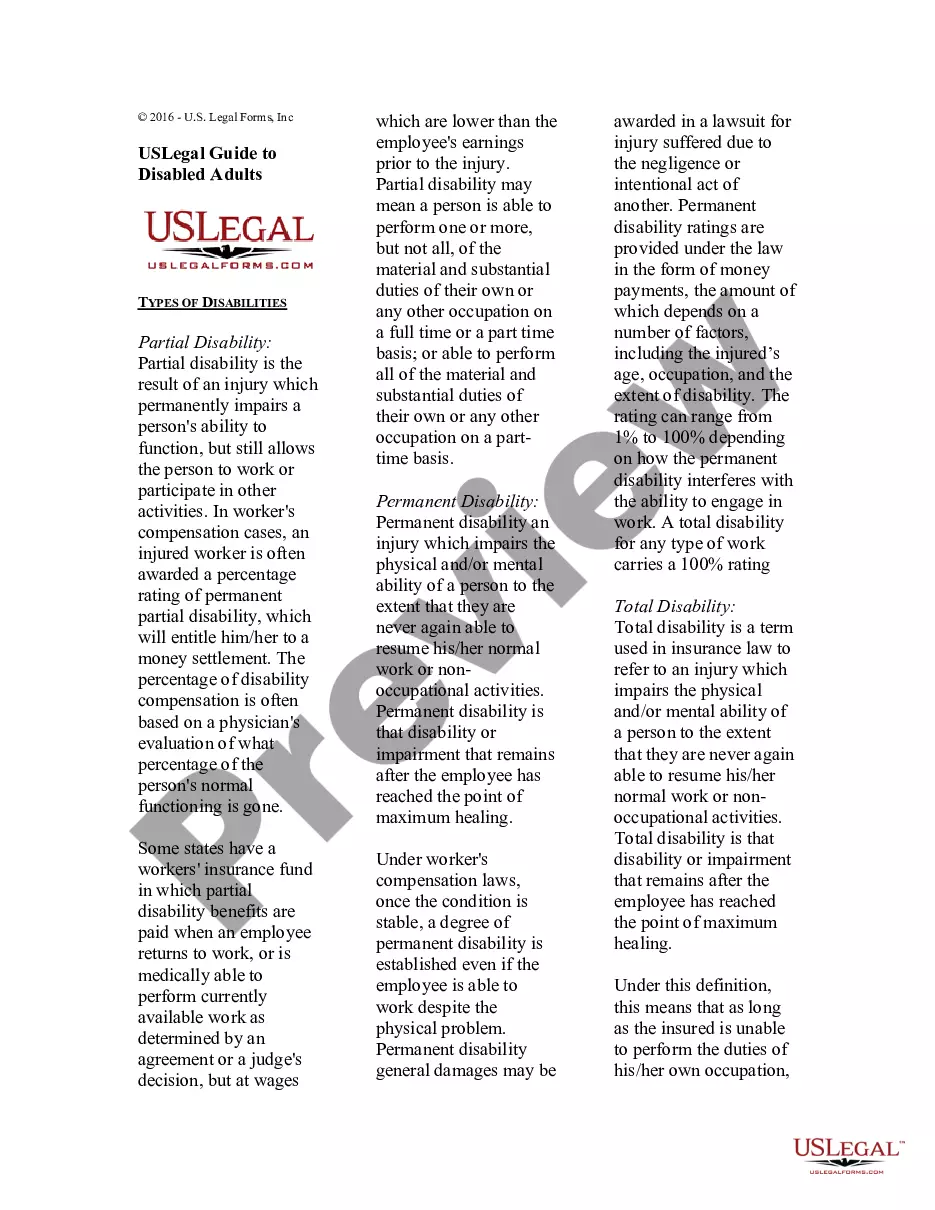
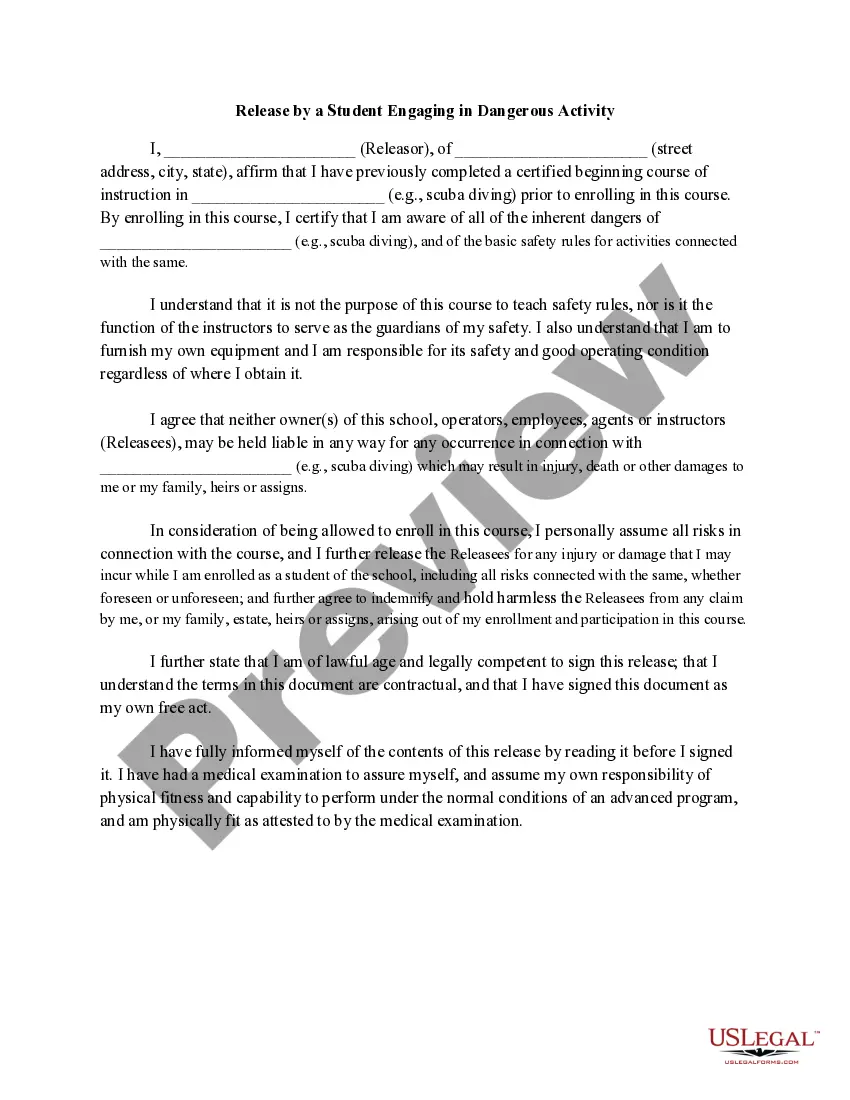





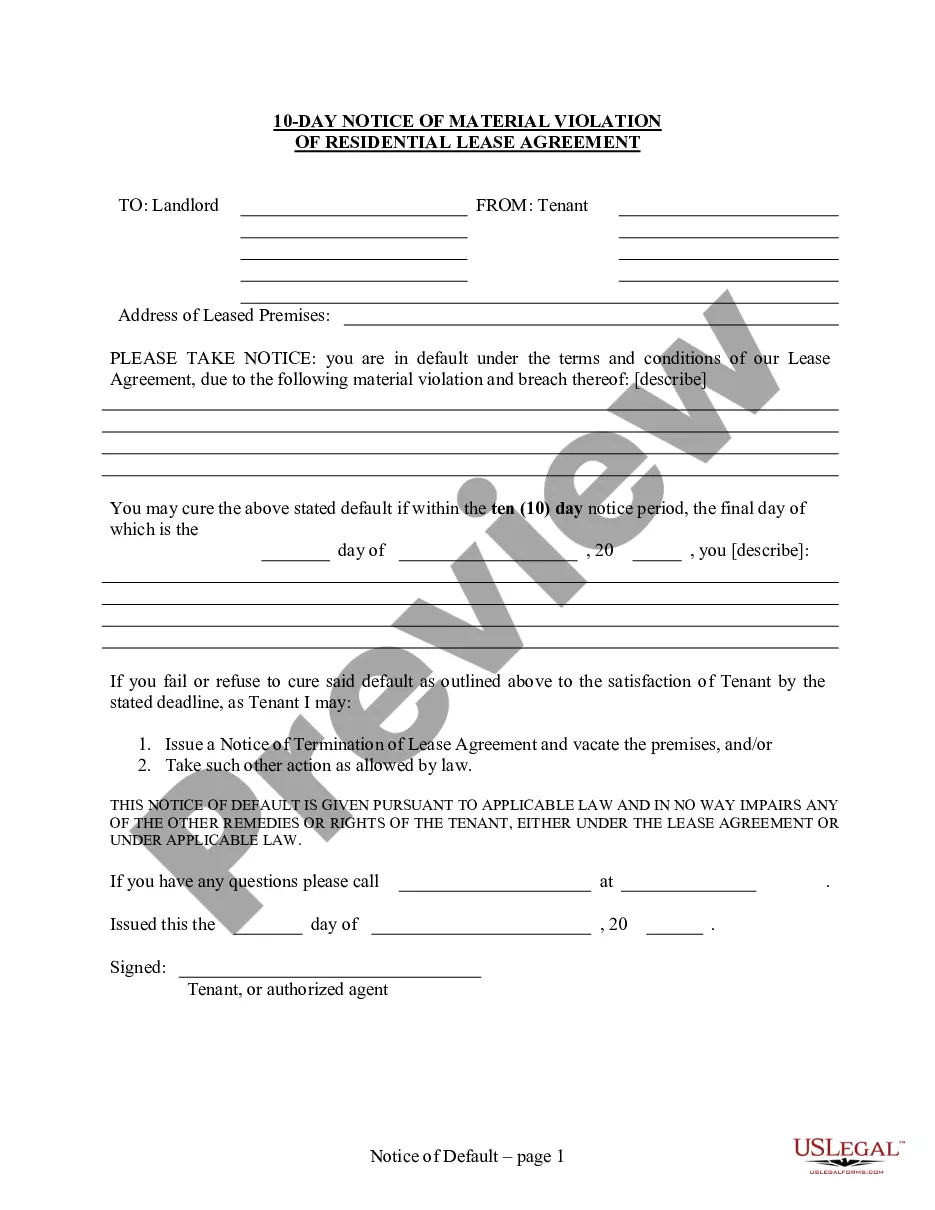

Form popularity
FAQ
A subject-to mortgage is a real estate investing strategy where a buyer purchases a property while leaving the existing mortgage in place. The buyer takes title to the property but does not formally assume the mortgage. This strategy can be beneficial for investors but carries risks for both buyers and sellers.
Form TP-584 must be filed for each conveyance of real property from a grantor/transferor to a grantee/transferee.
It's the address the mortgage company uses for insurance purposes. It is not the same as their corporate address. Nor the place where you send your mortgage payments. It's a seperate specific address just for insurance.
How To Get Out Of Your Mortgage Legally Talk To Your Lender. Homeowners who find themselves under financial duress are advised to speak with their lender as soon as possible. Sell Your Home. Request A Deed In Lieu Of Foreclosure. Have A Short Sale. Let Your House Go Into Foreclosure. Strategic Default.
A mortgagee clause is found in many property insurance policies and provides protection for a mortgage lender if a property is damaged. While lenders do receive protections with the mortgagee clause, borrowers benefit as well from reimbursements for repairs to the home as well as any documented lost property.
A standard mortgage clause is a provision in an insurance policy that protects the rights of a mortgagee when the insured property is subject to a mortgage. This clause ensures that the mortgagee's interest in the property is protected even if the insured mortgagor does something to invalidate the policy.
For example, if you obtain a mortgage to buy a home or property and that property is then destroyed in a fire, the mortgagee clause would ensure that the loss would be payable to your lender even though it's part of your insurance policy.
Borrowers can sue lenders for a number of reasons, including those listed below. If you have been harmed by a lender's breach of their contract or fiduciary duties, you may have a valid claim.