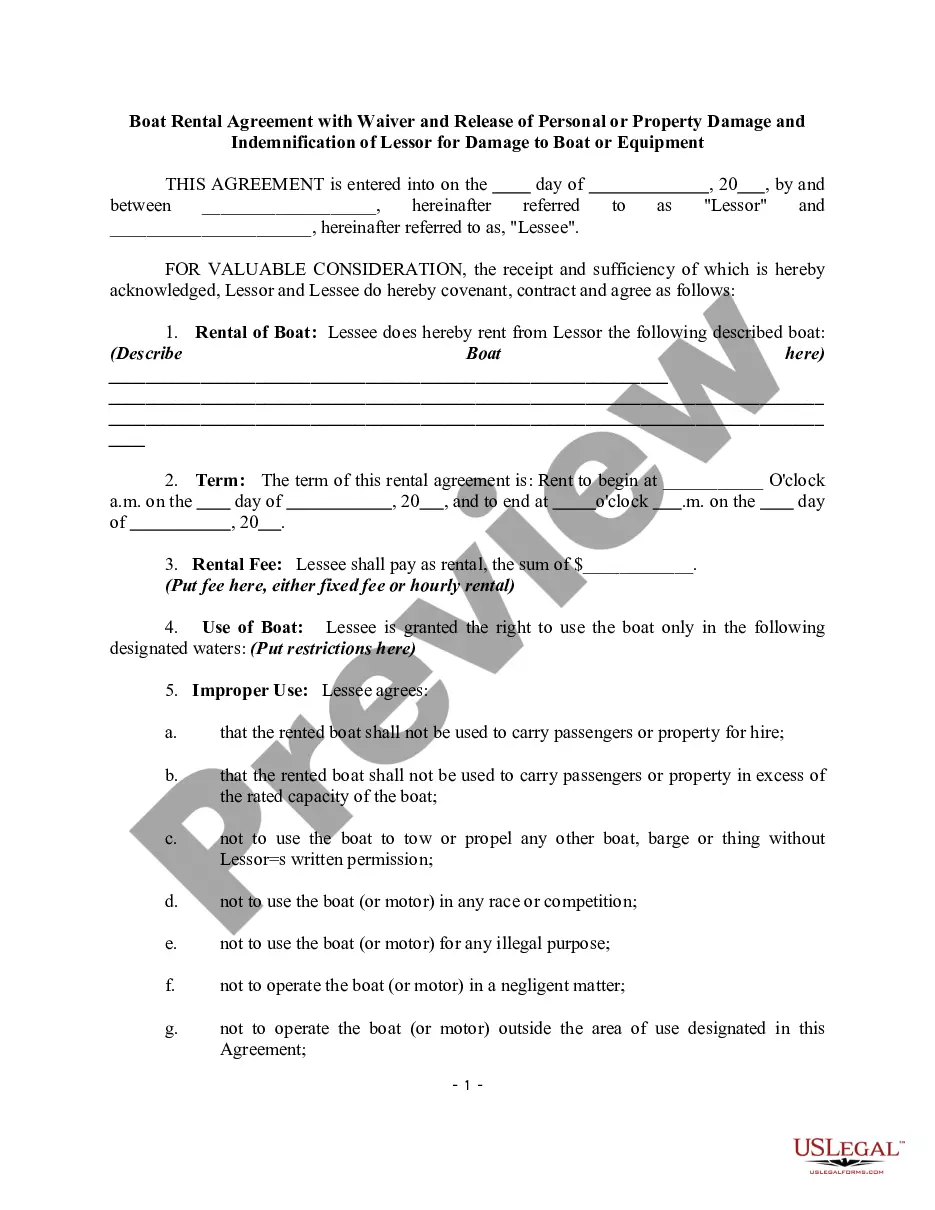
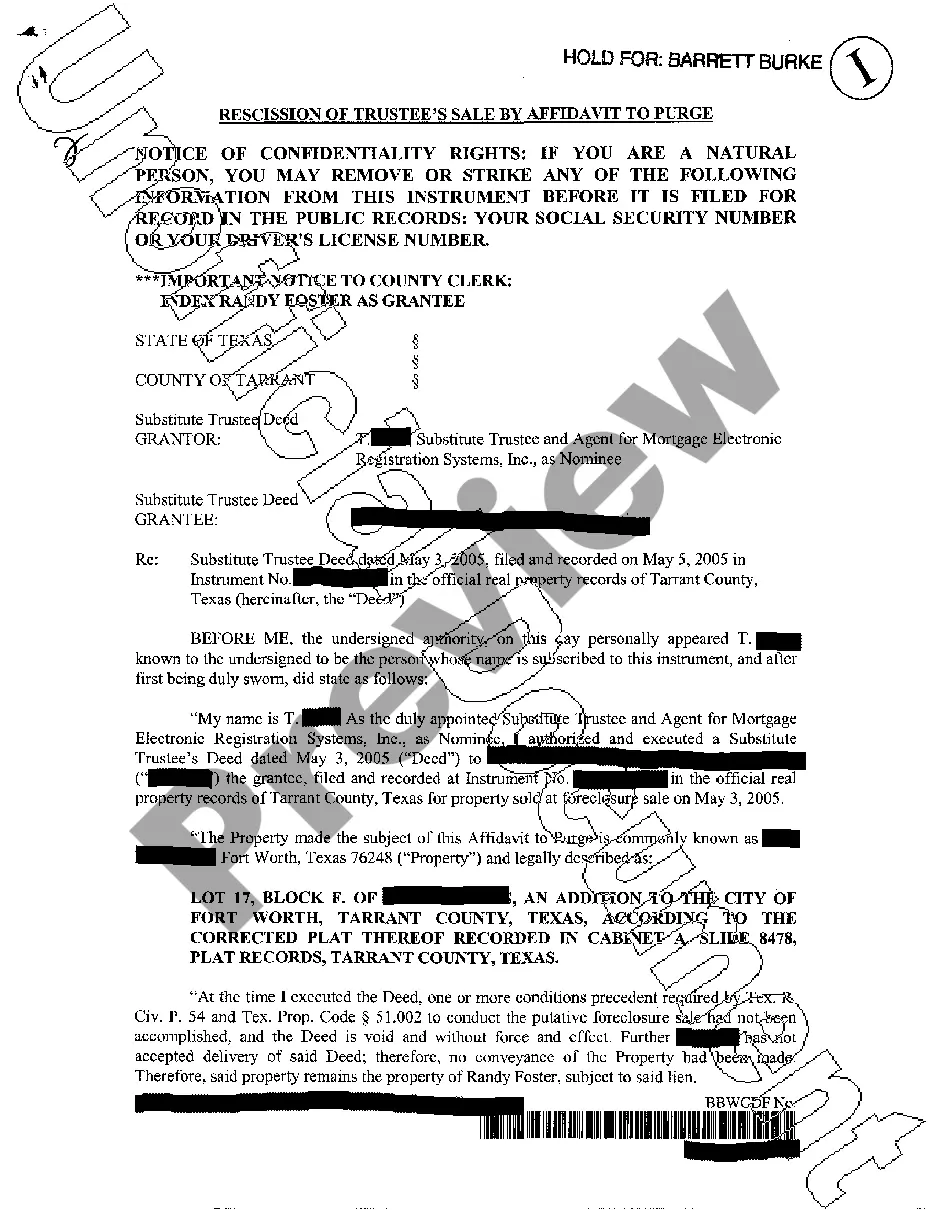
Law On Construction Cambodia In Ohio
Description












Get your form ready online
Our built-in tools help you complete, sign, share, and store your documents in one place.
Make edits, fill in missing information, and update formatting in US Legal Forms—just like you would in MS Word.
Download a copy, print it, send it by email, or mail it via USPS—whatever works best for your next step.
Sign and collect signatures with our SignNow integration. Send to multiple recipients, set reminders, and more. Go Premium to unlock E-Sign.
If this form requires notarization, complete it online through a secure video call—no need to meet a notary in person or wait for an appointment.
We protect your documents and personal data by following strict security and privacy standards.

Make edits, fill in missing information, and update formatting in US Legal Forms—just like you would in MS Word.

Download a copy, print it, send it by email, or mail it via USPS—whatever works best for your next step.

Sign and collect signatures with our SignNow integration. Send to multiple recipients, set reminders, and more. Go Premium to unlock E-Sign.

If this form requires notarization, complete it online through a secure video call—no need to meet a notary in person or wait for an appointment.

We protect your documents and personal data by following strict security and privacy standards.
Looking for another form?









Form popularity
FAQ
The law on construction is divided into 22 chapters with 111 Articles. This law determines the principles, building technical regulations, rules and procedures to control the construction sector in Cambodia. The Ministry of Land Management, Urban Planning and Construction (MLMUPC) remains the competent authority.
That contract must include specific information about your rights and responsibilities. In addition, any changes made to that contract must be in writing, be legible, be easy to understand, and inform you of your rights to cancel or rescind the contract.
The said surety hereby stipulates and agrees that no modifications, omissions, or additions, in or to the terms of the said contract or in or to the plans or specifications therefor shall in any wise affect the obligations of said surety on its bond."
(1) Punitive or exemplary damages are recoverable from a defendant in question in a tort action on a basis other than that the actions or omissions of that defendant demonstrate malice or aggravated or egregious fraud or on a basis other than that the defendant in question as principal or master knowingly authorized, ...
Section 153.01 | Architect must submit accurate plans, estimates, bills of materials, and details to scale.
Ohio Revised Code The Revised Code is organized into 31 general titles broken into chapters dealing with individual topics of law. The chapters are divided into sections which contain the text of individual statutes. The laws are collected and published in the Ohio Revised Code.
Section 1531.02 | State ownership of and title to wild animals - prohibited activities. The ownership of and the title to all wild animals in this state, not legally confined or held by private ownership legally acquired, is in the state, which holds such title in trust for the benefit of all the people.
Are there any restrictions? Generally, only natural persons and legal entities with Cambodian nationality may own real estate in Cambodia. A legal entity has Cambodian nationality when at least 51% of its shares are owned, individually or collectively, by Cambodian natural or legal persons.
The Cambodian legal system is based largely on the French civil system, and is statute based. The Constitution is the Supreme Law. The legal system has evolved from unwritten customary law, prevalent during Angkorian times, to statutory law, under the French colonisation from 1863 to 1953 and up until 1975.