Construction Law In South Africa In Nassau
Description
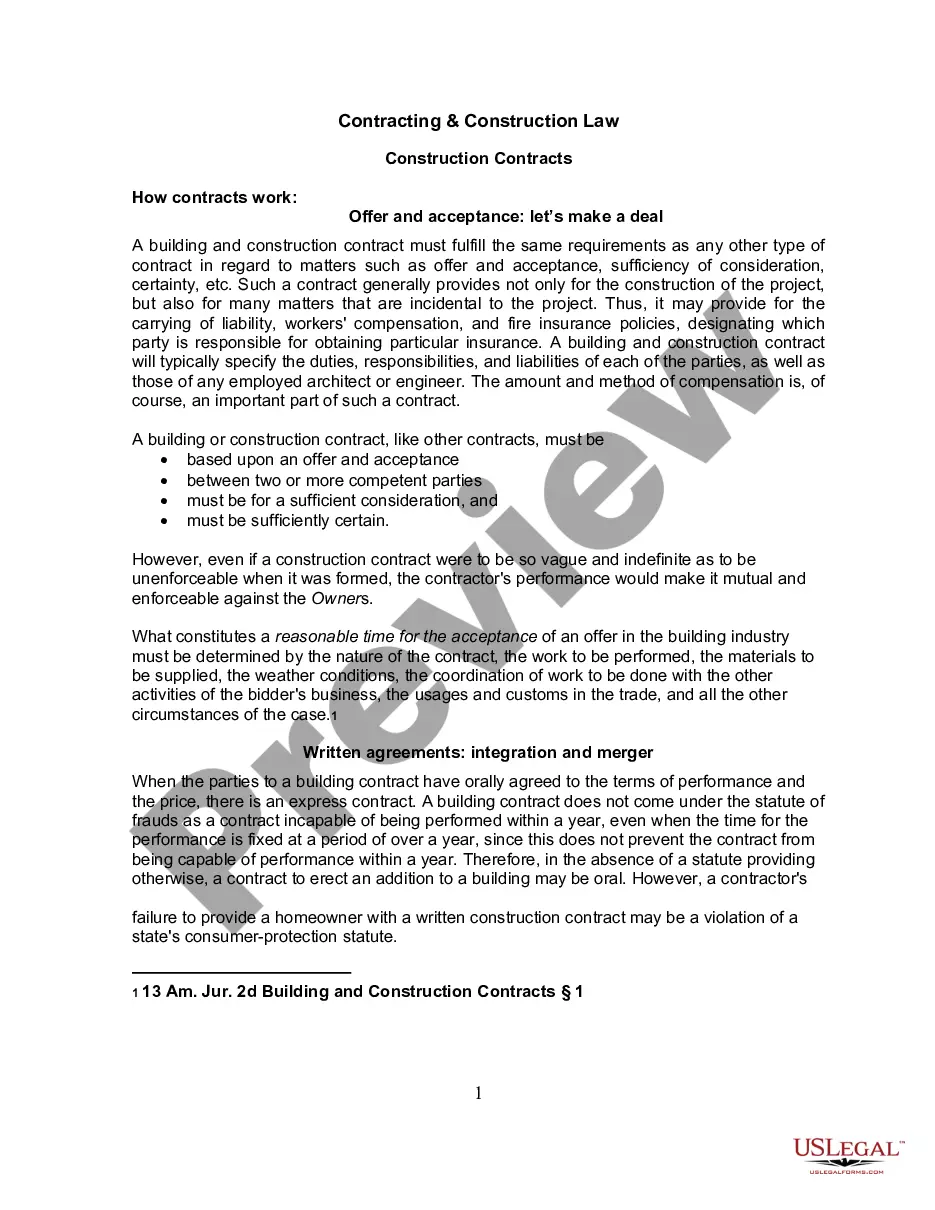
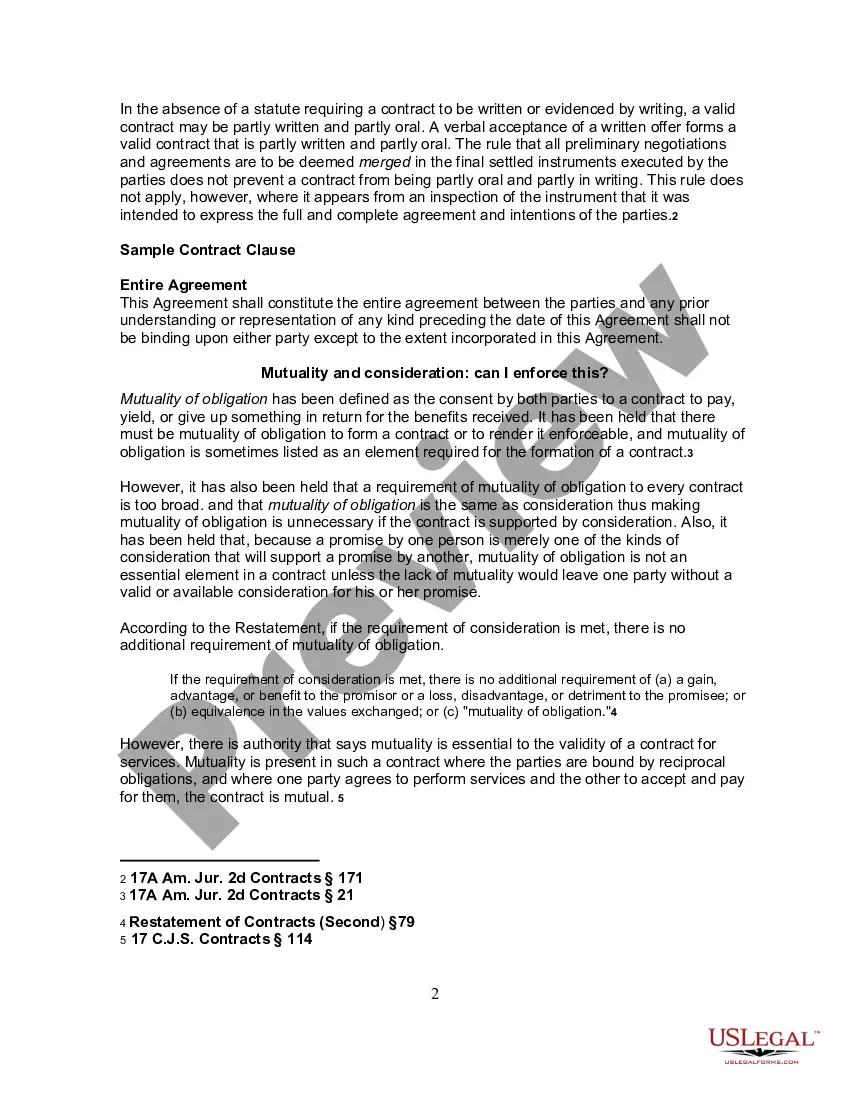
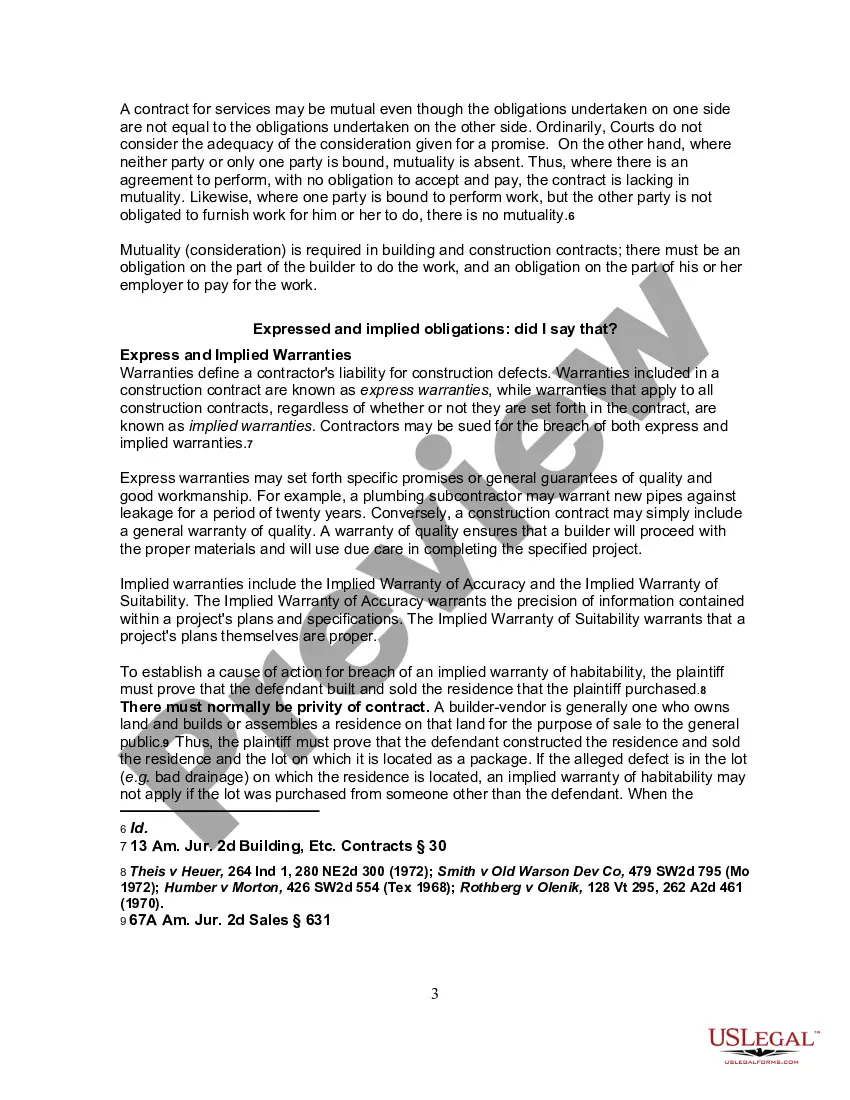
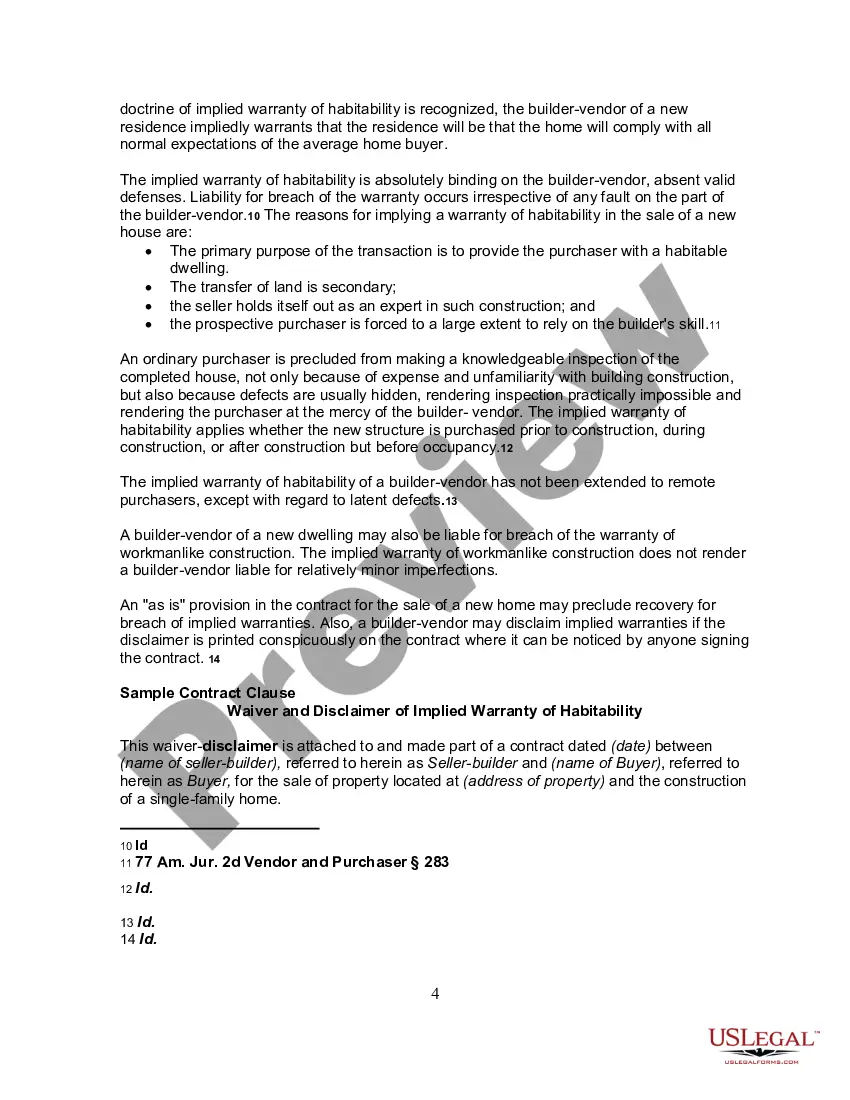
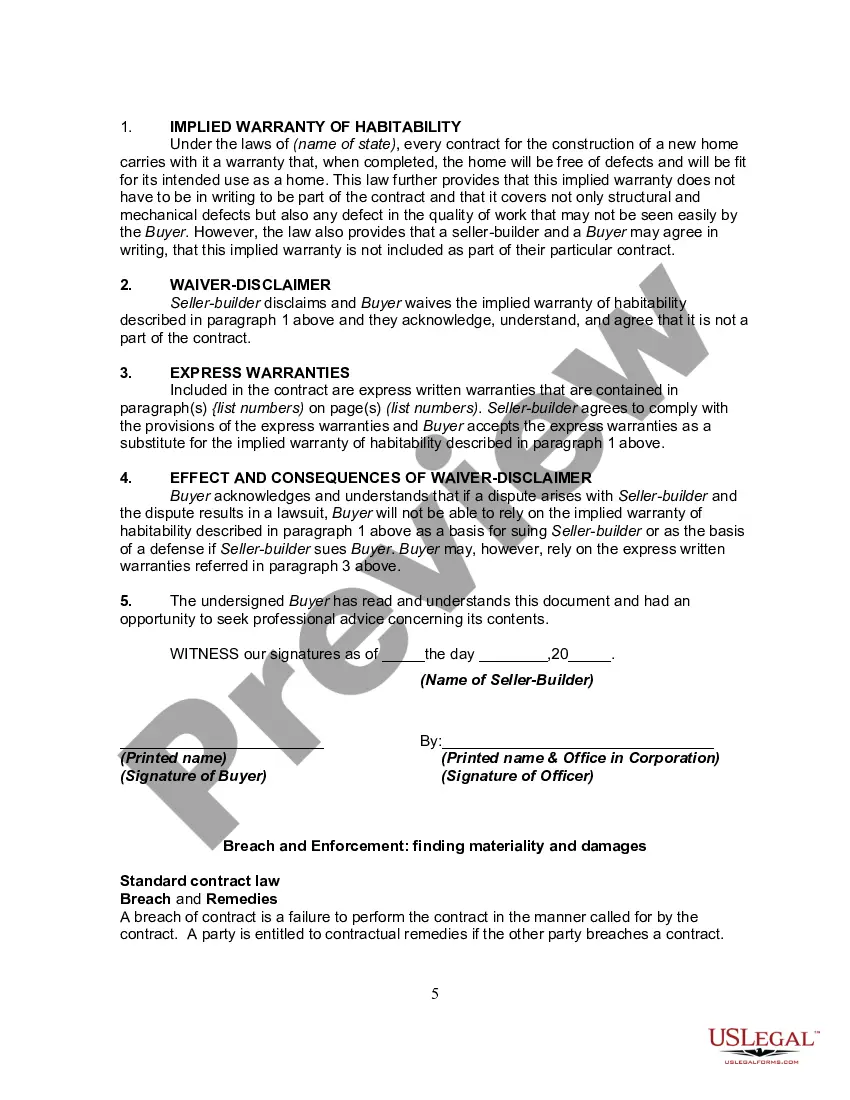
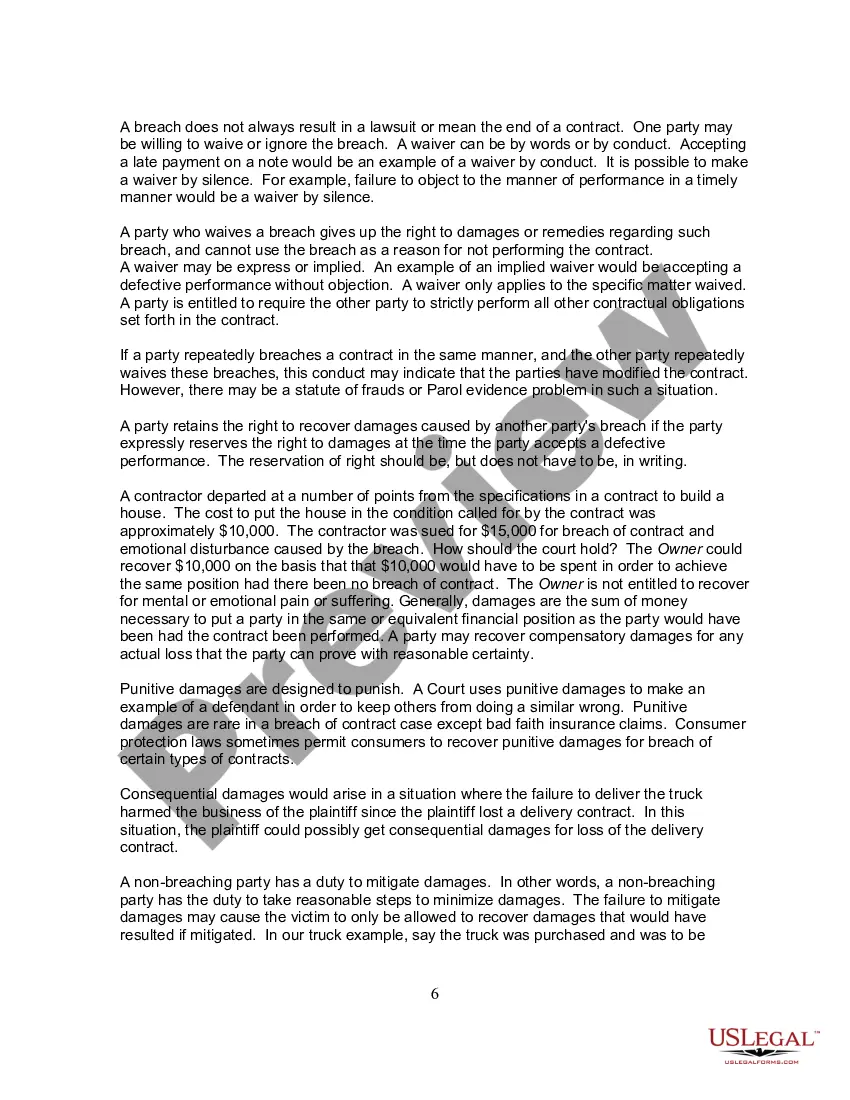
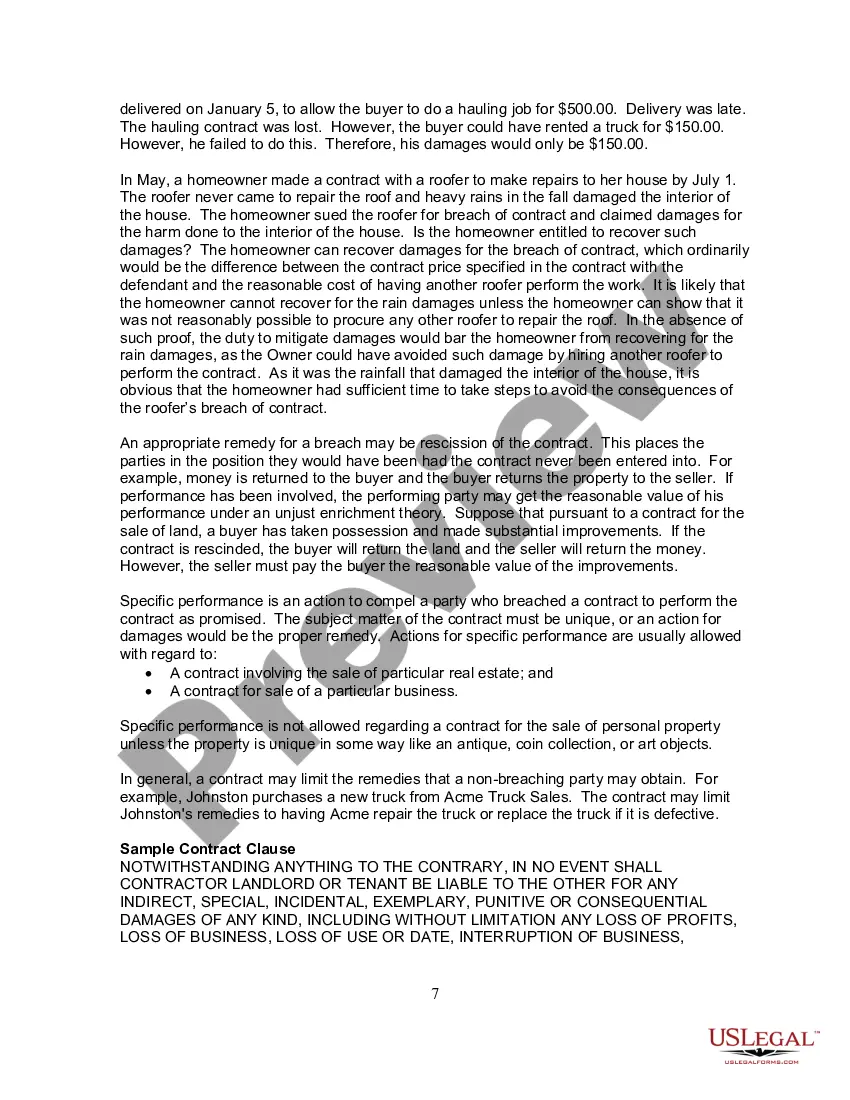
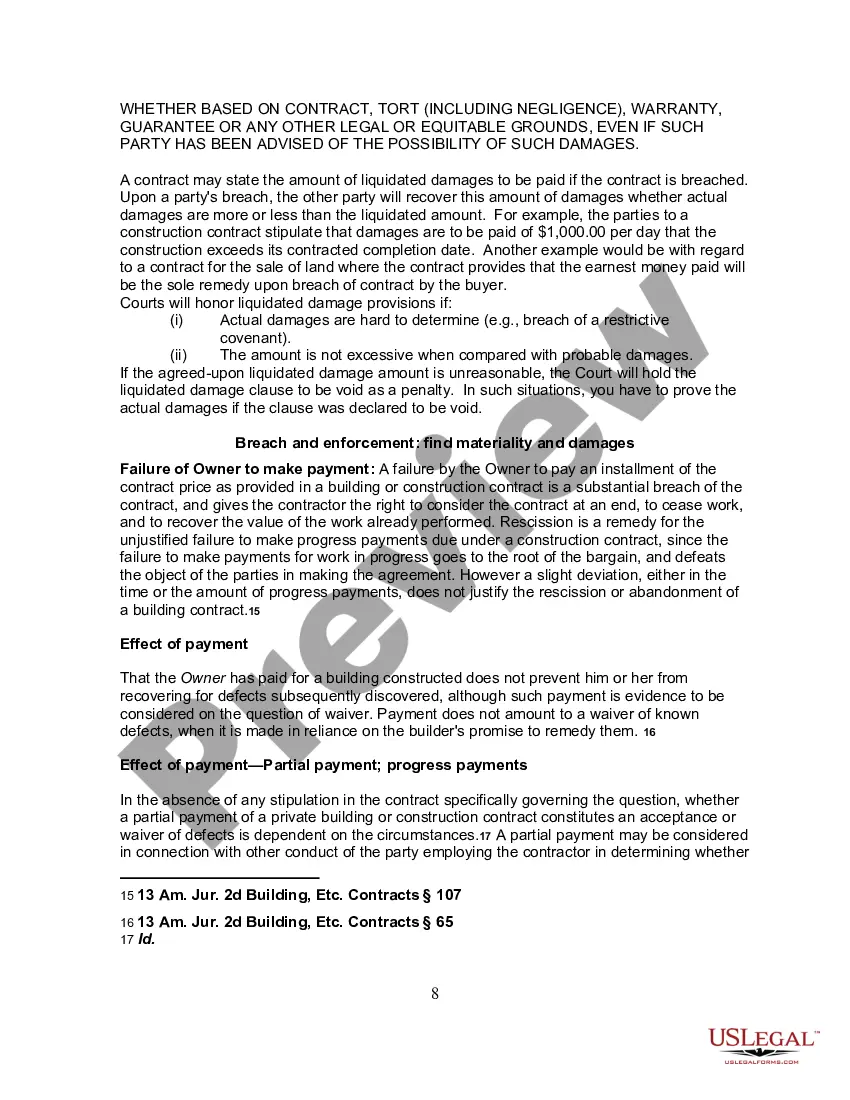

Get your form ready online
Our built-in tools help you complete, sign, share, and store your documents in one place.
Make edits, fill in missing information, and update formatting in US Legal Forms—just like you would in MS Word.
Download a copy, print it, send it by email, or mail it via USPS—whatever works best for your next step.
Sign and collect signatures with our SignNow integration. Send to multiple recipients, set reminders, and more. Go Premium to unlock E-Sign.
If this form requires notarization, complete it online through a secure video call—no need to meet a notary in person or wait for an appointment.
We protect your documents and personal data by following strict security and privacy standards.

Make edits, fill in missing information, and update formatting in US Legal Forms—just like you would in MS Word.

Download a copy, print it, send it by email, or mail it via USPS—whatever works best for your next step.

Sign and collect signatures with our SignNow integration. Send to multiple recipients, set reminders, and more. Go Premium to unlock E-Sign.

If this form requires notarization, complete it online through a secure video call—no need to meet a notary in person or wait for an appointment.

We protect your documents and personal data by following strict security and privacy standards.
Looking for another form?

Form popularity
FAQ
South African contract law is "essentially a modernized version of the Roman-Dutch law of contract", and is rooted in canon and Roman laws. In the broadest definition, a contract is an agreement two or more parties enter into with the serious intention of creating a legal obligation.
The Occupational Health and Safety Act, Act 85 of 1993, requires the employer to provide and maintain as far as reasonable and practical a work environment that is safe and without risk to the health of employees.
This Act, which was enacted in 1969, sets out a range of safety requirements and regulations that must be followed by construction companies and workers to protect against accidents and injuries on construction sites.
Construction law in South Africa regulates the building industry of the country. It is a flexible and dynamic body of law, due to obligations and rights of parties in the construction industry of South Africa changing over time.
The aim and scope of the OHS Act The Act governs the health and safety for the diverse industry of South Africa. It regulates and control health and safety in all organisations, from a normal office environment to more hazardous environments like industrial plants and construction sites.
The Occupational Health and Safety Act (“OHSA”) of 1993 is the cornerstone of health and safety legislation in South Africa, specifically tailored to protect workers in all industries, including construction.
Construction law Construction (Design and Management) Regulations 2015. Control of Substances Hazardous to Health Regulations (COSHH) 2002. Health and Safety (Consultation with Employees) Regulations 1996. Health and Safety at Work etc Act 1974. Lifting Operations and Lifting Equipment Regulations (LOLER) 1998.
The Building Act 1984 is the primary legislation. Its stated purpose is to “secure the health, safety, welfare and convenience of persons in or about buildings and of others who may be affected by buildings or matters connected with buildings”.
The area of construction law deals with matters such as infrastructure, housing, planning permissions and construction and engineering. The key to understanding construction law is that it has two main categories: non-contentious and contentious. Below is a brief overview of construction law and its branches.