Law On Construction Philippines In Alameda
Description


Get your form ready online
Our built-in tools help you complete, sign, share, and store your documents in one place.
Make edits, fill in missing information, and update formatting in US Legal Forms—just like you would in MS Word.
Download a copy, print it, send it by email, or mail it via USPS—whatever works best for your next step.
Sign and collect signatures with our SignNow integration. Send to multiple recipients, set reminders, and more. Go Premium to unlock E-Sign.
If this form requires notarization, complete it online through a secure video call—no need to meet a notary in person or wait for an appointment.
We protect your documents and personal data by following strict security and privacy standards.

Make edits, fill in missing information, and update formatting in US Legal Forms—just like you would in MS Word.

Download a copy, print it, send it by email, or mail it via USPS—whatever works best for your next step.

Sign and collect signatures with our SignNow integration. Send to multiple recipients, set reminders, and more. Go Premium to unlock E-Sign.

If this form requires notarization, complete it online through a secure video call—no need to meet a notary in person or wait for an appointment.

We protect your documents and personal data by following strict security and privacy standards.
Looking for another form?








Form popularity
FAQ
"Any person, firm or corporation who shall violate any of the provisions of this code and/or commit any act hereby declared to be unlawful shall upon conviction, be punished by a fine of not more than P20,000 or by imprisonment of not more than two years or by both such fine and imprisonment: Provided, that in the case ...
"Any person, firm or corporation who shall violate any of the provisions of this code and/or commit any act hereby declared to be unlawful shall upon conviction, be punished by a fine of not more than P20,000 or by imprisonment of not more than two years or by both such fine and imprisonment: Provided, that in the case ...
All concerned citizen are required to secure Building Permit before any new construction/renovation of building/structure be done as required under the National Building Code of the Philippines (P.D. 1096).
Moreover, failing to renew your permit or register your business results in a fine ranging from P5,000 to P20,000, and in extreme cases – confiscation of assets and business closure. business permit each year. three government institutions, including the barangay, City Hall, and BIR.
Definitions. a written authorization granted by the LBO to an applicant allowing him to proceed with the construction of a specific project after plans, specifications, and other pertinent documents have been found to be in conformity with the National Building Code (PD 1096).
“No person, firm, or corporation, including any agency or instrumentality of the government shall erect, construct, alter, repair, move, convert or demolish any building or structure or cause the same to be done without first obtaining a building permit therefor from the Building official assigned in the place where ...
Administrative Complaints - Complaints may also be filed with regulatory bodies such as the Philippine Contractors Accreditation Board (PCAB) if the issue involves construction standards or violations in construction contracts.
Legal Bases PD No. 1746 (Creating the Construction Industry Authority of the Philippines) dated 28 November 1980 – created the CIAP to promote, accelerate and regulate the growth and development of the construction industry in conformity with national goals.
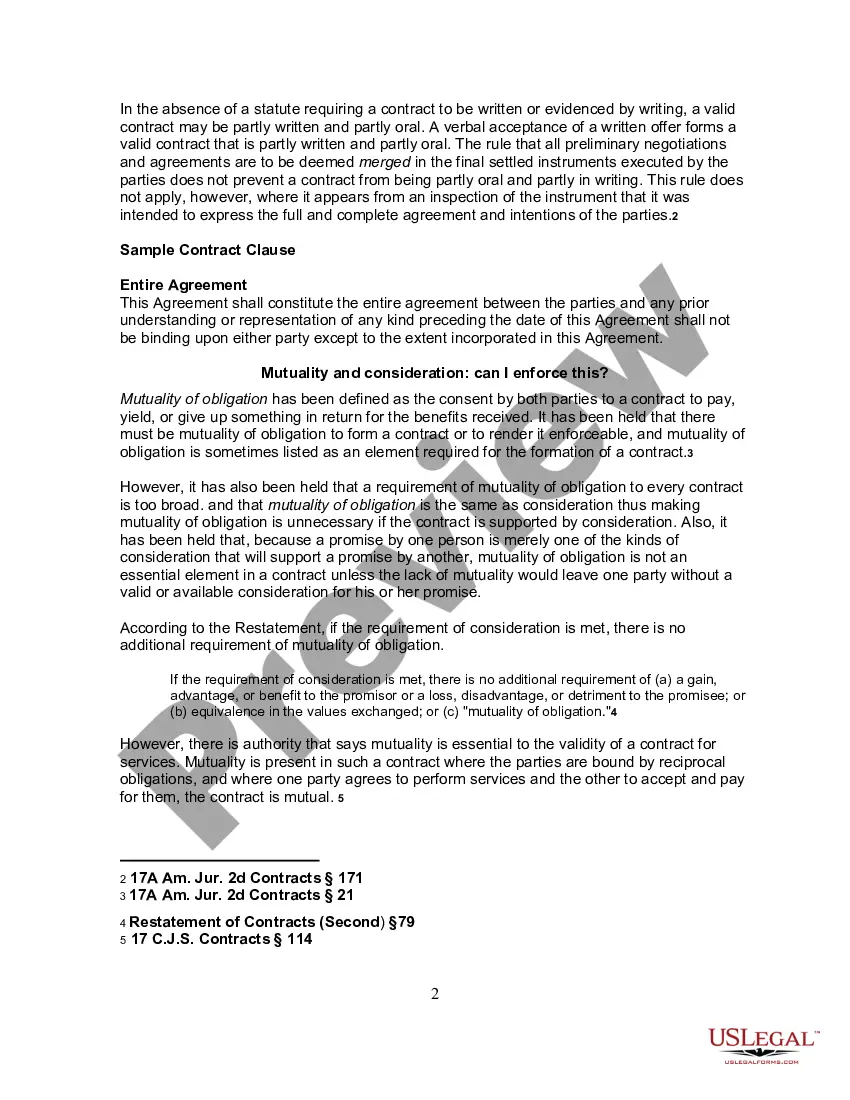
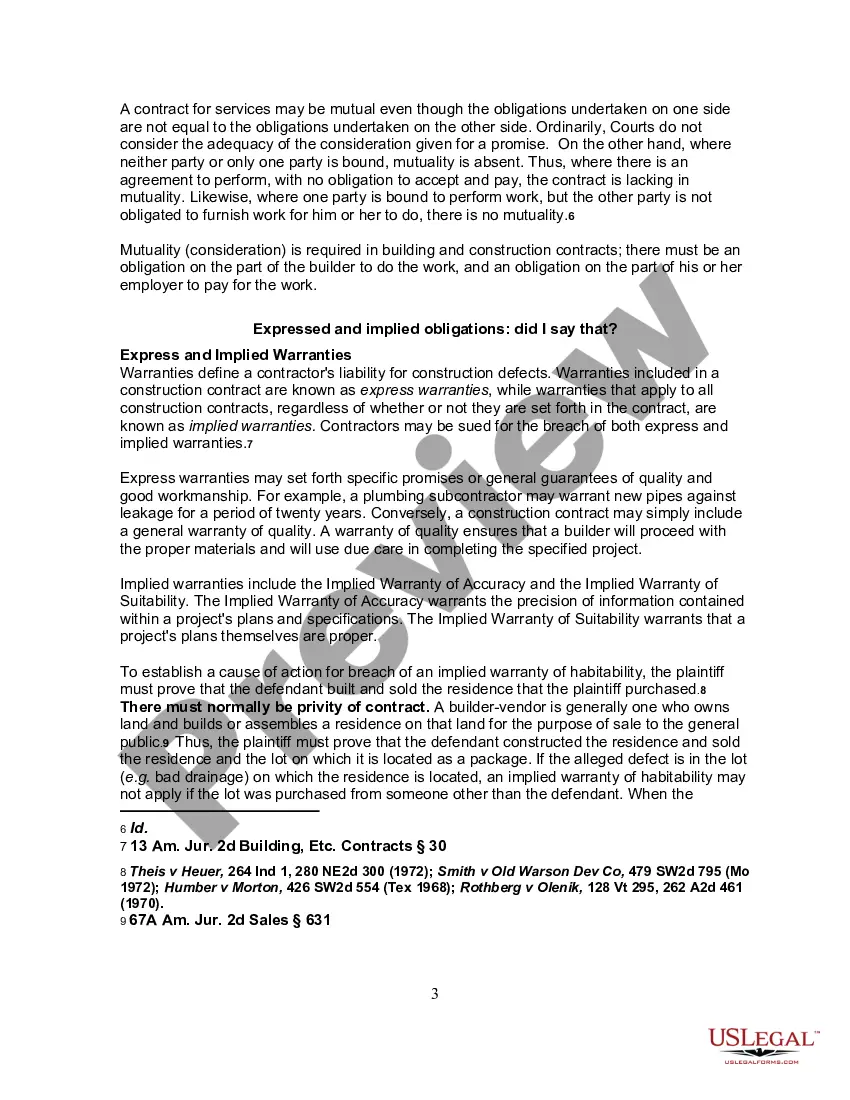
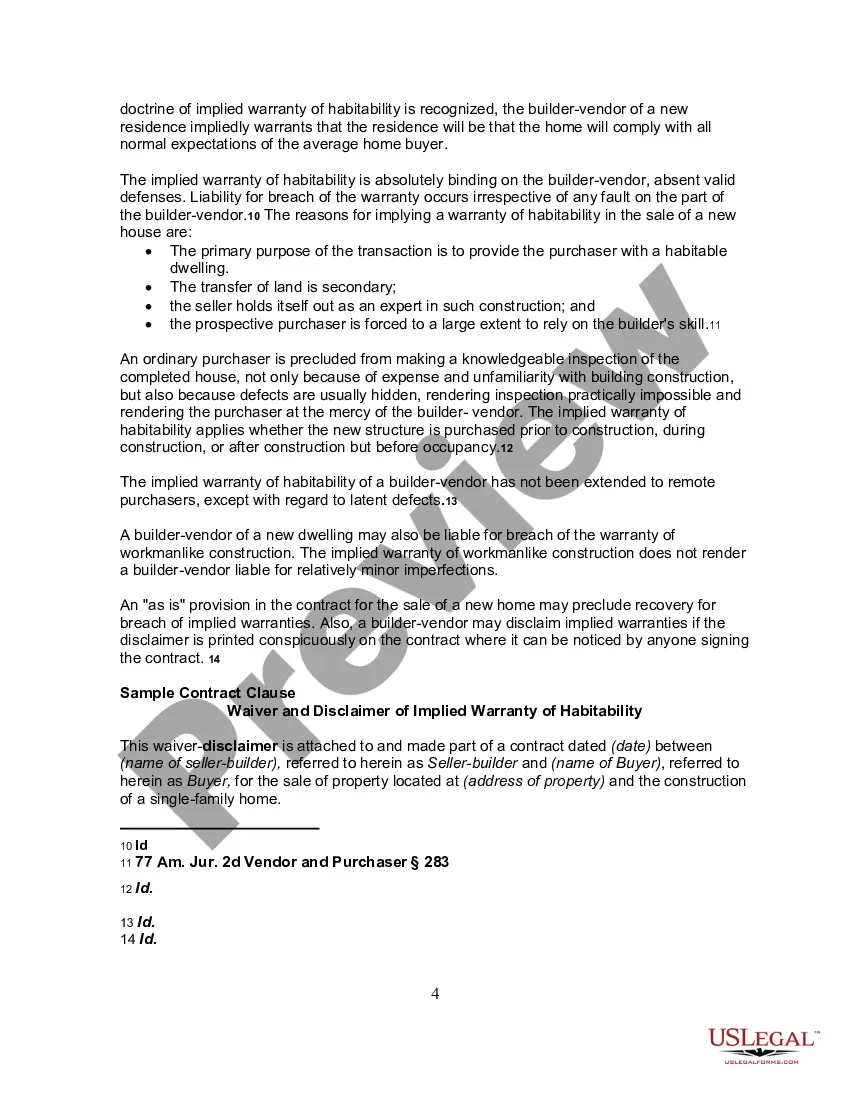
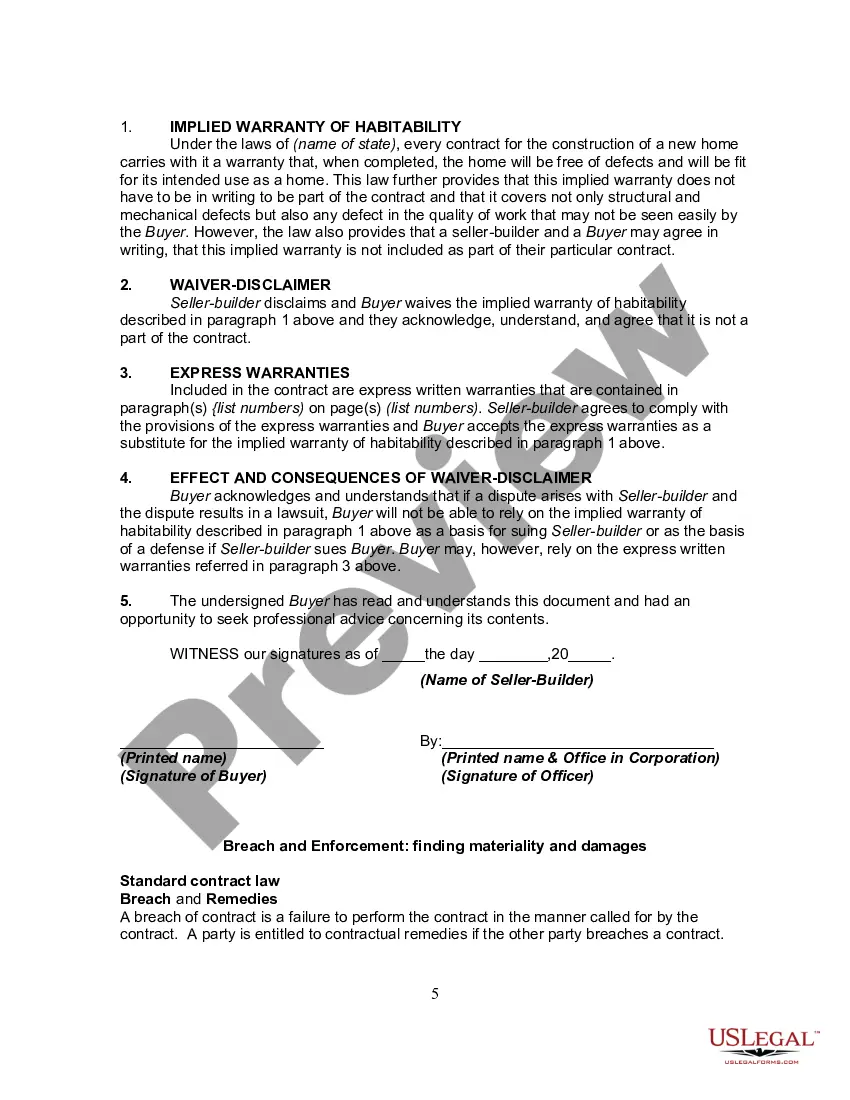
Common regulations governing construction in California include safety codes, zoning regulations noise regulations, and other environmental regulations. In California, homeowners and real estate developers should have knowledge of construction law to ensure they meet legal compliance and protect their rights.
Article 1305 gives the general definition of contracts: "A contract is a meeting of minds between two persons whereby one binds himself, with respect to the other, to give something or to render some service." In addition to these general rules on contracts, specific provisions are laid down regarding trusts (art.
