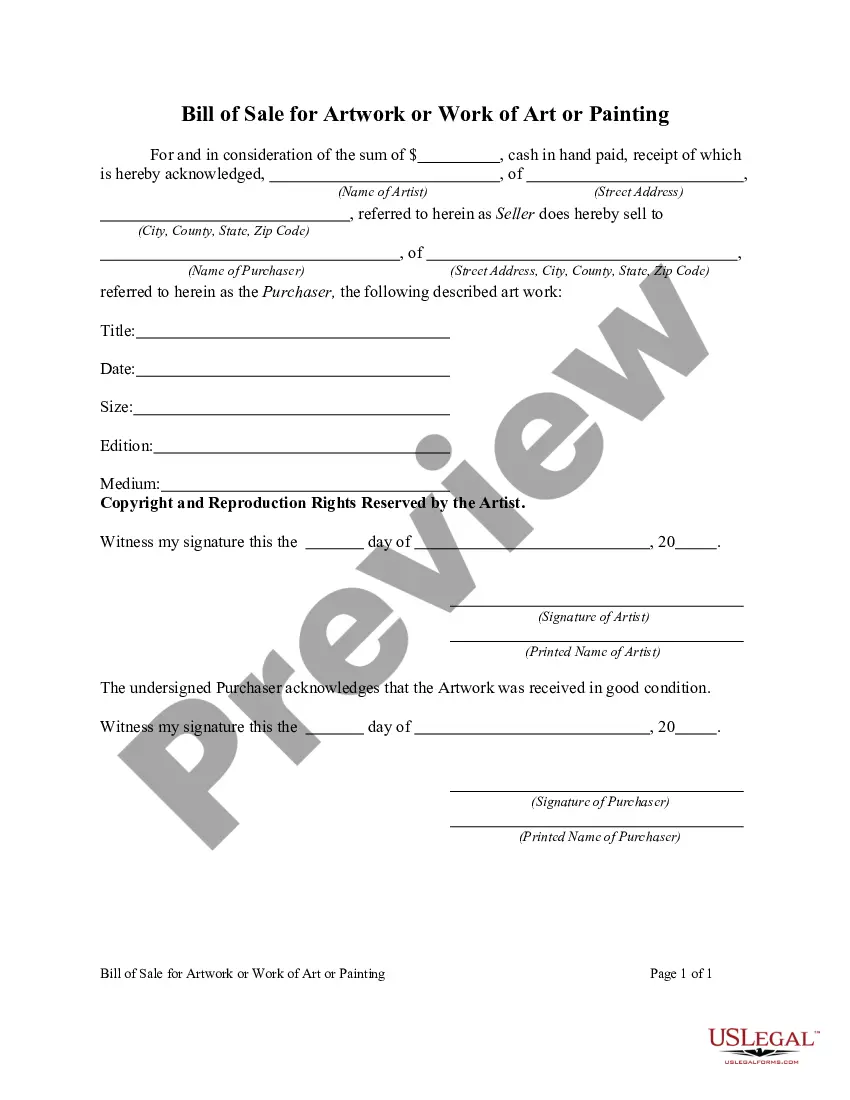
Law With Legal Withdrawals In Wayne
Description



Get your form ready online
Our built-in tools help you complete, sign, share, and store your documents in one place.
Make edits, fill in missing information, and update formatting in US Legal Forms—just like you would in MS Word.
Download a copy, print it, send it by email, or mail it via USPS—whatever works best for your next step.
Sign and collect signatures with our SignNow integration. Send to multiple recipients, set reminders, and more. Go Premium to unlock E-Sign.
If this form requires notarization, complete it online through a secure video call—no need to meet a notary in person or wait for an appointment.
We protect your documents and personal data by following strict security and privacy standards.

Make edits, fill in missing information, and update formatting in US Legal Forms—just like you would in MS Word.

Download a copy, print it, send it by email, or mail it via USPS—whatever works best for your next step.

Sign and collect signatures with our SignNow integration. Send to multiple recipients, set reminders, and more. Go Premium to unlock E-Sign.

If this form requires notarization, complete it online through a secure video call—no need to meet a notary in person or wait for an appointment.

We protect your documents and personal data by following strict security and privacy standards.
Looking for another form?









Form popularity
FAQ
File your counterclaim with the court clerk. You will need to make several copies of your counterclaim form and provide them to the court clerk, along with any required fees. The clerk will stamp your copies with a date and time stamp and provide you with a copy for your records.
Generally, there are about 4 steps to taking someone to small claims court in Monroe County: Prepare the lawsuit. File the lawsuit. Serve the lawsuit. Prepare for the small claims hearing.
After this notification, you will have thirty days to file a response to the counterclaim. You cannot opt out of a counterclaim. If you do not respond to the counterclaim within the thirty days allowed, the CCB may issue a notice of default.
Absolutely, but it usually doesn't have to be PERSONALLY served unless you're adding new parties. In most jurisdictions, the counterclaim is pleaded together with the defence of the action.
Attorneys may withdraw from representation for the client's nonpayment subject to court approval and the specific facts and circumstances. Nonpayment of fees may constitute an unreasonable financial burden or failure to fulfill an obligation. Reasonable warning to the client will be required.
A form disengagement letter (also known as a withdrawal letter or a termination of engagement letter) sent by an attorney or law firm to a client when withdrawing from representation in a litigation matter. This Standard Document has integrated notes with important explanations and drafting tips.
If your attorney files a motion to withdraw from your case, it is essential to take prompt action. You may choose to oppose the motion and explain why you believe your lawyer should continue representing you. Alternatively, you can agree to their withdrawal and seek new legal counsel.
The rule requires that a motion to withdraw be filed and served on the client and other parties of record. The court's approval will not be granted until client and counsel for other parties consent in writing or 14 days pass after service of the motion.
There are several possible options. One would be to hire another attorney. Another would be to check into whether your attorney sent in a representation letter to the court or Solicitor's Office. If so, the attorney may have to file a Motion with the Court to be relieved as counsel on your case.
While a lawyer withdrawing can be perceived as a setback, it does not determine the outcome of your custody case. How you respond to this situation can actually turn it into an opportunity to strengthen your position.